Authentic Mai Tai Ingredients List

- Time: Active 5 minutes, Passive 0 minutes, Total 5 minutes
- Flavor/Texture Hook: Velvety almond and oak-heavy funk with a crisp, citrus-driven finish.
- Perfect for: High-end home entertaining or tropical enthusiasts seeking historical accuracy.
- Mastering Essential Mai Tai Ingredients
- Scientific Principles of Flavor Balance
- Exact Specifications and Recipe Metrics
- Functional Breakdown of Key Spirits
- Required Barware for Success
- Step-by-Step Construction Guide
- Correcting Common Mixing Errors
- Ingredient Substitutions and Variations
- Storage and Sustainable Practices
- Garnishing for Maximum Sensory Impact
- Proportional Adjustments
- Clarifying Classic Cocktail Myths
- Common Questions
- 📝 Recipe Card
Mastering Essential Mai Tai Ingredients
I remember the first time I moved past the neon red "resort style" drinks and actually tasted the authentic mai tai ingredients as Victor Bergeron intended in 1944.
Most people expect a sugar bomb, but the real deal is a sophisticated, rum-forward masterpiece that leans on the "Hogo" funk of Jamaican spirits. It’s a drink that demands respect for its components because there is nowhere for low-quality spirits to hide behind a curtain of pineapple juice.
The challenge most home bartenders face is the sheer lack of balance in their mai tai ingredients list. We often reach for whatever rum is on the shelf, forgetting that the original recipe was designed to showcase a specific 17 year old Jamaican bottle.
Since that bottle no longer exists, we use a calculated blend of classic mai tai ingredients to recreate that specific profile: one part funky, one part earthy, and entirely refreshing.
By the end of this guide, you will understand how to manipulate the chemistry of these essential mai tai ingredients to create a drink that is literally "Maita'i roa ae" (out of this world).
We are going to focus on the interplay between the fatty almond oils in the orgeat and the sharp acidity of the lime. This isn't just a drink; it's a technical exercise in tropical mixology that results in a complex, mahogany colored liquid gold.
Understanding the proper mai tai ingredients is the first step to mastery.
Scientific Principles of Flavor Balance
Success in tropical mixology relies on the physics of temperature and the chemistry of emulsification. Understanding these mechanisms prevents your cocktail from becoming a watery, disjointed mess.
- Lipid Emulsification: The orgeat syrup acts as a natural emulsifier, where almond fats bind with the alcohol and citrus to create a velvety mouthfeel that persists even as the ice melts.
- Rapid Thermal Exchange: Using 2 cups of crushed ice maximizes surface area, causing the liquid temperature to plummet to near freezing in seconds, which suppresses the "burn" of the 40% ABV spirits.
- Aromatic Volatility: The fresh mint sprig isn't just a garnish; the friction of "slapping" the mint ruptures the leaf cells, releasing menthol and carvone vapors that hit the olfactory sensors before the first sip.
- pH Contrast: Fresh lime juice provides the necessary citric and malic acid to cut through the heavy sugar content of the orgeat and Curaçao, preventing the "sugar bomb" effect. The careful selection of mai tai ingredients ensures this contrast works perfectly.
Chef's Note: To deepen the sensory experience, I always chill my glassware in the freezer for 10 minutes before building the drink. A frosted glass preserves the integrity of the crushed ice, preventing premature dilution, which is critical when handling these specific mai tai ingredients.
Exact Specifications and Recipe Metrics
| Metric Category | Specification Detail |
|---|---|
| Primary Spirit Base | 2 oz Total (Split between Jamaican and Martinique) |
| Citrus-to-Sweet Ratio | 1:0.75 (Lime to Syrups) |
| Ideal Serving Temp | -1°C to 1°C |
| Dilution Target | 20 25% volume increase after shaking |
Functional Breakdown of Key Spirits
Understanding the best mai tai ingredients requires a look at what each component contributes to the glass. We aren't just mixing liquids; we are layering textures and chemical compounds. The synergy between these simple mai tai ingredients is what creates complexity.
The Role of Each Element
| Ingredient | Chemical/Physical Role (Science) | The Pro Secret (Why This Matters) |
|---|---|---|
| Aged Jamaican Rum | Esters and "Hogo" aromatic compounds | Provides the fermented, overripe fruit backbone essential for the 1944 profile. |
| Rhum Agricole | Terroir driven grassy volatiles | Adds an earthy, vegetal top note that balances the heavy oak of the aged rum. |
| Fresh Lime Juice | Acid driven brightener (Citric/Malic) | Acts as the "cleaner," stripping away residual sugar coating from the palate. |
| Orgeat Syrup | Almond oil emulsion | Creates a creamy texture and nutty depth that simple sugar cannot replicate. |
The Spirit Base
The combination of 1 oz aged Jamaican rum and 1 oz Martinique rhum agricole is the gold standard for traditional mai tai recipe ingredients. The Jamaican rum brings the "funk" a result of long fermentation and dunder pits while the Martinique rum, made from fresh sugarcane juice rather than molasses, provides a crisp, grassy edge. This duality is what separates a professional drink from a generic one. If you enjoy experimenting with different flavor profiles, you might find the light, floral notes in a Spring Blossom Spritz recipe provide a fascinating contrast to the heavy rums used here. Many classic cocktails rely on such precise sourcing of their mai tai ingredients for structure.
The Citrus and Sweeteners
Freshness is non-negotiable for authentic mai tai ingredients. You must use 1 oz freshly squeezed lime juice; bottled juice has oxidized and lost the bright limonene oils that provide the necessary "zing." The 0.5 oz of orange curaçao must be a brandy based liqueur, like Pierre Ferrand, rather than a cheap, blue dyed triple sec.
The 0.25 oz of rich simple syrup (2:1 ratio) adds body and weight to the drink without thinning it out with excess water. Mastering the balance of these mai tai ingredients is crucial.
Required Barware for Success
You cannot achieve the correct texture for how to make a mai tai with ingredients this specific using standard kitchen tools. Precision is the difference between a soggy drink and a crisp one.
- Boston Shaker (Weighted): Essential for creating enough force to aerate the orgeat and chill the high proof rums instantly.
- Japanese Style Jigger: Accuracy is vital when working with 0.25 oz measurements; a slight overpour of syrup ruins the balance.
- Lewis Bag and Mallet: Used to create dry, "shatter like" crushed ice which has more cooling power than wet, store-bought ice.
- Lewis & Clark Hawthorne Strainer: A tight coil ensures no large ice chunks enter the glass, maintaining a uniform pebble ice texture.
step-by-step Construction Guide
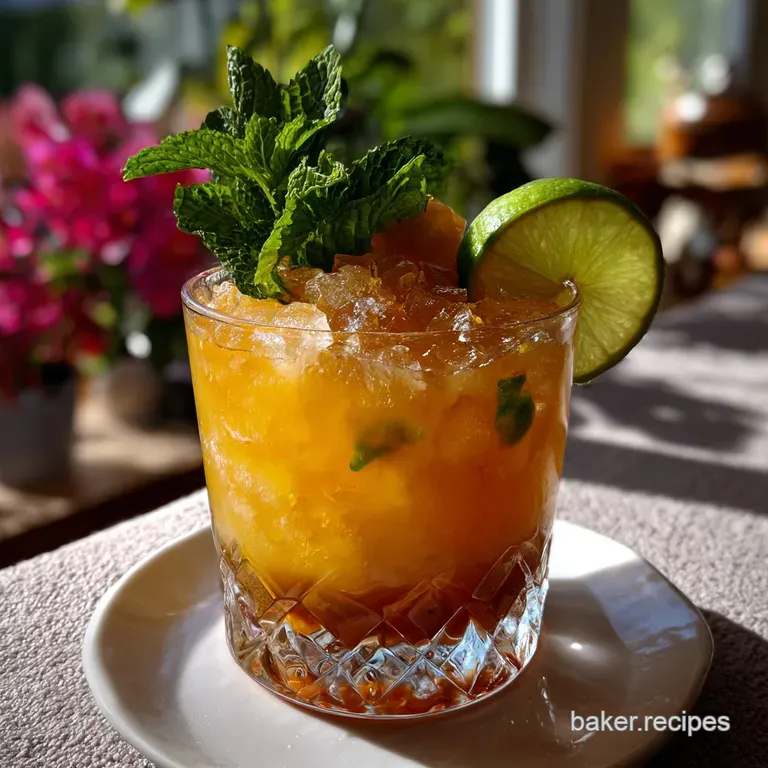
This mai tai recipe no mix ingredients approach requires a specific order of operations to ensure the spirits don't cook the lime juice before shaking. Getting the assembly order right is a key component of the mai tai ingredients process.
- Chill the double old-fashioned glass with extra ice. Note: Reduces thermal shock when pouring.
- Measure 1 oz freshly squeezed lime juice into the small tin of your shaker. Note: Acid goes first to ensure freshness.
- Pour 0.5 oz orgeat syrup over the lime. Note: Syrups should be added before spirits to check clarity.
- Add 0.25 oz rich simple syrup and 0.5 oz orange curaçao. Note: Builds the sugar base.
- Combine 1 oz aged Jamaican rum and 1 oz Martinique rhum agricole. Note: High proof spirits are added last to prevent evaporation.
- Fill the shaker with 1 cup of crushed ice. Note: Crushed ice provides immediate surface area contact.
- Shake vigorously for 10 seconds until the shaker tin is frosted and painful to hold.
- Pour the entire contents, including the ice (dirty dump), into the chilled glass. Note: Retains the dilution reached during the shake.
- Top with the remaining 1 cup of crushed ice until a snowy mound forms over the rim.
- Slap the fresh mint sprig against your wrist until the room smells like menthol.
- Insert the mint sprig and the 1 spent lime shell into the ice mound. Note: Mimics a tropical island with a palm tree.
Much like the layering required in an Irish Mudslide recipe, the order of ingredients in a Mai Tai determines the final emulsification and temperature. The chemistry of these mai tai ingredients demands respect.
Correcting Common Mixing Errors
The most common failure when handling original mai tai ingredients is improper dilution. If your drink feels "hot" (too boozy) or cloyingly sweet, the physics of your ice or your ratios are likely off.
Why Your Drink Is Too Sweet
When the drink feels heavy on the tongue, it usually stems from a breakdown in the acid-to-sugar ratio. This is often caused by using "old" lime juice that has lost its acidic punch or by using a 1:1 simple syrup instead of the required 2:1 rich syrup, which changes the water volume.
| Problem | Root Cause | The Fix | Pro Protocol |
|---|---|---|---|
| Watery Flavor | Melted "wet" ice | Use a Lewis bag for dry ice | Store crushed ice in the freezer until the exact moment of use. |
| Harsh Alcohol Burn | Insufficient shaking | Shake 5 seconds longer | Use a weighted shaker for more kinetic energy. |
| Lack of Texture | Low-quality orgeat | Use a brand with real almond oil | Look for "oil separation" in the bottle; it indicates real nuts. |
Ingredient Substitutions and Variations
If you cannot find the best mai tai ingredients locally, you must choose substitutes that mirror the chemical profile of the originals. A successful substitution hinges on matching the profile of the original mai tai ingredients.
| Original Ingredient | Substitute | Why It Works |
|---|---|---|
| Rhum Agricole (1 oz) | Cachaça (1 oz) | Both use fresh cane juice, providing that essential grassy/earthy funk. |
| Orgeat Syrup (0.5 oz) | Amaretto + Almond Extract | Mirrors the nuttiness but lacks the velvety texture of the fat emulsion. |
| Orange Curaçao (0.5 oz) | Grand Marnier | Cognac based with orange oils; slightly sweeter but maintains the body. |
Decision Shortcut
- If you want a smokier drink, swap the Jamaican rum for a dark, overproof Demerara rum.
- If you want a lighter drink, use 2 oz of a single aged Spanish style rum (like Flor de Caña).
- If you want it "San Francisco style", add 0.5 oz of pineapple juice (though this moves away from the authentic 1944 version).
For those who enjoy fruitier, creamy variations, the Bunny Colada for recipe offers a festive way to use similar tropical spirits with a completely different texture profile.
Storage and Sustainable Practices
Storage: Fresh lime juice lasts 6 hours before the flavor flattens. Orgeat syrup, being high in fat, should be refrigerated and used within 1 month. The rums are shelf stable indefinitely. Proper storage is key to keeping your mai tai ingredients fresh.
Zero Waste: Don't discard the lime shell after squeezing. Transform: Use the "spent" lime shell as the garnish (the "island"). Science: The oils remaining in the zest provide a bitter, aromatic counterpoint to the sweet drink as you sip, utilizing every part of the fruit.
This is a classic "trash-to-treasure" bar technique.
Garnishing for Maximum Sensory Impact
The garnish is a mandatory component of the mai tai essential ingredients. Because we drink with our noses first, the mint must be vibrant. Slapping the mint is a physics based requirement; it breaks the surface capillaries of the leaves.
If the mint is wilted, shock it in ice water for 30 seconds to restore turgor pressure within the plant cells, making it stand upright and proud. The selection of mint is as important as the selection of the spirits in the mai tai ingredients list.
The spent lime shell represents the "sun" or the "island" in the glass. Place it skin side up on the ice. This isn't just for looks the residual oils in the skin will be picked up by your fingers as you hold the glass, adding an extra layer of citrus fragrance to the experience.
Proportional Adjustments
Scaling Down (Half Drink)
- Rums: Use 0.5 oz of each.
- Glass: Use a smaller 6 oz coupe; reduce shaking time by 20% to avoid over dilution in a smaller volume.
Scaling Up (Batching for 4)
- Flavor (Spices/Syrups): Scale orgeat and simple syrup to 1.5x, not 2x. High sugar components become overwhelming in large batches.
- Liquids: Reduce lime juice by 10% if batching more than 2 hours in advance to account for acid degradation.
- The Physics: Never shake more than two drinks at once. Pan crowding (or shaker crowding) prevents the ice from moving fast enough to create the necessary foam and chill.
Clarifying Classic Cocktail Myths
Myth: A Mai Tai must contain pineapple or orange juice. Truth: The 1944 original was strictly rum, lime, orgeat, and orange liqueur. Adding juices turns it into a "Planter's Punch" variant, masking the quality of the rums.
Myth: The darker the rum, the better the drink. Truth: Color is often just added caramel. The "funk" and ester count (chemical compounds formed during fermentation) are what matter, not the shade of the liquid.
Choosing the right rums is the most critical decision when preparing mai tai ingredients.
Myth: You can't over shake a drink with crushed ice. Truth: Over shaking leads to "over dilution," where the water content exceeds 30% of the drink, causing the flavors of the authentic mai tai ingredients to become thin and "flabby." Stop as soon as the tin frosts.
Common Questions
What are the four essential components of an authentic Mai Tai?
Aged Jamaican Rum, Rhum Agricole, fresh lime juice, and orgeat syrup. These four form the required base profile to achieve the correct balance of funk and acidity. The ratio must be strictly followed for flavor integrity.
Is simple syrup an acceptable substitute for orgeat?
No. Simple syrup lacks necessary almond fat and texture. Orgeat provides essential emulsification via suspended almond oils, creating the signature velvety mouthfeel. Using syrup results in a thin, unbalanced sweetness.
Can I substitute bottled lime juice for fresh lime juice?
No. Bottled juice significantly flattens the flavor profile. Bottled lime juice has oxidized, losing the bright limonene oils necessary to cut through the syrups' richness. If you master the acidic cut in this recipe, see how the same principle applies to balancing flavors in our Foolproof Dandelion Syrup Recipe Earthy Nectar for Cocktails.
Myth: A Mai Tai must contain pineapple or orange juice.
Myth: A Mai Tai must contain pineapple or orange juice. Reality: The 1944 original was strictly rum, lime, orgeat, and orange liqueur. Adding juices dilutes the profile, creating a Planter's Punch variant.
Is shaking time affected by using two different rums?
No. Shaking time remains consistent for optimal dilution. The combined proof of the split base spirits requires the standard 10-second vigorous shake to achieve the 20-25% required dilution.
Achieving this rapid chilling without over diluting is similar to the precision required for emulsification in other recipes.
What is the purpose of 'slapping' the mint garnish?
Slapping the mint ruptures leaf cells releasing menthol vapors. This mechanical action releases aromatic compounds like carvone that hit the olfactory senses first, priming the palate. If you enjoy balancing volatile aromatics like this, try the technique in our Foolproof Rosemary Syrup Recipe for Cocktails Baking where crushing releases essential oils.
Myth: Darker rums always result in a superior Mai Tai flavor.
Myth: Darker rums always result in a superior Mai Tai flavor. Truth: Color often comes from added caramel coloring; the critical factor is the ester count and fermentation profile of the rum. Focus on aged Jamaican funk over mere darkness.
Authentic Mai Tai Ingredients
Ingredients:
Instructions:
Nutrition Facts:
| Calories | 261 kcal |
|---|---|
| Protein | 0.2 g |
| Fat | 0.5 g |
| Carbs | 24 g |
| Fiber | 0.1 g |
| Sugar | 22 g |
| Sodium | 5 mg |
