The Grand Duchess Authentic Neapolitan Sfogliatelle Riccia
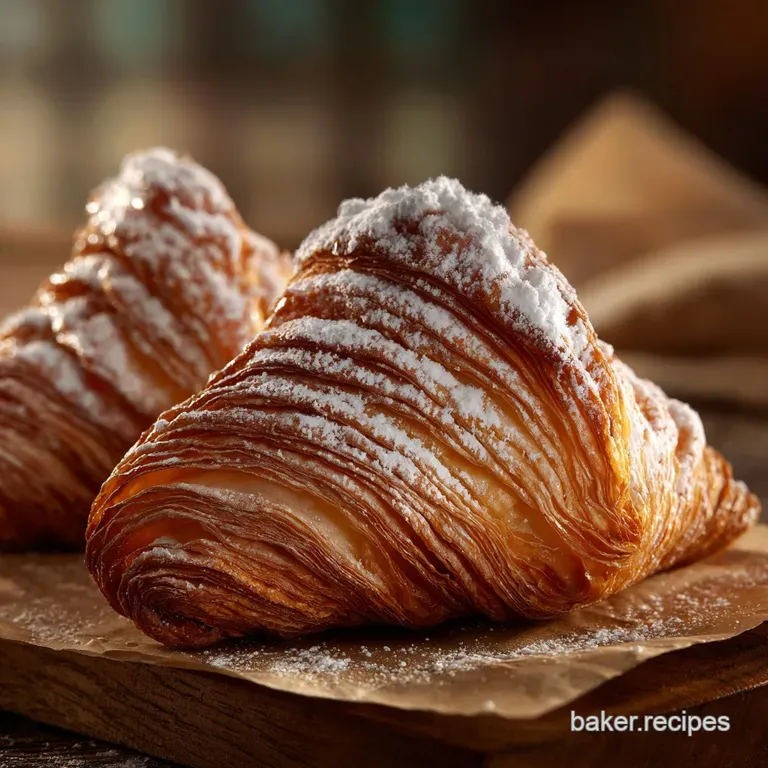
Conquering the Mount Everest of Italian Pastry
The moment you encounter a perfectly formed sfogliatelle , you understand why it holds legendary status in the baking world. This exquisite, shell shaped delight the quintessential sfogliatelle napoletane —is far more than just a sweet treat; it is a declaration of culinary passion.
While many quick recipes promise shortcuts, the truth remains: achieving that impossibly crisp, fluted texture requires patience and absolute precision. It is an undertaking that separates the enthusiastic home baker from the true pastry artisan.
When done correctly, the result is a breathtaking, layered Italian pastry that shatters upon impact, revealing a creamy, fragrant heart.
The Royal History of this Fluted Shell
The story of the sfogliatelle is deeply rooted in the monastic tradition of Southern Italy. It is believed that this intricate pastry was first conceived in the 17th century at the convent of Santa Rosa, nestled near Salerno on the Amalfi Coast.
An imaginative nun, utilizing leftover semolina and ricotta, supposedly created the pastry's earliest form. When the recipe eventually made its way to Naples, specifically via the famous Pasticceria Pintauro in the early 19th century, it was refined into the delicate, recognizable clam shell we know and adore today.
Mastering this authentic sfogliatelle recipe is not just baking; it is participating in centuries of Italian culinary heritage.
Sfogliatelle Riccia vs. Frolla: Understanding the Texture Divide
When discussing sfogliatelle , it is essential to distinguish between the two primary formats: riccia (curly) and frolla (shortcrust). While both feature the same classic ricotta semolina filling, their exteriors define them completely.
The sfogliatelle frolla is encased in a simple, sweet, crumbly shortcrust dough, making it far easier and quicker to prepare. Our focus here, however, is the majestic riccia .
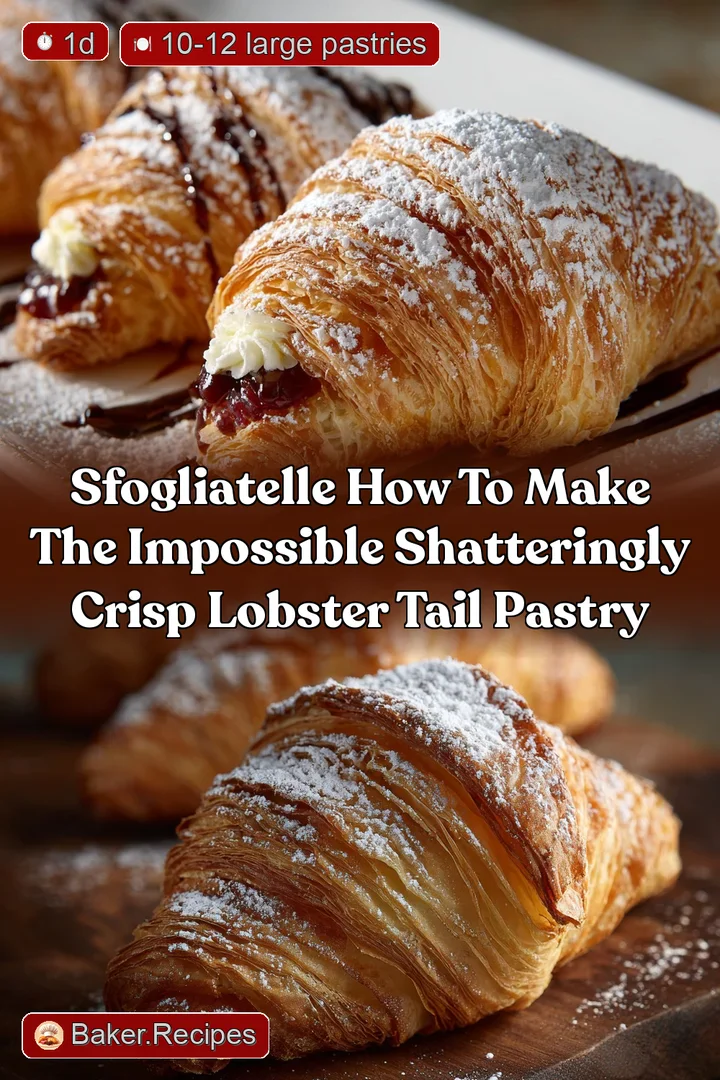
This is the famous shell defined by dozens of wafer thin, shatteringly crisp layers often referred to as the 'lobster tail' because of its unique profile. Achieving the riccia texture is what elevates this specific sfogliatelle pastry into a category all its own, demanding the intricate lamination process we are about to undertake.
Why This Recipe Requires Dedication (And Why It’s Worth It)
Let’s be honest: learning how to make sfogliatelle is a commitment. This is not a pastry you whisk up in an afternoon. The process involves extended resting times, most notably the critical 24-hour curing period for the rolled dough coil.
The high protein dough must be kneaded extensively and then stretched into sheets so thin they are nearly transparent. This layering process, followed by the rigorous shaping, requires both physical effort and focused concentration.
Dedication ensures that the final product delivers the textural complexity the contrast between the impossibly crisp exterior and the smooth, scented filling that justifies the effort. The payoff is a pastry experience that transcends anything bought from a standard bakery.
The Anatomy of the Perfect Sfogliatelle Shell and Filling
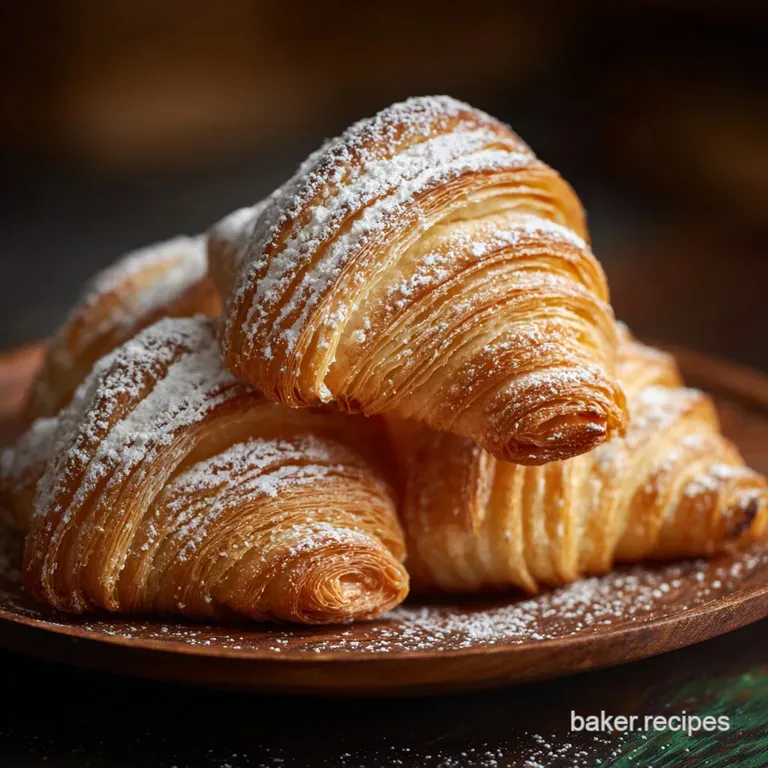
Successful sfogliatelle hinges entirely on the quality and structure of its two core components: the shell and the filling. Every ingredient choice and preparation step must be geared toward absolute moisture control and optimal texture formation.
Achieving the Crispiest Layers: Mastering the Lard/Butter Blend
The signature flakiness of the sfogliatelle pastry layers is not achieved by butter alone, as commonly used in French patisserie. The traditional and essential element here is pure pig lard, supplemented by a small amount of unsalted butter for flavour.
Lard has a higher melting point and 100% fat content, unlike butter which contains about 20% water. This unique composition prevents the layers from steaming and gluing together during baking.
By blending the lard and butter, we gain the crucial structural benefits of lard while retaining some of the rich dairy flavour of butter. This specific rolling fat is what allows the dough to stretch incredibly thin and the layers to remain distinct when they hit the high heat of the oven.
The Essential Tools for Ultra Thin Dough (Pasta Machines and Beyond)
To achieve the desired sfoglia (thin sheet), specialized equipment is non-negotiable. While an expert can use a rolling pin, the scale and consistency required for the authentic sfogliatelle recipe necessitate a pasta machine.
Whether manual or an attachment for a stand mixer, the pasta machine guarantees that the dough can be progressively thinned down to its maximum setting often setting #6 or #7 resulting in sheets that are paper thin and consistent across their entire length.
This uniformity is vital, as any thickness variation will result in uneven puffing and opening during the bake, compromising the defining shape of the sfogliatelle vs lobster tail structure.
Selecting the Right Ricotta for a Fragrant, Dry Filling
The primary pitfall in making the filling is excess moisture. If the ricotta is too wet, it will release steam during baking, turning the delicate shell soggy and preventing the layers from separating. Therefore, selecting a high-quality, whole milk ricotta and draining it properly is paramount.
The ricotta must be placed in a fine mesh sieve lined with cheesecloth and allowed to drain in the refrigerator for a minimum of four hours, but ideally overnight. This process yields a dense, dry cheese base ready to absorb the flavourings sugar, citrus zest, cinnamon, and the traditional candied orange peel creating a robust and fragrant core.
Prepping the Semolina Base for Optimal Moisture Control
The use of semolina is a hallmark of the classic sfogliatelle napoletane filling. Its function is two-fold: texture and stabilization. Before mixing it into the dried ricotta, the fine semolina must be cooked briefly with water until it forms a thick, stiff porridge.
Once cooled, this cooked grain acts as an absorbent agent, effectively binding any small amount of residual moisture in the ricotta and sugar mixture. This ensures the filling holds its structure perfectly under the stress of high heat, preventing blowouts and maintaining the integrity of the fragile, surrounding sfogliatelle pastry .
The Intricate Process of Layering and Shaping the Sfogliatelle
The true artistry of this demanding sfogliatelle recipe lies in transforming simple dough into the complex, layered coil the engine of the riccia shell.
Mixing the Impasto: Developing the Dough's Structure
The foundation of the shell is the impasto (dough). Because it must withstand extreme stretching, the dough requires a high protein flour (like bread flour) and extensive kneading typically 8 to 10 minutes in a stand mixer.
This lengthy kneading period is essential for fully developing the gluten network, resulting in a stiff, smooth, yet highly elastic dough. Without this strong structure, the dough would tear apart instead of stretching into the necessary translucent sheets.
The Critical 'Curing' Stage: Why Resting Time is Non-Negotiable
There are two major rests in the process. First, the initial 1 2 hour room temperature rest allows the strong gluten bonds to relax, making the dough pliable enough to begin the lamination process. However, the most critical rest is the curing stage of the finished coil.
Once the paper thin sheets are rolled with the fat into a tight log, this coil must be chilled for 18 to 24 hours. This prolonged rest allows the lard/butter mixture to solidify completely, locking the layers in place.
Attempting to slice or shape a warm or loosely chilled coil will smear the fat across the layers, resulting in a tough, un-flaky dough rather than the signature flaky layered Italian pastry .
Stretching the Sfoglia: Techniques for Achieving Transparency
Achieving the perfect sfoglia is where the pasta machine truly shines. The dough must be fed through the machine multiple times, gradually decreasing the setting until the sheet is translucent you should be able to faintly see your hand through it.
This extreme thinness is necessary because, once brushed heavily with the rolling fat, the sheet will be rolled upon itself multiple times in the final coil. The thinner the starting sheet, the more delicate and numerous the final cooked layers will be.
Crafting the Cone: Rolling and Tightly Sealing the Shells
Once the long, lubricated sheet is prepared, the magic of the sfogliatelle begins with the rolling. Starting from the short end, the dough must be rolled as tightly as possible, creating a dense, continuous log.
Tightness is key to ensuring that when the coil is later sliced, the layers are compressed and ready to spring open beautifully when baked. After the 24-hour rest, the cold, rigid coil is sliced into 1 cm thick discs.
To form the final shell, the baker takes a disc and uses the thumb to press into the centre, gently coaxing the edges open and stretching the dough into a conical shape or pocket, carefully ensuring the layered edges fan out but remain intact.
Mastering the Details: Troubleshooting and Serving Your Neapolitan Jewels
After the intensive preparation required for this magnificent sfogliatelle recipe , the final steps ensure your pastries emerge from the oven looking like true Neapolitan jewels.
Preventing Splits and Cracks: Common Pitfalls in Sfogliatelle Shaping
The most common failure in shaping the sfogliatelle is tearing the delicate laminated layers or having the filling burst out. When forming the pocket from the sliced disc, the key is to press gently but firmly into the centre dough where the layers are thinnest while allowing the outer, layered edges to stretch and fan naturally.
Avoid pulling the outer edges aggressively. If the dough starts to stick during this process, a very light oiling of the work surface (using some of the leftover lard mix) can help it slide rather than tear.
On top of that,, never overfill the cone; too much filling creates internal pressure that will inevitably crack the shell during the crucial baking phase.
Optimal Storage and Freezing: Pre-Baked vs. Fully Baked Shells
One of the great advantages of how to make sfogliatelle is the ability to prepare the shells ahead of time. The filled, unbaked sfogliatelle freeze exceptionally well.
Arrange the shaped pastries on a baking sheet, flash freeze them until solid, and then transfer them to an airtight container. They can be baked directly from frozen (adding a few extra minutes to the baking time).
While fully baked sfogliatelle are best eaten fresh, they can be stored at room temperature for a day and crisped up briefly in a warm oven before serving.
Adding Aromatic Flair: Zest, Spices, and Optional Candied Fruit
The filling's aroma is just as important as the shell’s texture. Traditional sfogliatelle napoletane rely heavily on citrus specifically, fresh orange zest and diced candied orange peel.
These ingredients provide the essential fragrant lift that cuts through the richness of the ricotta and lard. A subtle inclusion of pure vanilla extract and a light dusting of ground cinnamon completes the profile, offering a warm spice note that is immediately recognizable as the classic, authentic flavour of this layered Italian pastry .
Serving Suggestions: Presenting Your Fluted Masterpiece
When your sfogliatelle emerge from the oven, their layered exterior fully opened and gloriously golden brown, they are a sight to behold. To honour this achievement, simple presentation is best. Serve them warm, allowing the heat to release the beautiful scents of citrus and cinnamon.
The final, essential touch is a generous, snow white dusting of powdered (icing) sugar. Pair these incredible shells whether you call them sfogliatelle or sfogliatelle vs lobster tail —with a piping hot, strong espresso or, for a more celebratory approach, a chilled glass of slightly sweet Moscato d'Asti.
The crunch, the creaminess, and the fragrance combine for a moment of pure Neapolitan bliss.
Recipe FAQs
My sfogliatelle layers didn't open up like a proper lobster tail! What did I do wrong?
Don't fret, this is the trickiest part, often resulting from insufficient chilling or too much filling. The key is that the dough coil must be absolutely rock hard when you slice it think of it as slicing through a cricket bat, not bread. If the fat is soft, the layers smear together instead of separating.
Secondly, ensure you don't overfill the pastry pocket, as ricotta that oozes out will essentially glue the delicate layers together, preventing that wonderful, flaky explosion during baking.
I can't get hold of lard. Is there a proper British substitute that works for the lamination?
Lard (especially pure pork lard) is traditional because it has a neutral flavour, a very high melting point, and contains zero water, which is crucial for perfect layers. If you must substitute, the best alternative is high-quality, high ratio vegetable shortening.
Mix this with a small amount of softened unsalted butter to maintain that rich flavour, but whatever you do, avoid using just butter, as its high water content will generate steam and make your pastry tough rather than impossibly crisp.
This recipe takes ages. Can I make the dough coil ahead of time, and how long do the baked pastries keep?
Good heavens, yes! Sfogliatelle is designed to be a slow project, and the coil is perfect for make-ahead convenience. Once tightly wrapped, the unbaked coil can be refrigerated for up to three days or frozen for two months; just remember to thaw it overnight before slicing.
Once they emerge golden from the oven, they are truly best eaten on the day for maximum shatter, but they will keep for 1 2 days in an airtight container at room temperature. A quick 5-minute warm-up in a hot oven will often restore much of their former glory.
Is it really essential to use a pasta machine, or can I just use a rolling pin?
We wouldn't want to mislead you; for truly authentic, thin riccia layers, a pasta machine is non-negotiable. Trying to roll the dough consistently down to the necessary near translucent thickness (less than a millimetre) by hand is a Herculean task, reserved only for seasoned Italian grandmothers and perhaps the odd pastry wizard.
The machine guarantees the evenness and thinness required for the dramatic layer expansion when baked.
I’m not keen on candied peel. Are there any traditional or simple variations for the ricotta filling?
Absolutely, while candied orange peel is the classic Neapolitan touch, feel free to adapt! A delicious variation is to swap the peel for finely chopped dark chocolate chips and perhaps a splash of Amaretto or rum for warmth.
Alternatively, you can incorporate dried sour cherries (like Amarena cherries) for a tangy counterpoint to the sweet ricotta. Just remember to keep the semolina base consistent to ensure the filling remains firm enough during the bake.
Authentic Neapolitan Sfogliatelle Pastry
Ingredients:
Instructions:
Nutrition Facts:
| Calories | 520 kcal |
|---|---|
| Protein | 8.8 g |
| Fat | 19.7 g |
| Carbs | 70.4 g |
| Fiber | 7.5 g |
| Sodium | 4331 mg |
