Baked Salmon in Foil Recipe: Silky & Flaky
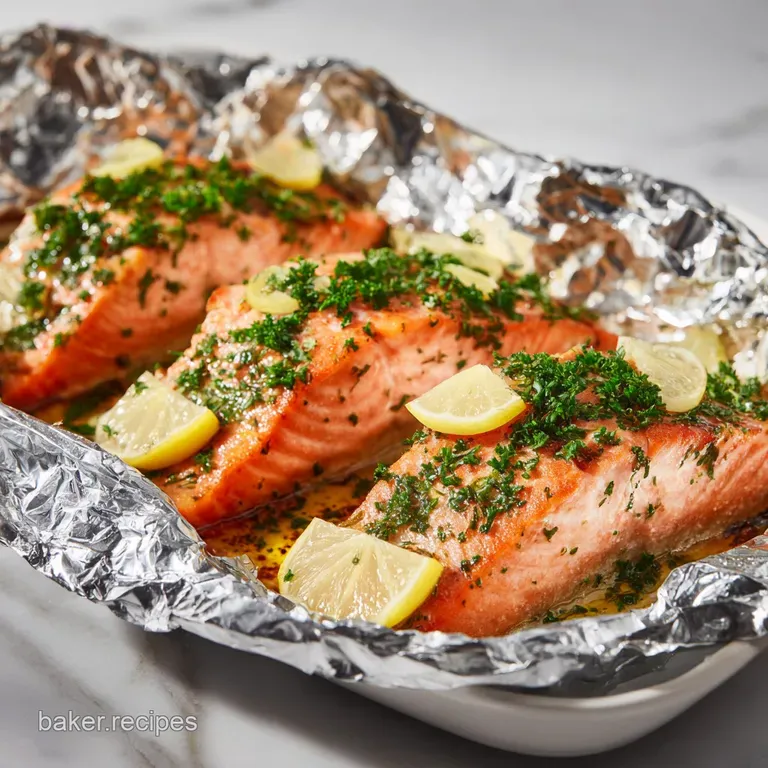
- Time: Active 10 minutes, Passive 20 minutes, Total 30 minutes
- Flavor/Texture Hook: Silky, garlic infused flakes with a citrus finish
- Perfect for: Busy weeknight dinners and low mess meal prep
- The Best Savory Baked Salmon in Foil Recipe
- Essential Metrics for Flawless Salmon Results
- Selecting the Best Ingredients for Rich Flavor
- Simple Tools for the Best Prep
- How to Execute This Quick Method
- Avoiding Common Mistakes With Baked Salmon
- Simple Guidelines for Scaling the Dish
- Why the Myths Don't Hold Water
- Storing and Reheating Your Healthy Baked Salmon
- How to Serve Your Foil Packet Salmon Beautifully
- Recipe FAQs
- 📝 Recipe Card
The Best Savory Baked Salmon in Foil Recipe
You know that specific sizzle when cold lemon juice hits a hot, buttery fillet? That is the sound of a Tuesday night being saved. I remember the first time I tried this; I was terrified of overcooking the fish into a dry, rubbery brick.
I wrapped it in a foil pouch almost by accident, hoping it might stay moist, and the result was a revelation.
When I peeled back that foil, the aroma of roasted garlic and bright lemon practically filled my kitchen. The salmon wasn't just cooked; it was velvety and practically melted on the tongue. It changed how I viewed seafood forever. No more hovering over a pan, praying I don't burn the skin.
This method is essentially foolproof because the foil acts like a protective shield. You get all the flavor of the garlic herb infusion without the stress of traditional searing. We are going to walk through exactly how to get that flaky texture without the mess, and trust me, your dishwasher will thank you.
Essential Metrics for Flawless Salmon Results
The Steam Chamber Effect: The foil traps evaporating moisture from the lemon juice and butter, circulating it around the fish to prevent protein fibers from tightening and drying out. This creates a gentle, humid environment that mimics high end sous vide cooking without the expensive equipment.
Quick Doneness Reference Guide
| Fillet Thickness | Internal Temp | Rest Time | Visual Cue |
|---|---|---|---|
| 1.5 cm | 63°C | 3 minutes | Flakes easily with fork |
| 2.5 cm | 63°C | 5 minutes | Center is opaque/pale pink |
| 3.5 cm | 63°C | 5 minutes | Minimal white albumin visible |
Selecting the right cut of fish is just as important as the temperature of your oven. I always suggest a center cut piece because the uniform thickness ensures the tail doesn't turn to cardboard while the middle is still raw. If you're looking for another reliable seafood dish, you should check out the technique in this How to Make recipe for a different texture profile.
Ingredient Deep Dive
| Ingredient | Science Role | Pro Secret |
|---|---|---|
| Salmon (680g) | Main Protein | Bring to room temperature for 15 minutes before baking. |
| Unsalted Butter (45ml) | Fat Barrier | Coats the protein to prevent moisture loss during the bake. |
| Fresh Garlic | Aromatics | Mince it finely so the oils release into the butter quickly. |
| Lemon Juice | Denaturant | The acid starts "cooking" the surface, adding a bright tang. |
Selecting the Best Ingredients for Rich Flavor
- 680g Salmon Fillet: I prefer center cut for even cooking. Why this? Thick cuts stay much juicier than thin tail pieces in the oven.
- Substitute: Arctic Char. It has a similar fat content and rich color.
- 1 tsp Kosher Salt: Use a coarse grain for better coverage. Why this? Salt draws out proteins to the surface for a better "crust" feel.
- Substitute: Sea salt. Use slightly less as it can be saltier by volume.
- 0.5 tsp Black Pepper: Freshly cracked is non negotiable here. Why this? Pre ground pepper loses its floral spice notes very quickly.
- Substitute: White pepper for a more subtle, earthy heat.
- 1 Large Lemon: We use both the juice and the rounds. Why this? Slices act as a thermal buffer between the foil and fish.
- Substitute: Lime. It offers a more tropical, sharp acidity.
- 45 ml Unsalted Butter: Melted to carry the garlic flavor. Why this? Butter provides a richer mouthfeel than oil alone.
- Substitute: Ghee. Higher smoke point and a deeper, nutty flavor.
- 15 ml Extra Virgin Olive Oil: Mixed with the butter. Why this? It helps prevent the butter from browning too fast.
- Substitute: Avocado oil. Very neutral and heart healthy.
- 4 Cloves Fresh Garlic: Must be fresh, not the jarred stuff. Why this? Jarred garlic has a metallic aftertaste that ruins delicate fish.
- Substitute: 1 tsp garlic powder in a pinch, but it lacks the punch.
- 15 ml Honey: Just enough to balance the acid. Why this? Honey helps with slight caramelization under the broiler later.
- Substitute: Maple syrup. Adds a lovely autumnal sweetness.
- 30 ml Fresh Parsley: Chopped for a burst of color. Why this? It cuts through the richness of the butter and salmon fat.
- Substitute: Fresh dill. It is the classic herbal partner for salmon.
Simple Tools for the Best Prep
You don't need a kitchen full of gadgets for this baked salmon in foil recipe. A standard rimmed baking sheet is your best friend here because it catches any stray juices that might leak from the packets.
You'll also need a large sheet of heavy duty aluminum foil; the thin stuff tends to rip when you try to fold the edges, which lets all that precious steam escape.
A small whisk or even a fork is perfect for emulsifying the honey and butter mixture. I also highly recommend an instant read meat thermometer. It is the only way to be 100% sure your fish is safe to eat without being overdone. If you love a good sauce heavy dish, this Lemon Butter Sauce recipe uses similar tools and flavors to incredible effect.
Fresh vs Shortcut Comparison
| Component | Fresh Method | Shortcut (Jarred/Dried) |
|---|---|---|
| Garlic | Sharp, pungent, buttery | Milder, slightly bitter, convenient |
| Lemon | Zesty, aromatic oils | Mostly acidic, lacks fragrance |
| Herbs | Vibrant, grassy, fresh | Concentrated, can taste "dusty" |
How to Execute This Quick Method
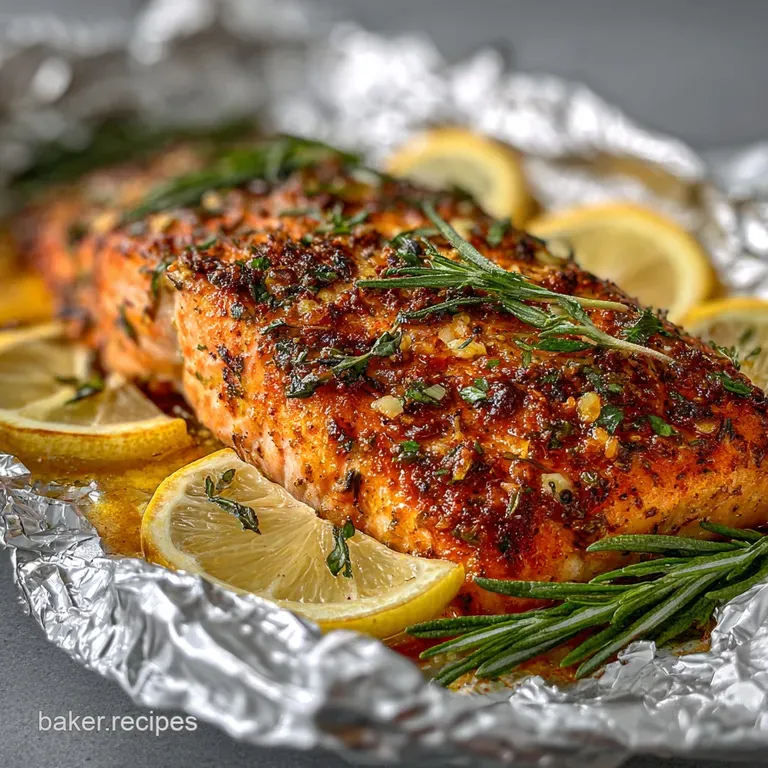
1. Preparing the Foil Foundation
Preheat your oven to 200°C. Lay a large piece of foil on your baking sheet and place the lemon slices in the center to create a bed for the fish. Note: This prevents the skin from sticking to the foil.
2. Seasoning the Protein
Pat the 680g of salmon completely dry with paper towels. Place it on top of the lemon slices and season generously with 1 tsp salt and 0.5 tsp black pepper.
3. Emulsifying the Signature Glaze
In a small bowl, whisk together 45 ml melted butter, 15 ml olive oil, 4 cloves of minced garlic, 15 ml honey, and half of the lemon juice. The mixture should look thick and cloudy.
4. Applying the Flavor
Pour the garlic butter mixture over the salmon, using a spoon to spread it evenly into every crevice. Note: Make sure the honey is fully dissolved into the fat.
5. Mastering the Seal
Fold the sides of the foil up over the salmon and crimp the edges tightly to create a sealed tent. Leave a little space above the fish for air to circulate.
6. The Initial Bake
Slide the tray into the oven and bake for 15 minutes. You should hear a faint sizzling sound from the butter inside.
7. Executing the Broil Finish
Carefully open the foil (watch out for the steam!) and turn the oven to the broiler setting. Broil for 3 minutes until the edges are slightly charred and golden.
8. The Final Garnish
Remove from the oven and sprinkle with 30 ml of fresh parsley or dill. Squeeze the remaining lemon juice over the top just before serving.
Avoiding Common Mistakes With Baked Salmon
Chef's Tip: Freeze your butter for 10 minutes before melting it. This might sound counterintuitive, but it helps the milk solids stay slightly more stable when you whisk it with the honey, creating a thicker glaze that doesn't just run off the fish.
Common Troubleshooting
| Problem | Root Cause | Solution |
|---|---|---|
| Tough/Rubbery Fish | Internal temp exceeded 65°C | Pull the fish at 60°C; carryover cooking does the rest. |
| Gray Surface | No air space in foil | Leave a "tent" above the fish so it doesn't just boil in juice. |
| Soggy Bottom | Lemon slices were too thin | Cut lemon rounds at least 0.5 cm thick to act as a rack. |
Mistake Prevention Checklist
- ✓ Always pat the salmon dry; moisture on the surface prevents the glaze from sticking.
- ✓ Don't skip the resting period; it allows the juices to redistribute through the flakes.
- ✓ Use heavy duty foil to prevent accidental punctures and steam leaks.
- ✓ Check the thickest part of the fillet with a thermometer, not just the edge.
- ✓ Ensure the oven is fully preheated before the tray goes in to start the steam immediately.
Simple Guidelines for Scaling the Dish
If you're cooking for a crowd and need to double the recipe, don't just use one massive piece of foil. It is much better to make two separate packets. This ensures the heat can circulate around each fillet evenly.
For the spices, I usually only increase the salt and pepper to 1.5x the original amount to avoid over seasoning, as the flavor becomes more concentrated in larger batches.
When scaling down for one person, you can use a small toaster oven. Just reduce the baking time by about 2 or 3 minutes, as the smaller space heats up significantly faster. Always use the same amount of garlic, though one clove is never enough!
Quick Fix Guide
| Problem | Cause | Fix |
|---|---|---|
| Too much white stuff | Cooked too fast/hot | Reduce oven temp by 10°C next time. |
| Garlic is burnt | Broiled too close to heat | Move the rack down one level for the broil. |
| Glaze is too thin | Not enough honey | Whisk in a teaspoon of mustard to help emulsify. |
Why the Myths Don't Hold Water
You've probably heard that you must wash your fish before cooking. Please don't do this! It just splashes bacteria around your sink and makes the salmon surface too wet to take on any flavor. The heat of the oven is more than enough to handle anything on the surface.
Another classic myth is that the "white stuff" (albumin) means the fish is bad. In reality, it is just a protein that gets pushed out when the muscle fibers contract too quickly. If you see a lot of it, it usually just means you cooked it a bit too fast or at too high a temperature.
It's perfectly safe to eat, though you can gently scrape it off for a better presentation.
Storing and Reheating Your Healthy Baked Salmon
Storage Guidelines
You can keep leftover salmon in an airtight container in the fridge for up to 3 days. I don't recommend freezing cooked salmon if you want to maintain that velvety texture, as the ice crystals will break the delicate flakes and make it mushy upon thawing.
If you must freeze it, do so for no more than 1 month and use it in a chowder or pasta bake later.
Zero Waste Tips
Don't throw away those leftover skins or lemon rounds! The salmon skin can be pan-fried until it's like a salty cracker I call it "sea bacon." The lemon rounds that cooked under the fish are packed with savory garlic flavor; I often chop them up and stir them into a quick couscous or quinoa salad the next day.
It adds a deep, caramelized citrus note that you can't get from fresh juice.
How to Serve Your Foil Packet Salmon Beautifully
If you want that "wow" factor, don't just slide the fish onto a plate. Bring the entire foil packet to the table and open it in front of your guests. The release of steam and aroma is a sensory experience all on its own.
For a bit of extra color, I like to add a few fresh pomegranate arils or a dusting of smoked paprika at the very end.
- If you want a crunchier finish, sprinkle toasted panko breadcrumbs over the top after broiling.
- If you want a creamy element, serve a dollop of Greek yogurt mixed with dill on the side.
- If you want a spicy kick, add a teaspoon of red chili flakes to the butter mixture before baking.
Right then, you're all set to master this baked salmon in foil recipe. It's a reliable, flavor packed way to get a high-quality meal on the table without the mountain of dishes. Just remember: tent the foil, watch the clock, and don't skimp on the garlic. Happy cooking!
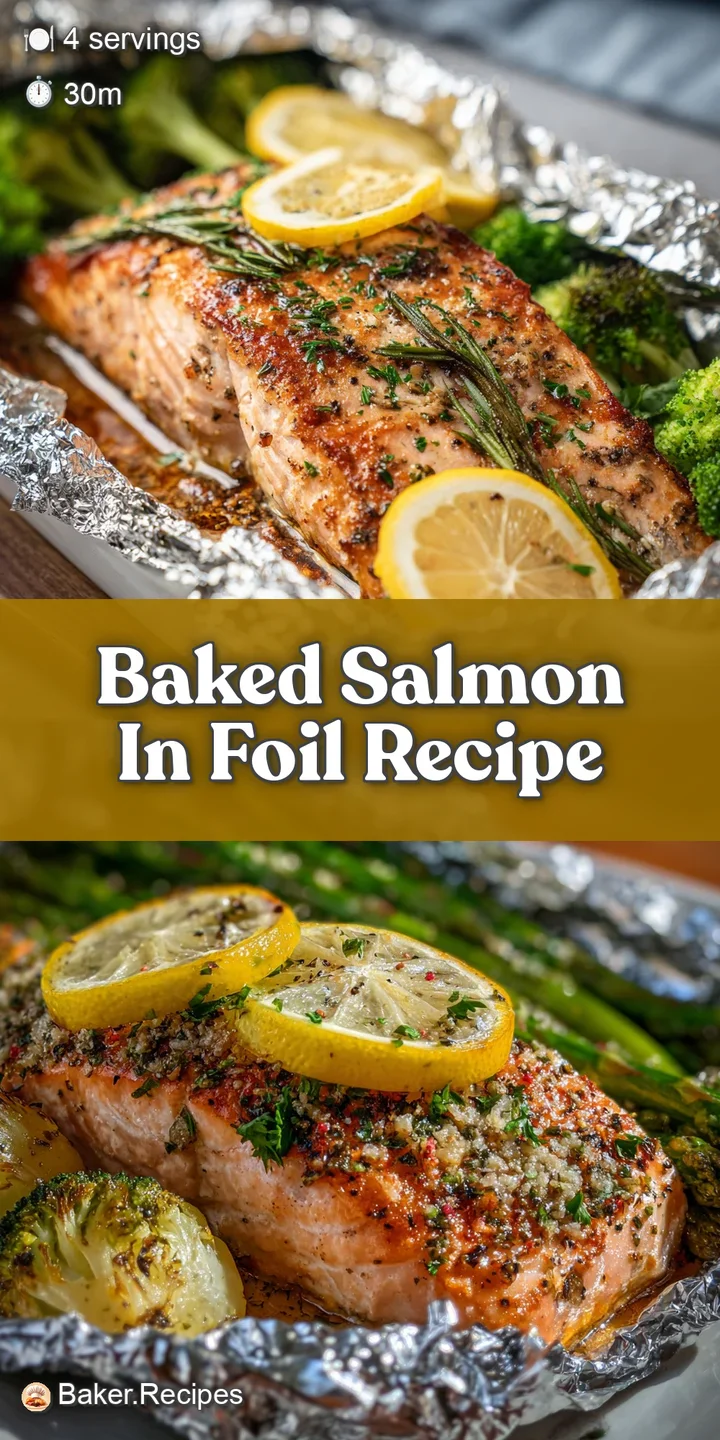
Recipe FAQs
How long does salmon take in the oven wrapped in foil?
15 to 20 minutes at 200°C (400°F). The exact time depends heavily on the thickness of your fillet; aim for an internal temperature of 63°C (145°F) at the thickest part.
Is it better to bake salmon at 350 or 400 in foil?
400°F is generally better for foil wrapped salmon. The higher heat starts the steam chamber faster, locking in moisture quickly before the fish has a chance to dry out, especially if you finish with a quick broil.
Is it okay to cook salmon on aluminum foil?
Yes, aluminum foil is safe and ideal for this method. It creates the necessary airtight seal to trap steam, which is crucial for keeping the salmon flaky and moist.
Is it better to bake salmon on parchment paper or aluminum foil?
Aluminum foil is superior for baking salmon pockets. Parchment paper is non-stick but will not create the same airtight seal needed to trap the steam effectively, resulting in less moist fish.
How do I ensure my foil baked salmon flakes easily?
Use a slightly elevated bed of aromatics, like lemon slices, inside the packet. This keeps the fish skin slightly off the direct foil surface, allowing the steam to circulate evenly around the entire fillet.
What is the secret to balancing the richness in this foil packet method?
Balance the butter and honey with acid and fresh herbs. The acid from the lemon cuts the richness, and the fresh parsley brightens the whole profile. If you enjoyed mastering the flavor balancing act here, see how the same principle works in our Sunshine Pineapple Casserole recipe.
How do I prevent the salmon from getting a rubbery texture in the foil?
Pull the salmon from the oven when the internal temperature reaches 60°C (140°F). The residual heat, or carryover cooking while resting for five minutes, will bring it up to the safe 63°C without overcooking the delicate proteins.
Baked Salmon In Foil Recipe
Ingredients:
Instructions:
Nutrition Facts:
| Calories | 481 kcal |
|---|---|
| Protein | 34.4 g |
| Fat | 34.1 g |
| Carbs | 5.8 g |
| Fiber | 0.4 g |
| Sugar | 4.3 g |
| Sodium | 584 mg |
