The Best Chicken Marinade Recipe: Succulent & Zesty
- Time: Active 10 minutes, Passive 30 minutes, Total 40 minutes
- Flavor/Texture Hook: Zesty, herbal, and supple
- Perfect for: Weeknight meal prep or backyard summer grilling
- Creating the best chicken marinade recipe for Results
- The Chemistry of Why Acid Tenderizes Meat
- Quick Specs for Your Next Prep Session
- Selecting the Most Flavorful Marinade Ingredients
- Shopping List for 2 lbs of Chicken
- Minimal Tools for a Mess Free Kitchen
- Whisking and Searing for Maximum Flavor
- Fixing Common Chicken Texture Mistakes
- Simple Swaps for Global Flavor Profiles
- Scaling for Large Groups or Small Dinners
- Busting Chicken Preparation Myths
- Saving Your Prep for Future Meals
- Serving Suggestions for a Polished Plate
- Recipe FAQs
- 📝 Recipe Card
Creating the best chicken marinade recipe for Results
The first time I really understood the power of a soak was after a disastrous Tuesday night dinner where I served what could only be described as "chicken flavored wood." I had high heat, a good pan, and expensive meat, but I skipped the prep. The result was a dry, sad mess that even a gallon of ranch couldn't save.
That failure sent me down a rabbit hole of testing ratios until I landed on this specific blend. Now, when the chicken hits the pan, the aroma of garlic and lemon creates a sharp, bright sizzle that tells me I've actually done it right this time.
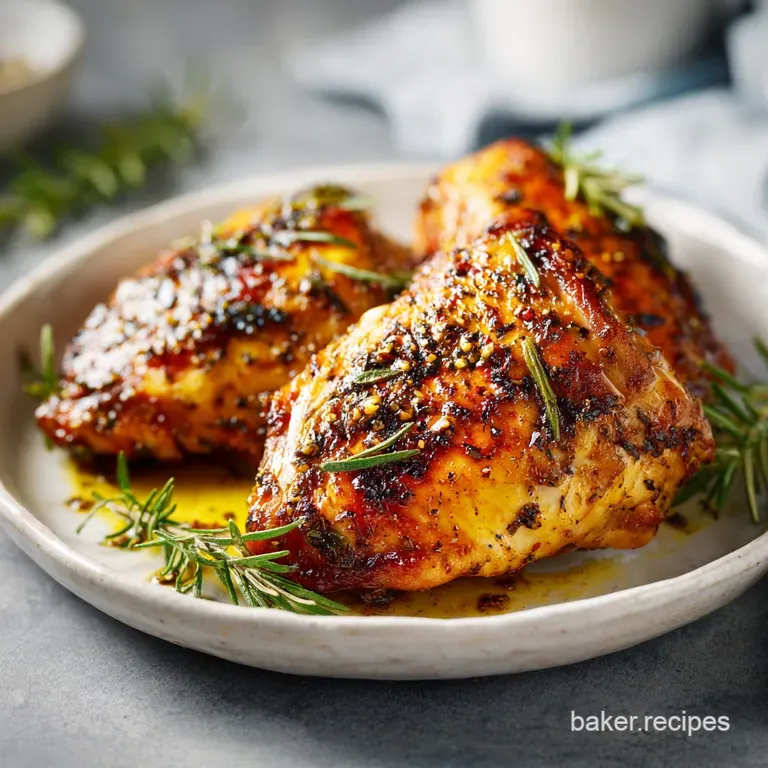
You'll notice the honey hitting the heat first, caramelizing into a golden crust that traps all those juices inside. It's not just about adding flavor to the surface; it's about changing the structure of the meat so it stays bouncy and supple even if you accidentally leave it on the grill a minute too long.
We've all been there, distracted by a conversation or a drink, and this recipe is your insurance policy against the dreaded rubbery texture. It is simple, reliable, and honestly, it's the only one I use when I need a win.
We are going to focus on building layers here. Most people just throw some bottled dressing on their meat and call it a day, but that's why their chicken tastes like "bottled dressing." By using fresh parsley and real lemon juice, you get a vibrate, velvety finish that feels like it came from a high end bistro.
Plus, it's fast. Once you've whisked this together, the hard part is over, and you can get on with your life while the science happens in the fridge.
The Chemistry of Why Acid Tenderizes Meat
Acidic Denaturation: The lemon juice and apple cider vinegar gently break down the tight protein fibers on the surface, allowing moisture to seep in.
Osmotic Balance: Soy sauce provides salt that draws flavors deep into the center rather than just coating the exterior.
The Maillard Boost: Honey and Dijon mustard work together to create a rapid brown crust that adds complex, savory notes.
| Thickness | Internal Temp | Rest Time | Visual Cue |
|---|---|---|---|
| 0.5 inch | 165°F | 3 mins | Opaque and springy |
| 1.0 inch | 165°F | 5 mins | Juices run clear |
| 1.5 inches | 165°F | 8 mins | Golden brown exterior |
Giving the meat a few minutes to rest after cooking is non negotiable if you want that velvety texture. If you cut into it immediately, all those hardworking juices will just run across your cutting board, leaving you with the dry meat we worked so hard to avoid.
Quick Specs for Your Next Prep Session
When you are looking for the best chicken marinade recipe, you want something that covers all the bases: fat for moisture, acid for zing, and sugar for color. This recipe hits every single one of those notes without requiring a trip to a specialty grocery store.
It is the kind of thing you can whip up while the coffee is brewing in the morning so dinner is basically done by the time you get home.
Chef's Tip: If you are in a rush, use a fork to poke small holes all over the chicken breasts. It creates "flavor channels" that let the marinade penetrate the center in half the usual time.
Identifying the Flavor Base
The extra virgin olive oil acts as the delivery vehicle for all the aromatics. Without it, the herbs would just slide off the meat. It also prevents sticking, which is crucial if you are using a stainless steel pan or a sticky grill grate.
Selecting the Fresh Aromatics
Fresh parsley isn't just a garnish; it adds a grassy brightness that cuts through the richness of the oil. If you only have dried parsley, don't even bother swap it for dried basil or just double the oregano instead.
Fresh garlic is also a must here; the pre minced stuff in the jar has a metallic aftertaste that can ruin the delicate lemon notes.
Choosing the Flavor Boosters
Dijon mustard is the secret hero because it acts as an emulsifier. It keeps the oil and lemon juice from separating, ensuring every square inch of the 2 lbs chicken breast gets an even coating. Similar to how we build the base in my AllPurpose Umami Bomb recipe, the soy sauce adds a deep saltiness that standard table salt just can't match.
Selecting the Most Flavorful Marinade Ingredients
| Ingredient | Science Role | Pro Secret |
|---|---|---|
| Lemon Juice (0.25 cup) | Primary Acid | Use fresh; bottled juice is too bitter |
| Extra Virgin Olive Oil (0.5 cup) | Fat/Moisture | Use high-quality oil for a peppery finish |
| Dijon Mustard (1 tbsp) | Emulsifier | Binds the oil and acid together |
| Honey (1 tbsp) | Caramelization | Promotes the Maillard reaction for crust |
You really want to make sure your oil is fresh. If your olive oil has been sitting in a clear bottle near the stove for six months, it might be rancid, which will give your chicken a weird, cardboard like flavor.
Shopping List for 2 lbs of Chicken
- 2 lbs chicken breast: Look for even thickness or pound them out before starting.
- 0.5 cup extra virgin olive oil: This provides the fat needed for a supple mouthfeel. Why this? Prevents sticking and carries fat soluble flavors from the herbs into the meat.
- 0.25 cup freshly squeezed lemon juice: The main tenderizer. Why this? Brightens the flavor while breaking down tough connective tissues.
- 2 tbsp apple cider vinegar: Adds a different dimension of tang.
- 2 tbsp soy sauce: The salt component. Why this? Deepens the color and provides an earthy savoriness (umami).
- 4 cloves minced garlic: For that classic savory punch.
- 0.25 cup chopped fresh parsley: Adds freshness and color.
- 1 tsp dried oregano: Gives a Mediterranean vibe.
- 1 tbsp Dijon mustard: Helps everything stick together.
- 1 tbsp honey: Balances the acid and helps with browning.
- 0.5 tsp black pepper: For a bit of back end heat.
- 0.5 tsp red pepper flakes: Optional, but great for a tiny kick.
Minimal Tools for a Mess Free Kitchen
You don't need a fancy kitchen setup to make this work. In fact, I usually just use a large gallon sized freezer bag because it allows for maximum surface area contact without needing to flip the chicken every ten minutes. If you prefer a bowl, a simple glass mixing bowl and a whisk will do the trick.
Avoid metal bowls if you plan on marinating for more than a couple of hours, as the acid in the lemon juice can sometimes react with the metal and leave a faint tinny taste.
If you are cooking this indoors, a heavy cast iron skillet is your best friend. It holds heat beautifully, which is exactly what you need to get that honey and soy sauce to caramelize into a dark, flavorful crust.
If you are using a standard non stick pan, just be careful not to crowd the meat, or it will steam rather than sear.
Whisking and Searing for Maximum Flavor
- Whisk the base. Combine 0.5 cup olive oil, 0.25 cup lemon juice, 2 tbsp ACV, and 2 tbsp soy sauce in a small bowl. Note: This creates your liquid foundation.
- Add aromatics. Stir in 4 cloves minced garlic, 0.25 cup parsley, and 1 tsp oregano until the herbs are evenly distributed.
- Emulsify the mixture. Add 1 tbsp Dijon mustard and 1 tbsp honey, whisking vigorously until the mixture looks creamy and unified.
- Season the blend. Drop in 0.5 tsp black pepper and 0.5 tsp red pepper flakes.
- Prep the chicken. Place 2 lbs chicken breast into a large bag or dish.
- Coat the meat. Pour the mixture over the chicken until every piece is fully submerged.
- Chill and soak. Refrigerate for at least 30 minutes. Note: Do not exceed 12 hours or the acid will turn the meat mushy.
- Preheat the pan. Get your skillet hot over medium high heat with a splash of oil until a drop of water dances and evaporates.
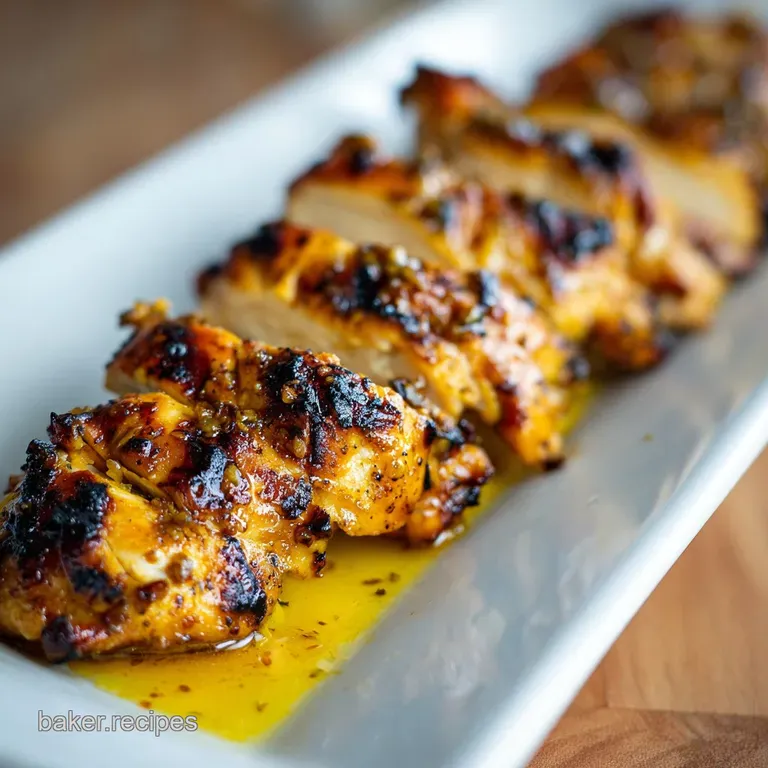
- Sear the chicken. Cook for 5-6 minutes per side until the exterior is charred and the center is opaque.
- Rest the meat. Remove from heat and wait 5 minutes until the internal temperature hits 165°F.
Fixing Common Chicken Texture Mistakes
Fixing Rubbery Chicken Breasts
If your chicken feels like a bouncy ball, you likely overcooked it or didn't use enough fat in the soak. Overcooking causes the protein fibers to tighten up and squeeze out all the water.
Next time, use a meat thermometer to pull the chicken at 160°F; the carryover heat will bring it to the safe 165°F while it rests.
Preventing a Mushy Surface
Leaving chicken in a high acid marinade (like this one) for too long say, 24 hours will actually start to "cook" the meat like ceviche. This results in a chalky, mushy texture on the outside. Stick to the 30 minute to 4 hour window for the best balance of flavor and bite. This technique is quite different from the velveted approach found in my Classic Chicken Velvet recipe, which relies on cornstarch for a softer feel.
| Problem | Root Cause | Solution |
|---|---|---|
| Burnt Exterior | Heat too high/Honey | Lower heat to medium; flip more often |
| Bland Center | Short soak time | Poke holes in meat with a fork |
| Dry Meat | No resting period | Rest for 5 mins under foil before slicing |
Common Mistakes Checklist
- ✓ Pat the chicken dry if there is too much excess liquid before hitting the pan to ensure a sear, not a steam.
- ✓ Never pour used marinade over cooked meat unless you boil it for 5 full minutes first.
- ✓ Use a meat thermometer instead of "guessing" by poking it with a finger.
- ✓ Avoid crowding the pan; if the pieces touch, they won't get that golden crust.
- ✓ Ensure the honey is fully dissolved in the oil/acid so it doesn't settle at the bottom.
Simple Swaps for Global Flavor Profiles
If you want to take this in a different direction, it's incredibly easy to modify. This base is robust enough to handle quite a few changes without falling apart. For instance, if you want a deeper, more savory vibe similar to what you'd find in a RestaurantQuality Chicken in recipe, you can swap the lemon for lime and add a teaspoon of ginger.
| Original Ingredient | Substitute | Why It Works |
|---|---|---|
| Honey (1 tbsp) | Brown Sugar (1 tbsp) | Provides a deeper, molasses like sweetness |
| Lemon Juice (0.25 cup) | Lime Juice (0.25 cup) | Shifts the profile toward Latin or Thai flavors |
| Dried Oregano (1 tsp) | Dried Thyme (1 tsp) | Offers a more floral, earthy aroma |
Crafting a Fajita Flare
To turn this into the best chicken fajita marinade recipe, swap the oregano for 1 tsp of cumin and 1 tsp of chili powder. Use lime juice instead of lemon and replace the parsley with fresh cilantro. The honey still stays because you want that char on your peppers and onions when you toss them in the pan later.
Swapping for Greek Inspiration
For a Greek chicken marinade recipe, keep the lemon and oregano but double the garlic and add 0.5 cup of plain Greek yogurt to the mix. The lactic acid in the yogurt provides an even gentler tenderizing effect, and the sugars in the dairy will brown beautifully in the skillet.
Scaling for Large Groups or Small Dinners
If you are cooking for a crowd, you can easily double this. Just remember that you don't need to double the salt (soy sauce) or the spices exactly. Start with 1.5x the amount of oregano and pepper and taste it.
For large batches, I find it's easier to bake the chicken at 400°F (200°C) rather than pan searing. It ensures all the pieces finish at the same time without you standing over a hot stove for an hour.
If you are just cooking for one, you can halve everything. Use a small bowl and save the leftover lemon for a glass of water. When scaling down, you might only need half an egg if the recipe called for one, but since we don't have eggs here, just use a bit less oil to keep the ratio tight.
| Servings | Chicken Amount | Marinade Volume | Pan Size |
|---|---|---|---|
| 2 people | 0.6 lb | 1/3 cup | 8 inch skillet |
| 6 people | 2 lbs | 1.25 cups | 12 inch skillet |
| 12 people | 4 lbs | 2.5 cups | Large sheet pan |
Busting Chicken Preparation Myths
One of the biggest myths in home cooking is that you should wash your chicken before marinating it. Please, don't. All it does is splash bacteria all over your sink and counters. The heat of the pan will take care of everything, and the marinade itself contains acid that helps clean things up on a molecular level anyway.
Another common misconception is that searing "seals in the juices." Science tells us this isn't true; moisture is lost as the protein fibers contract under heat regardless of the crust. However, we still sear because it creates the Maillard reaction, which is where all the complex "browned" flavors come from.
It doesn't trap juice, but it certainly adds character.
Saving Your Prep for Future Meals
Storage Guidelines: Fridge: Store cooked chicken in an airtight container for up to 4 days. Freezer: You can freeze the chicken in the marinade for up to 3 months. This is a total life saver for busy weeks.
As the meat thaws in the fridge, it marinates at the same time. Just make sure to squeeze all the air out of the bag to prevent freezer burn.
Zero Waste Tips: Don't throw away those parsley stems! Chop them finely and add them to the marinade; they actually have more concentrated flavor than the leaves. If you have leftover marinade that hasn't touched raw meat, use it as a base for a salad dressing by whisking in a little more oil.
If you have bones left over from other meals, keep the lemon rinds and parsley scraps in a bag in the freezer to add to your next batch of homemade stock.
Serving Suggestions for a Polished Plate
Since this chicken has a bright, acidic profile, it pairs beautifully with creamy sides. Think of a buttery mash or even something like the velvety sauce in a Neiman Marcus Chicken recipe. The contrast between the zesty chicken and a rich side dish is what makes a meal feel balanced.
If you are keeping it light, serve the sliced breasts over a bed of arugula with some shaved parmesan. The residual heat from the chicken will slightly wilt the greens, and the leftover juices on the cutting board act as a built in dressing.
Just remember to slice against the grain those tiny lines running through the meat to ensure every bite is as tender as possible. This is the final secret to making your home cooking feel like it came from a professional kitchen.

Recipe FAQs
What is the best thing to marinate chicken in?
A balanced blend of fat, acid, and salt. The best marinades use oil to deliver flavor, acid (like lemon juice) to tenderize proteins, and salt (like soy sauce) to draw moisture deep inside the meat for succulence.
What are the three main ingredients when marinating?
Fat, Acid, and Salt. You need fat (oil) to carry fat-soluble flavors and prevent dryness, acid (vinegar/citrus) for tenderizing, and salt (soy sauce/table salt) for seasoning and moisture retention.
How to marinate chicken for juicy chicken?
Marinate between 30 minutes and 4 hours, then rest the cooked meat. Use a marinade rich in fat, and ensure you let the chicken rest for 5 minutes after cooking; this allows the internal juices to redistribute instead of running onto the cutting board.
What's the secret to flavorful chicken?
Building a layer of browning through sugar, not just acid. The honey in this recipe caramelizes rapidly during searing, creating complex flavors via the Maillard reaction, which bottled dressings often lack. If you enjoyed mastering that deep crust here, see how the same principle works for developing texture in our The Crispest Cod recipe.
Can I leave chicken in an acidic marinade overnight?
No, avoid marinating for more than 12 hours. Excessive acid denatures the muscle fibers too much, causing the surface of the chicken to become chalky or mushy, often referred to as "cooking" the meat before it even hits the pan.
Is it true that searing "seals in" all the juices?
No, this is a common misconception. Searing does not trap moisture; juices escape as proteins contract when heated regardless of a crust. We sear because the high heat causes the sugars and proteins to react, creating hundreds of new, complex savory flavors.
What ingredient acts as an emulsifier in this recipe?
Dijon mustard is the primary emulsifier. It helps bind the oil and the acidic liquid components together, ensuring an even coating on the chicken so every piece receives equal flavor penetration.
Best Chicken Marinade Recipe
Ingredients:
Instructions:
Nutrition Facts:
| Calories | 285 kcal |
|---|---|
| Protein | 34.5 g |
| Fat | 14.2 g |
| Carbs | 3.8 g |
| Fiber | 0.4 g |
| Sugar | 2.9 g |
| Sodium | 415 mg |
