Fry Sauce Recipe: Tangy & Velvety
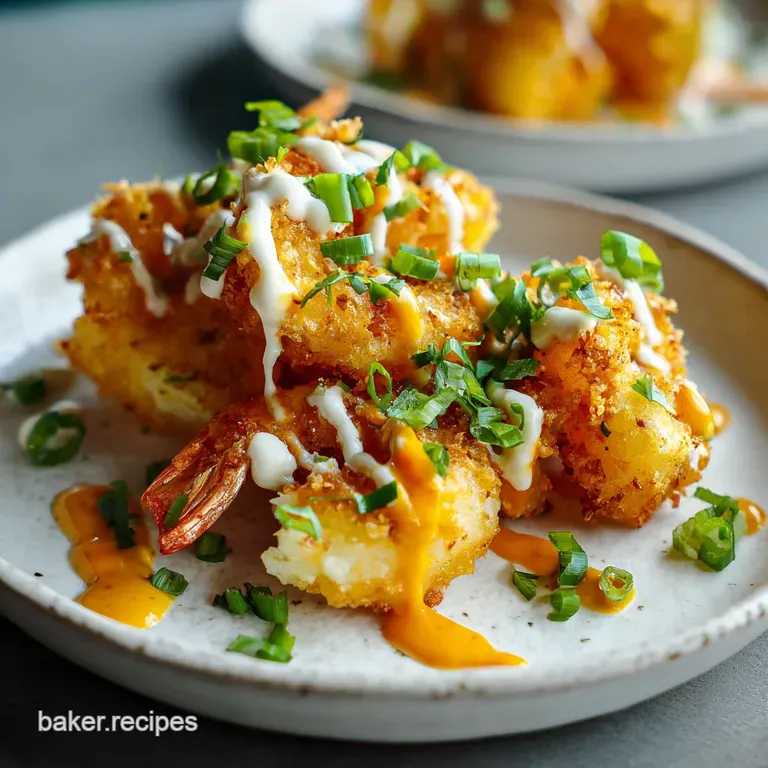
- Time: Active 5 minutes, Passive 30 minutes, Total 35 minutes
- Flavor/Texture Hook: Tangy, velvety, and subtly smoky
- Perfect for: Game day snacks, family burger nights, or meal prep dipping
- Creating the Best Utah Fry Sauce Recipe
- Science of the Perfect Emulsion
- Ingredient Component Analysis
- The Essential Building Blocks
- Necessary Kitchen Prep Tools
- Executing the Perfect Mix
- Fixing Common Texture Issues
- Flavor Twists and Alternatives
- Scaling the Batch Size
- Debunking Common Sauce Myths
- Preserving Freshness and Quality
- Recipe FAQs
- 📝 Recipe Card
Creating the Best Utah Fry Sauce Recipe
I still remember the first time I pulled into a dusty drive in during a road trip through the Salt Lake Valley. The air smelled of salt and hot oil, and every single tray coming out of the window had a small plastic cup of something salmon pink.
I thought it was just a mix of ketchup and mayo a "lazy sauce" until that first hot, salty fry hit my tongue.
The complexity caught me off guard. It wasn't just sweet; there was a sharp vinegary bite, a hint of woodsy smoke, and a savory depth that made a standard bottle of ketchup feel thin and boring.
I spent the next three months in my own kitchen, failing repeatedly because I was overcomplicating things, before I realized that the secret lies in the tiny acidic "pings" that cut through the heavy fat of the mayonnaise.
Science of the Perfect Emulsion
Acidic Stabilization: The pickle juice and vinegar in the ketchup lower the pH, which helps tighten the egg proteins in the mayo, creating a thicker, more stable dip.
Solubility Sync: Chilling the sauce allows the dry garlic and onion powders to fully hydrate and distribute their flavor molecules evenly throughout the fat based emulsion.
| Servings | Mayonnaise | Ketchup | Bowl Size |
|---|---|---|---|
| 4 people | 1/3 cup | 2.5 tbsp | Small ramekin |
| 12 people | 1 cup | 1/2 cup | Medium mixing bowl |
| 24 people | 2 cups | 1 cup | Large glass bowl |
Right then, if you are planning a massive backyard bash, doubling the batch is usually the smartest move. This sauce disappears faster than the actual fries do, especially when paired with something rich like a Keto Alfredo Sauce recipe on a side of zucchini noodles for a low carb feast.
Ingredient Component Analysis
| Ingredient | Science Role | Pro Secret |
|---|---|---|
| Mayonnaise | Primary Emulsifier | Use full fat for the most velvety mouthfeel |
| Pickle Juice | Acidic Brightener | Adds "fermented" complexity that plain vinegar lacks |
| Smoked Paprika | Aromatic Depth | Provides a "grilled" flavor without using liquid smoke |
The Essential Building Blocks
To get that authentic, drive in flavor, we need to be specific about our components. While you can use whatever is in the pantry, the quality of your base fat determines the final texture. I've found that using a heavy duty mayonnaise provides a much better "cling" to the fry than the thinner, whipped varieties.
- 1 cup (225g) high-quality mayonnaise: Why this? Provides the rich, creamy foundation and structure for the emulsion.
- Sub: Plain Greek yogurt (adds tang but yields a thinner, more tart result).
- 1/2 cup (135g) tomato ketchup: Why this? Adds sweetness, color, and essential tomato acidity.
- Sub: Tomato paste mixed with a teaspoon of honey and vinegar.
- 1 tbsp (15ml) dill pickle juice: Why this? The "secret" ingredient that provides salt and vinegary brightness.
- Sub: Apple cider vinegar or lemon juice.
- 1 tsp (5ml) Worcestershire sauce: Why this? Delivers an umami punch that grounds the sweeter notes.
- Sub: Soy sauce or a dash of fish sauce.
- 1/2 tsp (2.5g) smoked paprika: Why this? Adds color and a subtle backyard barbecue aroma.
- Sub: Sweet paprika or a tiny drop of liquid smoke.
- 1/4 tsp (1.25g) garlic powder: Why this? Distributes savory flavor more evenly than fresh garlic chunks.
- Sub: Onion powder (doubled) if garlic sensitive.
- 1/4 tsp (1.25g) onion powder: Why this? Adds a mellow, cooked onion sweetness without the texture.
- Sub: Shallot powder or very finely grated fresh onion.
- 1 pinch cayenne pepper: Why this? Provides a tiny back of-the throat warmth to balance the sugar.
- Sub: Red pepper flakes or a dash of hot sauce.
Necessary Kitchen Prep Tools
You don't need a professional lab, but how you mix matters. A simple whisk is better than a spoon because it aerates the mayo slightly, making it feel lighter on the palate. I always suggest using a glass or stainless steel bowl; plastic bowls can sometimes retain odors from previous garlicky meals, which might ghost into your delicate sauce.
Chef Tip: Freeze your mixing bowl for 5 minutes before starting. Keeping the fats cold during the mixing process ensures the emulsion stays tight and doesn't "weep" or separate as it warms up.
Executing the Perfect Mix
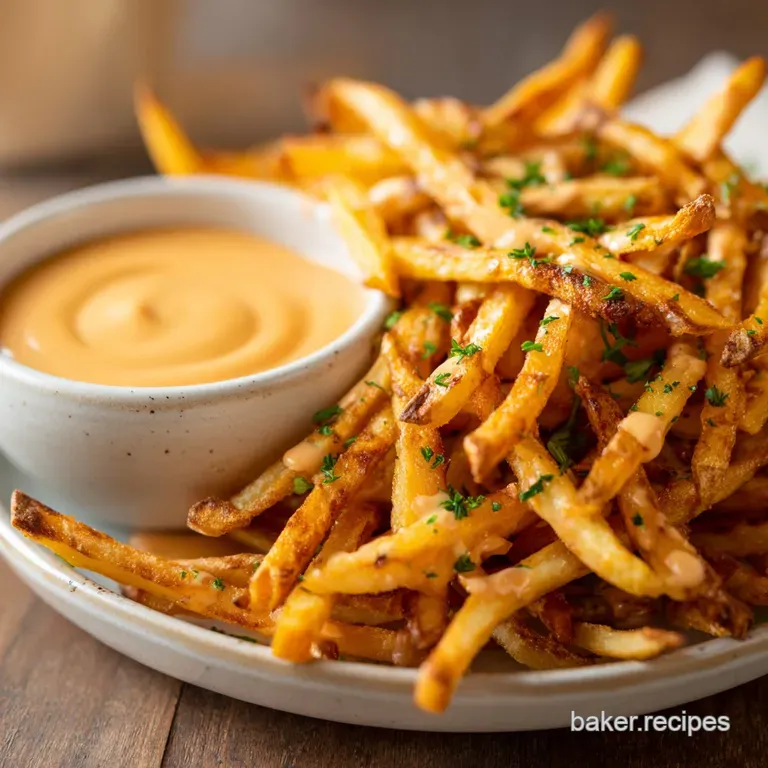
- Prep the base. Place 1 cup (225g) high-quality mayonnaise into your chilled mixing bowl. Note: Starting with mayo allows you to fold other ingredients in without breaking the emulsion.
- Add the color. Pour in 1/2 cup (135g) tomato ketchup.
- Introduce the acid. Measure out 1 tbsp (15ml) dill pickle juice and whisk it into the mixture until no streaks remain.
- Layer the umami. Add 1 tsp (5ml) Worcestershire sauce and 1/2 tsp (2.5g) smoked paprika. Note: This is where the sauce turns from pink to a rich, sunset orange.
- Incorporate the aromatics. Sprinkle in 1/4 tsp (1.25g) garlic powder and 1/4 tsp (1.25g) onion powder.
- Add the heat. Toss in a pinch of cayenne pepper.
- Emulsify the sauce. Whisk vigorously for 30 seconds until the texture looks silky and glossy.
- The waiting game. Cover the bowl and refrigerate for at least 30 minutes. Note: This allows the dry spices to hydrate and the flavors to marry.
Fixing Common Texture Issues
Sometimes things go sideways. If you find your sauce is too thin, it’s likely because the pickle juice was added too quickly or the mayo was at room temperature. Don't toss it! You can usually save it by whisking in a little extra mayo one tablespoon at a time.
Why Your Sauce is Runny
If the sauce looks more like a dressing than a dip, the emulsion might be weak. This usually happens if the ratio of liquid (pickle juice/Worcestershire) to fat (mayonnaise) is slightly off.
| Problem | Root Cause | Solution |
|---|---|---|
| Too Thin | Excess liquid added | Whisk in 1 tbsp extra mayo or 1/2 tsp cornstarch |
| Too Sweet | Ketchup brand is high sugar | Add a tiny pinch of salt or more pickle juice |
| Grainy Texture | Spices didn't hydrate | Let the sauce sit for another 20 minutes at room temp |
Common Mistakes Checklist
- ✓ Use room temperature spices but cold mayonnaise for the best texture.
- ✓ Don't skip the resting period; the flavor changes significantly after 30 minutes.
- ✓ Whisk in one direction to keep the emulsion stable and uniform.
- ✓ Avoid "light" or "olive oil" mayos if you want that classic thick consistency.
- ✓ Always use dill pickle juice, never "sweet" pickle juice, or it will be cloying.
Flavor Twists and Alternatives
If you want a different vibe, you can easily pivot this base. If you're looking for a deeper, more savory profile, try adding a teaspoon of the base used in this Umami Bomb Marinade recipe — it adds a fermented kick that's incredible on steak fries.
Adjusting for Different Tastes
- The Spicy Version: Double the cayenne or add a teaspoon of chipotle in adobo for a smoky, fiery kick.
- The Herbaceous Version: Fold in a teaspoon of fresh chopped chives or dill right before serving.
- The Garlic Bomb: Use roasted garlic paste instead of powder for a mellow, nutty depth.
| Feature | Stovetop Reduction | Fresh Whisked (This Recipe) |
|---|---|---|
| Preparation | 15 mins simmer | 5 mins mixing |
| Texture | Syrupy and concentrated | Light, creamy, and airy |
| Best For | Glazing meats | Dipping fried foods |
Scaling the Batch Size
Downscaling (1/2 batch): Use 1/2 cup mayo and 1/4 cup ketchup. Keep the spices the same but use a "scant" measurement (just slightly under the line) to ensure the flavors don't become overwhelming in a smaller volume.
Upscaling (2x-4x): When doubling, don't double the salt or cayenne immediately. Start with 1.5x the spices, taste, and then adjust. Liquids like pickle juice can make a large batch very thin, so add them slowly while whisking.
Debunking Common Sauce Myths
One major misconception is that adding mustard makes it a "true" fry sauce. While some regional variations include it, the original Utah style relies on the interplay between tomato acidity and pickle brine. Mustard can often mask the delicate smokiness of the paprika.
Another myth is that you can't freeze mayo based sauces. Technically, you can, but I strongly advise against it. The emulsion will break during the thawing process, leaving you with an oily, separated mess that no amount of whisking can truly fix.
Preserving Freshness and Quality
Storage: Keep your sauce in an airtight glass jar in the fridge. It will stay fresh and delicious for up to 7 days. If you see any liquid pooling at the top, just give it a quick stir to re incorporate the fats.
Zero Waste: If you have a few tablespoons left that aren't enough for a full fry dipping session, use it as a sandwich spread for a turkey club or a base for a creamy coleslaw dressing. It also works brilliantly as a "secret sauce" for stovetop burgers.
If you have leftover pickle juice in the jar, don't pour it down the sink save it specifically for your next batch of this recipe!
Recipe FAQs
What exactly is fry sauce?
It is a creamy condiment that balances sweet ketchup with tangy mayonnaise and acidity. Originating in Utah, it achieves its signature color and depth through a precise blend of tomato, vinegar (often from pickle juice), and subtle spices like smoked paprika.
What is the ratio for fry sauce?
The classic ratio aims for roughly 2 parts mayonnaise to 1 part ketchup by volume. For optimal flavor balance, you must compensate for the wet ingredients by adding acid, typically via dill pickle juice or a splash of vinegar.
How do you make Bobby Flay's fry sauce?
Bobby Flay's version often incorporates horseradish or a hotter pepper element for noticeable heat. While the base remains mayo and ketchup, you should look to enhance the savory depth, similar to how we use Worcestershire sauce here to anchor the flavors.
How to make American fry sauce?
Combine high-quality, full fat mayonnaise with standard tomato ketchup in a chilled bowl. Whisk in dill pickle juice, Worcestershire sauce, and a blend of garlic and onion powder until the mixture is smooth and glossy.
Is it true that chilling the sauce is optional for fry sauce?
No, chilling the sauce is mandatory for peak flavor and texture. Allowing the sauce to rest for at least 30 minutes lets the dry spices fully hydrate and marries the acidic and fatty components into a stable emulsion.
Can I substitute apple cider vinegar for pickle juice in fry sauce?
Yes, you can substitute vinegar, but it sacrifices complexity. Pickle juice adds fermented salt notes that plain vinegar lacks, so start with less vinegar and taste before adding more.
Why did my homemade fry sauce separate after mixing?
The emulsion likely broke due to adding the liquid acid too quickly or the base mayonnaise being too warm. If you enjoyed mastering stable texture control in this recipe, you can apply the same slow integration principle when working with stocks for a Turkey Gravy with Drippings recipe to prevent weeping.
Best Fry Sauce Recipe
Ingredients:
Instructions:
Nutrition Facts:
| Calories | 141 kcal |
|---|---|
| Protein | 0.4 g |
| Fat | 14.2 g |
| Carbs | 3.3 g |
| Fiber | 0.1 g |
| Sugar | 2.8 g |
| Sodium | 242 mg |
