The Best Potatoes: Shatter Crisp Roast Recipe
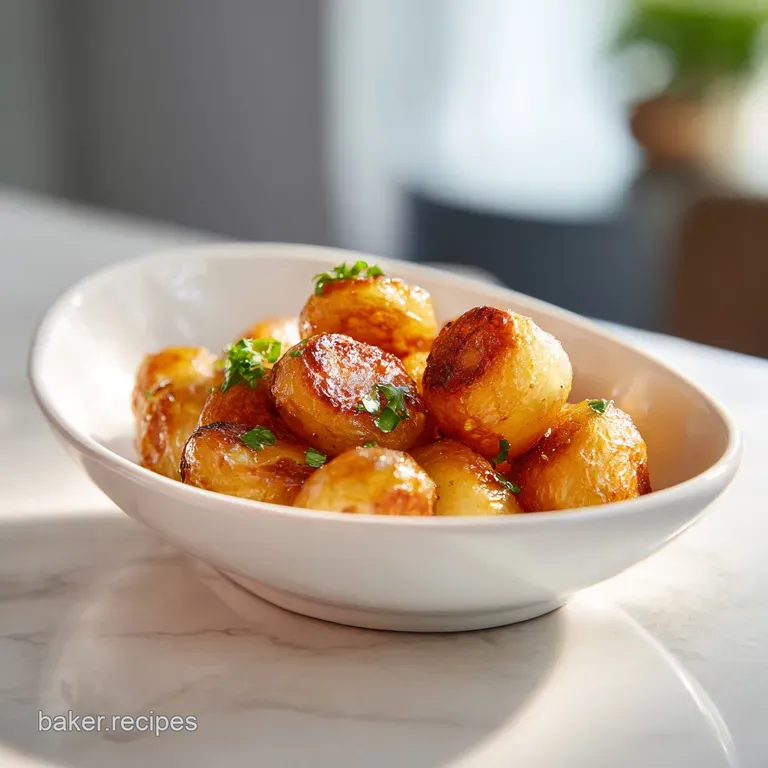
- Time: Active 10 minutes, Passive 35 minutes, Total 45 minutes
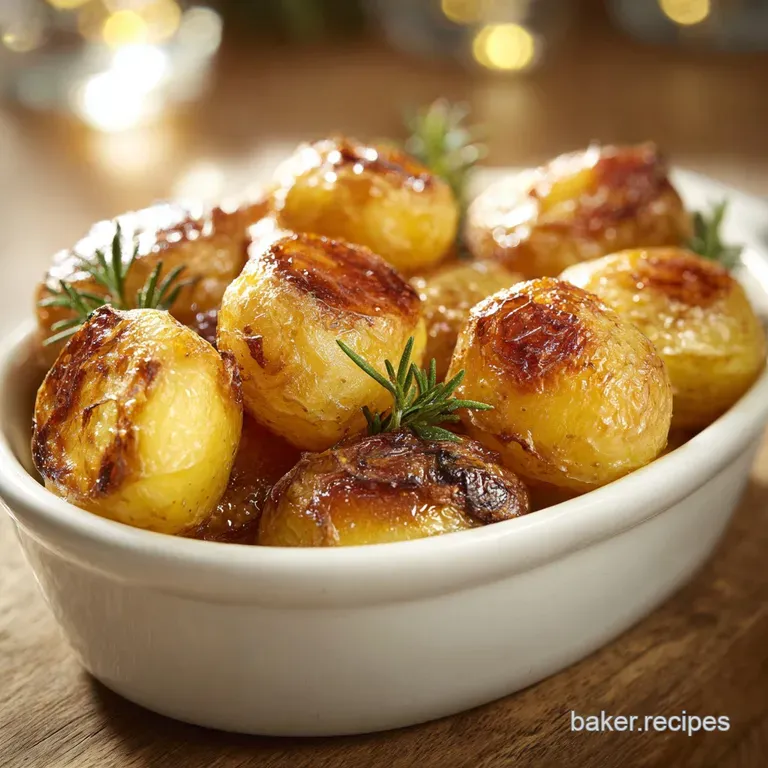
- Flavor/Texture Hook: Shatter crisp exterior with a velvety, buttery interior
- Perfect for: Sunday roasts, holiday dinners, or elevating a simple weeknight steak
- Mastering the Best Crispy Roasted Potatoes
- The Science of the Crunch
- Component Analysis and Selection
- Your Ultimate Shopping List Guide
- Necessary Tools for Crispy Success
- Step by Step Cooking Process
- Fixing Common Roast Potato Issues
- Creative Twists and Ingredient Swaps
- Debunking Popular Potato Myths
- Keeping Your Spuds Fresh Longer
- Side Dishes to Serve Alongside
- Recipe FAQs
- 📝 Recipe Card
Mastering the Best Crispy Roasted Potatoes
I remember the first time I tried to make fancy roasted spuds for a dinner party. I followed a basic recipe, tossed some chunks in oil, and hoped for the best. What came out was a tragedy oily on the outside, tough in the middle, and honestly quite sad. I realized then that heat alone isn't enough.
You need a little bit of kitchen chemistry to get that sound, you know, the one where the crust actually crackles when your fork hits it.
After years of tinkering, I found that the secret isn't just the oven temperature. It's about what happens in the pot before the oven even turns on. By adding a tiny bit of baking soda to the boiling water, you change the game entirely.
It breaks down the outside of the vegetable just enough to create a fuzzy layer of starch. When that starch meets hot fat, it fries into a delicate, golden shell that stays crispy even as it cools.
These are truly the Potatoes Youll Ever Taste because they hit every sensory note. You get the aroma of toasted rosemary and garlic hitting the pan, the sizzle of the duck fat, and that first bite that feels like biting into a savory honeycomb. Since I started using this method, I have never looked back.
It's reliable, it's consistent, and it's the one dish that makes my friends ask, "Wait, how did you actually do this?"
The Science of the Crunch
To get that legendary texture, we rely on three distinct scientific principles that turn a humble tuber into a masterpiece.
- The pH Shift: Adding baking soda to the boiling water raises the pH level, which breaks down the potato's pectin more effectively. This creates a thick, starchy paste on the surface of each chunk that eventually dehydrates and crisps up in the oven.
- Starch Gelatinization: As the spuds simmer, the starch granules absorb water and swell. When we shake them in the pot later, these swollen granules create "fuzz" or increased surface area, which provides more territory for the Maillard reaction to occur.
- Convection and Evaporation: Using a over high heat oven allows moisture to escape rapidly from the starch slurry. This leaves behind a rigid, porous structure that traps the fat, resulting in a deep fried texture without the heavy vat of oil.
| Method | Texture Result | Total Time | Best For |
|---|---|---|---|
| Fresh (This Recipe) | Shatter crisp crust | 45 minutes | Maximum "wow" factor dinner |
| Frozen store-bought | Soft/Slightly grainy | 25 minutes | Quick Tuesday lunch |
| Canned Potatoes | Smooth/Soggy | 15 minutes | Emergency pantry meals |
Choosing fresh Yukon Golds is vital because they have a naturally creamy middle that contrasts perfectly with the hard exterior. While shortcuts exist, they simply cannot replicate the structural integrity of a fresh spud that has been properly par boiled and roughed up. If you are looking for a different style of spud, you might also enjoy this Irresistibly How to recipe for oven fries.
Component Analysis and Selection
Understanding the "why" behind your ingredients ensures you never end up with a bland batch. This isn't just about throwing things in a pan; it is about selecting elements that work in harmony.
| Ingredient | Science Role | Pro Secret |
|---|---|---|
| Yukon Gold Potatoes | Medium starch content | Holds shape while staying velvety |
| Baking Soda | Pectin breakdown | Increases surface area for browning |
| Duck Fat | High smoke point | Adds a rich, savory depth of flavor |
| Kosher Salt | Moisture extraction | Season the water heavily for internal flavor |
A common mistake is under seasoning the boiling water. Think of it like pasta water; this is your only chance to get salt into the core of the vegetable. I also prefer duck fat because its flavor is incomparable, but avocado oil is a brilliant over high heat alternative if you want to keep things plant based.
Your Ultimate Shopping List Guide
Gather these items before you start. Having everything prepped makes the transition from the stove to the oven much smoother.
- 3 lbs Yukon Gold Potatoes: These are the gold standard for roasting.
- 1 tsp Baking Soda: Essential for that pH level trick we talked about.
- 2 tbsp Kosher Salt: For the boiling water and final seasoning.
- 1/4 cup Duck Fat or Avocado Oil: Why this? High smoke point fats prevent the potatoes from tasting burnt or bitter.
- 3 cloves Garlic, smashed: Why this? Smashed cloves release oils without burning as easily as minced garlic.
- 1 tbsp Fresh Rosemary, finely minced: Fresh is non negotiable here for that woody aroma.
- 1/2 tsp Freshly Cracked Black Pepper: Adds a bite that cuts through the rich fat.
For a substitution, you can use Russet potatoes if Yukons aren't available, though the texture will be slightly fluffier and less creamy. If you find yourself with smaller tubers, you might want to try this How to Cook recipe for roasted small potatoes instead.
| Original Ingredient | Substitute | Why It Works |
|---|---|---|
| Duck Fat (1/4 cup) | Avocado Oil (1/4 cup) | High smoke point and neutral flavor. Note: Lacks the meaty richness of duck fat. |
| Fresh Rosemary | Dried Thyme (1 tsp) | Concentrated herbal notes. Note: Use less as dried herbs are more potent. |
| Kosher Salt | Sea Salt | Similar clean salt flavor. Note: Use 1.5 tbsp as sea salt is finer. |
Choosing the right fat really determines the final personality of the dish. While I love the luxury of duck fat, I often use a mix of olive oil and butter for a more everyday vibe, though you have to be careful with the butter's low smoke point.
Necessary Tools for Crispy Success
You don't need a professional kitchen, but a few specific tools make a massive difference in the final Potatoes Youll Ever Taste.
- Large Stockpot: You need enough room for the water to circulate around the chunks so they cook evenly.
- Rimmed Baking Sheet: A large, heavy duty sheet pan (like a Nordic Ware) prevents warping and ensures even heat distribution.
- Colander: Essential for draining and for the "roughing up" step.
- Metal Spatula: Use a thin, flexible metal spatula (like a fish turner) to flip the spuds without breaking that precious crust.
Chef Tip: Avoid using parchment paper if you want maximum crunch. The potatoes need direct contact with the hot metal of the pan to sear properly. If you're worried about sticking, just make sure the oil is hot before the potatoes hit the tray.
step-by-step Cooking Process
- Prep the spuds. Peel 3 lbs Yukon Gold Potatoes and cut them into large, even chunks (about 2 inches wide). Note: Keeping them large prevents them from falling apart during the boil.
- Boil the water. Fill a large pot with water, add 2 tbsp Kosher Salt and 1 tsp Baking Soda, and bring to a rolling boil.
- Par boil. Add the chunks and cook for 10 minutes until the outsides are soft but the centers still have a bit of resistance.
- Drain and dry. Drain into a colander and let them sit for 2 minutes until the steam dissipates and the surface looks matte.
- Rough them up. Return them to the pot, cover with a lid, and shake vigorously for 5 seconds until a thick layer of starchy paste coats every piece.
- Infuse the fat. In a small pan, heat 1/4 cup Duck Fat with smashed garlic and minced rosemary until the garlic is golden and fragrant.
- Coat. Strain the infused fat over the potatoes and toss gently to ensure every nook is filled with oil.
- Roast. Spread onto a preheated baking sheet and roast at 400°F (200°C) for 20 minutes.
- Flip. Use a metal spatula to turn each piece until they release easily from the pan.
- Finish. Roast for another 15 minutes until deep golden brown and audibly crunchy when tapped.
Fixing Common Roast Potato Issues
Sometimes things go sideways, even with the best intentions. If your spuds aren't hitting the mark, it's usually a simple fix involving moisture or temperature.
Why Your Potatoes Are Soggy
If the exterior is soft instead of crunchy, there was likely too much moisture in the pan. This happens if the potatoes weren't allowed to steam dry after boiling or if the pan was overcrowded. When chunks are too close together, they steam each other instead of roasting.
Why Your Garlic Burnt
Garlic is delicate. If you add minced garlic directly to the roasting pan at the start, it will turn black and bitter within ten minutes. That's why we infuse the fat first or add the garlic only in the last ten minutes of roasting.
| Problem | Root Cause | Solution |
|---|---|---|
| Stuck to pan | Pan wasn't preheated | Heat the baking sheet in the oven before adding the fat and potatoes. |
| Falling apart | Over boiled | Reduce boiling time by 2 minutes next time; ensure chunks are at least 2 inches. |
| Pale color | Low oven temp | Ensure your oven is actually at 400°F; use an oven thermometer to verify. |
Common Mistakes Checklist
- ✓ Never skip the baking soda; it is the primary driver of the crust.
- ✓ Let the potatoes steam dry in the colander for at least 2 minutes.
- ✓ Don't use a glass baking dish; it doesn't get hot enough for a hard sear.
- ✓ Space the chunks out so they have at least half an inch of "breathing room" on the pan.
- ✓ Use a metal spatula to flip; plastic ones are too thick and will tear the crust.
Creative Twists and Ingredient Swaps
While the rosemary and garlic combo is a classic, the beauty of this method is its versatility. You can take the base technique and apply various flavor profiles depending on what you're serving.
Roast Potatoes Air Fryer Method
If you're short on time or oven space, you can definitely use an air fryer. After the "roughing up" and fat coating steps, place the chunks in a single layer in the air fryer basket. Cook at 400°F (200°C) for 20-25 minutes, shaking the basket halfway through.
The result is remarkably similar, though you may need to work in batches to avoid overcrowding.
The "Mayo Crust" Twist
Trust me on this one. If you want an even thicker crust, toss the par boiled potatoes in a mixture of 2 tablespoons of mayonnaise and your spices instead of oil. The protein and fat in the mayo brown beautifully and create a unique, savory shell.
It sounds strange, but it's a brilliant hack for the Best Potatoes Youll Ever Taste.
Scaling the Recipe
If you're cooking for a crowd or just yourself, keep these ratios in mind: Downsizing (1-2 people): Use 1 lb of potatoes. You can still use 1/2 tsp of baking soda, but reduce the fat to 1.5 tablespoons. Cook time remains the same.
Upsizing (10+ people): When doubling the recipe, use two separate baking sheets. If you crowd them onto one sheet, you lose the crunch. Use 1.5x the salt and spices doubling them fully can sometimes be overwhelming.
For a truly decadent version, you could even top these with the toppings from this How to Make recipe for a loaded potato feast.
Debunking Popular Potato Myths
There is a lot of "old wives' tale" advice out there that can actually hinder your progress. Let's clear some of that up so you can focus on what works.
- Myth: Soaking potatoes for hours is necessary. While soaking removes some starch, our par boiling method with baking soda is far more effective for creating a crispy exterior. Long soaking is better for deep fried chips, not roasted chunks.
- Myth: High heat alone makes things crispy. If you put raw potato chunks in a 450°F oven, the outside will burn before the inside is cooked. The par boil is what allows the interior to become velvety while the exterior dehydrates into a crust.
- Myth: You must use olive oil for health. Extra virgin olive oil has a low smoke point and can break down into acrid flavors at roasting temperatures. Avocado oil or animal fats are actually better choices for over high heat roasting.
Keeping Your Spuds Fresh Longer
Roasted potatoes are best enjoyed immediately, but you don't have to throw away the leftovers.
- Fridge
- Keep in an airtight container for up to 4 days.
- Freezer
- You can freeze these after they have cooled. Place them on a tray to freeze individually, then bag them. They stay good for 2 months.
- Zero Waste Tip
- If you have leftover scraps or skins, don't toss them! Toss them with a little oil and salt and roast them into "potato skin chips" for a quick snack. You can also mash leftover roasted potatoes into a pancake batter for savory breakfast fritters.
Reheating Instructions Never use the microwave; it will turn that beautiful crust into a rubbery mess. Instead, put them back in a 400°F oven or an air fryer for 5-8 minutes.
This will re crisp the fat and restore that "Youll Ever Taste" quality that makes this recipe so special.
Side Dishes to Serve Alongside
These spuds are the star of the show, but they play well with others. Since they are quite rich, I like pairing them with something bright or acidic.
- The Classic Roast: Serve alongside a medium rare ribeye or a roasted chicken. The juices from the meat mingle with the potato crust in the best way possible.
- The Bright Green: A simple arugula salad with a heavy lemon vinaigrette cuts through the richness of the duck fat.
- The Creamy Dip: A side of garlic aioli or even a spicy sriracha mayo is perfect for dipping.
Honestly, don't even bother with low-fat versions of these. The whole point is the indulgence of the fat and the starch working together. When you hear that first "shatter" of the crust, you'll know exactly why this is the only way I ever make them now. Happy roasting!
Recipe FAQs
What is the most flavorful potato?
Yukon Golds are generally considered the most flavorful for roasting. They possess the ideal balance of medium starch content for a creamy interior and enough structure to develop a superior, shattering crust when properly prepared.
What is the tastiest potato in the world?
This is subjective, but Yukon Gold potatoes often win for roasting applications. Their high natural butteriness and creamy texture contrast perfectly with a crisp exterior, making them incredibly satisfying.
Can I eat potatoes with mayonnaise?
Yes, you absolutely can and I highly recommend it. For an exceptionally savory crust, try tossing the par-boiled potatoes in mayonnaise instead of oil before roasting; the proteins and fats brown beautifully, similar to a technique we use when mastering mastering the Maillard reaction.
What potatoes does Gordon Ramsay use?
Gordon Ramsay frequently favors Maris Piper or King Edward potatoes for roasting. These are high starch varieties that break down slightly when boiled, creating excellent fluffiness inside, which is key for his signature texture.
How can I ensure my roasted potatoes are crispy, not soggy?
Shake them vigorously after draining the boil water until a starchy "fuzz" coats every piece. This roughed-up surface area is crucial because it dehydrates rapidly in the oven, forming a hard, crispy shell that resists oil absorption.
How do I reheat leftover roasted potatoes for maximum crunch?
Return them to a preheated oven or air fryer at 400°F (200°C). Avoid the microwave entirely, as it introduces moisture that destroys the crust; 5 to 8 minutes in dry heat is enough to revitalize the crispiness.
Is it true that adding baking soda to the boiling water ruins the flavor?
No, this is a common misconception, provided you use only a small amount (about 1 tsp per quart). The baking soda slightly raises the pH, which actively breaks down pectin on the surface, maximizing the texture you achieve in the Golden Homemade French Fries recipe.
Best Potatoes You Ll Ever Taste
Ingredients:
Instructions:
Nutrition Facts:
| Calories | 313 kcal |
|---|---|
| Protein | 5.4 g |
| Fat | 11.2 g |
| Carbs | 47.6 g |
| Fiber | 6.1 g |
| Sugar | 2.1 g |
| Sodium | 385 mg |
