The Green Powerhouse Lowcarb Broccoli Pizza Crust
- Revolutionize Your Pizza Night: The Ultimate Low Carb Broccoli Pizza Crust
- Ditching the Dough: Why Broccoli Makes the Best Keto Base
- Gathering Your Green Goodness: Essential Components for Success
- Mastering the Technique: Step-by-Step Guide to a Perfect Bake
- Crucial Pre-Bake Steps to Prevent a Soggy Pizza Foundation
- Troubleshooting & Pro-Tips for Flawless Execution
- Maximizing Your Low Carb Broccoli Pizza Crust: Storage and Variations
- Recipe FAQs
- 📝 Recipe Card
Revolutionize Your Pizza Night: The Ultimate Low Carb Broccoli Pizza Crust
Tired of pizza night feeling like a cheat day indulgence that leaves you regretting it later? I completely understand. The traditional wheat based dough is delicious, yes, but it often throws our health goals sideways.
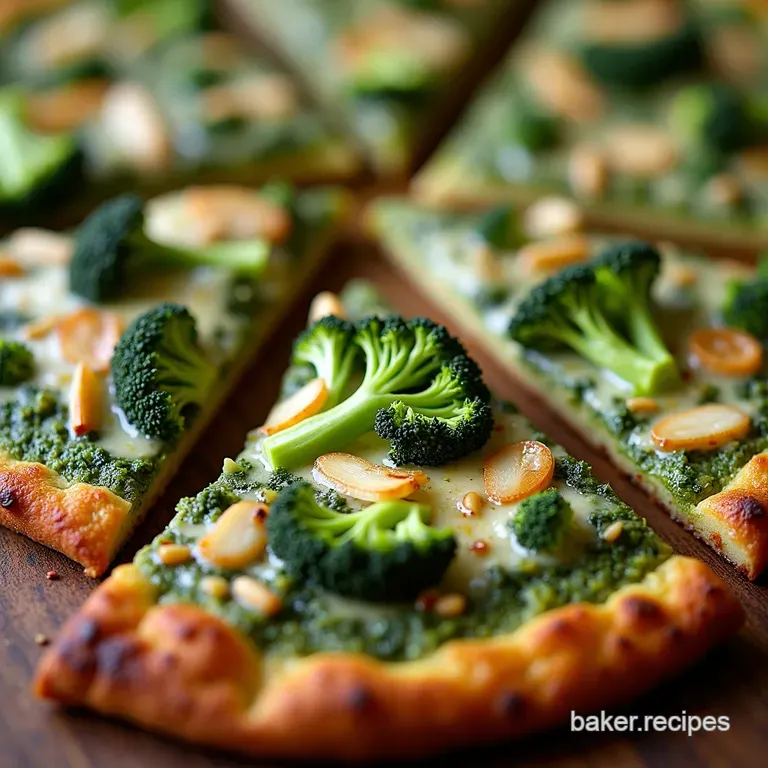
That’s why I’m thrilled to introduce you to a genuine game changer: the Low Carb Broccoli Pizza Crust . This isn't just a substitute; it’s an upgrade.
We are harnessing the mighty power of broccoli to create a sturdy, satisfying base that embraces ketogenic, low-carb, and gluten-free lifestyles, proving that flavour and structure don't need refined grains.
Ditching the Dough: Why Broccoli Makes the Best Keto Base
Moving away from standard flour means embracing nutrient dense vegetables, and broccoli leads the pack when it comes to creating a viable pizza foundation. This vibrant vegetable offers the perfect fibrous structure needed to hold together when bound with cheese and egg, transforming into something genuinely pizza like.
This recipe delivers one of the most reliable Keto gluten-free Pizza Crust options available today.
Introducing the 'Green Powerhouse' Base
Our specific recipe focuses on transforming raw broccoli into a cohesive, pre-baked shell. We aren’t just throwing steamed veggies onto a sheet; we are creating a bona fide crust . This "Green Powerhouse" base is flavourful, slightly earthy, and wonderfully firm once baked correctly.
It holds up beautifully to hearty toppings, making it perfect for those seeking Easy Low Carb Meals that don't compromise on enjoyment.
Say Goodbye to Carb Comas: Health Benefits Unveiled
The primary appeal of this Lowest Carb Pizza Crust lies in its nutritional profile. By using broccoli as the main component, you drastically reduce the glycemic load associated with traditional dough.
This is particularly beneficial for those managing blood sugar levels, making this Low Carb Pizza Crust Diabetics can confidently enjoy. On top of that,, broccoli packs a serious punch of fibre and vitamins, ensuring your pizza night contributes positively to your daily nutrient intake.
Performance Comparison: Broccoli vs. Cauliflower
While cauliflower crusts have been popular for years, broccoli often edges it out in terms of performance. Broccoli’s natural fibre structure tends to be slightly denser and less watery than cauliflower once processed.
This inherent structure helps yield a superior, sturdier final product, making our Broccoli Pizza Crust less prone to collapsing under the weight of robust toppings than its pale counterpart.
Gathering Your Green Goodness: Essential Components for Success
To achieve that coveted crisp edge and firm centre in our Low Carb Pizza Crust Recipe , ingredient quality and quantity are paramount. We need a solid ratio of vegetable matter to binders to ensure structural integrity throughout the baking process.
Specific Quantities for a Sturdy Low Carb Broccoli Pizza Crust
For a standard 10 to 12 inch pizza, you will begin with approximately three packed cups of fresh or frozen broccoli florets (about 300g). The binding agents are key: one large egg, one cup of low-moisture, shredded mozzarella cheese, and half a cup of freshly grated Parmesan cheese provide the necessary glue and flavour complexity.
We supplement this with a quarter cup of almond flour, which absorbs any residual moisture and contributes to a High Protein Broccoli Crust . Flavouring agents include half a teaspoon of dried oregano, a quarter teaspoon of garlic powder, and appropriate seasoning with salt and pepper.
The Must Have Equipment Checklist
You cannot make this crust successfully without the right tools, especially concerning moisture management. While a food processor speeds up the initial breakdown of the broccoli, a standard potato masher can certainly suffice if you prefer a chunkier texture.
However, the single most non-negotiable piece of equipment is a large, fine mesh sieve or, ideally, a piece of cheesecloth or a nut milk bag. This is essential for the pressing stage. You’ll also need a standard baking sheet lined with parchment paper, as the broccoli mixture loves to adhere to bare metal.
Sourcing the Right Kind of Green Florets
Whether you use fresh or frozen broccoli florets, the preparation method must achieve the same goal: tenderness. If using fresh, steam them until fork tender. If using frozen, you can steam them directly from frozen.
The key takeaway is that they must be thoroughly cooked before processing, as raw broccoli will not release moisture adequately during the squeezing phase.
Related Recipes Worth Trying
- The Ultimate Creamy Broccoli Cheese Rice Casserole Recipe — Ditch the gloopy stuff This Homemade Broccoli Cheese Rice Casserole uses a scratchmade sauce for the Best Broccoli Cheese Rice Casserole experience So easy...
- The Best Homemade Raisin Pie Recipe Buttery Crust Spice — Learn how to bake a proper traditional Raisin Pie with a flaky double crust and rich spiced filling This easy recipe brings true comfort food nostalgia to...
- The Best Classic Quiche Lorraine Recipe with Flaky Crust — Master the rich creamy quiche filling and flaky crust with this foolproof Quiche Lorraine recipe Perfect for brunch or supper Get cooking
Mastering the Technique: step-by-step Guide to a Perfect Bake
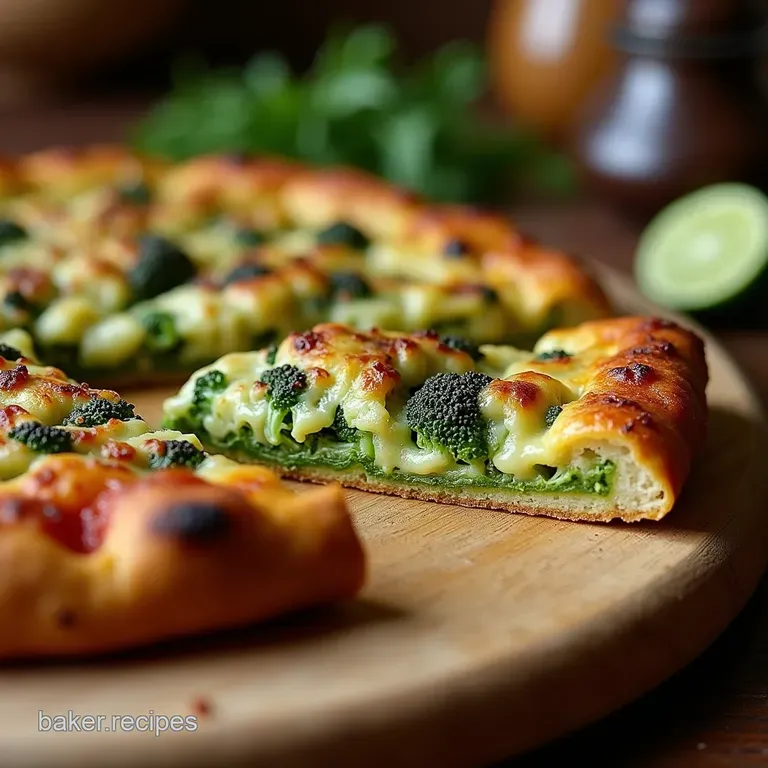
Creating the Broccoli Pizza Crust is more about process discipline than complex cooking skills. Remember, this is a medium difficulty level primarily because of the necessary moisture extraction step.
First, cook your broccoli until soft about 5 to 7 minutes of steaming is usually enough. Drain immediately and let it cool just enough so you can handle it comfortably. Next, pulse the cooked broccoli in your food processor until it resembles coarse grains, almost like coarse rice.
If you don’t have a processor, mashing thoroughly works well too.
The binding mixture comes next. In a separate bowl, combine the processed, cooled broccoli pulp, the mozzarella, Parmesan, almond flour, the lightly beaten egg, and all your chosen seasonings: oregano, garlic powder, salt, and pepper. Mix everything thoroughly until a cohesive, thick dough forms.
Preheat your oven to 400° F ( 200° C). Lay down that parchment paper on your baking sheet. Take your dough ball and press it out evenly across the paper into a roughly 10- to 12 inch circle, ensuring the thickness is uniform, aiming for about a quarter of an inch.
Make sure to build up the edges slightly this forms the rim of your pizza.
The base must be pre-baked naked. Bake this plain crust for 15 to 20 minutes. You are looking for it to firm up significantly and for the edges to show signs of browning. This crucial step is what locks the structure in place before toppings are added.
Once pre-baked, carefully remove the sheet from the oven. Now you can add your toppings sparingly a thin layer of low-sugar tomato sauce, a sprinkle of extra cheese, and your favourite additions.
Return the fully loaded pizza to the oven and bake for a final 10 to 12 minutes until the cheese is melted and bubbling merrily. Let it rest for five minutes before slicing; patience ensures the final firmness sets.
Crucial Pre-Bake Steps to Prevent a Soggy Pizza Foundation
The number one pitfall with any vegetable based crust is a soggy bottom. This happens because vegetables, especially cooked ones, hold an astonishing amount of water. Defeating the moisture monster is the secret weapon for making a superior Low Carb Broccoli Pizza Crust .
The Art of Water Extraction: Squeezing Out Moisture
Once your broccoli is processed, you must transfer the pulp into your cheesecloth or nut milk bag. Now, apply serious pressure. Twist the cloth tightly and squeeze over the sink or a bowl. You will be shocked by how much liquid comes out often nearly a half cup or more!
Keep squeezing until the pulp feels dense and crumbly, not wet. If you think you’ve squeezed enough, squeeze it again. This physical step is what separates a delicious, crisp crust from a disappointing, floppy mess.
Mixing and Shaping Your Unique Vegetable Dough
After the broccoli is sufficiently dry, introduce the cheese and almond flour binders. Mix quickly but thoroughly. Overmixing can sometimes start to break down the structure again. When shaping, press firmly onto the parchment paper.
A thin crust (around 1/4 inch) works best for crispness, whereas a thick crust risks sogginess in the centre, even with proper squeezing.
Optimal Baking Temperatures for Crust Crispness
A high, consistent temperature is vital for evaporating any residual moisture clinging to the crust structure. We start at 400° F ( 200° C) for the pre-bake.
This intense heat sets the egg and melts the cheese just enough to fuse the broccoli particles together without burning the exterior before the interior is stable. Do not reduce the temperature until after the final toppings are applied, if at all.
Topping Strategies for Non-Soggy Results
When assembling your pizza, restraint is your friend. Avoid heavy, watery ingredients like overly juicy fresh mozzarella or piles of raw vegetables that release moisture while baking. If using high moisture toppings like mushrooms, sauté them briefly first to drive off water.
Keep sauces thin and use them sparingly a thin layer is all you need to flavour the crust without saturating it.
Troubleshooting & Pro-Tips for Flawless Execution
Even with the best technique, sometimes minor issues arise. Knowing how to pivot ensures success next time.
If your crust is cracking slightly during the pre-bake, it usually means it’s too dry. Next time, introduce a tiny bit more egg or a splash of olive oil into the mixture.
If the edges are burning before the centre is set, your crust might be too thin, or your oven temperature is running high; try reducing the pre-bake temp to 375° F ( 190° C).
For those seeking the absolute best Low Carb Pizza Crust , remember that freshly grated hard cheeses (like the Parmesan) offer superior binding compared to pre-shredded varieties, which often contain anti caking agents that inhibit melting and binding.
Maximizing Your Low Carb Broccoli Pizza Crust: Storage and Variations
The versatility of this base extends beyond just dinner tonight. Once you master the technique, you can utilize this foundation in numerous ways while keeping your nutrition goals on track.
Expert Hacks: Guaranteeing a Non-Soggy Finish Every Time
Here’s a pro tip: after pre-baking your crust, you can actually flip it over for the last five minutes of the pre-bake phase. This allows the direct heat to hit the bottom surface one last time, drying it out even further before you add toppings. This guarantees an exceptionally crisp finish.
Nutritional Snapshot of This Vegetable Forward Base
When you look at the estimated nutrition for the crust alone typically yielding between 3 and 5 net carbs per serving it’s clear why this preparation method is so popular among those tracking macros.
Combined with the high fibre content from the broccoli and the boost of protein from the cheese and almond flour, this base provides sustained energy rather than a sharp spike.
Prep Ahead Perfection: Storing and Freezing Your Crusts
This is an ideal recipe for meal prep. After the initial pre-bake (Step 6), let the crust cool completely. You can store these pre-baked shells tightly wrapped in the refrigerator for up to four days. For longer storage, wrap individually and freeze them for up to two months.
When you’re ready for pizza night, simply pull one out, top it, and bake directly from frozen just add an extra 5– 7 minutes to the final bake time.
Creative Topping Pairings: Beyond Traditional Pizza Flavours
While pepperoni is always welcome, this sturdy base supports creative experimentation. Consider a white pizza version using an Alfredo sauce, topped with shredded chicken, crispy bacon, and chives.
For a breakfast twist, use a smear of cream cheese, smoked salmon, capers, and thinly sliced red onion once the crust is baked. The neutral, slightly earthy flavour profile of the Broccoli Crust Pizza pairs wonderfully with almost any robust topping combination you can dream up.
Recipe FAQs
How do I stop my Low Carb Broccoli Pizza Crust from turning into a soggy mess?
That soggy bottom is the bane of all low-carb bakers! The absolute key is moisture removal. After steaming and processing the broccoli, you must squeeze out every last drop of water using a cheesecloth or a strong tea towel.
If you skip this, you’ll end up with soup instead of a crust be aggressive with the squeezing!
Can I make the Low Carb Broccoli Pizza Crust ahead of time, and how should I store it?
Yes, you absolutely can! Once you have successfully pre-baked the naked crust until it’s firm, let it cool completely. Wrap it tightly in plastic wrap and foil, and it will keep happily in the fridge for up to three days.
For longer storage, you can freeze the pre-baked crust for up to a month; just pop it straight from the freezer into a warm oven to reheat before topping.
My crust tastes a bit too ‘green.’ What can I add to mask the broccoli flavour?
It's a common complaint, but easily fixed! Amp up the traditional Italian flavourings in the dough mix add an extra half teaspoon of dried oregano and a pinch of dried basil.
Also, using freshly grated Parmesan instead of pre-shredded gives a much sharper, saltier punch that cuts through the earthiness beautifully.
What is the best way to ensure the edges get nice and crispy?
Crispness comes down to two things: pre-baking and heat management. Make sure your oven is fully preheated to 400°F (200°C) and place the crust on parchment paper on a pre-heated baking sheet if you have one this mimics a pizza stone effect.
During the final bake, try placing the pizza on a lower rack for the last five minutes to encourage browning on the base.
I don't have almond flour. What can I substitute for the binder in this crust?
Almond flour helps absorb residual moisture and adds structure, but you have a couple of good alternatives. If you need to keep it low-carb, coconut flour is the best substitute, but use only about half the amount specified, as it absorbs much more liquid.
Alternatively, for a non-low-carb option, regular wheat flour or even psyllium husk powder can work in a pinch.
Broccoli Pizza Crust Recipe
Ingredients:
Instructions:
Nutrition Facts:
| Calories | 6256 kcal |
|---|---|
| Protein | 141.7 g |
| Fat | 154.6 g |
| Carbs | 287.7 g |
| Fiber | 93.7 g |
| Sodium | 4915 mg |
