Cookie Recipes: Best Brown Butter Chewy Chocolate Chip
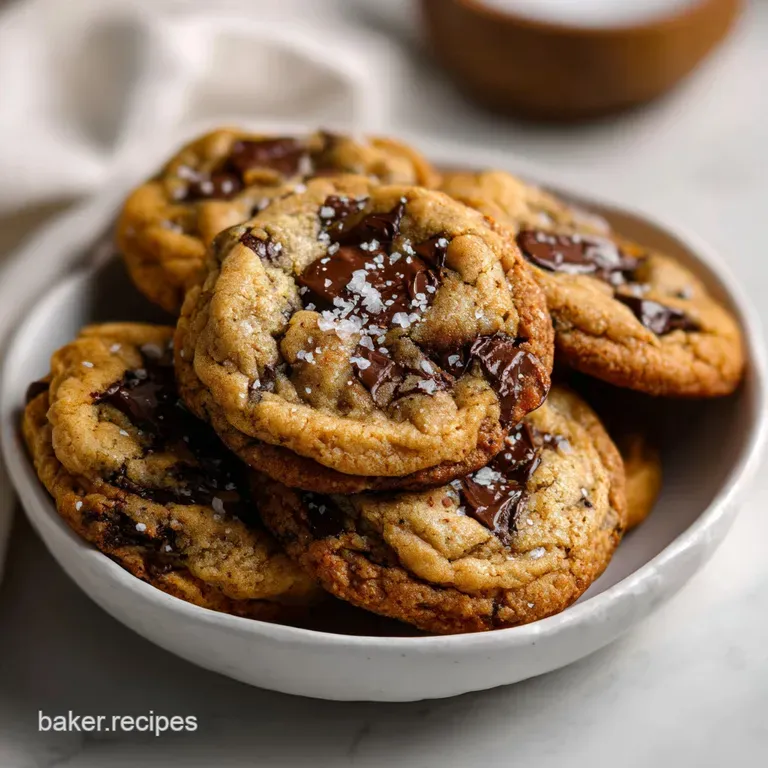
- The Ultimate Upgrade: Brown Butter Chocolate Chip Cookies
- The Science of the Perfect Chew: Why Brown Butter is a Game Changer
- Essential Components for Extraordinary Baked Goods
- Baking Mastery: A Step-by-Step Guide to Perfection
- Troubleshooting and Expert Secrets for Gourmet Results
- Maximizing Freshness: Storing Your Homemade Treats
- Dessert Pairings and Elevated Presentation Ideas
- Recipe FAQs
- 📝 Recipe Card
The Ultimate Upgrade: Brown Butter Chocolate Chip Cookies
Oh, friend, listen up. There is truly nothing better than the smell of baking butter and brown sugar wafting through your house; it’s basically mandatory home therapy, right?
That deep, comforting aroma is the promise of sweet reward, and today we are absolutely nailing the foundational elements of the best Cookie Recipes you could ever make.
We’re aiming for bakery quality, gourmet treats that shatter perfectly on the edges but stay molten and chewy in the center.
The classic chocolate chip cookie is simple, sure, but perfecting it can be a nightmare of flat discs and greasy results if you don't respect the process. This isn't just an easy fix; it’s an elevation.
By using brown butter, we skip past average to create deep, nutty complexity, proving that the most celebrated Cookie Recipes require just a few small, but critical, steps.
Forget your old stand-by; this recipe is about intention and precision. We are unlocking deep, toffee like notes that make these far superior to your typical easy cookie recipes chocolate chip versions.
So grab your mixing bowl, let’s get the heat on, and let me walk you through the precise science of making truly extraordinary Cookie Recipes from scratch.
The Science of the Perfect Chew: Why Brown Butter is a Game Changer
The secret to superior Cookie Recipes lies in understanding ingredient transformation. We aren't just melting the butter; we are toasting the milk solids within it. This process, which takes only minutes, radically changes the flavor profile of the entire dough.
What Makes Brown Butter Superior to Melted Butter?
When you melt butter and continue cooking it, the water evaporates and the milk proteins caramelize and toast. This creates beurre noisette , a French term meaning hazelnut butter.
Because the water content is lowered, you achieve a higher concentration of fat, which yields a richer, fudgier chew in the final bake. It's truly a game changer for any of your favorite Cookie Recipes .
Profile Breakdown: Crisp Edges Meets Chewy Centers
The combination of both granulated and brown sugar is strategic. Granulated sugar promotes spread and crispness on the edges, while the high molasses content in brown sugar retains moisture, resulting in that coveted chewy center.
We also use a minimal amount of baking soda, which gives lift without excessive puffiness, keeping the cookie dense where it matters most.
The Final Flourish: Why We Add Flaky Sea Salt
That sprinkle of flaky sea salt on top? It's non-negotiable. Salt doesn't just cut sweetness; it enhances the complexity of the chocolate and the caramel notes of the brown butter. It gives the cookie a necessary textural contrast, creating a flavor explosion in every bite.
Maillard Reaction: Unlocking Nutty, Caramelized Flavors
The Maillard reaction is the fancy term for what happens when we brown the butter. It’s the same chemical reaction that makes a seared steak or toasted marshmallow taste so amazing.
In our butter, the amino acids and sugars rearrange themselves under heat, resulting in hundreds of new flavor compounds deeply nutty, toasted, and rich.
Temperature Control: The Importance of Chilling the Dough
I know you want to skip this step, but don’t you dare! Chilling the dough, ideally for at least 45 minutes, does two key things. First, it allows the flours to fully hydrate, preventing a gritty texture.
Second, and most importantly for all Cookie Recipes , it solidifies the fat, preventing excessive spread in the hot oven. Cold dough means thick, substantial cookies every time.
Balancing Act: The Role of Sugars in Texture
If you use too much white sugar, the cookie will spread too thin and be overly brittle. If you use only brown sugar, they might be too cakey. That specific ¾ cup brown to ½ cup white ratio is the sweet spot that guarantees the perfect balance of moisture retention and crisp edge development.
This combination is essential for chewy cookie recipes without eggs, too, if you adapt the base formula.
Essential Components for Extraordinary Baked Goods
The quality of your ingredients dictates the quality of your finished treat. Don't skimp here! This is where you elevate those small batch cookie recipes easy enough for a weeknight into something truly spectacular.
Grading the Fats: Choosing the Right Quality Butter
Always start with high-quality unsalted butter. Why unsalted? Because we are controlling the salt content ourselves, allowing us to add the precise amount of fine salt in the dough, and then finishing with the flaky salt on top. If you must use salted butter, reduce the fine salt in the recipe to ¼ teaspoon.
Chocolate Selection: Best Types of Chips and Chunks
Forget the tiny, waxy chips. For the best result in these cookie recipes from scratch, use large, high-quality chocolate chunks or a chopped baking bar (60 70% cacao). The larger pieces create those beautiful, gooey puddles of chocolate when they bake.
Tip: Reserve about ¼ cup of chunks to press into the tops of the scooped dough before baking for maximum visual appeal.
Flour and Leaveners: Achieving Optimal Rise and Spread
I strongly recommend weighing your flour (270g) rather than scooping with cups, as too much flour is the number one cause of dry, crumbly results. We use baking soda here, which reacts faster than baking powder, helping the dough start spreading immediately before it sets up due to the cold fat.
Ingredient Swaps and Dietary Adjustments
If you are looking for easy cookie recipes chocolate chip style but need to adjust for allergens, here are my tried and true substitutions.
| Ingredient | Substitute | Note/Tip |
|---|---|---|
| Unsalted Butter | high-quality Vegan Butter Sticks (e.g., Miyoko’s) | Brown gently on medium low heat. |
| Brown Sugar | Coconut Sugar | Results in slightly less spread and deeper color. |
| All-Purpose Flour | 1:1 gluten-free Blend (King Arthur or Bob’s Red Mill) | Add 1 tsp Xanthan Gum if the blend doesn't include it. |
| Eggs | 2 Flax Eggs (2 Tbsp Flax Meal + 6 Tbsp Water) | Must chill dough longer ( 2 hours minimum) for binding. These are great chewy cookie recipes without eggs if you nail the chilling time! |
Baking Mastery: A step-by-step Guide to Perfection
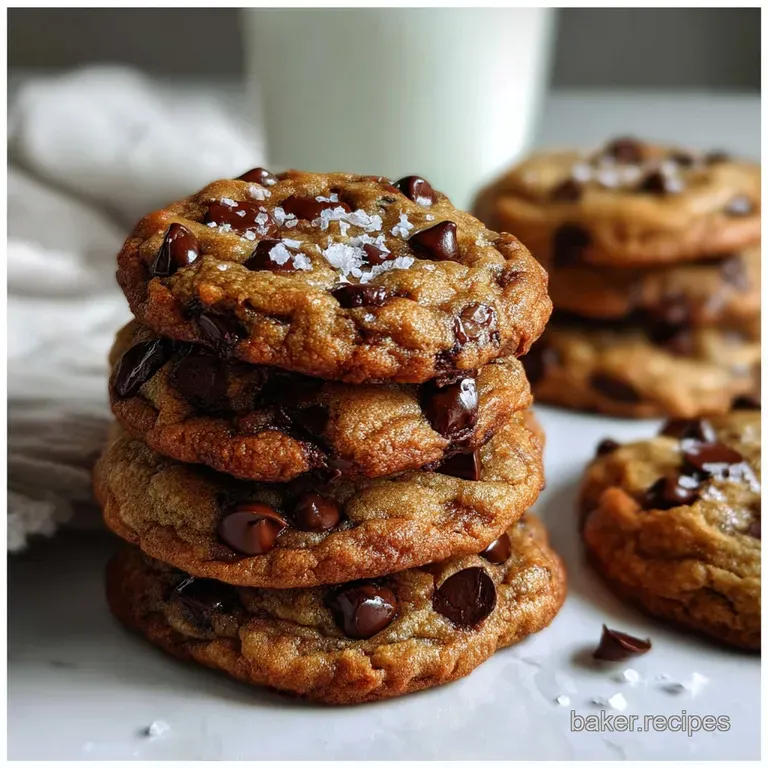
This is the process I follow every single time, ensuring consistency for all my classic Cookie Recipes , whether I'm whipping up a batch of these or trying to get the perfect cut in my Christmas Cookies: Spiced Shortbread That Holds Its Shape .
The Browning Process: Reaching the Perfect Amber Color
Start with cold butter, cut into chunks. Use a light colored pan so you can easily see the milk solids changing color. Cook over medium heat, stirring constantly. Once the foaming subsides, watch for the tiny brown specks forming on the bottom of the pan that’s your flavor!
When the butter smells deeply nutty, like caramelized toffee, remove it immediately and pour it into your mixing bowl. Don't let it go black; burnt butter tastes awful.
Creaming vs. Mixing: Incorporating Wet and Dry Ingredients
Because we are using liquid brown butter, we aren't "creaming" in the traditional sense. We are simply mixing the sugars vigorously into the warm (but not hot!) butter until the mixture is uniform and shiny. Then, beat the eggs in one at a time, ensuring each one is fully emulsified before adding the next.
When adding the dry ingredients, mix only on low speed, just until the streaks of flour disappear. Overmixing develops gluten, which leads to tough, cakey cookies.
Scooping Technique and Dough Rest Time
I use a standard 3 tablespoon ice cream scoop for uniformity it guarantees every cookie bakes evenly. Once scooped, place the dough balls snugly together on a plate or small tray covered with cling film and get them straight into the fridge.
I’m serious about the chill time; it’s non-negotiable for thick, luxurious cookies. If you are doing a small batch cookie recipes easy for one, you still need to chill those few dough balls!
Oven Dynamics: Achieving Uniform Baking Across Batches
Preheat your oven fully (use an oven thermometer if you suspect inaccuracy). Bake only one sheet at a time on the center rack. Hot air needs to circulate freely, and trying to bake two sheets simultaneously often results in uneven baking and unnecessary spreading.
When you rotate the pan halfway through the bake time, you ensure uniform golden color across the entire batch.
Troubleshooting and Expert Secrets for Gourmet Results
Even with the best instructions, things can go wrong. These simple fixes will salvage your best Cookie Recipes and make you look like a pro.
Preventing Flat Cookies: Common Dough and Temperature Issues
If your cookies spread too much and look like thin discs, the butter was likely too warm when mixed with the sugar, or you didn't chill the dough long enough (or at all!). Ensure your baking soda is fresh, too.
Another common issue in making perfect Cookie Recipes is baking on warm sheets; always use cool, parchment lined trays.
The Scoop on Salt: When and How to Sprinkle the Flakes
The fine salt goes in the dough to season it internally. The flaky sea salt (like Maldon) goes on top of the dough balls just before baking, and sometimes again immediately after they come out of the oven.
This ensures that powerful saline burst hits your palate when you bite into the cookie.
Must Know Adjustments for High Altitude Baking
For those of us baking at 3,500 feet or higher, high altitude baking often means rapid evaporation and over spreading. Try adding 2 tablespoons of extra flour to the recipe to compensate for the lower moisture content and reduce the baking soda by about ¼ teaspoon.
This helps maintain structure and prevent excessive rise.
Maximizing Freshness: Storing Your Homemade Treats
Nobody wants a stale cookie! Learning proper storage extends the life of all your Cookie Recipes , ensuring they stay fresh for days.
Short Term Storage: Keeping Baked Cookies Soft
Once fully cooled, store baked cookies in an airtight container at room temperature. Pro Tip: Throw half a slice of plain white bread into the container with the cookies. The cookies will absorb moisture from the bread, keeping them softer for longer.
They usually stay great for 3 4 days this way.
Freezing Cookie Dough: Ready-to-Bake Convenience
Cookie dough freezes beautifully. Scoop the dough balls, place them on a parchment lined sheet, and freeze solid (about 2 hours). Transfer the frozen balls to a heavy duty freezer bag or container. They last up to 3 months! This is the ultimate meal prep for easy cookie recipes! When you want one, just pop a frozen ball onto a sheet and bake as directed, adding 2– 4 minutes to the baking time. It’s perfect for when you suddenly need a batch of my famous Peanut Butter Blossom Cookies: The Ultimate Chewy Recipe .
Reviving Day-Old Cookies
If your batch has gone a bit hard, place one or two cookies on a plate and microwave them for 8 12 seconds. They will emerge soft and warm, making them taste almost fresh out of the oven again.
Dessert Pairings and Elevated Presentation Ideas
These brown butter treats are among the best Cookie Recipes to serve guests, especially when they are still slightly warm and gooey. They deserve a moment!
Use them to create sophisticated ice cream sandwiches. I love pairing them with an espresso or salted caramel ice cream. Or, if you’re hosting a casual afternoon gathering, serve them alongside a classic cup of hot cocoa, perhaps topped with fresh whipped cream and a dusting of cinnamon.
If you’re feeling extra festive and want to branch out from this chocolate chip favorite, remember that even sugar cookie recipes small batch style can be transformed using the brown butter method, adding a lovely depth to your standard holiday fare.
The subtle nutty flavor of these cookies also means they pair beautifully with aged cheeses, making them an unexpected, yet fantastic, addition to a post dinner dessert board alongside fruit and honey.
If you master this foundation, you will never need another basic chocolate chip recipe again. These Cookie Recipes truly are the best. Now go forth and bake!
Recipe FAQs
Why did my brown butter cookies spread too thin?
Excessive spreading is typically caused by insufficient chilling time or using butter that was too warm when mixed. Since this recipe uses brown butter (which starts hot), ensure the butter is cooled down to room temperature before mixing, and absolutely chill the formed cookie dough balls for at least 30 minutes before baking.
How do I know when the brown butter is perfectly ready?
The butter is ready when the foam subsides, the milk solids at the bottom turn a deep amber colour, and it emits a rich, toasted, nutty aroma. Be vigilant during this process, as the difference between perfectly browned and burnt is only a matter of seconds; immediately pour it into a mixing bowl to halt the cooking.
Can I make this recipe gluten-free, and if so, how?
Yes, this recipe adapts very well to gluten-free alternatives. Substitute the all-purpose flour cup-for-cup with a quality gluten-free blend that already contains xanthan gum for appropriate structure and chew. Ensure all other ingredients remain consistent.
My cookies came out dry and slightly cakey. What went wrong?
A dry or cakey texture usually indicates that too much flour was incorporated, or the flour was over mixed, developing too much gluten. For best results, measure flour by weight if possible, and stop mixing the dough the moment the last streaks of flour disappear.
Can I freeze the cookie dough for later use?
Absolutely; this dough freezes exceptionally well. Scoop the dough balls onto a baking sheet, freeze them until solid, and then transfer them to an airtight freezer bag or container for up to three months. When ready to bake, cook straight from frozen, adding 3 5 minutes to the total baking time.
How long do the baked brown butter cookies stay fresh?
The baked cookies are best consumed within 3 to 4 days when stored in an airtight container at room temperature. To help maintain their moist, chewy texture, place a half slice of plain sandwich bread in the container to absorb moisture loss.
Is it important to use both white and brown sugar, or can I use only one type?
The balance of sugars is vital for texture; brown sugar adds critical moisture and chewiness due to the molasses content, while white sugar promotes spread and crisp edges. Using only one type will drastically alter the texture using only brown sugar results in a puffy, soft cookie, while using only white sugar yields a thinner, crispier result.
Brown Butter Cookie Recipes
Ingredients:
Instructions:
Nutrition Facts:
| Calories | 767 kcal |
|---|---|
| Protein | 7.7 g |
| Fat | 34.6 g |
| Carbs | 106.4 g |
