Toffee Bars: Salted Caramel Pecan Crunch Recipe
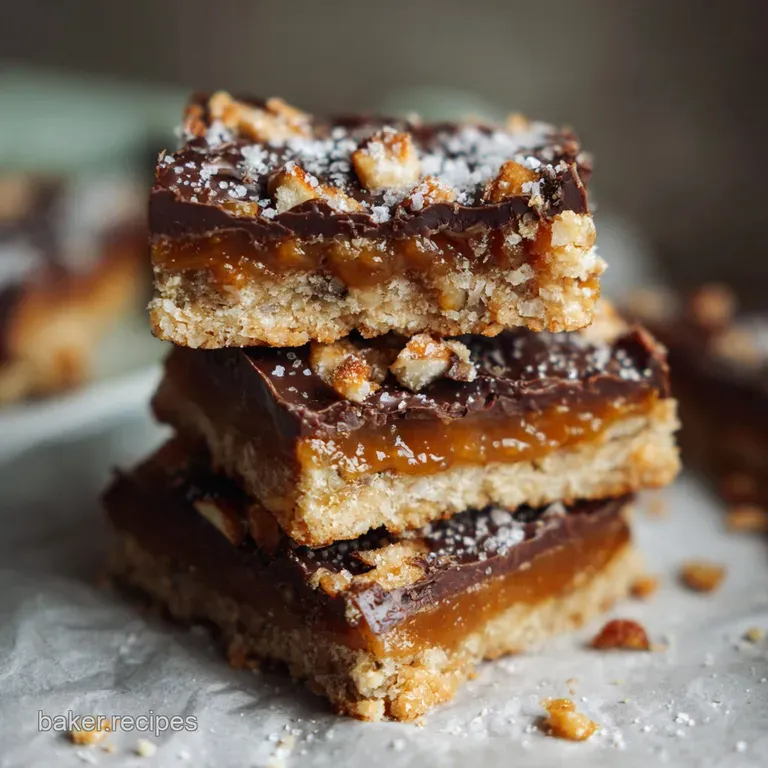
- The Perfect Balance: Why These Salted Toffee Crunch Bars Triumph
- Mastering Texture: The Science Behind Perfect Toffee Snap and Chew
- Gathering Your Gold: Essential Components for Layered Confections
- Baking Excellence: A Phase-by-Phase Guide to Homemade Caramel Treats
- Troubleshooting Toffee: Avoiding Graininess and Cracking
- Keeping Your Confection Fresh: Optimal Preservation for Toffee Treats
- Elevated Enjoyment: Pairings and Presentation Ideas
- Recipe FAQs
- 📝 Recipe Card
The Perfect Balance: Why These Salted Toffee Crunch Bars Triumph
When that rich, buttery aroma hits your kitchen, you know you’re about to have a very good day. We’re talking about toffee bars , a genuinely perfect combination of snap, chew, and chocolate that makes every single person stop and ask for the recipe.
These are the ultimate cookie bar, especially when they feature that glorious salty finish.
I know what you’re thinking: making homemade toffee sounds terrifying and complicated. But trust me when I say this is one of the easiest toffee bars recipe out there.
It uses simple pantry ingredients, and the process is surprisingly quick once you get over the initial fear of boiling sugar. This recipe is cheap, cheerful, and always wins the bake sale, making it an absolute lifesaver.
We’re going to walk through the process together, focusing on those small, essential details that separate a good bar from the truly best toffee bars . Get your heavy saucepan and your favorite apron ready, because we are diving headfirst into pure, buttery, layered magic.
Mastering Texture: The Science Behind Perfect Toffee Snap and Chew
The genius of this layered confectionery lies in the structural harmony. We combine the sturdy tenderness of a shortbread base with the intense chewiness of a real English toffee layer. This balance ensures you don’t end up with a brittle candy that shatters your teeth, or a dense, soggy mess.
The key to perfect texture in these pecan toffee bars is two-fold. First, we use genuinely cold butter in the shortbread, which ensures the crust is delicate and tender. Second, we are aiming for the specific firm ball stage (245°F / 118°C) in the toffee.
Hitting that temperature exactly gives you a stable toffee that chews slightly but still has that satisfying crunch.
Deconstructing the Layers: Shortbread, Toffee, and Toppings
This recipe is built in three glorious phases. The foundation is the shortbread it must be robust enough to handle the boiling liquid poured over it. Next, the toffee layer, which gets its depth from brown sugar and heavy cream.
Finally, the melted chocolate, which acts as a delicious, fudgy binder for the toasted pecans and the crucial flaky sea salt finish.
Equipment Checklist: Essentials for Bar Baking
You don’t need much fancy gear for these toffee bars . But please, invest in a heavy bottomed medium saucepan. Thin pots heat unevenly and will burn your sugar, resulting in a nasty, acrid toffee.
A sturdy 9x13 metal pan is also essential for even baking, and the parchment paper sling is non-negotiable for easy removal.
Prep Time and Yield Estimation
Active prep time for these delightful salted caramel toffee bars is only about 20 minutes, mostly spent creaming butter and lining the pan. The yield is typically 24 good sized squares.
Since the chill time is the longest part (about two hours), I often make the shortbread base the night before and let it sit in the freezer.
Achieving the Ideal Shortbread Foundation
The best toffee bars with shortbread crust start with cold butter. Creaming cold, cubed butter with sugar takes longer than using softened butter, but the payoff is immense. This method limits gluten development, resulting in a tender, melt-in-your mouth crust.
Don’t skip the docking step pricking the crust with a fork prevents steam from building up and creating unwanted bubbles.
The Critical Toffee Temperature Zone (Hard Ball Stage)
This is the one area where being fastidious pays off. We are aiming for 245°F (118°C). This temperature gives you the perfect stability and chewiness. If you want a fun variation, you should definitely try my Homemade Toffee Crunch The Ultimate Salted Dark Chocolate Recipe , but for these bars, stick to 245°F for that softer bite.
How Sea Salt Elevates the Caramel Flavor Profile
Seriously, the flaky sea salt on top is the grand finale. It doesn’t just add texture; the salt cuts through the richness of the butter and sugar, deepening the brown sugar’s caramel notes. It’s what transforms this from a standard dessert into a truly addictive confection.
Gathering Your Gold: Essential Components for Layered Confections
We keep the ingredient list simple for these easy toffee bars . They rely on high-quality ingredients to shine, so try to splurge a little on the butter and the vanilla extract.
Flour, Fat, and Sugar: Building the Buttery Base
For the shortbread, we use simple all-purpose flour. The fat comes from cold, unsalted butter, and granulated sugar keeps the base light. We also incorporate two egg yolks; this is my sneaky trick!
The yolks add richness and emulsify the dough slightly, ensuring the shortbread remains tender and doesn't crumble apart when you try to slice the final toffee bars .
Butter Matters: Choosing the Right Dairy for Toffee
You must use real, unsalted butter in both the shortbread and the toffee layer. Why unsalted? Because we control the salt! High fat European style butter will give you the deepest flavor in the toffee.
Do not try to substitute margarine or anything whipped here; it will compromise the final texture, leading to an oily mess instead of proper toffee.
Ingredient Swaps and Allergy Alternatives
| Ingredient | Substitute Suggestion |
|---|---|
| Pecans | Toasted walnuts, sliced almonds, or crushed pretzels (nut-free) |
| Heavy Cream | Evaporated milk (less rich, but works in a pinch) |
| All-Purpose Flour | 1:1 gluten-free Baking Blend (add a pinch of xanthan gum if necessary) |
| Brown Sugar | Granulated sugar (will result in a lighter, less molasses rich flavor) |
Sourcing Quality Chocolate and Pecans
Use chocolate chips that you actually enjoy eating plain. If you use waxy, cheap chocolate, you’ll taste it. Semi sweet or milk chocolate works best here. And please, toast your pecans! Toasting nuts brings out their oils, vastly increasing their flavor profile.
You want those crunchy, pecan toffee bars to sing, not whisper.
Baking Excellence: A Phase-by-Phase Guide to Homemade Caramel Treats
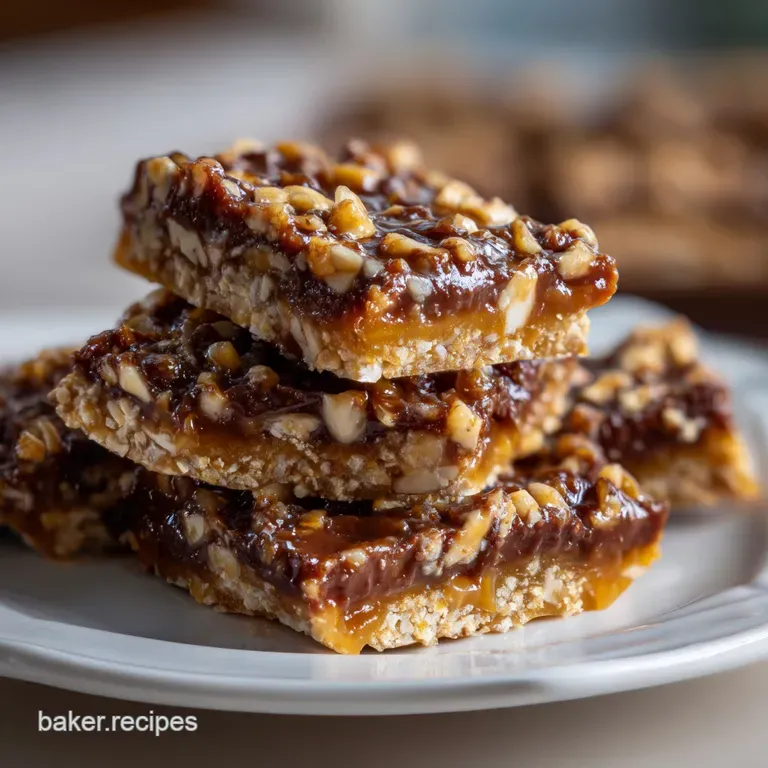
Follow these steps exactly for guaranteed success with your toffee bars recipe easy method.
Phase 1: Creating and Par-Baking the Shortbread Crust
Preheat your oven to 350°F (175°C). Line the 9x13 pan with parchment paper, leaving generous overhangs this parchment sling is vital for clean slicing later. Cream your cold butter, sugar, and salt until fluffy and pale. Beat in the yolks, then mix in the flour just until the dough comes together.
Press the dough evenly into the prepared pan. Crucial Tip: Prick the entire surface with a fork, then chill it in the freezer for 15 minutes. Bake for 20 minutes until the edges are just light gold.
Phase 2: Boiling and Pouring the English Toffee Layer
In your heavy bottomed saucepan, combine the butter, brown sugar, heavy cream, and fine salt. Melt them over medium heat, stirring until the sugar is fully dissolved and the mixture is smooth. Increase the heat slightly and bring it to a vigorous, rolling boil. Do not stir from this point!
Only swirl the pan gently if you need to redistribute the heat. Cook until the mixture reaches 245°F (118°C), when it will be deep amber and smell incredibly nutty and rich. Remove immediately and stir in the vanilla extract quickly.
Phase 3: Finishing the Bars: Melting, Spreading, and Setting
Pour the hot toffee immediately and evenly over the warm, pre-baked crust. Work quickly because it sets fast. Return the pan to the oven for 15 minutes, allowing the toffee to bubble consistently. This second bake helps marry the two layers.
Remove the pan and scatter the chocolate chips over the hot toffee. Let them sit for five minutes until they look melted and glossy. Use an offset spatula to spread the chocolate evenly, then sprinkle with toasted pecans and a generous dusting of flaky sea salt.
Achieving the Perfect Uniform Thickness
The shortbread base should be pressed into a completely flat, uniform thickness across the entire pan. If one side is thicker than the other, the toffee will pool in the lower section, resulting in inconsistent bite and texture. Take the extra minute to smooth it out before chilling.
Troubleshooting Toffee: Avoiding Graininess and Cracking
Chef’s Note: The number one killer of homemade toffee is agitation. Once the sugar mixture boils, sugar crystals can grab onto the sides of the pan. If you stir them in, the whole batch will seize and turn grainy. Use a wet pastry brush to wash those crystals down, or just swirl the pan.
Stop stirring!
Preventing Oil Separation in the Toffee
If your toffee looks greasy or separated (like a layer of oil floating on top), your heat was likely too high, or you stirred too violently before the butter had fully emulsified. If it separates, take it off the heat, whisk vigorously for 30 seconds, and try adding a tiny splash of heavy cream to bring it back together before returning to the heat.
Cutting the Bars Cleanly: The Essential Cooling Strategy
Do NOT attempt to cut your toffee bars while they are even slightly warm. They must be completely chilled. Use the parchment sling to lift the entire slab onto a cutting board. Use a large, heavy, sharp knife.
If the toffee still cracks (especially if you went slightly over the 245°F mark), run your knife under very hot water, wipe it completely dry, and then make a swift cut. Repeat the hot water trick between every slice.
Keeping Your Confection Fresh: Optimal Preservation for Toffee Treats
One of the beautiful things about these toffee bars with shortbread crust is how well they keep. They are perfect for making ahead of time for parties or holiday trays, perhaps alongside my Christmas Desserts: Cranberry Clementine Sticky Toffee Pudding if you're feeling ambitious.
Storing Toffee Bars at Room Temperature
Once fully set and cut, these bars will stay absolutely perfect at cool room temperature for up to 5 days. Store them in an airtight container. If you live somewhere humid, you might want to consider the fridge, but room temp is usually best for texture.
Long Term Freezing Instructions
But does it freeze well? You bet. Place the fully cooled and cut bars on a baking sheet lined with parchment paper and flash freeze them for one hour. Once solid, transfer them to a freezer safe bag or container, separating the layers with parchment paper. They will last for up to 3 months.
Thaw them overnight in the refrigerator before bringing them up to room temperature for serving.
Avoiding Stickiness: Layering and Airtight Containers
Sticky bars are a nightmare. The best way to prevent the chocolate from adhering to the container is to ensure they are fully cooled and set before storing. When layering, use wax paper or parchment squares between rows.
Air is the enemy of fresh baking, so an excellent airtight container is key to keeping those chocolate and pecan toffee bars crisp and fresh.
Elevated Enjoyment: Pairings and Presentation Ideas
These salted caramel toffee bars are intense, rich, and deeply satisfying. They pair beautifully with a strong beverage that cuts through the sweetness. Serve them with robust black coffee, or try them slightly warmed with a scoop of sharp lemon sorbet the contrast is divine!
The Toffee Test: Why a Candy Thermometer is Non-Negotiable
Trying to eyeball boiling sugar is like trying to guess the weather you might get lucky, but you’ll probably end up soaked. A simple, inexpensive digital candy thermometer is the key to mastering the best toffee bars . It removes all the guesswork and ensures you hit 245°F every time.
Seriously, trust me on this. It’s the difference between chewy perfection and brittle failure.
Cutting the Bars Cleanly: The Essential Cooling Strategy
As mentioned, chilling is non-negotiable. Don't rush this process! A fully chilled bar provides sharp, beautiful edges. This is how you achieve those professional looking cuts every single time. Take them out of the fridge only when you are ready to slice.
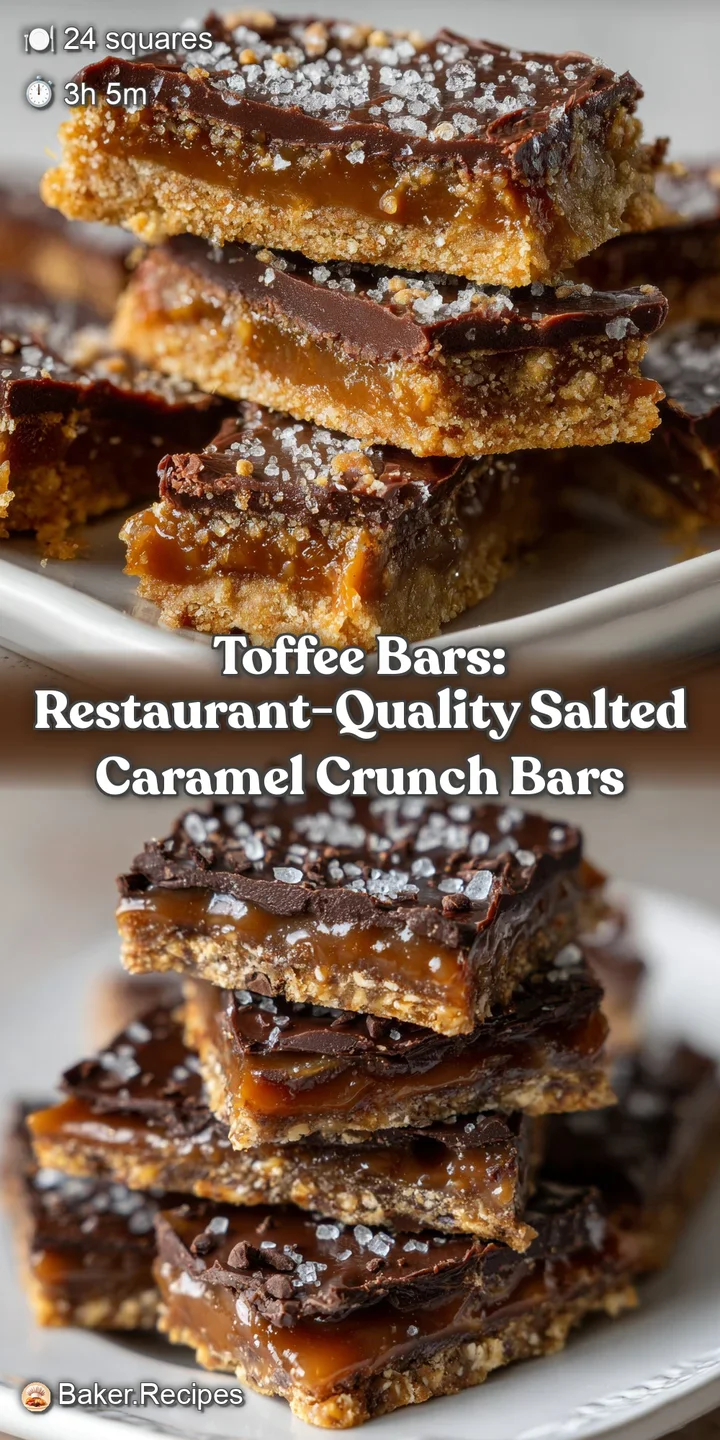
Recipe FAQs
Why did my homemade toffee separate or become grainy after cooking?
This separation, often called 'breaking,' occurs when the fat separates from the sugar mixture, or when sugar crystals reform. Ensure all sugar is completely dissolved before the mixture begins to boil, and avoid stirring vigorously once boiling starts, as this can encourage crystallization.
What is the correct temperature for the toffee layer to ensure a crisp snap?
The ideal temperature for English toffee is between 285°F and 300°F (140°C 149°C), known as the Hard Crack stage. Using a reliable candy thermometer is essential, as undercooking will result in a soft or chewy toffee, while overcooking leads to burning.
How should I store the finished toffee bars, and how long do they last?
Store the toffee bars in an airtight container at cool room temperature for up to 5 days; if stacking layers, use parchment paper to prevent sticking. For longer preservation, the cooled bars can be frozen for up to two months, though freezing may slightly diminish the crispness of the toffee.
Why is my shortbread base tough and overly crumbly?
A tough base usually means you over mixed the dough after adding the flour, developing the gluten unnecessarily. A crumbly base suggests the butter wasn't fully incorporated, or you did not press the mixture firmly enough into the pan before baking. Always mix until just combined for a truly delicate shortbread.
Can I make these toffee bars without pecans or use a different type of nut?
Yes, the pecans are entirely optional for those with allergies or preferences; just skip them or substitute them with an equal weight of other nuts. Walnuts, sliced almonds, or pistachios work wonderfully and provide a similar crunch and complementary flavor profile.
I live at high altitude. Do I need to adjust the toffee cooking time?
At high altitudes, water boils at a lower temperature, which means the sugar stages will also occur sooner than at sea level. Reduce the target temperature for the Hard Crack stage by about 2°F for every 1,000 feet above sea level, ensuring you use an accurate thermometer.
Can I use unsalted butter in the recipe instead of salted?
You can certainly use unsalted butter, especially if you want maximum control over the salt content. If you swap to unsalted butter in both the base and the toffee, be sure to increase the pinch of sea salt added to the recipe to enhance the overall flavor profile.
Chewy Pecan Toffee Bars
Ingredients:
Instructions:
Nutrition Facts:
| Calories | 125 kcal |
|---|---|
| Protein | 1.0 g |
| Fat | 7.0 g |
| Carbs | 15.0 g |
