Chocolate Toffee Almond Clusters: Silky Finish
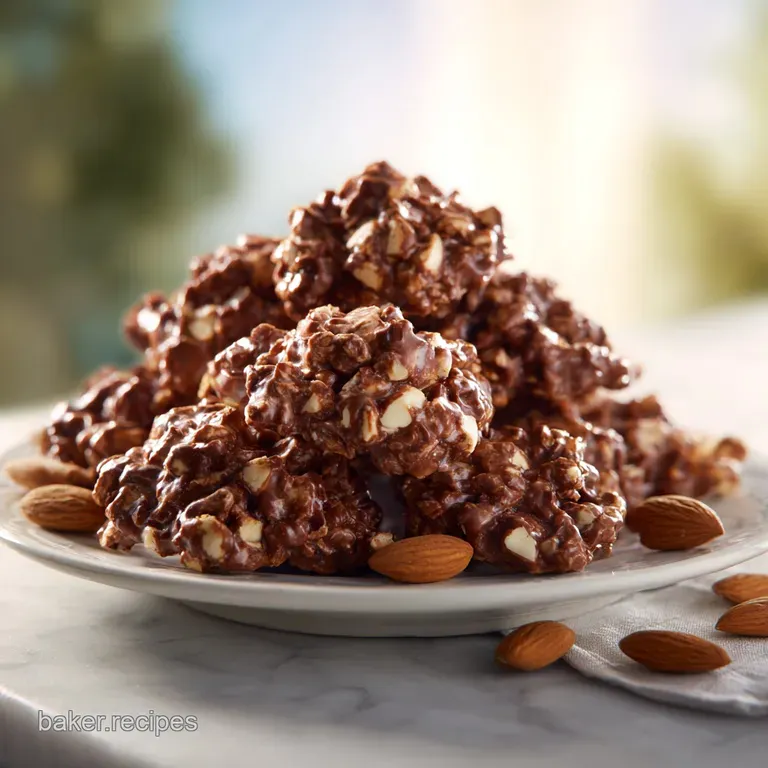
- Time: Active 10 minutes, Passive 10 minutes, Total 20 minutes
- Flavor/Texture Hook: Silky chocolate with a loud toffee shatter
- Perfect for: Last minute gifts or budget-friendly snacking
- Master Effortless Chocolate Toffee Almond Clusters
- The Science Behind Perfect Results
- Understanding Key Recipe Specs
- Gathering Your Culinary Essentials
- Essential Kitchen Equipment Needed
- Clear Step-By-Step Guidance
- Solving Common Kitchen Fails
- Smart Flavor Variations
- Keeping Your Treats Fresh
- Creative Serving Ideas
- Recipe FAQs
- 📝 Recipe Card
Master Effortless Chocolate Toffee Almond Clusters
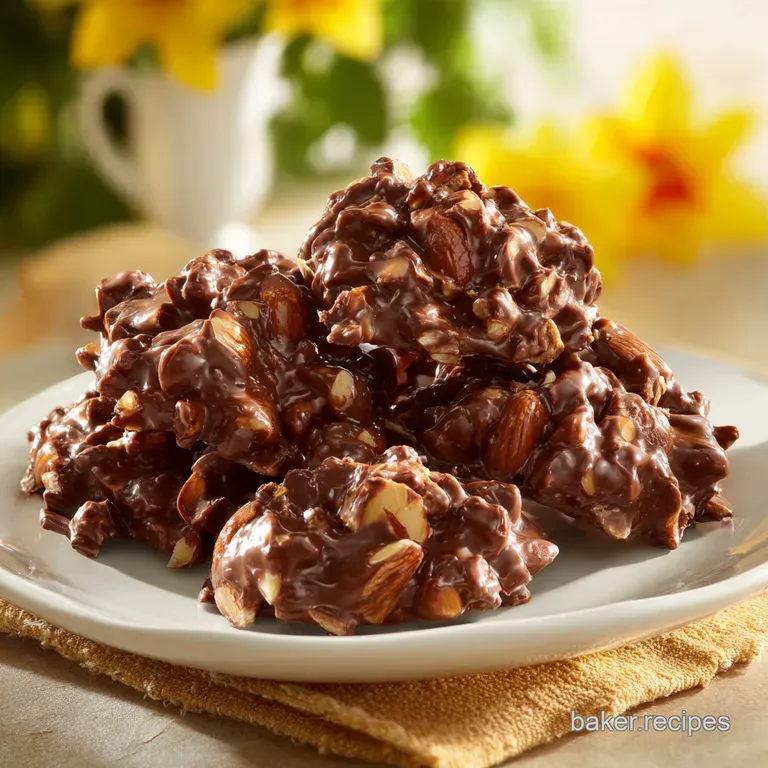
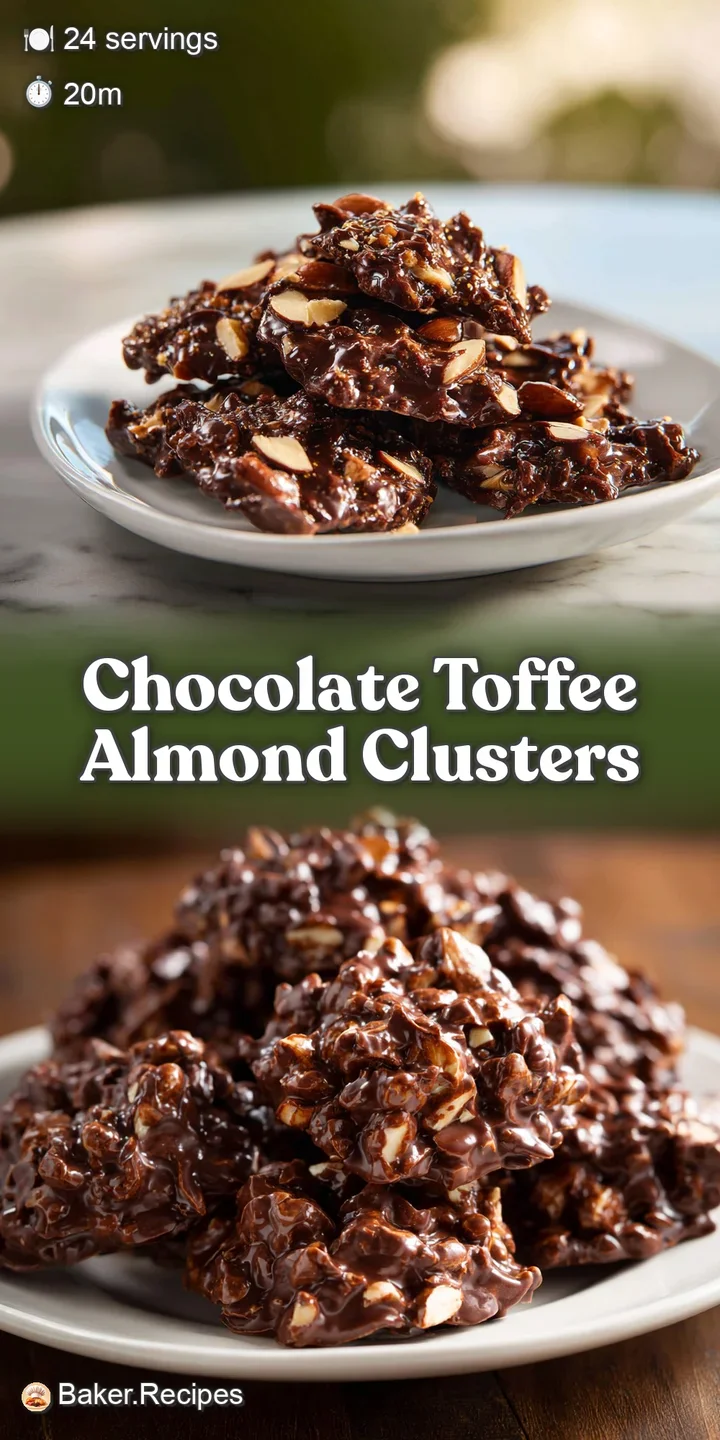
Imagine that specific high pitched crack when you bite into a shell of dark chocolate, followed immediately by the buttery, salty crunch of roasted nuts. That sound is exactly what you get with these clusters.
I remember the first time I made these; it was a total accident born from a nearly empty pantry and a sudden craving for something sweet. I had a bag of plain almonds and some leftover toffee, and within twenty minutes, the whole kitchen smelled like a high end candy shop.
It's the kind of recipe that makes you feel like a pro without requiring any actual technical skill. You don't need a candy thermometer or hours of patience. We are looking for that velvety finish and a clean snap that usually takes years to master.
Trust me, once you see how the light catches the espresso spiked chocolate, you'll never go back to the store-bought versions that often taste more like wax than cocoa.
We are going to focus on getting the most out of every cent spent. By using a few smart techniques with standard ingredients, we can mimic the results of an expensive chocolatier. We'll get to the specifics of how to keep the chocolate from getting that weird white film and how to ensure every almond is perfectly coated.
It is honestly much simpler than people make it out to be.
The Science Behind Perfect Results
Lipid Stabilization: Adding a tiny amount of coconut oil lowers the melting point of the chocolate, giving it a glossier appearance and a smoother "mouthfeel" without requiring complex tempering.
The Espresso Catalyst: Espresso powder contains compounds that suppress the perception of bitterness in dark chocolate, which actually makes the cocoa flavor feel more intense and well rounded.
Maillard Reaction Synergy: The dry roasting of the almonds creates aromatic compounds that bond with the vanillin in the chocolate, creating a deeper flavor profile than raw nuts could ever provide.
| Method | Prep Time | Texture Result | Best For |
|---|---|---|---|
| Microwave | 5 minutes | Smooth & Glossy | Quick weeknight treats |
| Stovetop (Double Boiler) | 10 minutes | Very Velvety | Larger holiday batches |
| Oven (Low Temp Set) | 15 minutes | Firm & Snappy | Gifting and transport |
Choosing your method depends entirely on your patience level, but for most of us, the microwave is the winner. It provides controlled bursts of heat that prevent the chocolate from seizing, which is the most common heartbreak in this process.
Just remember that chocolate continues to melt even after you take it out of the heat source.
Understanding Key Recipe Specs
When we look at the components of this dish, we aren't just looking at ingredients; we are looking at how they interact under heat. The ratio of fat to sugar is what determines if your cluster stays together or turns into a crumbly mess.
In this recipe, we use the almond toffee bits to provide a structural bridge between the liquid chocolate and the solid almonds.
| Component | Science Role | Pro Secret |
|---|---|---|
| Dark Chocolate | Structural Base | Use 60-70% cacao for the best fat to sugar balance. |
| Coconut Oil | Viscosity Modifier | Keeps the chocolate fluid longer, allowing for thinner, crispier coatings. |
| Espresso Powder | Flavor Enhancer | "Blooms" the chocolate notes without adding a coffee taste. |
| Whole Almonds | Texture Foundation | Dry roasted nuts stay crunchy longer when encased in fat. |
The interaction between the sea salt and the toffee bits is what really wakes up your palate. Salt doesn't just make things salty; it actually functions as a flavor magnifier, cutting through the richness of the dark chocolate. This is a trick I also use when making my Homemade Toffee Crunch recipe, where the salt is the star of the show.
Gathering Your Culinary Essentials
For these clusters, we are going to use specific quantities to ensure the balance is just right. You will need 2 cups (280g) of dry roasted and unsalted whole almonds. If you only have raw almonds, don't worry, you can toast them yourself in a pan for a few minutes until they smell nutty.
You also need 10 oz (285g) of dark chocolate. I usually go for a bar and chop it finely myself rather than using chips, as bars often have fewer stabilizers and melt into a more velvety texture.
Next, grab 1/2 cup (80g) of almond toffee bits. These add that essential shatter. For the additives, you'll need 1 tsp (5ml) of virgin coconut oil, 1/4 tsp (1g) of espresso powder, and 1/2 tsp (3g) of flaky sea salt for the topping. The espresso powder is a small amount, but don't skip it.
It acts as a secret bridge between the bitter chocolate and the sweet toffee.
| Original Ingredient | Substitute | Why It Works |
|---|---|---|
| Dark Chocolate | Milk Chocolate | Sweeter profile. Note: Lower melting point, will be softer at room temp. |
| Coconut Oil | Salted Butter | Adds creaminess. Note: Chocolate will set slightly slower. |
| Almond Toffee Bits | Crushed Hard Caramel | Similar crunch. Note: Lacks the nutty undertone of toffee. |
If you find yourself out of almonds, you can easily use pecans or walnuts, though the crunch will be slightly softer. If you are a fan of that nutty profile, you might also enjoy the texture of these Beachy Cinnamon Almond Cookies, which use similar ingredients but in a different format.
Essential Kitchen Equipment Needed
You don't need a fancy lab for this, but a few specific tools make the process much cleaner. A glass or ceramic bowl is better for melting chocolate than plastic, as plastic can hold onto odors or moisture that might ruin the chocolate. You also want a silicone spatula.
Since chocolate is sensitive to moisture, a silicone spatula is better than wood, which can harbor hidden water droplets that cause the chocolate to seize.
A large baking sheet lined with parchment paper or a silicone mat is mandatory. This ensures your clusters don't stick and gives them a smooth bottom. Finally, two small spoons are your best friends for portioning.
Using spoons instead of your hands keeps the chocolate from melting against your skin and ensures the clusters stay airy rather than packed tight.
Chef Tip: Freeze your almonds for 10 minutes before mixing them into the warm chocolate. This helps the chocolate set faster on the surface of the nut, creating a thicker, more even coating.
Clear step-by-step Guidance
- Prepare your surface. Line a large baking sheet with parchment paper. Note: This prevents the chocolate from sticking and makes cleanup instant.
- Chop the chocolate. Finely dice the 10 oz of dark chocolate into uniform pieces. Note: Smaller pieces melt evenly and prevent hot spots that can burn the cocoa.
- Melt the base. Place the chocolate and 1 tsp of coconut oil in a glass bowl. Heat in 20 second intervals until velvety and fluid.
- Infuse the flavor. Stir the 1/4 tsp of espresso powder into the melted chocolate. Note: The oil helps the powder dissolve completely without grittiness.
- Combine the crunch. Fold in the 2 cups of roasted almonds and 1/2 cup of toffee bits. Stir until every nut is fully encased.
- Portion the clusters. Drop rounded tablespoons of the mixture onto the parchment paper. Note: Keep them about an inch apart to allow for airflow.
- Season the tops. Sprinkle the 1/2 tsp of flaky sea salt over the clusters while they are still wet. Watch for the salt to stick firmly.
- Set the treats. Place the tray in the refrigerator for 10 to 15 minutes. Wait until the chocolate is matte and firm.
- Final check. Gently peel one cluster off the paper. It should pop off with a clean snap.
- Store properly. Transfer to an airtight container once fully set.
Solving Common Kitchen Fails
The most frustrating thing that can happen is the chocolate "seizing." This happens when even a single drop of water gets into the melting chocolate, turning it from a silky liquid into a gritty, clumpy mess.
If this happens, you can sometimes save it by stirring in a teaspoon of boiling water very quickly, but it's better to avoid it by keeping all your tools bone dry.
Why Your Chocolate Looks Dull
If your clusters come out looking grey or matte rather than glossy, it's usually due to temperature shock. This is called "bloom." It happens when the fat separates from the cocoa solids. While it doesn't look as pretty, it is still perfectly safe to eat.
To avoid this, don't overheat the chocolate and try to let it set in a cool, dry place rather than a humid fridge.
| Problem | Root Cause | Solution |
|---|---|---|
| Gritty Texture | Overheated Chocolate | Melt in shorter bursts at 50% power. |
| Soft/Melting | Too Much Oil | Stick to the 1 tsp measurement precisely. |
| Toffee Sinking | Chocolate Too Hot | Let chocolate cool for 2 minutes before adding toffee. |
Why Your Clusters Won't Set
If you find that your clusters stay soft even after an hour in the fridge, it's likely a ratio issue. If you used a chocolate bar with a very high fat content or added too much coconut oil, the structure won't hold up at room temperature.
You can fix this by keeping them stored in the freezer, which actually gives them an incredible, icy shatter that many people prefer anyway.
Common Mistakes Checklist:
- ✓ Ensure all bowls and spoons are 100% dry before starting.
- ✓ Use a low power setting on the microwave to avoid scorching the bottom.
- ✓ Don't skip the "resting" period; the toffee needs time to bond with the chocolate.
- ✓ Avoid using "candy melts" if you want a real chocolate flavor; they are mostly sugar and palm oil.
Smart Flavor Variations
If you want to move away from the classic dark chocolate profile, there are plenty of ways to shake things up without breaking the bank. Switching to a high-quality milk chocolate can make these more kid friendly, though you should reduce the coconut oil slightly as milk chocolate is naturally softer.
You can also try swapping the almonds for smoked sea salt almonds to get a savory sweet vibe that is incredibly addictive.
- Tropical Profile: Swap the espresso for a teaspoon of lime zest and add 2 tablespoons of toasted coconut flakes to the mix.
- Spicy Kick: Add a pinch of cayenne pepper or ancho chili powder to the melted chocolate for a Mexican chocolate inspired heat.
- White Chocolate Raspberry: Use white chocolate and replace the toffee with freeze dried raspberry pieces for a tart, creamy version.
When working with white chocolate, be even more careful with the heat. White chocolate has a much lower burning point than dark chocolate because of the high sugar and milk solid content. I often use a similar delicate touch when making my How to Make recipe, where temperature control is everything for that silky finish.
Keeping Your Treats Fresh
These clusters are surprisingly hardy. You can keep them in an airtight container at room temperature for up to two weeks, provided your kitchen isn't too warm. If you live in a humid climate, the fridge is your best friend to keep that snap sharp.
Just make sure the container is truly airtight, or the chocolate might pick up "fridge smells" like onions or leftovers.
For long term storage, these freeze beautifully. You can keep them in a freezer bag for up to three months. When you're ready to eat them, just pull them out and let them sit for five minutes. They actually taste fantastic straight from the freezer on a hot day.
To reduce waste, any leftover chocolate bits or "dust" from the bottom of the container can be saved and stirred into your morning oatmeal or yogurt.
Creative Serving Ideas
While these are great as a grab and-go snack, they also work well as part of a larger spread. I love putting them on a charcuterie board alongside some sharp cheddar cheese and green apples.
The bitterness of the dark chocolate and the saltiness of the toffee play off the acidity of the fruit and the creaminess of the cheese in a way that feels very intentional.
- The Coffee Break: Serve two or three clusters alongside a hot espresso or a dark roast coffee.
- Dessert Toppers: Roughly chop a few clusters and sprinkle them over vanilla bean ice cream or a chocolate mousse.
- Gift Bags: Place five clusters in a clear cellophane bag with a ribbon. It's a high impact, low cost gift.
If you are scaling this recipe up for a party, remember that you don't need to double the salt or spices exactly. For a double batch, keep the espresso powder at about 1.5 times the original amount to prevent it from becoming overpowering.
Working in batches is also easier than trying to melt 20 oz of chocolate at once, as the chocolate at the bottom can burn while the top stays solid. Let's get to it and start making some noise with that crunch!
Recipe FAQs
Can I substitute milk chocolate for dark chocolate in this recipe?
Yes, but adjust the coconut oil slightly. Milk chocolate has a lower melting point due to higher sugar content, so adding too much extra fat will make the clusters very soft.
How to prevent the chocolate from seizing while melting?
Use 50% power in short 20-second intervals in the microwave. Always stir thoroughly between each interval to redistribute the heat and prevent localized scorching near the bowl's base.
Why do my chocolate clusters look dull and grey instead of shiny?
This is caused by fat separation, known as bloom. It usually happens when the chocolate is overheated or experiences rapid temperature changes after setting.
What is the purpose of adding espresso powder to dark chocolate?
No, it does not make the clusters taste like coffee. Espresso powder contains compounds that suppress the perception of bitterness, effectively making the natural cocoa flavor taste deeper and more intense.
How to make sure the almonds stay crunchy after being coated?
Ensure your almonds are completely dry and roasted before mixing them in. Moisture trapped inside the nut will steam upon setting, softening the texture over time; mastering this texture control is similar to handling dough in our How to Bake recipe.
How long can I safely store these clusters at room temperature?
Yes, up to two weeks in an airtight container. Keep them in a cool, dry environment; if your kitchen is humid, refrigeration will maintain the signature "shatter" texture best.
How to quickly cool and set the clusters if I need them fast?
Place the entire parchment lined tray directly into the refrigerator for 10 to 15 minutes. This speeds up the setting process significantly compared to letting them sit out on the counter.
Chocolate Toffee Almond Clusters
Ingredients:
Instructions:
Nutrition Facts:
| Calories | 160 kcal |
|---|---|
| Protein | 3.5 g |
| Fat | 12.4 g |
| Carbs | 9.9 g |
| Fiber | 2.7 g |
| Sugar | 5.3 g |
| Sodium | 49 mg |
