Christmas Crack Saltine Toffee Recipe

- Time: Active 10 minutes, Passive 15 minutes, Total 25 minutes
- Flavor/Texture Hook: Salty sweet shatter with a silky finish
- Perfect for: Large gatherings and holiday gift bags
- Why This Salty Sweet Works
- Critical Measurements and Timing Data
- The Essential Ingredient Science
- Necessary Kitchen Tools Checklist
- Detailed Step By Step Guide
- Preventing Potential Recipe Failures
- Fun Variations And Substitutions
- Storing Your Toffee Properly
- Serving And Pairing Suggestions
- Adjusting The Recipe Size
- Christmas Crack Saltine Toffee Recipe FAQs
- 📝 Recipe Card
Why This Salty Sweet Works
The magic behind this treat lies in the chemistry of sugar and the structural integrity of the cracker. Unlike soft caramels, we are aiming for a specific moisture content that allows the sugar to set firmly.
- Hard Crack Physics: Boiling the butter and sugar for exactly three minutes pushes the mixture into a high temperature stage where nearly all water is evaporated.
- Starch Foundation: The saltines act as a porous lattice that absorbs the hot toffee, preventing it from becoming a greasy mess on the pan.
- Fat Emulsification: High fat butter helps stabilize the sugar crystals, ensuring a smooth mouthfeel rather than a grainy, sandy texture.
- Thermal Retention: The crackers hold onto the heat of the toffee just long enough to melt the chocolate chips evenly without a double boiler.
Serving Size Calculator
| Servings | Ingredient Adjustments | Pan Size | Cook Time |
|---|---|---|---|
| 20 people | 0.5 sleeve crackers, 113g butter, 100g sugar | 9x9 inch square | 15 minutes |
| 40 people | 1 sleeve crackers, 225g butter, 200g sugar | 10x15 inch rimmed | 15 minutes |
| 80 people | 2 sleeves crackers, 450g butter, 400g sugar | Two 10x15 inch pans | 15 minutes |
Choosing the right pan size is the most important step for ensuring the toffee layer is consistent across the entire batch. If your pan is too large, the toffee will be too thin and may burn; too small, and the crackers will overlap, preventing a uniform "crack." This is very similar to how we manage layers in our Homemade Toffee Crunch recipe to get that signature bite.
Critical Measurements and Timing Data
In candy making, precision is your best friend. Even though we aren't using a candy thermometer here, we are using time as our primary metric. You need to have everything measured and ready before you turn on the stove.
Once that butter starts bubbling, you won't have time to go hunting for the chocolate chips in the back of the pantry.
Component Analysis
| Ingredient | Science Role | Pro Secret |
|---|---|---|
| Unsalted Butter (225g) | Provides fat for the toffee structure | Use high fat European style for a richer shatter |
| Light Brown Sugar (200g) | Creates the caramel base | Pack it tightly to ensure accurate volume |
| Semi sweet Chips (340g) | Adds a velvety, bitter contrast | Mix with a few dark chips for deeper flavor |
The saltine crackers (115g) are the unsung heroes here. While you might be tempted to use a buttery round cracker, the classic saltine has a neutral flavor and a sturdy, dry texture that handles the hot sugar much better. It provides a clean "snap" that doesn't crumble into dust the moment you pick it up.
The Essential Ingredient Science
We are working with five primary components, each serving a specific culinary purpose.
- 1 sleeve saltine crackers (approx. 115g): This is your base. Why this? The high surface area allows the toffee to grip the cracker effectively.
- 1 cup unsalted butter (225g): The fat source. Why this? Unsalted allows you to control the final sodium level with the sea salt.
- 1 cup light brown sugar, packed (200g): The sweetener. Why this? Molasses in brown sugar adds a deeper, more complex caramel flavor.
- 2 cups semi sweet chocolate chips (340g): The topping. Why this? Semi sweet balances the high sugar content of the toffee layer.
- 1 tsp flaky sea salt: The finisher. Why this? Large flakes provide bursts of salt that cut through the richness.
- 0.5 cup toasted pecans, finely chopped (60g): The texture. Why this? Toasting brings out oils that complement the buttery toffee.
Chef's Tip: Freeze your chocolate chips for 10 minutes before you start. This prevents them from melting instantly and allows you to spread them into a thicker, more even velvety layer once the toffee comes out of the oven.
If you are looking for a different kind of sweetness, you might find the techniques in our How to Bake recipe helpful for managing chocolate textures.
Necessary Kitchen Tools Checklist
You don't need a professional kitchen, but a few specific items will make your life significantly easier.
- Rimmed Baking Sheet (10x15 inch): This is non negotiable. You need the rim to contain the bubbling toffee.
- Aluminum Foil or Silicone Mat: Essential for easy cleanup. If using foil, make sure to grease it lightly.
- Heavy Bottomed Saucepan: This prevents the sugar from scorching in hot spots.
- Offset Spatula: This is the best tool for spreading the melted chocolate into a smooth, even sheet.
Precision Checkpoints
- Weight: Exactly 225g of butter is required for the correct fat to sugar ratio.
- Time: A 3 minute rolling boil is the window for the hard crack stage.
- Temperature: The oven must be preheated to 200°C (400°F) to set the toffee quickly without burning the crackers.
Detailed step-by-step Guide
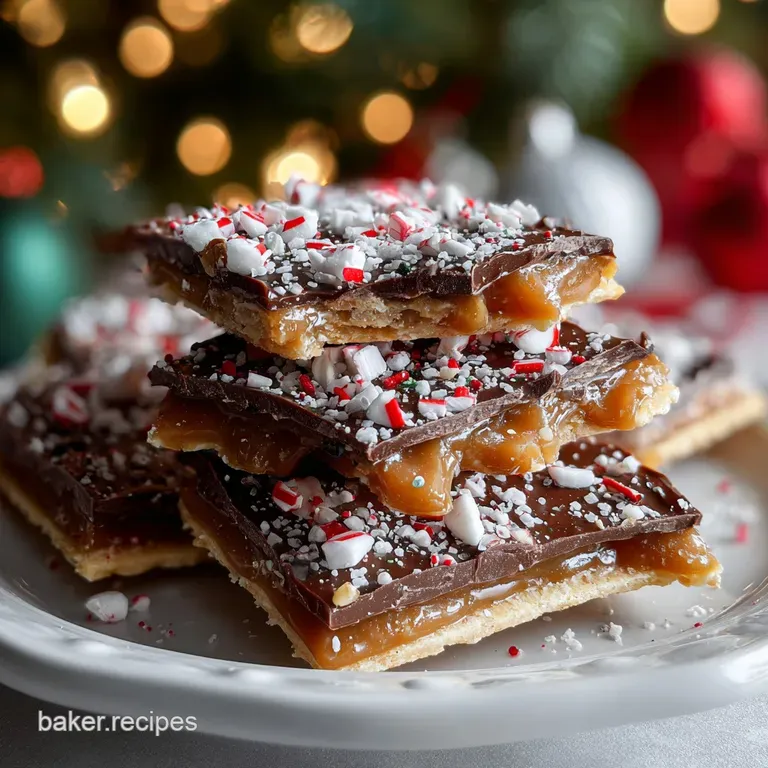
This process moves quickly, so follow the flow carefully to avoid any scorched sugar or separated butter.
- Prepare the pan. Line a rimmed baking sheet with aluminum foil or a silicone mat.
- Arrange the crackers. Lay the 115g of saltines in a single layer, side-by-side, until the pan is completely covered. Note: Don't worry if you have to break a few to fit the edges.
- Melt the base. Combine 225g butter and 200g light brown sugar in a saucepan over medium heat.
- Boil the toffee. Bring the mixture to a boil and let it bubble for exactly 3 minutes until it looks like thick, frothy lava. Note: Do not stir during this time; just let it bubble.
- Pour and spread. Immediately pour the hot mixture over the crackers and spread it quickly with a spatula.
- Bake the tray. Place in the oven at 200°C for 5 minutes until the toffee is dark amber and bubbling vigorously.
- Add the chocolate. Remove from the oven and sprinkle 340g chocolate chips over the top.
- Melt the chips. Let the tray sit for 5 minutes until the chips look shiny and soft.
- Smooth the top. Use an offset spatula to spread the chocolate into a velvety layer.
- Top and cool. Sprinkle with 60g pecans and 1 tsp sea salt, then let it cool completely until the chocolate is firm and the toffee has set.
Much like the layering in The Homemade Green recipe, the order of operations here is what determines the final texture.
Preventing Potential Recipe Failures
The biggest hurdle with any toffee is separation. If your butter and sugar decide to part ways, you'll end up with a greasy pool of oil on top of a gritty sugar layer.
Fixing Separated Sauce
| Problem | Root Cause | Solution |
|---|---|---|
| Greasy surface | Butter separated from sugar | Add a tablespoon of hot water and whisk vigorously |
| Sullen/Soft toffee | Didn't boil long enough | Return to oven for 2 more minutes until darker |
| Burnt bottom | Oven rack too low | Move the tray to the middle or top rack |
One thing I've learned is that the type of sugar matters. While the recipe calls for light brown sugar, using dark brown sugar can sometimes lead to a faster burn because of the higher molasses content.
Common Mistakes Checklist
- ✓ Never use a low-fat butter substitute; the water content will make the crackers soggy.
- ✓ Ensure the sugar is fully dissolved before the timer for the 3 minute boil starts.
- ✓ Don't skip the lining of the pan; toffee is notoriously difficult to scrape off bare metal.
- ✓ Let the tray sit at room temperature for an hour before moving to the fridge for the best chocolate finish.
- ✓ Resist the urge to cut the bark; breaking it by hand gives it a more authentic, rustic look.
Fun Variations And Substitutions
While the classic version is iconic, there are plenty of ways to shake things up depending on what's in your pantry.
| Original Ingredient | Substitute | Why It Works |
|---|---|---|
| Semi sweet Chips | White Chocolate | Sweeter finish. Note: White chocolate melts faster and can be scorched easily. |
| Saltines | Graham Crackers | Adds a honey sweetness and a denser, less salty crunch. |
| Pecans | Toasted Almonds | Provides a cleaner, more neutral nut flavor that lets the toffee shine. |
Decision Shortcut
- If you want a "White Christmas" vibe, use white chocolate chips and crushed candy canes instead of pecans.
- If you want a dairy-free version, use a high-quality vegan butter stick and dairy-free dark chocolate chips.
- If you want a gluten-free option, swap the saltines for your favorite gluten-free cracker (just ensure they are sturdy).
Storing Your Toffee Properly
This candy is incredibly shelf stable, making it a dream for meal prep or early holiday prep.
- Fridge: Store in an airtight container for up to 2 weeks. The cool temp keeps the chocolate from blooming.
- Freezer: This actually tastes great frozen. It will last for up to 3 months. Just separate layers with parchment paper so they don't fuse together.
- Zero Waste Tip: If you have leftover broken bits and "toffee dust," don't throw it away. Fold it into vanilla bean ice cream or use it as a topping for a simple chocolate cake. Those salty, sugary crumbs are pure gold.
Serving And Pairing Suggestions
Because this is so rich, I usually serve it alongside something that offers a bit of contrast.
- Beverages: A strong, black coffee or a glass of cold milk is the traditional route. For a party, a dry sparkling wine helps cut through the heavy butter and sugar.
- Plattermates: I like to put this on a board with fresh tart apples (like Granny Smith) or a bowl of fresh raspberries. The acidity of the fruit wakes up the palate.
- Comparison: Unlike store-bought toffee barks which can often be rock hard and waxy, this homemade version has a delicate, airy crunch thanks to the cracker layers. You get the richness of an artisan candy with the ease of a tray bake.
If you are planning a full dessert table, consider how these textures might pair with a more cake like option. For example, a slice of a fruit heavy cake would be a lovely companion. Trust me, once you see how quickly people gravitate toward these jagged, chocolate covered shards, you'll be making this saltine toffee recipe every year. It’s a low effort, high reward kitchen win that never fails to impress.
Adjusting The Recipe Size
When you're scaling this up for a massive holiday party, remember that the sugar chemistry stays the same, but the heat management changes.
- Scaling Down (1/2 batch): Use a 9x9 inch pan. Reduce the boil time by about 30 seconds as the smaller volume of liquid heats up much faster.
- Scaling Up (2x batch): Do not try to double the batch in one large saucepan unless you have a very wide, heavy pot. It’s better to work in two separate batches to ensure the butter and sugar emulsify correctly. If the pot is too crowded, the sugar might not reach the hard crack stage uniformly.
Debunking Toffee Making Myths
- Stirring the boil: You might hear that you must stir constantly. Actually, once the sugar is dissolved in the melting butter, stirring too much can introduce air and lower the temperature, preventing that clean "crack."
- Room temperature chocolate: You don't need to melt the chocolate separately. The residual heat from the toffee and the hot pan is more than enough to create a velvety spread.
- Cracker brands: People often think only the name brand saltines work. In my experience, even the budget friendly store brands work perfectly as long as they are fresh and crisp. The toffee is the star; the cracker is just the stage.
Christmas Crack Saltine Toffee Recipe FAQs
Can I use graham crackers instead of saltines?
Yes, graham crackers work, but they'll change the flavor. They add a honey sweetness and a denser, less salty crunch compared to the crisp saltine base.
What's the best way to store leftover Christmas crack?
Store in an airtight container in the fridge for up to 2 weeks. For longer storage, up to 3 months, freeze it with parchment paper between layers.
Why is my toffee layer greasy or separated?
This happens when the butter separates from the sugar, usually due to incorrect boiling temperature or time. Try whisking in a tablespoon of hot water vigorously to help emulsify it again.
How do I get a perfectly even chocolate layer?
Let the hot toffee covered crackers sit for 5 minutes after coming out of the oven. This allows the residual heat to soften the chocolate chips, making them easy to spread evenly with an offset spatula.
What is the ideal boil time for the butter and sugar mixture?
Boil the butter and sugar for exactly 3 minutes. This critical timing ensures the mixture reaches the hard crack stage, providing that signature brittle snap.
Can I make this recipe dairy-free or gluten-free?
Yes, you can adapt it for dietary needs. Use a high-quality vegan butter stick and dairy-free dark chocolate chips for a dairy-free version, or swap saltines for sturdy gluten-free crackers.
What’s the secret to the perfect "crack" texture?
Achieving the right texture relies on precise boiling and a quick bake. Boiling the sugar and butter for 3 minutes and then baking the crackers with the toffee for only 5 minutes sets it quickly into a hard, brittle candy, much like the controlled setting in The Homemade Green recipe.
Christmas Crack Saltine Toffee
Ingredients:
Instructions:
Nutrition Facts:
| Calories | 122 calories |
|---|---|
| Protein | 0.8 g |
| Fat | 8.4 g |
| Carbs | 12.7 g |
| Fiber | 0.6 g |
| Sugar | 10.3 g |
| Sodium | 83 mg |
