Christmas Sugar Cookie Bars
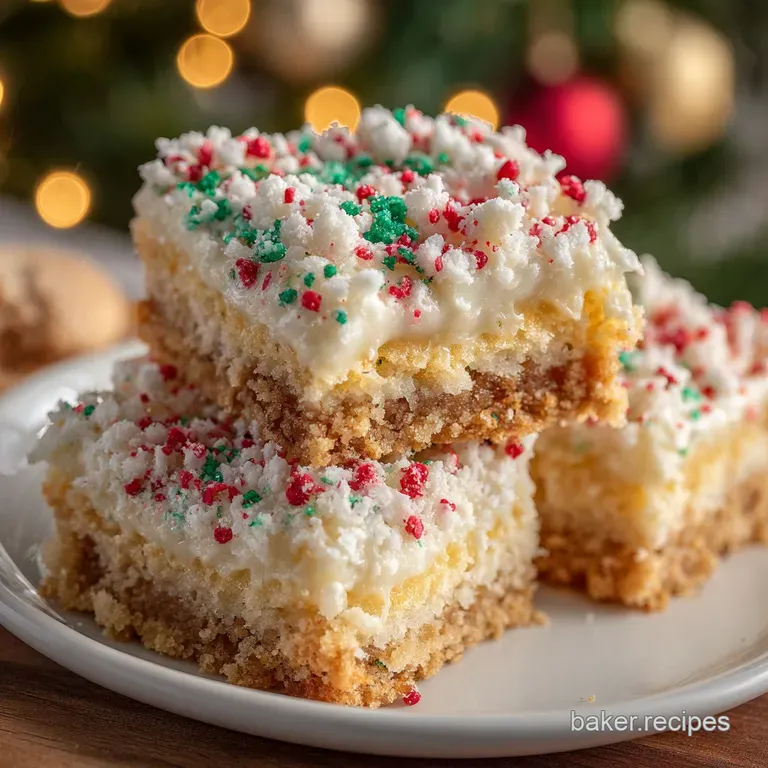
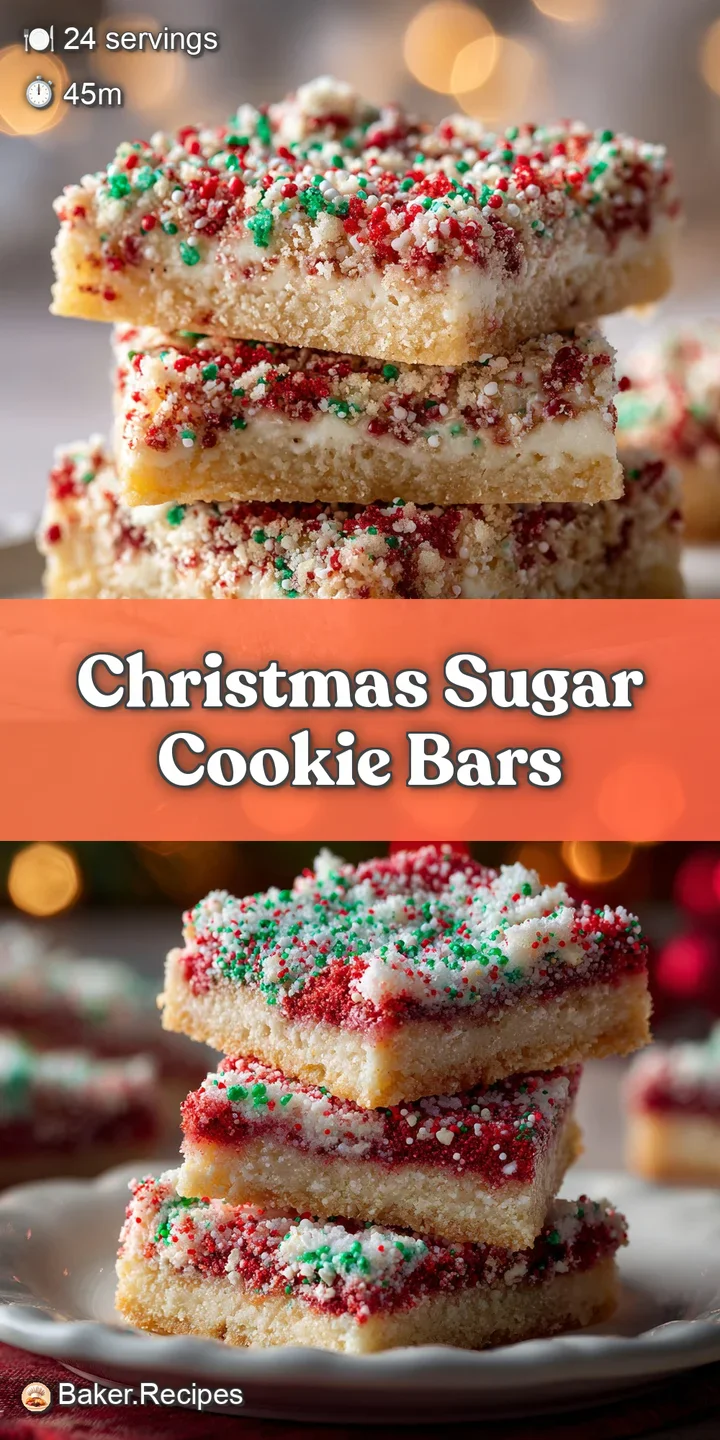
- Time: Active 20 minutes, Passive 25 minutes, Total 45 minutes
- Flavor/Texture Hook: Velvety, buttery crumb with a silky buttercream finish
- Perfect for: Busy holiday parties and stress free school bakes
- Making Reliable Christmas Sugar Cookie Bars
- The Physics of the Velvet Crumb
- Components Analysis and Science
- Picking Your Pantry Staples
- Gear for Busy Cooks
- Step By Step Method
- Fix Your Baking Fails
- Troubleshooting Common Issues
- Creative Recipe Variations
- Storage and Waste Tips
- Debunking Baking Misconceptions
- Perfect Serving Ideas
- Recipe FAQs
- 📝 Recipe Card
Making Reliable Christmas Sugar Cookie Bars
Ever stood in your kitchen at midnight, staring at a mountain of flour and 200 tiny star shaped cutters, wondering why you did this to yourself? I have. It was three years ago, during my "everything must be handmade" phase.
My back ached, the royal icing was more of a liquid puddle than a glue, and the kitchen looked like a flour bomb had gone off. That was the night I decided there had to be a better way to get my holiday fix without the emotional breakdown.
Enter the world of bar baking. The first time I pulled a tray of these christmas sugar cookie bars out of the oven, I felt like I’d cheated the system. The aroma of warm butter and that nostalgic hit of almond extract filled the room.
No rolling pins, no flour on the floor, and every single bite was thick, soft, and perfectly sweet. It's the kind of recipe that makes you look like a pro while you actually spent most of the prep time sipping coffee.
We aren't sacrificing quality here. In fact, these bars are often better than their cut out cousins because they don't get dry from being re rolled five times. You get a consistent, pillowy bite from edge to edge.
We're going to use a few specific tricks like precisely tempered butter and a little starch magic to make sure these don't turn into a giant flat pancake or a dry brick.
The Physics of the Velvet Crumb
Starch Gelatinization: Cornstarch interferes with gluten development, creating a tender, "short" texture that feels velvety on the tongue.
Aeration Control: Creaming butter at exactly 65°F traps tiny air bubbles that expand in the oven, giving the bars a light but dense structure.
Protein Denaturation: Room temperature eggs emulsify faster into the fat, ensuring the dough doesn't split and remains silky throughout.
| Quality Factor | Fresh Homemade | Shortcut (Mix) | Why It Matters |
|---|---|---|---|
| Texture | Dense and velvety | Airy and crumbly | Homemade starch ratios prevent a "cakey" feel. |
| Flavor Depth | Rich butter/almond | Generic vanilla | Real butter and almond extract provide a nostalgic profile. |
| Edge Finish | Clean and sharp | Often ragged | Controlled leavening keeps the bars from rising and falling. |
Deciding whether to go fully from scratch or use a box can be a toss up when you're busy. But honestly, the extra five minutes it takes to measure out your own flour and sugar is worth it for that specific melt away texture.
Box mixes often rely on palm oil and artificial flavorings that just can't compete with 227g of high-quality unsalted butter.
Components Analysis and Science
| Ingredient | Science Role | Pro Secret |
|---|---|---|
| Unsalted Butter | Provides fat for tenderness | Use 65°F butter; it should dent with a finger but not be greasy. |
| Cornstarch | Softens flour proteins | Sift it with the flour to prevent tiny white clumps in your dough. |
| Almond Extract | Adds aromatic complexity | This is the "secret" flavor that makes people think these came from a bakery. |
| Baking Powder | Provides gentle lift | Check your expiration date; old powder leads to heavy, leaden bars. |
Picking Your Pantry Staples
- 1 cup (227g) unsalted butter, softened to 65°F: This is the heart of the bar. Why this? Salted butter varies in salt content; unsalted gives us total control over the seasoning.
- Substitute: High fat plant based butter (like Miyoko's) works if you keep it cold.
- 1.5 cups (300g) granulated sugar: For sweetness and moisture.
- Substitute: Caster sugar for an even finer crumb.
- 2 large eggs, room temperature: These bind everything together.
- Substitute: 1/2 cup unsweetened applesauce, though the texture will be slightly more gummy.
- 1 tbsp vanilla extract: For that deep, floral base note.
- 0.5 tsp almond extract: This provides the classic "sugar cookie" scent.
- 3 cups (375g) all purpose flour, spooned and leveled: The structural backbone.
- Substitute: 1:1 gluten-free flour blend with xanthan gum.
- 2 tbsp (16g) cornstarch: Our secret weapon for tenderness.
- 1 tsp (5g) baking powder: Just enough lift.
- 0.5 tsp (3g) kosher salt: To balance the sugar.
- 1 cup (227g) unsalted butter, slightly firm (for frosting): For a stable buttercream.
- 4 cups (500g) powdered sugar, sifted: To ensure zero lumps.
- 3 tbsp (45ml) heavy cream: For a creamy, spreadable finish.
- 1 pinch salt: To cut the frosting's sweetness.
- 0.25 cup festive sprinkles: For that holiday pop.
Chef's Tip: Freeze your butter for 10 minutes before grating it if your kitchen is too warm. This ensures the fat doesn't melt instantly when you start the mixer, which preserves those vital air pockets.
Gear for Busy Cooks
You really don't need a kitchen full of gadgets for these christmas sugar cookie bars. I usually grab my trusty 9x13 inch (23x33 cm) metal baking pan. Metal is better than glass here because it conducts heat more evenly, preventing the edges from getting hard before the middle is set.
You'll also want a stand mixer or a hand mixer doing this by hand is a workout you don't need during the holidays.
A simple piece of parchment paper is my non negotiable tool. If you leave an overhang on the long sides of the pan, you can lift the entire block of cookies out once they're cool. This makes slicing them into neat squares so much easier. No more awkward first piece crumbling situations.
It's a small step that saves a massive amount of frustration.
step-by-step Method
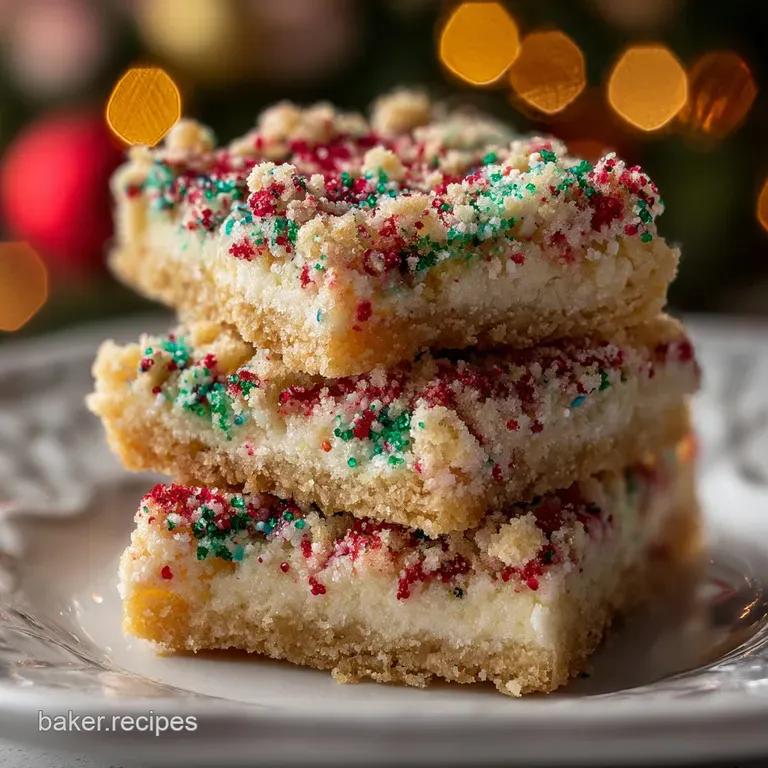
- Prep the oven. Heat your oven to 350°F (175°C) and line a 9x13 inch pan with parchment paper. Note: Using a sling of parchment allows for easy removal later.
- Cream the fats. Beat 227g softened butter and 300g granulated sugar for 3 full minutes until the mixture looks pale and fluffy.
- Incorporate the liquids. Add the 2 large eggs, 1 tbsp vanilla, and 0.5 tsp almond extract. Beat 1 minute until the batter is silky and no streaks remain.
- Whisk the dry. In a separate bowl, whisk 375g flour, 16g cornstarch, 5g baking powder, and 3g salt. Note: Whisking prevents salt pockets in the dough.
- Combine the dough. Turn the mixer to low and slowly add the dry ingredients to the wet. Stop once the last white streak of flour disappears.
- Press it in. Transfer the dough to the pan and press it into an even layer using a flat bottomed measuring cup.
- Bake the base. Bake for 22-25 minutes until the edges are barely golden and the center is set but soft.
- Cool completely. Let the bars cool in the pan for at least 1 hour. Note: Frosting a warm bar will result in a melted mess.
- Whip the frosting. Beat 227g firm butter with 500g powdered sugar, 45ml heavy cream, and a pinch of salt until it's light and voluminous.
- Decorate and slice. Spread the frosting over the cooled bars, top with 0.25 cup sprinkles, and cut into 24 even squares.
I've found that the texture of these is quite similar to my favorite Christmas Cookies recipe, but with much less effort. If you find yourself struggling with the frosting consistency, treat it like the technique in our How to Bake recipe to get that perfect spreadable finish.
| Original Ingredient | Substitute | Why It Works |
|---|---|---|
| Heavy Cream | Whole Milk | Lower fat content. Note: Frosting will be slightly less stable but still tasty. |
| Granulated Sugar | Light Brown Sugar | Adds molasses notes. Note: Results in a chewier, darker bar than traditional sugar cookies. |
| All Purpose Flour | 1:1 GF Flour | Removes gluten. Note: Texture may be slightly grainier depending on the blend used. |
Choosing the right flour is key for that "shatter" of the first bite. If you're out of all purpose, don't use bread flour; it has too much protein and will make your bars tough and bready rather than tender.
Fix Your Baking Fails
Troubleshooting Common Issues
| Issue | Solution |
|---|---|
| Why are my bars dry and crumbly | This usually happens if you over measured the flour. If you scoop the measuring cup directly into the flour bag, you're packing it down and getting up to 25% more than you need. Always spoon the flour |
| Why did the frosting melt off | Patience is a virtue, especially here. If the base is even slightly warm to the touch, the butter in the frosting will liquefy. I usually give mine a full two hours on the counter, or 30 minutes in th |
| Why is the middle of my tray sunken | A sunken center usually means you over creamed the eggs or used too much baking powder. When you beat too much air into the eggs, they rise like a soufflé in the oven and then collapse as they cool. K |
Creative Recipe Variations
One of the best things about these cookie bars is how easily they adapt to your mood. I once ran out of vanilla and used a bit of orange zest instead it was a total accident that turned into a family favorite.
You can really play with the extracts and the toppings to make these work for any time of year, not just December.
Decision Shortcut If you want a Peppermint Twist, replace the almond extract with 1/2 tsp peppermint extract and top with crushed candy canes. If you want a Citrus Freshness, add 1 tbsp of lemon or orange zest to the dough and use lemon juice instead of cream in the frosting.
If you want Chocolate Decadence, fold 1 cup of mini chocolate chips into the dough and use a cocoa based buttercream.
If you scale the recipe down by half, use an 8x8 inch pan and check the doneness at 18 minutes. When scaling up for a huge crowd, I recommend making two separate batches rather than doubling everything in one bowl.
Doubling liquids can sometimes throw off the emulsification of the butter, and it's harder to get an even bake in a massive sheet pan without the edges burning.
Storage and Waste Tips
These bars stay remarkably fresh because of their thickness. You can keep them in an airtight container at room temperature for up to 4 days. If you've got a lot of frosting on them, I'd suggest a single layer so the buttercream doesn't get smashed.
If you need to stack them, put a piece of parchment paper between the layers.
For long term storage, these freeze like a dream. You can freeze the unfrosted slab for up to 3 months just wrap it tightly in plastic wrap and then foil. When you're ready to serve, let it thaw on the counter and then frost as fresh.
If they're already frosted, flash freeze the squares on a tray for an hour until the frosting is hard, then toss them into a freezer bag.
Got leftover frosting? Don't throw it out! It keeps in the fridge for a week or the freezer for a month. I love using leftover holiday buttercream as a dip for pretzels or graham crackers.
If you have edge scraps from trimming the bars to look perfect, crumble them over vanilla ice cream for a quick "cookie dough" sundae.
Debunking Baking Misconceptions
There is a common belief that "room temperature" butter means it should be soft enough to spread on toast. That's a myth that ruins many bakes. If your butter is that soft, it won't hold air when you cream it with the sugar.
It should be around 65°F (18°C), which feels cool to the touch and offers resistance when pressed.
Another myth is that you need to grease the parchment paper. Modern parchment is coated in silicone; it's naturally non stick. Greasing the paper can actually cause the bottom of your cookie bars to fry in the extra fat, leading to greasy, overly browned bottoms. Just lay the paper down and let it do its job.
Perfect Serving Ideas
When it comes to serving these, I like to keep it simple. A cold glass of milk is the classic choice, but if you're hosting a party, these look stunning on a tiered tray. Because they are so rich, I usually cut them into smaller 2 inch squares.
It makes them easier to grab and eat while mingling, and people can always go back for seconds without feeling too guilty.
If you're looking for a warm beverage pairing, these are incredible with a dark roast coffee or a spicy chai tea. The bitterness of the coffee cuts right through the sweet buttercream, making for a perfectly balanced snack.
For the kids, a hot cocoa with an extra marshmallow on top makes for the ultimate holiday afternoon. Just make sure the bars have reached room temperature before serving so the texture is at its peak softness.
Recipe FAQs
What is the best way to store Christmas sugar cookie bars?
In an airtight container at room temperature for up to 4 days. For longer storage, you can freeze the unfrosted slab tightly wrapped for up to 3 months, or freeze frosted squares after flash freezing them on a tray.
Can I substitute almond extract in these bars?
Yes, but the flavor profile will change. You can substitute with vanilla extract (use 1/2 tsp more), lemon zest, or peppermint extract for a different taste, though almond is classic for that nostalgic sugar cookie scent.
Why are my sugar cookie bars dry and crumbly?
You likely over measured the flour. Scooping flour directly from the bag packs it down, leading to too much flour in your dough. Always spoon flour into your measuring cup and level it off.
How do I prevent the frosting from melting off my sugar cookie bars?
Ensure the bars are completely cooled. Even a slight warmth will melt the butter in the frosting. Allow at least an hour for the bars to cool in the pan, or use the refrigerator for a quicker chill if needed.
Can I make these sugar cookie bars ahead of time?
Yes, the base can be baked up to 48 hours in advance. Frosting can also be made ahead and stored in the refrigerator for up to a week or frozen for up to a month. This makes holiday baking much less stressful.
What is the ideal butter temperature for creaming with sugar in this recipe?
Aim for 65°F (18°C). This temperature is cool to the touch and will dent when pressed, but shouldn't feel greasy. Properly creamed butter traps air, which is crucial for the bars' texture, much like the technique used in our Peanut Butter Cookies: The Ultimate Chewy, Classic Criss Cross Recipe.
How can I make my sugar cookie bars softer and chewier?
Control your flour and don't overbake. Spoon and level your flour to avoid packing too much in, and bake just until the edges are set and lightly golden. For an even softer texture, you can slightly increase the butter or sugar, similar to how fat content affects chewiness in our Best Edible Cookie Dough Recipe!
(Bakeable Too!).
Christmas Sugar Cookie Bars
Ingredients:
Instructions:
Nutrition Facts:
| Calories | 347 kcal |
|---|---|
| Protein | 2.2 g |
| Fat | 16.8 g |
| Carbs | 47.5 g |
| Fiber | 0.4 g |
| Sugar | 34.7 g |
| Sodium | 88 mg |
