Cilantro Lime Chicken: Zesty and Charred
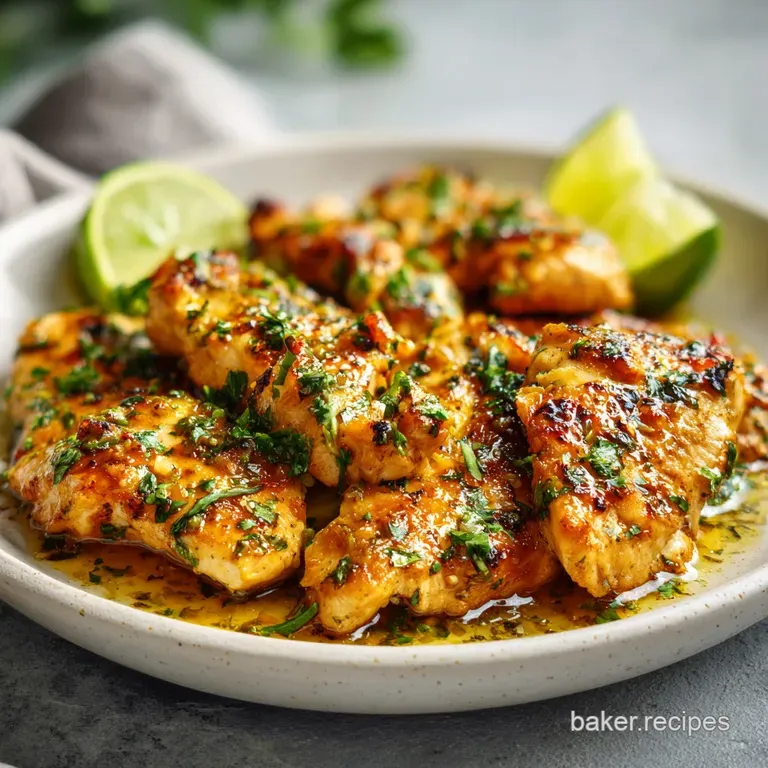
- Time: Active 15 mins, Passive 1 hour 20 mins, Total 1 hour 35 mins
- Flavor/Texture Hook: Zesty, charred, and velvety
- Perfect for: Weeknight dinners and meal prep
- The Essential Techniques for Juicy Poultry
- A Detailed Look at Timing Targets
- Navigating Your Pantry for Smart Swaps
- The Minimalist Kitchen Setup
- The Step-by-Step Path from Marinade to Platter
- Solving Common Texture and Flavor Issues
- Creative Ways to Adapt This Dish
- Keeping Leftovers Fresh and Flavorful
- Choosing the Best Sides for Your Feast
- Recipe FAQs
- 📝 Recipe Card
The first time I tried making this, I followed a random recipe that basically told me to pour juice over meat and hope for the best. The result? A watery, gray mess that tasted more like a cleaning product than a meal.
I stood over my stove, looking at a sad pan of boiled looking poultry, and realized I’d missed the most important part of the whole process: the sear.
Since that day, I’ve spent countless evenings experimenting with ratios and heat levels to find the "sweet spot" where the lime doesn't just provide sourness, but actually transforms the texture. We’ve all had those dry, stringy chicken breasts at backyard BBQs, but this is the opposite.
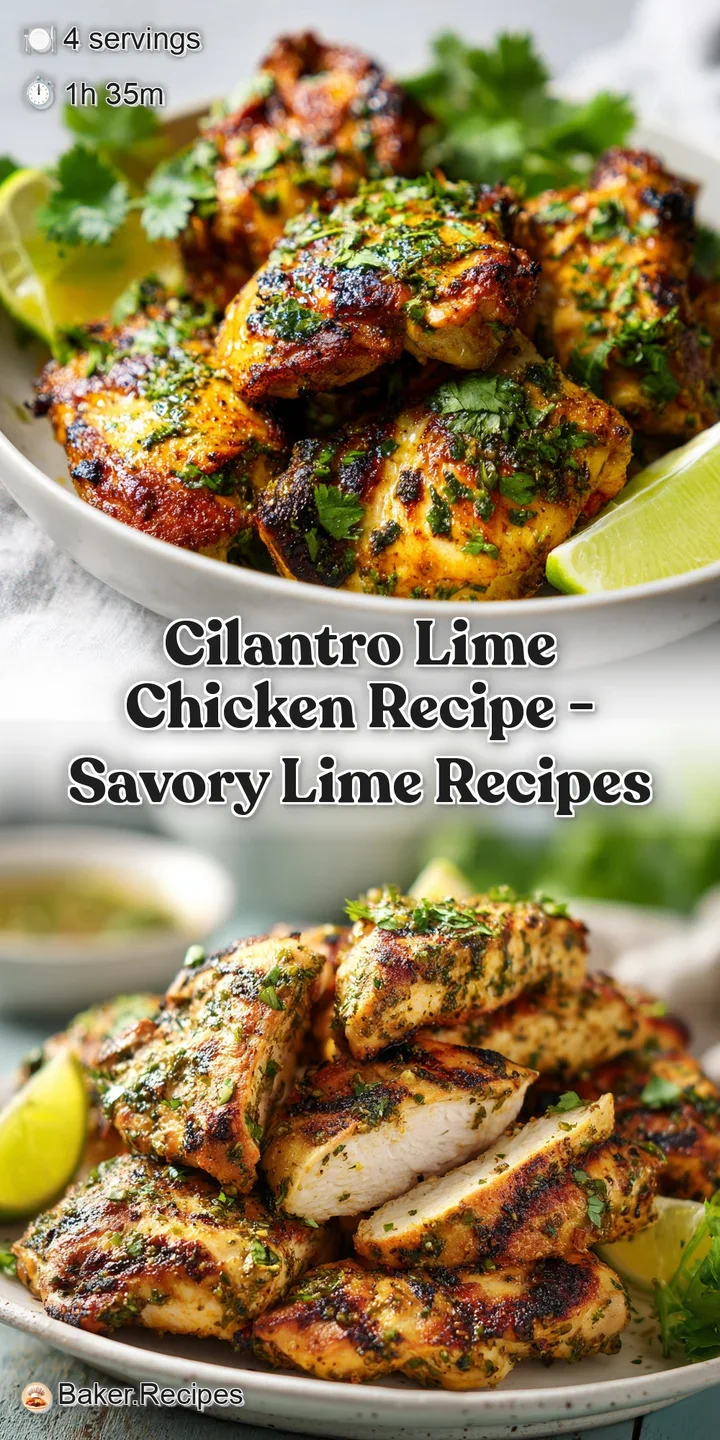
It’s about that beautiful, dark golden crust meeting a center that's so juicy it practically melts.
I'm telling you, once you hear that first aggressive sizzle when the marinated thigh hits the hot cast iron, you'll know exactly what I'm talking about. We're going for a balance of sharp citrus and earthy cumin that feels like a party on a plate.
It’s bright, it’s bold, and it’s become my absolute "save the day" dinner when I want something that tastes expensive but costs very little.
The Essential Techniques for Juicy Poultry
Acidic Denaturation: The lime juice starts "cooking" the exterior of the meat by breaking down protein strands, allowing moisture to seep in rather than just sitting on the surface.
Maillard Reaction Enhancement: Smoked paprika contains trace sugars that caramelize rapidly at high heat, creating that deep mahogany crust even with a short cook time.
Cold Fat Emulsification: Swirling cold butter into the bone broth at the end creates a suspension of fat that clings to the meat, preventing the sauce from becoming a watery puddle.
Picking the Best Cooking Method
| Method | Time | Texture | Best For |
|---|---|---|---|
| Stovetop | 15 minutes | Deeply charred and crispy | Maximum flavor and speed |
| Oven Bake | 25 minutes | Uniformly tender and juicy | Large batches and meal prep |
| Crock Pot | 4 hours | Shredded and soft | Tacos or burrito bowls |
If you are looking for something with a bit more of a crunch, you might also enjoy my Minced Chicken Fritters recipe which uses a similar citrus base but with a totally different texture profile.
A Detailed Look at Timing Targets
The difference between a "good" dinner and a "how did you make this?" dinner usually comes down to precision. For this dish, we aren't just guessing. We are looking for specific indicators that tell us the proteins are ready to be served.
Using 1.5 lbs of chicken thighs is the perfect amount for a standard 12 inch skillet without overcrowding, which is the number one enemy of a good sear.
Component Analysis
| Ingredient | Science Role | Pro Secret |
|---|---|---|
| Lime Juice | Protease catalyst | Roll the limes on the counter first to break internal membranes for 20% more juice. |
| Chicken Thighs | Fat to protein ratio | Leave the small fat trimmings on; they render down to provide the natural cooking oil for the sear. |
| Smoked Paprika | Color and Depth | Use "Pimentón de la Vera" if you can find it; the oak smoking process adds a layer of complexity salt can't touch. |
Don't be tempted to swap the fresh lime for the bottled stuff. The bottled juice has been pasteurized and often contains preservatives like sodium benzoate, which leaves a metallic aftertaste when heated. Fresh lime juice contains volatile oils in the zest that provide the floral aroma we’re after.
Navigating Your Pantry for Smart Swaps
Building this dish on a budget is easy because most of the flavor comes from spices and aromatics. If you're out of something, don't panic. There are ways to keep the integrity of the dish without running to the store.
- 1.5 lbs boneless, skinless chicken thighs: Why this? Higher fat content makes them almost impossible to overcook compared to breasts.
- 0.25 cup extra virgin olive oil: Why this? Provides a rich mouthfeel and carries the fat soluble flavors of the spices.
- 3 large fresh limes: Why this? Provides the acidity needed to tenderize the meat fibers.
- 0.5 cup fresh cilantro: Why this? Adds a peppery, citrus like herbaceous note that balances the heavy cumin.
- 4 cloves garlic: Why this? Creates a savory base layer that lingers after the sharp lime fades.
- 1 tsp ground cumin: Why this? Provides an earthy, warm backbone to the marinade.
| Original Ingredient | Substitute | Why It Works |
|---|---|---|
| Chicken Thighs | Chicken Breast | Leaner and faster cooking. Note: Reduce cook time by 2 minutes per side to prevent drying. |
| Extra Virgin Olive Oil | Avocado Oil | Higher smoke point. Great for a more aggressive sear without the oil burning. |
| Chicken Bone Broth | Vegetable Stock | Similar savory base. Note: Slightly less body than bone broth due to lower gelatin content. |
If you find yourself with extra chicken and want to try a different flavor profile, my Stir Fry Chicken with recipe is another great way to use these pantry staples in a totally different way.
The Minimalist Kitchen Setup
You don't need a professional kitchen for this, but a few specific items make a world of difference. I always reach for my cast iron skillet (like a 12 inch Lodge). The thermal mass of cast iron means that when you drop 1.5 lbs of cold chicken into it, the pan temperature doesn't plummet.
A thin non stick pan will lose its heat, and instead of searing, your chicken will just steam in its own juices.
Chef's Tip: Freeze your butter for 10 minutes before the final step. When you drop that ice cold butter into the hot pan sauce, it emulsifies much better than room temperature butter, giving you a glossy, "shatter proof" sauce that won't break.
Another trick I learned the hard way is to use a microplane for the lime zest. You want those tiny, fragrant particles, not big chunks of bitter white pith. If you see white, you've gone too deep!
The step-by-step Path from Marinade to Platter
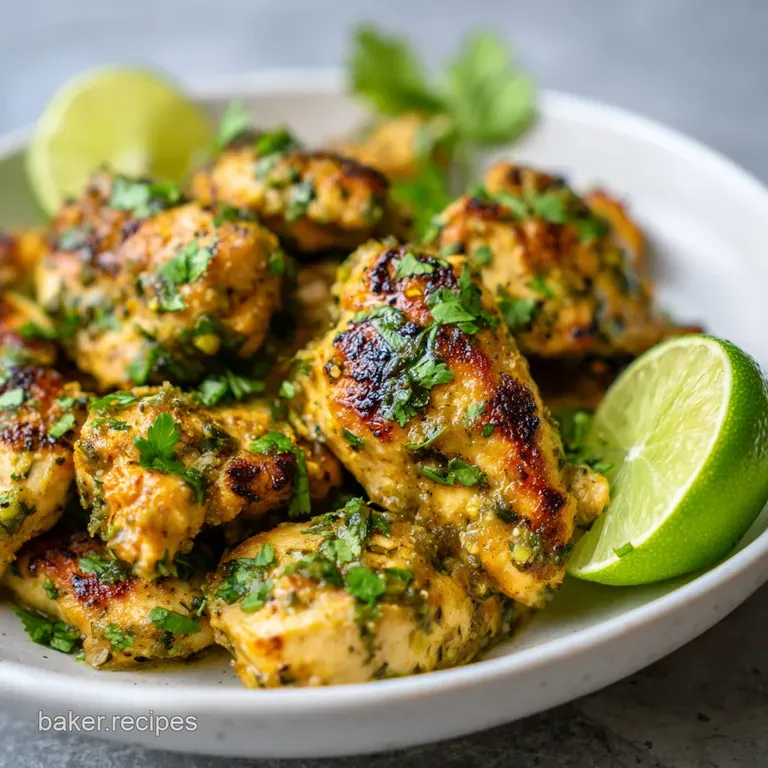
- Zest and juice the 3 limes into a large glass bowl. Note: Acid reacts with metal, so glass or ceramic is best for marinating.
- Whisk together the olive oil, lime juice, zest, minced cilantro, garlic paste, cumin, smoked paprika, red pepper flakes, salt, and black pepper.
- Submerge the chicken in the marinade, ensuring every piece is coated. Cover and refrigerate for 60 minutes.
- Heat the skillet over medium high heat until a drop of water flicked onto it dances and evaporates instantly.
- Sear the chicken for 5 to 7 minutes per side until a dark golden crust forms and it releases easily from the pan.
- Verify doneness with a thermometer; you are looking for 165°F (75°C).
- Remove the chicken to a plate and let it rest. Note: This allows the juices to redistribute so they don't run out when you cut it.
- Deglaze the pan by pouring in the chicken bone broth, scraping up all those brown bits (the fond) with a wooden spoon.
- Whisk in the cold butter once the liquid has reduced by half until the sauce looks velvety and thick enough to coat a spoon.
- Pour the sauce over the chicken and garnish with the remaining 2 tbsp of fresh cilantro.
Solving Common Texture and Flavor Issues
Even the best of us hit a snag sometimes. Usually, it's a matter of heat control or timing. If your chicken feels "rubbery," it likely didn't spend enough time in the marinade, or it was cooked too slowly over low heat, causing it to lose moisture before the outside could brown.
Why Your Chicken Isn't Searing
If your chicken looks pale and gray instead of golden, your pan wasn't hot enough. When the meat hits the pan, you should hear a loud, immediate sizzle. If it’s quiet, take the meat out and wait another minute for the pan to get screaming hot.
| Problem | Root Cause | Solution |
|---|---|---|
| Bitter Aftertaste | Burned garlic or too much pith | Add garlic later in the sear or only use the green zest of the lime. |
| Dry Meat | Overcooked or no resting | Pull meat at 160°F; carryover cooking will bring it to 165°F while resting. |
| Watery Sauce | Too much broth or didn't reduce | Boil the sauce on high for 2 minutes before adding the butter to concentrate flavors. |
Common Mistakes Checklist
- ✓ Pat the chicken dry with a paper towel if the marinade is too thick (moisture is the enemy of the sear).
- ✓ Don't move the chicken for the first 4 minutes; let that crust build up naturally.
- ✓ Use a meat thermometer to avoid the "cut and peek" method which lets all the juice out.
- ✓ Always zest the limes before juicing them it's nearly impossible to do it the other way around.
- ✓ Let the meat rest for at least 5 minutes before you even think about slicing it.
Creative Ways to Adapt This Dish
One of the reasons I love this recipe is how well it plays with other ingredients. If you want a bit more heat, you can double the red pepper flakes or even finely mince a serrano pepper into the marinade.
If you are following a strict diet, this is very easy to modify. For a keto friendly version, skip the bone broth reduction and just top with a dollop of avocado mash. If you’re looking for a flavor profile closer to what you’d find in a high end bistro, try my RestaurantQuality Chicken in recipe which uses a similar over high heat technique but with a savory umami twist.
The Lean Swap
If you insist on using chicken breasts, I recommend "velveting" them first. This is a technique where you toss the sliced meat in a little cornstarch and oil before searing. It creates a protective barrier that keeps the lean meat from drying out under high heat.
However, for the most authentic experience, stick with the thighs.
Keeping Leftovers Fresh and Flavorful
I actually think the flavors in this chicken get better the next day. The lime juice continues to permeate the meat, and the spices mellow out and meld together. It's the ultimate meal prep protein because it doesn't get that "reheated chicken" taste as easily as other recipes do.
- Storage
- Keep in an airtight container in the fridge for up to 4 days.
- Freezing
- You can freeze the marinated (but uncooked) chicken for up to 3 months. Just thaw it in the fridge overnight before searing.
- Reheating
- Avoid the microwave if possible. It can make the chicken rubbery. Instead, put the chicken in a pan with a splash of water or broth, cover it, and heat over medium low until warmed through. This steams the meat and keeps it tender.
Zero Waste Tip: Don't toss those squeezed lime halves! Put them in a jar of white vinegar for two weeks to create a natural, citrus scented kitchen cleaner. Or, throw them into the cavity of a whole roasting chicken next time for extra aroma.
Choosing the Best Sides for Your Feast
To make this a full meal, I usually lean into the brightness of the lime. A simple bed of cilantro lime rice is the classic choice, but if you want something lower carb, cauliflower rice works beautifully here because it soaks up that pan sauce like a sponge.
- Black Bean Salad: Mix beans, corn, and bell peppers with a little extra marinade for a quick side.
- Grilled Pineapple: The sweetness of the fruit cuts through the acidity of the chicken perfectly.
- Corn Tortillas: Turn these into "Cilantro Lime Chicken Tacos" by shredding the meat and adding some pickled red onions.
Truthfully, I've even served this cold over a massive green salad with a honey lime dressing, and it was incredible. The versatility is what makes it a staple in my house. You get that punchy, vibrant flavor without spending hours in the kitchen or a fortune at the grocery store.
It's just good, honest food that works every single time. Trust me, once you master that pan sauce finish, there’s no going back to plain grilled chicken again.
Recipe FAQs
What to pair cilantro lime chicken with?
Classic rice and beans are best. A simple bed of cilantro lime rice or black beans complements the bright citrus notes; for a great low-carb option, use cauliflower rice to soak up the pan sauce. If you want to transform it, try making quick chicken quesadillas with the leftovers.
What is Taylor Swift's favorite chicken dinner?
This is unknown publicly. While Taylor Swift is known for enjoying homemade meals, there is no confirmed public record stating this specific dish is her favorite.
Does cilantro go on chicken?
Yes, cilantro pairs exceptionally well with chicken. Its fresh, slightly peppery, citrus like flavor cuts through the richness of the meat, especially when paired with acid like lime.
What does marinating in lime do to chicken?
It tenderizes the protein via acid denaturation. The citric acid begins to break down the tough exterior muscle fibers, allowing moisture to penetrate, resulting in a more tender bite when cooked properly.
Is it true that I must use chicken thighs for authentic cilantro lime flavor?
No, this is a common misconception, but thighs are recommended. Thighs offer a higher fat-to-protein ratio which prevents them from drying out under the high heat needed for a good sear, yielding a much juicier result.
How to ensure the chicken achieves a good sear without drying out?
Sear on medium high heat until deeply golden and release easily. Ensure the skillet is hot enough to hear an aggressive sizzle immediately upon contact, which promotes the Maillard reaction over steaming.
If you master this high heat technique, you can apply the same principle for excellent texture in other quick cooked poultry dishes.
How long should I marinate cilantro lime chicken before cooking?
Aim for 1 hour, but up to 24 hours is safe for flavor. While an hour allows the acid to tenderize the surface, a longer soak dramatically deepens the spice infusion throughout the meat.
Cilantro Lime Chicken Marinade
Ingredients:
Instructions:
Nutrition Facts:
| Calories | 512 calories |
|---|---|
| Protein | 33.6 g |
| Fat | 41.8 g |
| Carbs | 3.2 g |
| Fiber | 0.8 g |
| Sugar | 0.9 g |
| Sodium | 645 mg |
