Snickerdoodle Cookies: Soft, Tangy Perfect
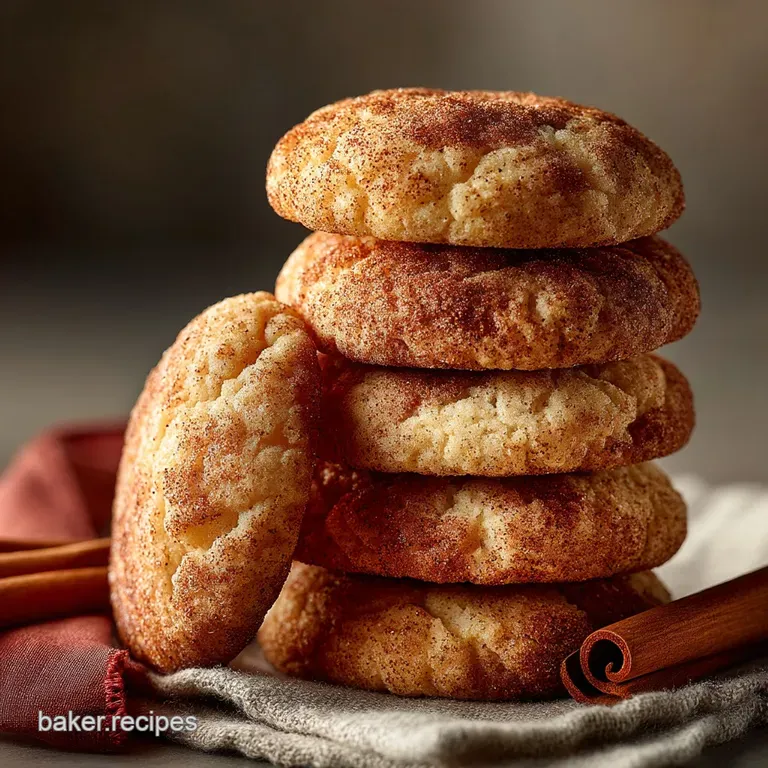
- The Classic Crinkle-Top Snickerdoodle: Soft, Tangy & Utterly Perfect
- Decoding the Snickerdoodle: What Makes This Cookie Unique?
- Essential Pantry Checklist for Classic Snickerdoodle Cookies
- Baking Protocol: Step-by-Step Guide to the Classic Dough
- Troubleshooting and Expert Secrets for Flawless Cookies
- Storage, Preservation, and Next-Day Freshness
- Elevated Pairings: How to Serve Your Fresh Batch
- Recipe FAQs
- 📝 Recipe Card
The Classic Crinkle Top Snickerdoodle: Soft, Tangy & Utterly Perfect
That smell. It hits you when you walk in the door a perfect blend of sweet butter and warming spice, instantly signaling that everything in the kitchen is right with the world.
This isn't just baking; it's instant comfort food, resulting in the chewiest, tangiest batch of Snickerdoodle Cookies you’ve ever tasted. The classic crinkled top, dusted heavily with cinnamon sugar, promises a soft, yielding bite every single time.
Seriously, these cookies are a lifesaver when you need a quick win. They use basic pantry ingredients, they come together faster than almost any other cookie dough out there, and they are always universally loved. They’re cheap, cheerful, and incredibly satisfying.
You don't need fancy equipment, just a mixer and a powerful craving for something simple yet extraordinary.
I've baked hundreds of batches, trying everything from shortening to brown butter, and finally nailed the exact science required to get that perfect puff, the tangy flavor, and the signature crinkle. Ready to skip the fails and jump straight to success?
Let’s crack on and master the art of soft, amazing Snickerdoodle Cookies .
Decoding the Snickerdoodle: What Makes This Cookie Unique?
A Snickerdoodle isn’t just a sugar cookie rolled in cinnamon. That’s a common mistake, and it misses the whole point of this masterpiece. The core identity of the Snickerdoodle Cookies lies entirely in the chemical reaction between two specific leavening agents: cream of tartar (an acid) and baking soda (an alkali).
This reaction provides a dual benefit. First, it gives the cookie its distinctive, slightly tart, bright flavor that balances the intense sweetness of the sugar and spice. Next,, it causes a rapid initial rise and then a gentle collapse, which is precisely what creates the beautiful, cracked, crinkled top we all obsess over.
If you want true, authentic Snickerdoodle Cookies , that cream of tartar is non-negotiable.
The Essential Role of Cream of Tartar in Flavor and Rise
Cream of tartar is chemically known as potassium bitartrate, and it’s a powerhouse of acidity in the baking world. When you include it in this specific Snickerdoodle Cookies recipe , it reacts immediately with the baking soda and moisture in the dough once heat is applied.
This creates a surge of carbon dioxide. Because the ratio of acid to alkali is specific, you get that unique structure and tang.
If you substitute the cream of tartar with baking powder, you'll still get a rise, but the final cookie will be puffier, milder in flavor, and probably won't develop the deep, lovely crinkles we are aiming for.
I once ran out and tried that swap, and while the resulting cookies were fine, they definitely weren't true Snickerdoodle Cookies . Don’t make my mistake; invest in the cream of tartar.
Understanding the Signature Crinkle Top and Why It Happens
The crinkle is beautiful, isn't it? It’s visual proof that the chemistry is working in this great Snickerdoodle Cookies creation. The trick is two-fold: the acidity of the cream of tartar and the external cinnamon sugar coating.
When the cookie starts baking, the high sugar content on the outside caramelizes quickly, hardening the surface faster than the centre can set.
The dough rapidly expands due to the baking soda/cream of tartar reaction, pushing up the centre. Since the surface is already crisping up from the heat and the sugar coating, the expansion causes the surface to crack and fold, giving you the classic, perfectly textured crinkle.
Chilling the dough also aids this process, providing stability against rapid spread.
Quick Facts on Origin and History of the Classic Cookie
Did you know Snickerdoodles originated right here in America? They’re generally considered a New England favourite, although the name itself is a little mysterious. Most historians think the name is a portmanteau of German or Dutch words that generally translate to "a small, fried cake." Forget the complex history though; what matters is that someone genius decided to coat a tangy butter cookie in cinnamon sugar.
Thank you, history.
These cookies became incredibly popular because they were considered an easy, amazing cookie recipe using simple, accessible ingredients. They are the perfect example of how sometimes the simplest flavors are the best. Every batch of homemade Snickerdoodle Cookies connects us to that history.
Balancing Tanginess: The Critical Acid vs. Alkali Ratio
Achieving that signature zing requires perfect balance. Too much baking soda, and the cookies taste metallic and spread too thin. Too much cream of tartar, and they’ll be overly tart and potentially crumbly. This recipe uses the precise ratio needed to maximize both the flavour complexity and the crinkle texture. This balanced reaction ensures the Snickerdoodle Cookies are soft and chewy inside, never cakey or dry. This is especially true if you are also making my fantastic Peanut Butter Cookies: The Ultimate Chewy, Classic Criss Cross Recipe , which also rely on a careful chemical balance for texture.
Why Room Temperature Butter Matters for Optimal Dough Structure
Okay, lecture time: room temperature butter is non-negotiable for this particular Snickerdoodle Cookies recipe . If your butter is even slightly cold, it won't be able to properly incorporate air during the creaming stage with the sugar. Cold butter yields a dense, tight structure.
Properly softened butter (it should yield slightly when you press it, not squish or melt) creams beautifully, trapping tiny air bubbles. These bubbles expand in the oven, giving your cookie lift and ensuring a soft, chewy interior.
If you try to bake these Snickerdoodle Cookies using cold butter, they will likely be dense, tough, and prone to spreading unevenly.
Maximizing the Chew: The Secret to a Soft Interior
The secret to maximizing the chew in your soft Snickerdoodle Cookies is twofold: moisture retention and careful baking time. First, we use whole eggs, which adds necessary moisture and structure. Second, and most importantly, we slightly undercook the cookies.
When you pull the baking sheet out, the cookies should look slightly puffy, pale, and under baked in the very center. They finish cooking on the hot sheet. This carryover heat seals the edges while the center retains moisture, resulting in that unbelievably soft, perfect chew.
If you wait until they look golden brown all over, you've gone too far, my friend.
Essential Pantry Checklist for Classic Snickerdoodle Cookies
You probably have most of these ingredients right now, which is why making these classic Snickerdoodle Cookies is such a spontaneous joy. But let’s review the critical components, especially where tiny details matter.
Detailed Notes on Fats: Butter, Shortening, and Their Impact
I strongly recommend unsalted butter for flavor. Butter contributes depth and richness that shortening simply cannot match. However, if you are struggling with excessive spreading, incorporating some shortening can help stabilize the structure.
| Fat Type | Resulting Texture | Notes on Flavor |
|---|---|---|
| 100% Butter | Chewy, flatter edges, rich dairy flavour. | Superior flavor; must be temperature controlled. |
| 50% Butter, 50% Shortening | Higher rise, slightly softer, less prone to spread. | Slightly muted butter flavor; ideal for humidity. |
| Brown Butter | Nutty, deep, complex. | Requires cooling the butter back to a solid, softened state first. |
Chef's Note: If you want a more complex, nutty background note, you can brown your butter first, just like I do for my Chocolate Chip Cookies: Ultimate Chewy Brown Butter Recipe . Just make sure it’s cooled and re-solidified before you attempt the creaming stage.
Sourcing the Best Cinnamon Sugar Blend for Rolling
The coating is half the fun! Don’t use old, stale cinnamon that’s been sitting in the back of your cupboard for three years. The aroma of freshly ground cinnamon is potent and essential for this Easy Snickerdoodle Cookies Recipe .
Use a standard granulated sugar for the coating; the slightly larger crystals catch the light beautifully and create textural contrast.
The 2:1 ratio (2 parts sugar to 1 part cinnamon) might seem heavy on the spice, but trust me, that’s what makes the Snickerdoodle unique. It ensures maximum flavour impact and a gorgeous dark hue on the crinkled surface.
Ingredient Swaps and Allergy Adjustments (gluten-free Flour Notes)
We covered the importance of cream of tartar, but sometimes you just have to adapt. Baking should be forgiving!
| Original Ingredient | Viable Substitute | Notes/Impact |
|---|---|---|
| Cream of Tartar + Baking Soda | 2 tsp Baking Powder | Reduces the tang and may slightly diminish the crinkle effect. |
| Unsalted Butter | dairy-free Butter Sticks | Ensure the brand has a high fat content (80% or higher) for proper creaming. |
| All-Purpose Flour | Measure for-Measure GF Blend | Look for a blend containing xanthan gum. You might need to add 1 2 tsp extra liquid (milk) if the dough looks too dry. |
Making soft Snickerdoodle Cookies should be accessible to everyone, including those avoiding gluten. Just ensure your gluten-free flour blend is spooned and leveled correctly, as GF flours can sometimes absorb liquid differently.
Baking Protocol: step-by-step Guide to the Classic Dough
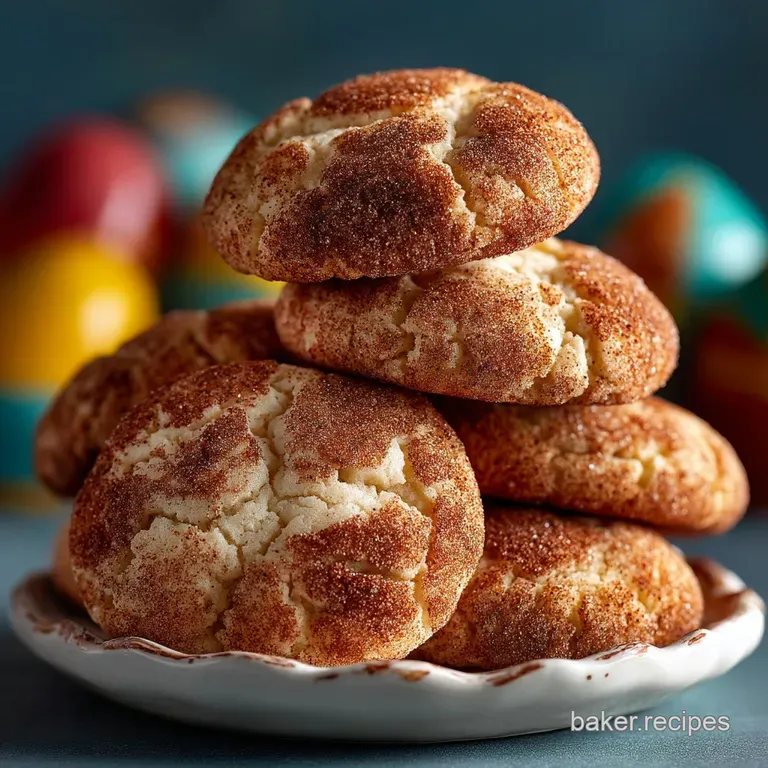
Follow these steps exactly, and you’ll be pulling perfect Snickerdoodles off the tray in under an hour. This is the ultimate guide to making truly soft Snickerdoodle Cookies .
Preparing the Dough: Mastering the Creaming Stage
The creaming process is everything here. Start with your fully softened butter and granulated sugar. Beat them together on medium high speed for a full 3 to 5 minutes. You are looking for a visible change: the mixture needs to become lighter in color (pale yellow) and significantly fluffier.
This is the aeration step, building the foundation for light cookies. If you cut this short, your Snickerdoodle Cookies will spread too much and be dense.
Once fluffy, incorporate the eggs one at a time. Mix until each egg is fully combined before adding the next. Then scrape down the bowl always scrape down the bowl! and add the vanilla.
Finally, mix in the dry ingredients on the absolute lowest speed only until the last streak of flour disappears. Overmixing develops gluten, leading to tough cookies.
The Importance of Dough Chilling for Shaping and Stability
Chilling is not optional; it’s mandatory. Even a short chill, 30 minutes minimum, is essential. The refrigeration solidifies the fat (the butter) and allows the gluten structure, which we gently developed, to relax.
This prevents the dough from spreading instantly when it hits the hot oven.
If you skip chilling, the fat melts too quickly, releasing the moisture, and you end up with thin, crispy, sad disks instead of thick, chewy Snickerdoodle Cookies . If your kitchen is very warm, chill the dough for a full hour. This simple step guarantees uniform baking and the right rise.
Rolling and Coating the Cookie Spheres for Maximum Crinkle
Uniformity is vital for even baking. Use a 1.5 inch cookie scoop (about 2 tablespoons) for portioning the dough. Roll the scooped dough quickly between your palms into a smooth sphere. Don't handle it too long, or the heat from your hands will soften the butter.
Once rolled, coat them aggressively in the cinnamon sugar mix. I mean, dunk them and roll them until they are completely covered. This heavy layer of sugar is crucial for the caramelization that creates the iconic crinkle on these Snickerdoodle Cookies .
Place the coated balls onto the parchment lined sheet, leaving plenty of space about two inches between each one. They need room to breathe and spread.
Optimal Baking Temperatures and Rack Placement
Preheat your oven to 375°F (190°C). This higher temperature ensures the edges set quickly while the center remains soft. Place the baking sheets in the middle rack position. If you use the bottom rack, the bottoms of the cookies can burn before the tops are done, especially given that sugar heavy coating.
Bake for 10– 12 minutes exactly. You are looking for edges that are barely set and a center that still looks slightly wet or puffy. When you touch the center, it should feel soft, not firm.
This slight under baking is the key to wonderfully soft, perfect Snickerdoodle Cookies .
Troubleshooting and Expert Secrets for Flawless Cookies
Every baker has hit a few bumps on the road to perfection. If your Snickerdoodle Cookies didn't turn out quite right, one of these common issues might be the culprit. Don't worry, we can fix it.
Solving the Mystery of Flat Snickerdoodles
Flat cookies almost always come down to temperature control.
- Warm Butter: If your butter was too soft or partially melted when creaming, the cookie lacked the necessary structure.
- Skipped Chilling: If you didn't chill the dough, the butter melted immediately upon hitting the oven. Fix: Always chill the dough for at least 30 minutes. If they start to spread too much during baking, quickly pull the sheet out, tap it hard on the counter (which helps redistribute the fat), and then return it to the oven for the remaining time.
How to Prevent the Cinnamon Coating from Burning
The cinnamon sugar coating is prone to burning if the oven is too hot or if the baking time is too long. While 375°F (190°C) is ideal, if your oven runs hot, drop the temperature to 350°F (175°C) and add 2– 3 minutes to the baking time.
Also, ensure you are rolling the cookie balls quickly and getting them into the oven before the cinnamon sugar mix starts to absorb moisture from the dough. A quick roll and quick bake prevents scorching and ensures that beautiful cinnamon flavor shines through on your Snickerdoodle Cookies .
The Toothpick Test Myth: Knowing When They Are Perfectly Done
Forget the toothpick test when making these Snickerdoodle Cookies —it only works for cakes or brownies. For chewy cookies, the visual and tactile test is supreme.
Perfect Doneness: The edges should be lightly golden and set, and the cookie surface should be dramatically crinkled. The center should still look puffy and pale. When you press the center lightly, it should feel very soft, but not gooey. They will look imperfectly done; that is exactly correct.
Storage, Preservation, and Next Day Freshness
You managed to resist eating the entire batch of soft Snickerdoodle Cookies while they were warm, fantastic! Now, how do you keep them tasting fresh?
Storing Baked Snickerdoodles for Maximum Softness
Once completely cooled, store your baked Snickerdoodle Cookies in an airtight container at room temperature. They usually stay wonderfully soft for 3 5 days. Expert Tip: Throw a half slice of plain white bread into the container with the cookies.
The moisture from the bread transfers to the cookies, keeping them incredibly soft and chewy for much longer.
Freezing Dough for Future Cravings (Baking from Frozen)
Freezing the dough is a brilliant move for anyone obsessed with fresh cookies (which is everyone, right?). Scoop and roll the dough balls, coat them in the cinnamon sugar as instructed, and then place them on a parchment lined tray. Freeze until solid (about 2 hours).
Once frozen solid, transfer the balls into a heavy duty freezer bag or container. They will last for up to 3 months. When ready to bake, place the frozen dough balls on a baking sheet and let them sit at room temperature while your oven preheats.
Add 2– 4 minutes to the original baking time.
Reheating Tips for a Just Baked Taste
If your cookies are a few days old and you want that warm, gooey texture back, a quick reheat is easy. Place one or two cookies on a microwave safe plate and heat them for 8 10 seconds. That’s enough to slightly melt the butter inside without making them hard or dry. This is especially good if you use these cookies to make an ice cream sandwich a perfect complement to my Orange Cookies: The Best Zesty Glazed Shortbread Recipe which also benefit from slight warming.
Elevated Pairings: How to Serve Your Fresh Batch
This specific Snickerdoodle Cookies recipe is fantastic straight off the rack, but you can definitely jazz them up.
The classic pairing is, of course, a tall, ice-cold glass of milk. But if you’re looking for something a little more grown-up, try serving them alongside a slightly tart espresso or a creamy latte. The subtle tang and spice of the cinnamon in the cookies cuts through the richness of the coffee beautifully.
For a decadent dessert, use two cooled Snickerdoodle Cookies to sandwich a generous scoop of vanilla bean ice cream or a scoop of salted caramel gelato. This combination of warm spice, cold cream, and chewy texture is utterly divine.
Enjoy these classic, chewy, and perfectly tangy Snickerdoodle Cookies !

Recipe FAQs
Why are my Snickerdoodles flat and not developing the signature crinkled top?
Flat cookies usually result from the butter being too warm or the dough not being adequately chilled before baking. Ensure you are using room temperature butter not melted or overly soft and try chilling the rolled dough balls for at least 30 minutes before placing them in the oven.
Also, verify that your cream of tartar and baking soda are fresh, as they are crucial for the necessary chemical reaction that creates the characteristic puff and crackle.
Can I skip the cream of tartar in this recipe?
No, the cream of tartar is a non-negotiable ingredient for an authentic Snickerdoodle; it provides the essential tangy flavor that differentiates it from a standard sugar cookie. Furthermore, the acid in the cream of tartar reacts with the baking soda to give the cookies their unique lift, soft interior, and crinkled appearance.
If you must omit it, you are essentially making a sugar cookie, which will have a different taste and texture.
My cookies turned out dry and tough. What went wrong?
Tough or dry cookies are most often caused by overbaking or overmixing the flour into the dough. You should stop mixing immediately once the flour streaks disappear, as developing the gluten further results in a dense cookie.
Remove the Snickerdoodles from the oven when the edges are just set but the centers still look slightly pale and underdone, as they will firm up completely while cooling on the hot baking sheet.
How far in advance can I prepare and freeze the cookie dough?
Snickerdoodle dough freezes exceptionally well, both before and after being rolled and coated in the cinnamon sugar mix. Roll the dough into balls, coat them, and flash freeze them on a sheet pan; once frozen solid, transfer them to an airtight freezer bag for up to three months.
To bake, simply place the frozen dough balls on the baking sheet and add 2 to 3 minutes to the overall baking time.
How should I store baked Snickerdoodles to keep them soft and fresh?
Store fully cooled baked Snickerdoodles in an airtight container at room temperature for up to five days for optimal freshness. To help retain the moisture and chewiness, a common baking trick is to place half a slice of fresh sandwich bread or a tortilla inside the container with the cookies.
Avoid refrigeration, as this tends to dry out the cookies quickly.
Can I use butter that is completely melted instead of softened butter?
No, completely melted butter will result in a greasy dough that spreads excessively and creates thin, crispy cookies instead of the desired thick, chewy texture. Creaming the granulated sugar with softened (but still cool) butter helps incorporate air, which is essential for the soft texture and contributes to the height of the finished cookie.
If your butter is too soft, chill the dough aggressively before baking.
Are there good substitutions for making Snickerdoodles gluten-free or dairy-free?
For a gluten-free version, use a high-quality 1:1 gluten-free baking blend that includes xanthan gum to help bind the dough. To make them dairy-free, you can substitute the butter with a firm, high-quality vegetable shortening or a plant based baking stick, ensuring you use the same measurements.
Note that both substitutions may slightly alter the crumb structure and overall tenderness of the finished product.
Classic Tangy Snickerdoodle Cookies
Ingredients:
Instructions:
Nutrition Facts:
| Calories | 181 kcal |
|---|---|
| Protein | 4.0 g |
| Fat | 6.0 g |
| Carbs | 28.0 g |
