Cottage Cheese Alfredo Pasta: Quick High-Protein Sauce
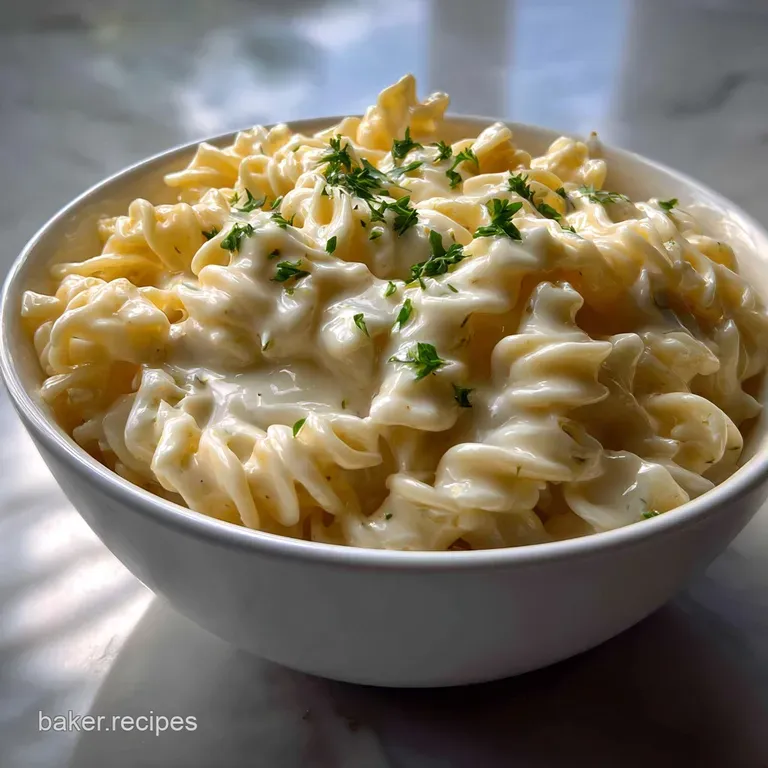
- High-Protein, Velvety Cottage Cheese Alfredo Pasta: The Only Recipe You Need
- The Ultimate High-Protein Alfredo Hack
- Why Cottage Cheese Makes the Best Velvety Sauce
- Essential Ingredients and Smart Swaps
- How to Make the Perfect Cottage Cheese Alfredo Pasta
- Pro Tips and Common Mistakes to Avoid
- Storing, Reheating, and Freezing the Sauce
- Creative Ways to Serve Your High-Protein Pasta
- Recipe FAQs
- 📝 Recipe Card
High Protein, Velvety Cottage Cheese Alfredo Pasta: The Only Recipe You Need
The Ultimate High Protein Alfredo Hack
Forget heavy cream, my friend. Forget the guilt that usually comes with a giant bowl of rich, luscious Alfredo. I know what you’re thinking: “Cottage cheese? In my pasta? Are you serious?” Yes! I’m absolutely serious.
I stumbled onto this high protein pasta recipe purely by accident when I was craving classic comfort food but had zero heavy cream in the fridge. The smell alone that hot, savory steam rising from the skillet, heavy with melting Parmesan and sharp garlic will convince you before the first bite.
This Cottage Cheese Alfredo Pasta delivers that impossibly rich, velvety texture you crave, but it skips most of the fat and doubles the protein. It’s ready in less than 20 minutes, making it the perfect quick delicious meal for busy weeknights.
If you’re looking for a simple, healthy comfort food swap that tastes like the real deal, stop scrolling. This is the new definition of Alfredo.
Why Cottage Cheese Makes the Best Velvety Sauce
I don't just share recipes; I share the why . You need to understand the magic behind this viral hack, especially when making something as potentially tricky as Cottage Cheese Alfredo Pasta .
The Protein Powerhouse Alternative to Cream
Traditional Alfredo is an emulsion of fat (butter) and dairy solids (cream/cheese). It’s glorious, but nutritionally heavy. When we use cottage cheese, we are essentially replacing high fat cream with high protein dairy curds.
This dramatically shifts the nutrient profile, making this one of the best high protein pasta recipes you can find. It’s brilliant, simple chemistry.
Defining the Texture: Velvety Smooth vs. Grainy
The biggest fear with using cottage cheese in sauces is graininess. Traditional cottage cheese is chunky the curds are visible. But when you introduce those curds to a high powered blender, something incredible happens.
The protein structure breaks down completely, resulting in a liquid that is thick and viscous, yet totally smooth. This is the secret to a perfect, zero curd Cottage Cheese Alfredo Sauce .
Achieving Smoothness: The Magic of Blending Curds
You need to blend until it looks like thick pancake batter. Seriously. If you can see any flecks, keep blending. The goal is to fully obliterate the protein curds so that when they are heated, they act like a thickener, not a separate ingredient. This ensures the sauce clings to every strand of pasta beautifully.
Essential Ingredients and Smart Swaps
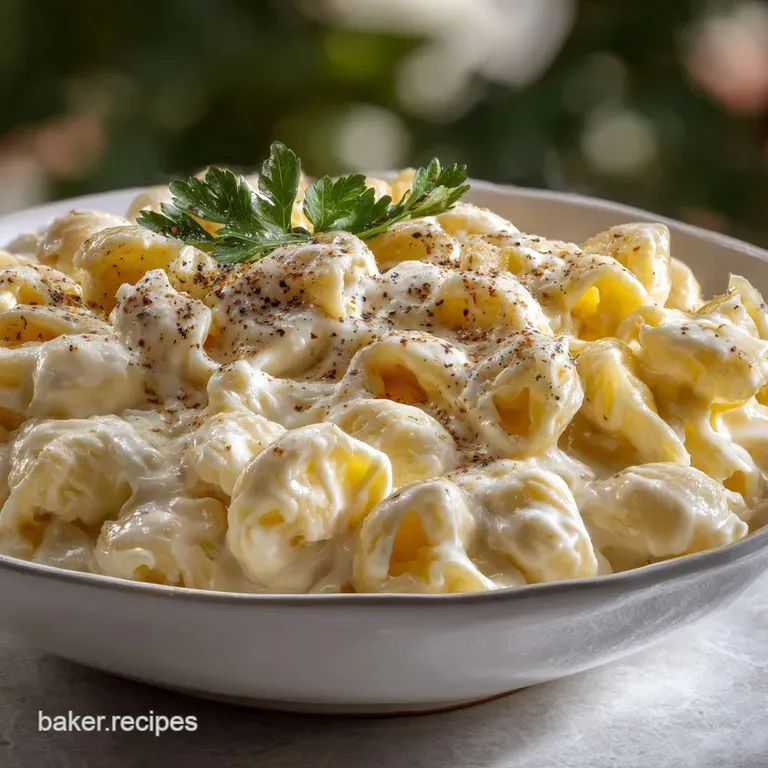
Getting the right consistency for your Cottage Cheese Alfredo relies on great ingredients. Here’s what you need and what you can use instead.
| Ingredient | The Role | Smart Swaps / Alternatives |
|---|---|---|
| Full fat Cottage Cheese (4%) | Provides protein, body, and creaminess when blended. | low-fat cottage cheese (may need more milk/pasta water); Tofu (for vegan, requires nutritional yeast for flavor); Ricotta Cheese (less tang, slightly thicker). |
| Parmesan Cheese | The classic nutty, salty flavor; crucial for emulsion. | Nutritional yeast (for dairy-free flavor); Pecorino Romano (stronger, saltier flavor). |
| Reserved Pasta Water | Starch and heat bind the sauce to the pasta (the emulsifier). | Vegetable or chicken stock (if you forgot to reserve the water); Whole Milk (use sparingly to avoid thinning too much). |
| Garlic | The savory base flavor. Don’t skip! | Garlic powder (use 1/2 tsp per clove); Shallots (adds a milder, sweeter onion flavor). |
| Nutmeg | Essential. Balances the dairy and adds warmth. | Mace (similar, subtle spice); White pepper (for warmth without the heavy aroma). |
Pasta Types That Pair Best with the Sauce
Because this Alfredo with Cottage Cheese is so rich and thick, you want a pasta shape that can really grab hold of it. Fettuccine is classic, of course, but don’t sleep on penne or shells. They create little crevices for the creamy sauce to tuck into.
How to Make the Perfect Cottage Cheese Alfredo Pasta
This process moves fast once the pasta is cooked, so have your blender ready!
Step 1: Preparing the Velvety Sauce Base
Boil your pasta until perfectly al dente in heavily salted water. Just before draining, reserve at least one cup of that glorious, cloudy, starchy water this is your liquid gold. While the pasta drains, quickly blend the sauce. Combine the 2 cups of cottage cheese, grated Parmesan, garlic cloves, milk, pepper, salt, and that crucial pinch of nutmeg in your high speed blender. Blend for a minimum of 45 seconds until the mixture is utterly smooth. If you love decadent desserts like I do, the texture should remind you of the filling in a Strawberry Cheesecake: Ultimate No-Crack Baked Recipe — silky and luxurious.
Step 2: Heating and Tempering the Sauce
In a large skillet over low heat, melt 2 tablespoons of butter (optional, but recommended for flavor). Pour the blended Cottage Cheese Alfredo Sauce into the skillet. Gently warm it for about two minutes, stirring constantly. You want it steaming, not bubbling or boiling!
This gentle heat ensures the delicate dairy proteins don't break.
Step 3: Mastering the Pasta Water Emulsion
This is where the magic happens and you turn a thick liquid into a glossy, clinging sauce. While stirring, slowly stream in the reserved hot pasta water, two tablespoons at a time. The sauce should immediately loosen and become glossier.
Stop adding water when the sauce perfectly coats the back of a spoon it shouldn’t be watery, but it shouldn’t be sticky either.
Step 4: Finishing the Dish
Dump the drained pasta directly into the skillet with the sauce. Toss vigorously for 60 to 90 seconds. The starch and heat will bind the sauce beautifully, making sure every strand of your Cheese Alfredo Pasta is coated. Taste, adjust salt, and sprinkle generously with fresh parsley.
Serve immediately!
Pro Tips and Common Mistakes to Avoid
We’ve all been there a sauce that splits, a sauce that’s too thick. Here are the pitfalls and how to steer clear of them when making your Creamy Cottage Cheese Alfredo Pasta .
| Mistake/Problem | Why It Happened | The Fix |
|---|---|---|
| Grainy/Lumpy Sauce | Under blending the cottage cheese; or heating the sauce too aggressively. | Pour the sauce back into the blender with a tablespoon of milk and re-blend until perfectly smooth. Heat gently next time. |
| Sauce Splits or Curdles | High heat caused the protein solids to separate from the liquid. | Whisk in a tablespoon of cold milk or cold reserved pasta water off-heat; if it’s too far gone, add another tablespoon of Parmesan and whisk vigorously to re-emulsify. |
| Sauce Is Too Thick | Not enough reserved pasta water, or it cooled down too quickly. | Add more hot reserved pasta water (or plain hot water) slowly until the desired consistency is reached. |
| Sauce Tastes Bland | Needs acidity or salt. | Add a tiny squeeze of fresh lemon juice (1/2 tsp); or stir in a little more Parmesan and salt. |
Storing, Reheating, and Freezing the Sauce
Best Practices for Refrigerating Leftovers
Got leftovers of your delicious Cottage Cheese Alfredo ? Store them in an airtight container in the fridge for up to 3 days. Note that the starch in the pasta will absorb much of the sauce, meaning it will thicken considerably upon cooling.
How to Successfully Reheat Cottage Cheese Sauce
Do not microwave this cold, dense pasta unless you like dry clumps! To reheat, place the leftovers in a skillet over low heat. Add 1/4 cup of whole milk or water for every two servings of pasta. Stir continuously while warming.
The added liquid and gentle heat will re-hydrate the starches and bring the sauce back to life.
Freezing Limitations and Recommendations
Dairy sauces, especially those relying on high protein sources like this, do not freeze well . Freezing causes the proteins to separate, resulting in a grainy, watery mess when thawed. It’s best to enjoy this fresh.
If you must prep ahead, blend the sauce base, but store it in the fridge (up to 2 days) and only heat and combine it with the pasta right before serving. This is one of those fantastic Cottage Cheese Recipes that is best made fresh!
Creative Ways to Serve Your High Protein Pasta
This pasta is fantastic on its own, but it’s also an amazing canvas for other flavors. For example, sautéed spinach or sun-dried tomatoes stirred in at the end add color and depth. Or, if you need another decadent treat for dessert after this lightened-up meal, check out my recipe for Mini Cherry Cheesecakes Recipe: Easy Graham Cracker Crust .
I promise you, once you try this hack, you'll never look back. The creamy, dreamy texture and robust flavor of this Cottage Cheese Alfredo Pasta makes it a winner every single time. Enjoy!

Recipe FAQs
Does this recipe taste strongly of cottage cheese?
No, when the cottage cheese is thoroughly blended and combined with Parmesan, butter, and seasonings like nutmeg, its characteristic tang disappears. The blending process transforms the curds into a neutral, high protein base that mimics the richness and texture of traditional heavy cream.
The final flavor profile is dominated by savory Parmesan and garlic.
Is blending the cottage cheese really necessary?
Yes, blending is absolutely essential to achieve the signature smooth, velvety texture of this "Alfredo" sauce. Attempting to melt or heat unblended cottage cheese curds will result in a lumpy, broken sauce that will not cling well to the pasta.
Use a high speed blender or immersion blender until the mixture is perfectly smooth.
Why is my Cottage Cheese Alfredo sauce gritty?
Grittiness usually indicates that the cottage cheese was not blended long enough initially or that the sauce was overheated after blending. Ensure the base is silk smooth before incorporating it with the pasta water.
Also, avoid boiling the finished sauce; add the Parmesan and seasoning over very low heat or off the burner to maintain stability.
Can I use low-fat or fat-free cottage cheese instead of full fat?
You may use low-fat or fat-free cottage cheese to further reduce the calorie and fat content of the dish. However, using full fat (4%) cottage cheese yields the best and most reliable results regarding sauce texture and richness. The slight increase in fat helps emulsify the sauce and provides a better mouthfeel.
How long can I store leftovers and how should I reheat them?
Leftover Cottage Cheese Alfredo pasta can be stored in an airtight container in the refrigerator for 3 to 4 days. When reheating, use the stovetop over very low heat and add a splash of milk, water, or chicken broth. This prevents the sauce from breaking or separating under intense heat, restoring its creamy texture.
What is the best way to thicken the sauce if it seems too runny?
The primary thickener in this recipe is the starch from the pasta water, combined with the protein in the cottage cheese and Parmesan. If your sauce is too thin, try letting it simmer very briefly (30 seconds) with the pasta, or stir in an extra tablespoon of grated Parmesan cheese.
If desperate, you may incorporate a slurry made from 1 teaspoon of cornstarch mixed with cold water.
Cottage Cheese Alfredo Pasta

Ingredients:
Instructions:
Nutrition Facts:
| Calories | 600kcal |
|---|---|
| Protein | 34g |
| Fat | 21g |
| Carbs | 58g |
| Fiber | 4g |
