Creamy Chicken Lasagna: Decadent White Sauce
- Time: Active 20 minutes, Passive 45 minutes, Total 1 hours 5 mins
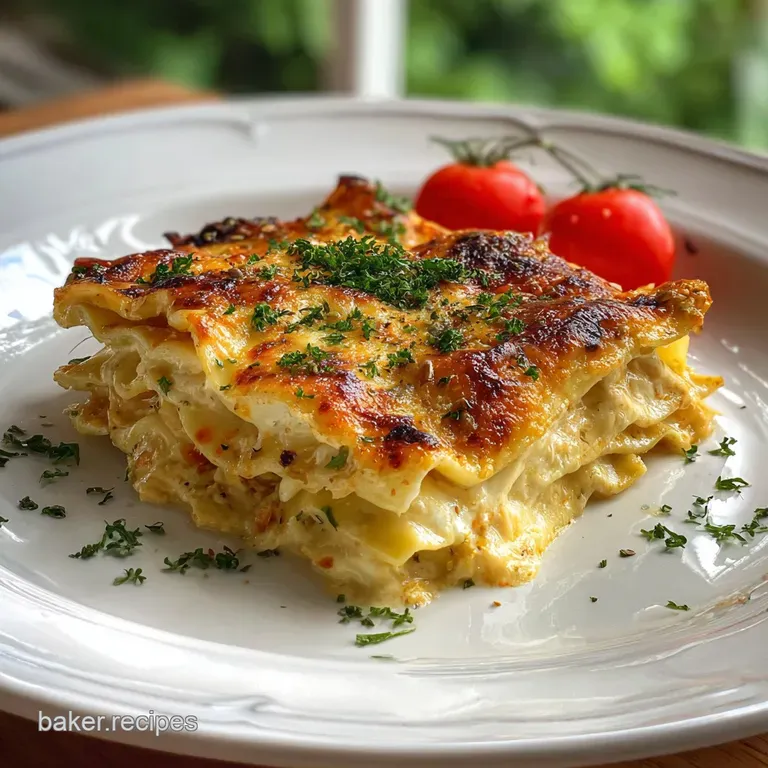
- Flavor/Texture Hook: Silky, cheesy, and bubbling with a golden crust
- Perfect for: Weekend family dinners or impressive meal prep
- Making the Best Creamy Chicken Lasagna
- The Science Behind This Dish
- Key Preparation Times and Yields
- Component Analysis Deep Dive
- Fresh Ingredients for White Lasagna
- Simple Steps to Assemble Lasagna
- Solving the Slumping Lasagna Problem
- Creative Ways to Customize Filling
- Addressing Common Cooking Misconceptions
- Storage and Reheating Tips
- Side Dishes to Pair with Meal
- Recipe FAQs
- 📝 Recipe Card
Making the Best Creamy Chicken Lasagna
The kitchen currently smells like a dream because of the way butter and garlic are swirling together in my skillet. You know that specific aroma of a roux just as it turns nutty? It's better than any candle you could buy.
I used to be a die hard red sauce person, thinking lasagna had to be tomato heavy to be real, but one bite of this changed everything for me. This dish is all about the layers of textures, from the silky white sauce to the slight bite of the spinach.
Trust me, we have all been there where we try to rush the sauce and end up with a grainy mess, or worse, a soupy center that makes the noodles slide right off. I’ve made those mistakes so you don't have to.
We're going to use a few simple techniques, like squeezing the life out of your spinach, to make sure every slice stands tall on the plate. It is the kind of meal that makes people quiet down because they are too busy enjoying the richness of the cheese.
If you are looking for something that feels fancy but uses ingredients you probably already have in the fridge, this is it. It’s a total comfort food classic that feels updated for a modern kitchen. We're going to focus on building deep flavor without spending three hours at the stove.
It's efficient, it's reliable, and honestly, the leftovers might even be better the next day once the flavors have had time to really mingle.
The Science Behind This Dish
Starch Gelatinization: As the flour and milk mixture heats, the starch granules swell and burst, creating a thick, stable matrix that binds the sauce. This ensures the lasagna holds its shape instead of running across the plate when sliced.
Protein Denaturation: The egg in the ricotta mixture acts as a binder by forming a solid protein network when baked, preventing the cheese layer from becoming watery.
Key Preparation Times and Yields
Selecting the right cooking method can change the entire texture of your dinner. While the oven is traditional for that deep, bubbling finish, a stovetop version can work if you use smaller, par boiled sheets and a heavy lid.
However, the oven provides that crucial dry heat that creates the golden brown crust we all love.
| Method | Cook Time | Texture Outcome | Best For |
|---|---|---|---|
| Traditional Oven | 45 minutes | Crispy edges, bubbly top | Maximum flavor and structure |
| Stovetop Skillet | 25 minutes | Softer, more "pasta like" | Quick weeknight hunger |
| Convection Bake | 35 minutes | Extra shatter crisp top | Faster results with texture |
Using the oven allows the heat to circulate around the 9x13 inch pan, ensuring the middle reaches the necessary 165°F while the mozzarella on top turns into a beautiful, molten blanket. It’s also much easier to feed a crowd of eight people when you let the appliance do the heavy lifting.
Component Analysis Deep Dive
When we talk about building a dish like this, the chemistry of the ingredients is what separates a good meal from a legendary one. The white sauce, or Mornay, relies on the fat to flour ratio to stay velvety. If you skip the nutmeg, you lose that subtle warmth that makes the cheese taste more "cheesy." It is a classic French trick that I use in many of my favorite recipes, including my Neiman Marcus Chicken recipe which uses a similarly luxurious base.
| Ingredient | Science Role | Pro Secret |
|---|---|---|
| Whole Milk Ricotta | Moisture & Structure | Beat it with the egg until it looks like clouds to avoid clumps. |
| Unsalted Butter | Fat Base for Roux | Let it foam before adding flour to cook out excess water content. |
| Ground Nutmeg | Flavor Catalyst | A tiny pinch acts as a bridge between the dairy and the savory chicken. |
| Lasagna Sheets | Structural Foundation | If using no boil sheets, ensure they are fully submerged in sauce. |
The interaction between the white pepper and the whole milk is also vital. White pepper provides a floral heat without the black specks, keeping the sauce looking pristine and ivory. This attention to detail is what makes this the best creamy chicken lasagna you'll ever serve.
Fresh Ingredients for White Lasagna
The beauty of this shopping list is its simplicity. I always suggest using a rotisserie chicken if you are in a time crunch, but poached breasts work beautifully too. Just make sure the chicken is seasoned well before it hits the pan.
- 3 cups cooked shredded chicken breast Why this? Provides the protein foundation and absorbs the velvety sauce perfectly.
- 1 tbsp extra virgin olive oil Why this? High smoke point for sautéing garlic without burning it.
- 2 cloves garlic, minced Why this? Adds aromatic depth to the initial chicken and spinach layer.
- 5 oz fresh baby spinach, wilted and squeezed dry Why this? Adds color and earthy notes without making the dish watery.
- 15 oz whole milk ricotta cheese Why this? Creates a creamy, thick interior layer that stays moist.
- 1 large egg, lightly beaten Why this? Necessary for binding the ricotta so it doesn't leak during slicing.
- 4 tbsp unsalted butter Why this? Provides the fat needed for a rich, flavorful roux.
- 0.25 cup all purpose flour Why this? Thickening agent that stabilizes the milk into a sauce.
- 3 cups whole milk, room temperature Why this? Prevents the roux from seizing up and clumping.
- 1 cup grated Parmesan cheese, divided Why this? Adds salty, umami notes to the sauce and topping.
- 0.25 tsp ground nutmeg Why this? The secret ingredient for professional tasting white sauces.
- 0.5 tsp salt
- 0.25 tsp white pepper
- 15 lasagna sheets, no boil or par boiled
- 3 cups shredded mozzarella cheese
- 0.5 cup shredded Provolone cheese Why this? Adds a sharp, tangy pull that mozzarella lacks on its own.
| Original Ingredient | Substitute | Why It Works |
|---|---|---|
| Whole Milk Ricotta | Cottage Cheese (blended) | Similar protein and moisture, though slightly tangier. |
| Lasagna Sheets | Sliced Zucchini | Lower carb. Note: Salt the slices first to draw out water. |
| Provolone | Mild White Cheddar | Good melting properties with a slightly sharper bite. |
If you find yourself with extra chicken after prepping this, it's the perfect excuse to try a Minced Chicken Fritters recipe for lunch the next day. It uses similar flavor profiles but in a much faster, pan-fried format.
Simple Steps to Assemble Lasagna

- Prep the chicken base. Heat olive oil in a pan, add minced garlic for 30 seconds, then toss in 3 cups shredded chicken and 5 oz spinach until the spinach is fully wilted. Note: Squeeze all moisture out of the spinach before adding it back to the chicken.
- Mix the ricotta. In a small bowl, combine 15 oz ricotta with 1 lightly beaten egg and 0.5 cup Parmesan until the mixture is smooth and uniform.
- Start the roux. Melt 4 tbsp butter in a saucepan over medium heat, then whisk in 0.25 cup flour until it bubbles and smells slightly nutty. Note: Don't let it brown; we want a white roux for this dish.
- Finish the Mornay. Slowly pour in 3 cups milk while whisking constantly until the sauce thickens and coats the back of a spoon.
- Season the sauce. Stir in 0.5 cup Parmesan, 0.25 tsp nutmeg, salt, and white pepper until the cheese is completely melted and silky.
- Begin layering. Spread 0.5 cup of the white sauce on the bottom of a 9x13 dish, then top with 3-5 lasagna sheets until the bottom is covered.
- Add the fillings. Layer half of the chicken and spinach mixture, followed by dollops of the ricotta mixture and a sprinkle of mozzarella until the layer is even.
- Repeat the process. Add more sauce, sheets, the remaining chicken, and ricotta, then finish with a final layer of sheets until you reach the top of the dish.
- The final top. Pour the remaining sauce over the final sheets and cover generously with 3 cups mozzarella and 0.5 cup Provolone until every corner is coated.
- Bake and rest. Bake at 375°F for 45 minutes, then let it sit for 10 minutes until the cheese is set and doesn't slide.
Chef's Tip: Freeze your butter for 10 minutes before starting the roux, then grate it into the pan. It melts more evenly and helps prevent the flour from clumping as you whisk.
Solving the Slumping Lasagna Problem
Nothing is more frustrating than a lasagna that looks like a soup on the plate. Usually, this happens because there is too much moisture hiding in the spinach or the sauce didn't thicken properly. I once forgot to squeeze my spinach and the whole thing was a green, watery mess.
I learned that lesson the hard way so you don't have to!
Fixing the Grainy White Sauce
If your sauce looks broken or sandy, it's usually because the heat was too high when you added the cheese. Dairy is sensitive to temperature spikes. You can often save it by removing the pan from the heat and whisking in a splash of cold milk very vigorously.
| Problem | Root Cause | Solution |
|---|---|---|
| Watery layers | Wet spinach or veggies | Squeeze spinach in a kitchen towel until bone dry. |
| Crunchy noodles | Not enough sauce | Ensure the sheets are completely covered in sauce to the edges. |
| Rubbery cheese | Overbaking | Tent with foil for the first 25 minutes of baking. |
- ✓ Pat the chicken completely dry before shredding to prevent excess steam in the oven.
- ✓ Preheat your oven for at least 20 minutes to ensure a steady, even temperature.
- ✓ Don't overcrowd the layers; keep them thin so the heat penetrates the center.
- ✓ Let the lasagna rest for a full 10-15 minutes before cutting - this is the most important step for clean slices!
Creative Ways to Customize Filling
If you want to change things up, you can easily adapt this base. For a bit of heat, I love adding chopped jarred jalapeños or a dash of crushed red pepper to the chicken mixture. You could also swap the spinach for roasted mushrooms if you want a more earthy, umami flavor profile.
For a smaller family, cutting the recipe in half is simple. Use an 8x8 square pan and reduce the bake time by about 10 minutes. If you are scaling up for a party, I recommend making two separate 9x13 pans rather than one giant deep dish, as the middle of a very deep lasagna often stays cold while the edges burn.
When doubling, you don't need to double the salt exactly - start with 1.5x and taste your sauce as you go.
If you are a fan of the creamy, herby vibes here, you might also enjoy the technique in my Creamy Chicken Fricassee recipe. It uses a similar dairy based approach but in a stovetop braise.
The Skillet Quick Version
If you're in a rush, you can make a "deconstructed" version in a skillet. Break the lasagna sheets into pieces, boil them halfway, then toss them into a large skillet with the chicken, spinach, and sauce. Top with cheese and broil for 3 minutes until bubbly.
Addressing Common Cooking Misconceptions
One of the biggest myths is that you must boil all lasagna sheets beforehand. With modern "no boil" sheets, or even regular sheets and enough sauce, the pasta cooks perfectly in the oven using the moisture from the Mornay. In fact, pre boiling often leads to gummy, overcooked pasta that lacks structural integrity.
Another misconception is that the "Maillard reaction" only happens with red meat. The golden brown spots on your mozzarella and the nutty smell of your roux are both results of this chemical reaction between amino acids and reducing sugars. It provides that savory, complex flavor that makes the crust so addictive.
Searing the chicken beforehand might not "seal in juices," but it definitely adds a layer of flavor that carries through the entire bake.
Storage and Reheating Tips
This lasagna stays fresh in the fridge for up to 4 days if kept in an airtight container. The sauce actually thickens further overnight, making it even easier to slice for lunch the next day. For the best texture when reheating, avoid the microwave if you have an extra ten minutes.
Instead, place a slice in a small baking dish, add a teaspoon of water or milk to the side, cover with foil, and pop it in a 350°F oven until bubbly.
To freeze, assemble the lasagna but do not bake it. Wrap the entire pan tightly in plastic wrap, then a layer of heavy duty foil. It will stay good for up to 3 months. When you are ready to eat, let it thaw in the fridge overnight before baking as directed.
For zero waste, save any leftover chicken bones or spinach stems! You can throw them into a freezer bag and use them to make a rich stock for your next soup.
Side Dishes to Pair with Meal
Since this dish is so rich and creamy, I always pair it with something bright and acidic to cut through the fat. A simple arugula salad with a sharp lemon vinaigrette is my go to. The peppery bite of the greens balances the velvety Mornay sauce perfectly.
If you want something heartier, roasted balsamic Brussels sprouts or a tray of garlic herb focaccia work wonders. Just avoid anything too heavy on the cheese or cream, as the lasagna already has that covered!
For a full comfort meal, you could even start with a light broth based soup to prep the palate for the main event. Keeping the sides simple lets the work you put into the layers of the chicken and cheese really shine.

Recipe FAQs
Can I use store-bought rotisserie chicken?
Yes, absolutely. Rotisserie chicken is a fantastic shortcut for this recipe, saving you significant time while still providing flavorful, tender meat.
How do I prevent the lasagna from being watery?
Squeeze out all excess moisture from the spinach. Also, ensure your white sauce (Mornay) is thickened properly until it coats the back of a spoon. This prevents excess liquid from seeping into the layers.
Do I need to pre-boil the lasagna noodles?
No, this is a common misconception. "No-boil" lasagna sheets cook directly in the sauce. If using regular sheets, ensure they are fully submerged in enough sauce to hydrate them during baking.
What is the secret to a creamy white sauce?
A proper roux is key. Melt butter, whisk in flour until bubbly, then slowly add room temperature milk while whisking constantly until thickened. If you enjoyed mastering the stable emulsion in this creamy sauce, see how the same whisking principle creates a velvety texture in our Turkey Gravy with Drippings: Silky Smooth Pub-Style Sauce.
Can I make this recipe ahead of time?
Yes, it's ideal for making ahead. Assemble the lasagna completely, cover tightly, and refrigerate for up to 2 days before baking. You may need to add a few extra minutes to the baking time.
How do I reheat leftover creamy chicken lasagna?
Avoid the microwave if possible. Reheat individual slices in a 350°F oven, covered with foil, with a teaspoon of water or milk added to the dish. This helps maintain moisture and prevent a rubbery texture.
What side dishes pair well with this rich lasagna?
Opt for something bright and acidic. A simple arugula salad with lemon vinaigrette or roasted balsamic Brussels sprouts will cut through the richness. You could also serve it alongside a light Chicken Stew Recipe: Classic Hearty Comfort Food for Sunday Supper for a more substantial meal.
Creamy Chicken Lasagna

Ingredients:
Instructions:
Nutrition Facts:
| Calories | 629 kcal |
|---|---|
| Protein | 45.8 g |
| Fat | 32.1 g |
| Carbs | 37.2 g |
| Fiber | 1.8 g |
| Sugar | 6.1 g |
| Sodium | 785 mg |
