Spinach Artichoke Lasagna: Creamy and White
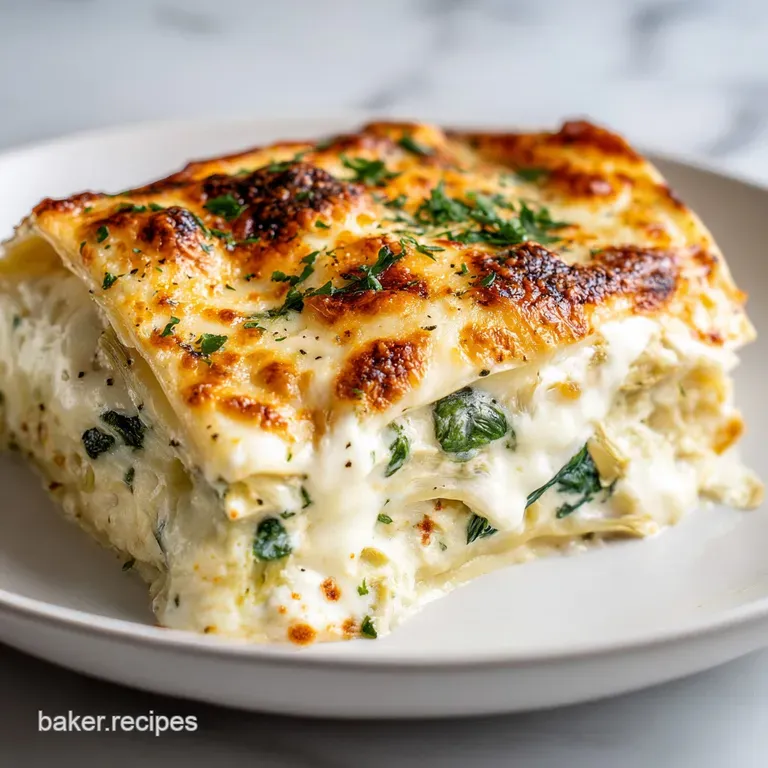
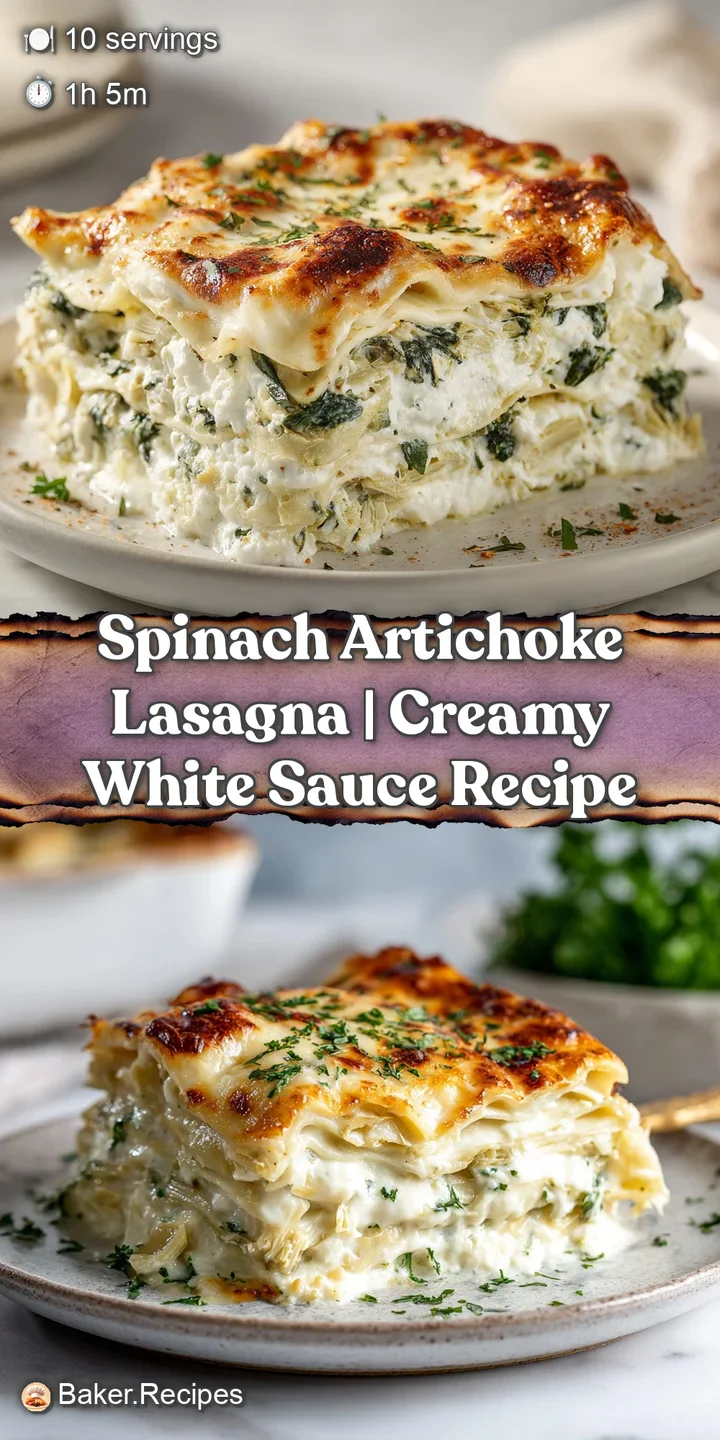
- Time: Active 20 minutes, Passive 45 minutes, Total 65 minutes
- Flavor/Texture Hook: Silky smooth white sauce paired with the slight tang of artichokes and the shatter of golden mozzarella.
- Perfect for: A cozy weekend family dinner or a prep ahead meal for entertaining friends.
- Achieving the Perfect Creamy Spinach Artichoke Lasagna Texture
- Essential Timings and Precise Recipe Specifications
- Choosing the Right Components for Maximum Flavor
- The Minimal Tools for a Professional Result
- A Systematic Guide from Preparation to Plating
- Practical Solutions for Common Baking Obstacles
- Creative Ways to Customize Your White Lasagna
- Preserving Freshness and the Best Reheating Methods
- How to Serve and Enjoy
- High in Sodium
- Recipe FAQs
- 📝 Recipe Card
Achieving the Perfect Creamy Spinach Artichoke Lasagna Texture
The first time I tried to make a white lasagna, it was a total disaster. I was so excited about the idea of a "dip turned dinner" that I just tossed everything into the pan. Twenty minutes later, I peeked into the oven and saw what looked like a swampy mess.
The spinach had released all its liquid, the ricotta had separated, and the noodles were swimming in a green puddle. It was a classic rookie mistake that taught me the most important lesson about this dish: moisture is the enemy of a good Spinach Artichoke Lasagna.
The real hero here isn't just the spinach itself, but how we treat it. We’re using frozen chopped spinach because it’s actually superior to fresh in this specific scenario. Fresh spinach has a massive volume to weight ratio and is mostly water.
By using frozen, the cellular walls have already broken down, allowing us to wring out every last drop of moisture. When you squeeze that spinach bone dry, you’re left with pure, concentrated flavor and a texture that actually grips the ricotta.
This ensures that every bite is velvety and rich, rather than watery.
We're going for a specific sensory experience here. Think of the way a well made béchamel coats the back of a spoon that same silkiness needs to translate to the final dish.
When the lasagna comes out of the oven, you want to hear that distinct "shatter" of the cheese crust and see the distinct layers that haven't collapsed into one another. It's about building a structure that feels substantial but melts the moment it hits your tongue.
Essential Timings and Precise Recipe Specifications
Getting the timing right is the difference between a lasagna that stands tall and one that slumps onto the plate. Most people forget that the cooking doesn't stop the moment the timer dings. Carryover heat is a real thing, and for a cheese heavy dish like this, it's a vital part of the process.
We are aiming for a total cook time of 45 minutes, split between covered and uncovered baking to ensure the noodles cook through while the top gets that signature golden hue.
| Method | Time | Texture | Best For |
|---|---|---|---|
| Standard Oven | 45 minutes | Crispy top, tender center | Traditional family dinner |
| Convection/Fan | 35 minutes | Extra crispy edges | When you're in a bit of a rush |
| make-ahead Cold | 55 minutes | Denser, more set layers | Meal prep or dinner parties |
The 15 minute rest period after baking is non negotiable. I know it's hard when the kitchen smells like roasted garlic and bubbling mozzarella, but if you cut it too soon, the béchamel will just run everywhere. That rest time allows the proteins in the cheese and the starch in the noodles to settle and firm up.
It’s the secret to getting those clean, Instagram worthy squares that actually hold their shape.
Choosing the Right Components for Maximum Flavor
When we look at the ingredients for this Spinach Artichoke Lasagna, we have to talk about the white sauce. A traditional red sauce lasagna relies on acidity to balance the fat. Since we’re going "bianca," we need white pepper and nutmeg to provide that depth.
The nutmeg isn't there to make it taste like a holiday dessert; it’s there to highlight the creaminess of the milk and the earthiness of the spinach. It’s a subtle background note that makes people ask, "What is that amazing flavor?"
- 115g Unsalted butter: This is the base of our roux. Using unsalted lets us control the seasoning perfectly.
- 65g All purpose flour: Combined with the butter, this provides the thickening power for our sauce.
- 1.2L Whole milk: Warm this up before adding it to the roux to prevent lumps.
- 3 cloves Garlic: Mince these finely so they melt into the sauce.
- 5g Nutmeg: Freshly grated is always better than the pre ground stuff.
- 600g Frozen chopped spinach: Must be thawed and squeezed until bone dry.
- 400g Canned artichoke hearts: Drained and patted dry before chopping.
- 450g Whole milk ricotta cheese: This provides the "fluff" in our filling. For a similar vibe in a different format, you might love these Creamy Spinach and Ricotta Stuffed Shells.
- 1 Large egg: Acts as a binder so the ricotta doesn't leak.
- 50g Parmesan cheese: Adds a salty, nutty kick to the filling.
- 375g No boil lasagna noodles: A massive time saver that absorbs the extra moisture from the sauce.
- 450g Low moisture mozzarella: Shred it yourself for the best melt.
Component Deep Dive
| Ingredient | Science Role | Pro Secret |
|---|---|---|
| Whole Milk | Fat Emulsion | Warm it to 45°C before whisking into the roux to ensure zero lumps. |
| Large Egg | Protein Binder | Whisk it into the ricotta cold to prevent it from scrambling before it hits the oven. |
| Nutmeg | Flavor Enhancer | Grate it directly over the simmering sauce to release volatile oils just before layering. |
Choosing the right artichokes is also a big deal. I prefer canned hearts in water over the marinated ones in jars. The marinated ones are delicious, but the oil and vinegar can throw off the balance of the béchamel and prevent the cheese from sticking to the layers.
If you do use marinated ones, rinse them thoroughly and pat them dry. We want that bright, slightly metallic tang of the artichoke to cut through the richness of the whole milk ricotta and butter.
The Minimal Tools for a Professional Result
You don't need a kitchen full of gadgets to pull this off, but a few specific items make the workflow much smoother. A heavy bottomed saucepan is your best friend for the béchamel. Thin pans have hot spots that will scorch the milk before the flour has a chance to cook out.
I usually reach for my stainless steel saucepan because it allows me to see the color of the roux clearly, ensuring it stays pale and nutty rather than turning dark brown.
A sturdy whisk is the second essential. You aren't just stirring; you're creating a suspension. As you stream in the 1.2L of milk, a balloon whisk helps incorporate air and break up any flour clumps. For the lasagna itself, a 9x13 inch ceramic or glass baking dish (like a Pyrex or Emile Henry) is standard.
Glass is great because you can actually see the layers bubbling on the sides, which helps you judge doneness better than an opaque metal pan.
Finally,, don't underestimate the power of a clean kitchen towel. This is the only tool that can truly get the spinach dry enough. Paper towels will just shred and leave little white bits in your green filling. Wrap that thawed spinach in the towel and twist it until your forearms ache.
If you think you're done, squeeze it one more time. That dedication to dryness is what separates a good lasagna from a "swamp" lasagna.
A Systematic Guide from Preparation to Plating
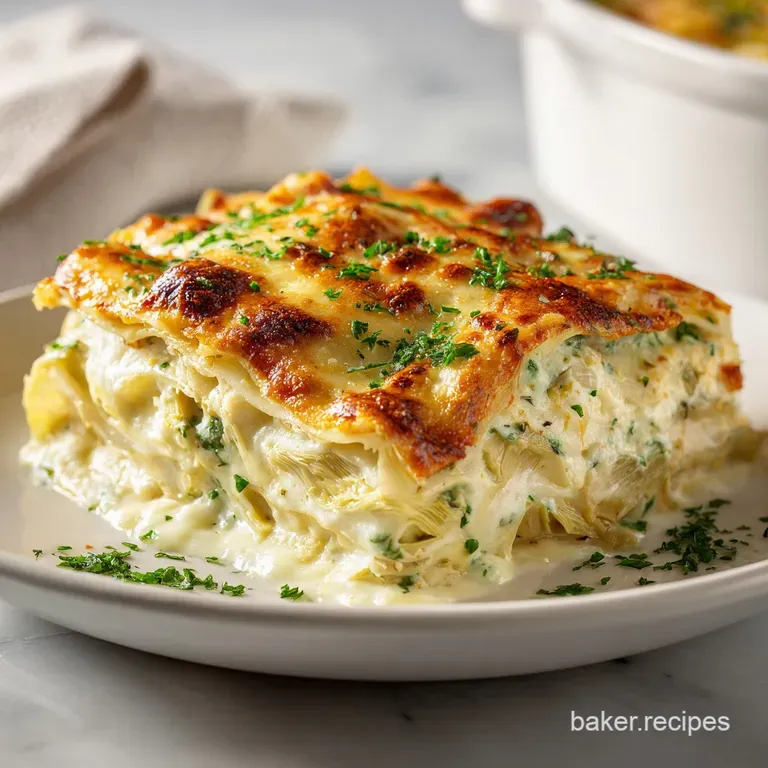
- Prepare the spinach: Thaw the 600g of spinach and place it in a clean kitchen towel. Wring it repeatedly over the sink until absolutely no more liquid escapes. Note: This prevents the lasagna from becoming watery during baking.
- Mix the filling: In a large bowl, combine the bone dry spinach with 400g chopped artichokes, 450g ricotta, the egg, and 50g Parmesan. Season with the red pepper flakes if you like a little heat.
- Start the roux: Melt 115g butter in a heavy saucepan over medium heat. Whisk in 65g flour for 2 minutes until it smells nutty and looks pale gold.
- Finish the béchamel: Slowly stream in the 1.2L of warmed milk while whisking constantly. Add the minced garlic, 5g nutmeg, 10g sea salt, and 5g white pepper. Simmer until the sauce thickens enough to coat a spoon.
- Prep the oven: Preheat your oven to 375°F (190°C). Spread a thin layer of the white sauce on the bottom of your 9x13 inch pan to prevent the first layer of noodles from sticking.
- Layer the noodles: Place a layer of no boil lasagna sheets over the sauce. Spread a third of the spinach ricotta mixture over the noodles.
- Add sauce and cheese: Drizzle a portion of the béchamel over the spinach mixture and sprinkle with a handful of the 450g mozzarella.
- Repeat the process: Continue layering (noodles, filling, sauce, mozzarella) until you run out of ingredients, usually 3 or 4 layers deep.
- The final layer: Finish with a generous layer of white sauce and the remaining mozzarella to create a thick cheese "lid."
- Bake and rest: Cover with foil and bake for 25 minutes. Remove the foil and bake for another 20 minutes until the cheese is bubbling and golden brown. Let it rest for 15 minutes before slicing.
The Logic of the Layers
Structure: The no boil noodles are actually designed to absorb liquid. By layering them directly against the ricotta and the béchamel, they pull moisture from the sauce to soften, which in turn thickens the sauce even further. It's a self correcting system.
Flavor Distribution: By putting the garlic and nutmeg in the sauce rather than the filling, we ensure that every single millimeter of the lasagna is seasoned. The sauce acts as the delivery vehicle for the aromatics, while the filling provides the texture and the "meatiness" of the vegetables.
Practical Solutions for Common Baking Obstacles
Why Your Lasagna is Runny
If you cut into your lasagna and a pool of liquid forms at the bottom, the culprit is almost always the vegetables. Even if you think you squeezed the spinach, give it another go next time. Also, check your ricotta. Some brands are much "wetter" than others.
If your ricotta looks watery in the container, let it strain in a fine mesh sieve for 30 minutes before mixing it with the egg.
To Avoid Hard, Crunchy Noodle Edges
No boil noodles are a blessing, but they can get crunchy if they aren't fully submerged in sauce. Make sure you spread the béchamel all the way to the very corners of the pan. The edges of the noodles need moisture to hydrate.
If you notice the edges looking dry halfway through baking, you can carefully spoon a little extra sauce over them or press them down into the bubbling cheese.
| Problem | Root Cause | Solution |
|---|---|---|
| Greasy surface | Low quality mozzarella | Use low moisture, part skim mozzarella and blot excess oil with a paper towel. |
| Lumpy sauce | Milk added too fast | Whisk vigorously and add milk in 1/2 cup increments at first. |
| Bland flavor | Lack of salt/acid | Increase sea salt slightly or add a squeeze of lemon to the spinach filling. |
Common Mistakes Checklist
- ✓ Forgot to warm the milk: This leads to flour clumps that never fully dissolve.
- ✓ Skipping the foil: Baking uncovered the whole time will burn the cheese before the noodles are tender.
- ✓ Using fresh mozzarella: Fresh mozz has too much water content; always stick to the low moisture blocks.
- ✓ Over chopping the artichokes: You want some bite! Keep them in 1cm chunks rather than a paste.
- ✓ Cutting too early: If you don't wait that 15 minutes, the layers will slide apart.
Creative Ways to Customize Your White Lasagna
While the classic version is a vegetarian dream, there are so many ways to play with this base. If you're looking for a shortcut that keeps the same flavor profile, you could even look into making a Dip in 20 Minutes recipe as a side or a base for a faster pasta bake. But for the lasagna itself, the most popular variation is adding protein.
For Chicken Spinach Artichoke Lasagna
Add 300g of shredded rotisserie chicken to the spinach and ricotta mixture. The chicken picks up the garlic and nutmeg from the béchamel beautifully. Since the chicken is already cooked, it doesn't change the bake time, but it does make the dish much heartier.
This is my go to when I'm feeding a crowd that insists a meal isn't a meal without meat.
For Spinach Artichoke Lasagna Roll Ups
If you want a more elegant presentation, use boiled lasagna noodles instead of no boil sheets. Spread the filling onto each individual noodle, roll it up, and place it seam side down in the baking dish. Smother the rolls in the white sauce and bake as usual.
This reduces the bake time to about 30 minutes since the noodles are already cooked, and it makes serving a breeze no messy slicing required!
For a dairy-free Swap
| Original Ingredient | Substitute | Why It Works |
|---|---|---|
| Whole Milk | Unsweetened Soy Milk | Similar protein and fat content; creates a stable white sauce. Note: Avoid almond milk as it is too thin. |
| Butter | Vegan Butter Sticks | Provides the necessary fat for the roux without changing the flavor profile much. |
| Ricotta Cheese | Cashew Cream | Rich, fatty, and holds its shape when baked. |
Preserving Freshness and the Best Reheating Methods
Lasagna is one of those rare dishes that actually tastes better the next day. As it sits in the fridge, the flavors of the garlic, nutmeg, and artichoke continue to meld and penetrate the noodles. You can store leftovers in an airtight container in the fridge for up to 4 days.
When reheating, the microwave is fine for a quick lunch, but it can make the noodles a bit gummy.
For the best results, reheat a slice in the oven at 350°F (180°C) covered with foil. Add a tiny splash of milk or water to the dish before covering to create a little steam, which helps re hydrate the béchamel.
It usually takes about 15 to 20 minutes to get it hot all the way through.
Freezing: This dish freezes exceptionally well. You can freeze it before or after baking. If freezing before, assemble everything, wrap it tightly in a double layer of plastic wrap and then foil. It will stay fresh for up to 3 months.
To bake from frozen, add an extra 20 minutes to the covered baking time.
Zero Waste Tip: Don't throw away the liquid you squeezed from the spinach! It’s packed with nutrients. I usually save it in a jar in the freezer and toss it into my next vegetable soup or use it as part of the liquid for cooking rice.
The same goes for the artichoke canning liquid it’s essentially a light vegetable brine that adds a punch of flavor to pan sauces.
How to Serve and Enjoy
Presentation matters, especially when you've put this much effort into the layers. I like to garnish the top with a handful of fresh chopped parsley or even some extra red pepper flakes for a pop of color against the white cheese.
Because this Spinach Artichoke Lasagna is quite rich, it pairs best with something bright and acidic. A simple arugula salad with a lemon shallot vinaigrette is the perfect counterpoint to the heavy béchamel.
When it comes to debunking myths, many people think you must boil your noodles for a good lasagna. That’s simply not true anymore. Modern no boil noodles are fantastic, but they require a slightly "wetter" sauce than traditional noodles.
Our 1.2L of milk creates a béchamel that is purposefully a bit thinner than a stand alone sauce, specifically so the noodles can drink it up.
Another myth is that you need a dozen different cheeses. While you can add fontina or provolone, the combination of ricotta, parmesan, and mozzarella provides the perfect balance of creaminess, salt, and "cheese pull." Stick to the basics and let the quality of the spinach and artichokes shine through.
This dish isn't just a meal; it's a testament to how simple ingredients, treated with a little bit of technique and moisture control, can turn into something truly extraordinary. Right then, let's get that oven preheated and start squeezing that spinach!
High in Sodium
845 mg 845 mg (37% 37% of daily value)
The American Heart Association recommends no more than 2,300mg of sodium per day, with an ideal limit of about 1,500mg for most adults.
Tips to Reduce Sodium
-
Reduce Added Salt-25%
Cut the sea salt in half, from 2 tsp to 1 tsp. This is the single biggest contributor to sodium.
-
Choose Low-Sodium Canned Artichokes-20%
Opt for canned artichoke hearts labeled 'low sodium' or 'no salt added'. This significantly reduces the sodium from this ingredient.
-
Use Lower Sodium Cheeses-15%
Select low-sodium mozzarella and reduce the amount of Parmesan cheese used, or look for a lower sodium version of Parmesan.
-
Amplify Flavor with Herbs and Spices
Boost the flavor profile by adding more fresh garlic, nutmeg, and red pepper flakes. Consider fresh herbs like basil or oregano for added depth.
Recipe FAQs
How to ensure the spinach ricotta mixture isn't watery?
Wring the thawed spinach in a clean kitchen towel repeatedly until bone dry. Excess moisture is the enemy of a sturdy slice; if you enjoyed perfecting this moisture control technique, see how we apply it to our savory spinach balls.
Is it necessary to warm the milk before making the béchamel?
Yes, warming the milk is essential. Cold milk hitting the roux causes the flour to clump instantly, preventing a smooth, thickened sauce that properly coats the back of a spoon.
How to prevent the cheese from burning before the noodles are tender?
Cover the pan with foil for the first 25 minutes of baking. This traps steam to soften the no-boil noodles, while removing the foil for the final 20 minutes ensures the mozzarella becomes perfectly golden and bubbling.
Can I use fresh mozzarella instead of low-moisture?
No, avoid fresh mozzarella. It contains too much water and will release liquid during baking, resulting in a soggy, unstable lasagna that refuses to hold its shape when sliced.
How to get clean slices when serving?
Rest the lasagna for exactly 15 minutes after pulling it from the oven. This resting period allows the cheese and sauce to set, preventing the layers from sliding apart when you cut through them.
Is it okay to finely puree the artichoke hearts?
No, keep the artichokes in 1cm chunks. Leaving them in larger pieces provides a necessary textural contrast to the creamy ricotta and silky béchamel sauce.
How to determine if the béchamel is finished?
Check if the sauce coats the back of a spoon cleanly. You should be able to draw a line through the sauce on the spoon with your finger without the liquid running to fill the gap.
Creamy Spinach Artichoke Lasagna
Ingredients:
Instructions:
Nutrition Facts:
| Calories | 579 kcal |
|---|---|
| Protein | 29.4 g |
| Fat | 31.5 g |
| Carbs | 44.8 g |
| Fiber | 3.8 g |
| Sugar | 8.2 g |
| Sodium | 845 mg |
