The Crispest Cod Classic Beerbattered Fish Proper Triplecooked Chips
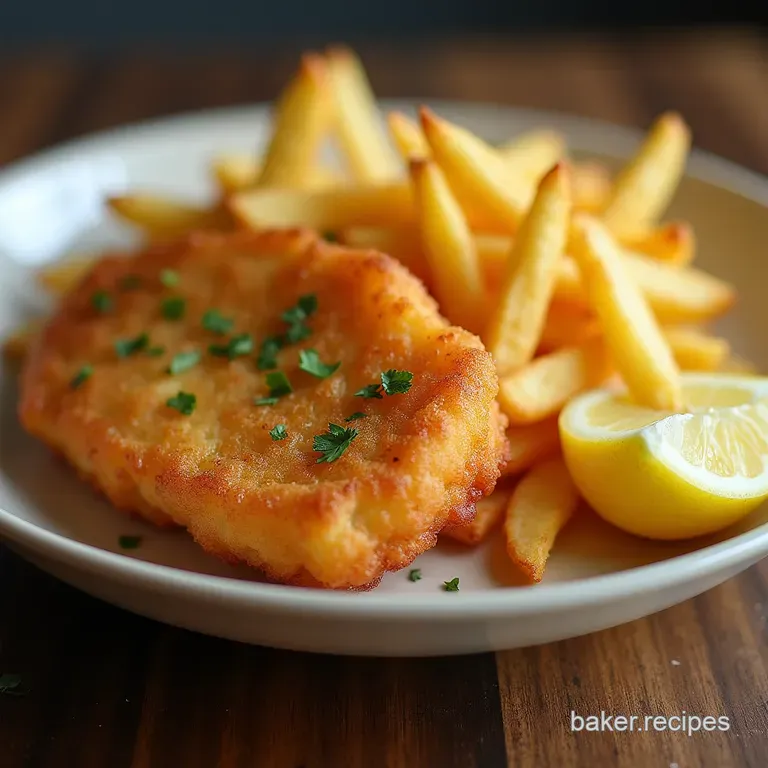
- Unveiling the Secret to Chipper Perfection: Why This Recipe Triumphs
- The Philosophy Behind Pub-Style Crispy Coating
- Assembling Your Culinary Arsenal: Essential Components
- Selecting Premium Produce and Protein for Optimal Flavor
- Phase One: Preparing the Golden, Fluffy Triple-Cooked Potatoes
- Phase Two: Achieving Batter Brilliance and Frying the Fish
- Elevating Your Platter: Sauce Pairings and Side Enhancements
- Recipe FAQs
- 📝 Recipe Card
Unveiling the Secret to Chipper Perfection: Why This Recipe Triumphs
There is a profound, almost sacred satisfaction derived from eating truly exceptional Fish and Chips . We’re not talking about the greasy, lukewarm parcels handed over at a fast food counter.
We are aiming for the quintessential British fish and chips experience: fish encased in a shatteringly crisp coating, yielding to snowy, tender flakes within, all paired with potatoes cooked until they achieve peak structural integrity crisp edges hugging a fluffy center.
This comprehensive Fish and Chips recipe seeks to demystify the process, transforming the seemingly simple combination into a culinary achievement worthy of the finest seaside promenade.
Preparing homemade fish and chips demands patience, particularly with the potatoes, but the result is a comfort food masterpiece that far surpasses any standard takeaway offering.
The Philosophy Behind Pub-Style Crispy Coating
The magic of pub-style fare lies in texture. A proper crispy fish and chips batter must withstand the weight of expectation, remaining rigid and golden long enough to deliver that satisfying audible crunch upon the first bite.
This is achieved not just through the ingredients used, but through rigorous adherence to temperature control and technique. We need a batter that is light, airy, and relatively thin, allowing the delicate flavor of the fish to shine through while providing that essential textural contrast.
Setting the Stage: Mastering Homemade Fish and Chips
To truly master classic fish and chips in your own kitchen, organization is paramount. This entire operation hinges on two separate components the potatoes and the fish being cooked across multiple stages and temperatures.
Before beginning, ensure your fillets are completely dry, your oil volume is sufficient for deep frying, and your thermometer is calibrated and ready. We are aiming for an authentic fish and chips experience, and that starts with respecting the fundamentals of frying science.
Why Beer is Your Batter's Best Friend
The primary secret to an airy, light crispy fish and chips batter is carbonation. We insist on using a very cold lager or pale ale. When the cold, fizzy liquid hits the hot oil, the rapid expansion of trapped gas creates thousands of tiny pockets of air within the batter matrix.
This steam expansion lifts the batter, preventing it from becoming dense or heavy. On top of that,, the slight bitterness of the beer cuts through the richness of the oil, balancing the overall flavor profile beautifully.
Understanding the Triple Cook Method for Fluffy Interiors
Anyone can fry a potato wedge, but only the triple cook method guarantees the legendary interior texture of proper British fish and chips . This technique separates the cooking process into three distinct steps: boiling/simmering to gelatinize the starches and create the fluffy interior, a low-temperature blanch to remove surface moisture and cook the interior gently, and finally, a high heat blast to develop the signature crunch.
This meticulous approach is what separates standard fries from truly fluffy fish and chips .
Assembling Your Culinary Arsenal: Essential Components
This recipe is designed to serve four generously. Before moving to the method, gathering all necessary components is crucial. We require roughly 3 lbs (1.4 kg) of high starch potatoes, four skinless, boneless fillets (ideally cod or haddock, about 6 oz each), and neutral, high smoke point oil canola or vegetable oil work perfectly, with about 8 cups required to ensure adequate depth for safe frying.
Related Recipes Worth Trying
- Foolproof Dandelion Syrup Recipe Earthy Nectar for Cocktails — Learn how to make this delicate Dandelion Syrup recipe perfect for drizzling or using as a sophisticated cocktail mixer Get the floral flavour bottled
- The Golden Standard Truly Crispy German Chicken Schnitzel — Master the art of perfectly crisp German Chicken Schnitzel This authentic Huhnerschnitzel recipe guarantees a light souffléed coating every time Get cooking
- Grandmas Authentic Southern Banana Pudding Recipe — Forget the instant stuff This is the creamy southern banana pudding recipe from scratch youve been searching for complete with a lofty meringue
Selecting Premium Produce and Protein for Optimal Flavor

The quality of your raw materials dictates the final outcome. For the fish, while haddock offers a slightly sweeter profile, cod is the stalwart choice, known for its large, moist flakes. Ensure the fillets are thick enough (around 1 inch) to withstand the frying process without drying out.
The Perfect Batter Base: Ratios and Replacements
The ideal batter ratio is a careful blend of structure and lift. We use 1 ½ cups of all-purpose flour combined with ¼ cup of cornstarch; the cornstarch is non-negotiable, as it inhibits gluten formation and guarantees maximum shatter.
Add 1 teaspoon of baking powder for extra lift, alongside salt and pepper. Remember, the final liquid must be ice-cold lager or pale ale, measuring 1 ¼ cups. If avoiding alcohol, substitute with club soda mixed with a teaspoon of white wine vinegar to mimic the slight acidity of beer.
Choosing Your Starch: Ideal Potatoes for Triple Cooking
For the chips, your choice of potato matters immensely. You need a high solids, low-moisture variety. Russets are excellent in the US, but if you can source them, Maris Pipers or King Edwards the UK favorites are unmatched for achieving that perfect internal fluffiness.
Cut these into thick, uniform batons, roughly half an inch wide, ensuring even cooking across the entire batch.
Essential Oil Temperature Guidelines for Frying Safety
Temperature consistency is the bedrock of safe and successful deep frying. You will require a deep fry or candy thermometer. For the initial cooking of the fish and the final crisping of the chips, the target is 375° F ( 190° C).
For the intermediate blanching of the chips, the temperature must drop to 275° F ( 135° C). Never attempt frying without a thermometer; guessing leads to oily, undercooked food and potential hazard.
The Must Have Condiments for Authentic Fish and Chips Presentation
While the fish and chips themselves are the star, the accompaniments cement the authenticity. Traditional British fish and chips are rarely served alone. Plan to have malt vinegar ready for spritzing, sea salt for finishing, and crucially, some form of tartare sauce or mushy peas to provide the necessary tang and richness.
Phase One: Preparing the Golden, Fluffy Triple Cooked Potatoes
Begin by peeling and cutting your chosen potatoes into thick chips. The moment they are cut, rinse them rigorously under cold running water until the water runs completely clear; this washes away excess surface starch which impedes crisping later.
After washing, drain them thoroughly and spread them onto absorbent surfaces, patting them bone dry.
step-by-step: Blanching, Cooling, and Final Roasting the Chips
First, place the dried chips into a pot, cover with cold water, and bring them slowly to a bare simmer, cooking gently for about 8 to 10 minutes. They should be tender when pierced but must not collapse.
Drain them immediately and allow them to cool completely ideally chilling them in the refrigerator for at least one hour, or the freezer for 30 minutes, which further dries the exterior.
Next, heat your oil to 275° F ( 135° C) and blanch the chips in small batches for 5 to 7 minutes until pale yellow. Drain them again, allowing them to cool fully once more before the final step.
Phase Two: Achieving Batter Brilliance and Frying the Fish
While the potatoes are chilling, focus on the batter and the fish prep. Pat your cod or haddock fillets completely dry; any residual moisture will cause the batter to slide off.
Mixing the Batter: Achieving the Ideal Viscosity
Combine all dry batter ingredients in a bowl. Whisk in the ice-cold beer all at once, incorporating it gently with a whisk until just combined. You are aiming for a consistency similar to thin pancake batter it should easily coat the back of a spoon but drip freely.
Lumps are acceptable; overmixing develops gluten, resulting in a heavy, chewy coating instead of a light crust.
The Crucial Double Fry Technique for Maximum Chip Crunch
Once the chips have cooled from their blanching stage, heat your oil aggressively to 375° F ( 190° C). This is the final, high heat cook.
Fry the pre-cooked chips in small batches for just 3 to 4 minutes until they achieve a deep, rich golden brown hue. Immediately remove them, drain them on a wire rack (never paper towels, as this traps steam), and season generously with fine sea salt while they are piping hot.
Keep these warm while you cook the fish.
Dredging and Frying: Ensuring Zero Soggy Fish Fillets
Lightly dust the patted dry fish fillets with a small amount of the dry flour mix you reserved earlier; this acts as a glue layer. Dip the dusted fillet wholly into the prepared cold batter, allowing any large excess drips to fall back into the bowl.
Carefully lower the fish away from you into the 375° F ( 190° C) oil. Fry two fillets at a time maximum to avoid dropping the oil temperature drastically.
Cook for 4 to 6 minutes per side, turning once, until the batter is puffed, rigid, and deeply golden, and the internal fish temperature reaches 145° F ( 63° C). Drain on a clean wire rack and salt immediately.
Elevating Your Platter: Sauce Pairings and Side Enhancements
To complete the experience of perfect Fish and Chips , the traditional accompaniments are essential. Serve immediately, piled high next to the triple cooked chips. Squeeze fresh lemon juice over the fish to brighten the flavor.
For sides, traditional mushy peas made from marrowfat peas offer a lovely, earthy counterpoint.
Crafting a Zesty Homemade Tartar Sauce Alternative
If store-bought tartare sauce feels lacking, create your own vibrant alternative. Finely chop cornichons (gherkins), capers, fresh dill, and chives. Fold these additions into good quality mayonnaise along with a generous squeeze of fresh lemon juice and a dash of Dijon mustard.
This bright, zesty sauce cuts beautifully through the richness of the fried batter.
Making Ahead: Can Portions of This Dish Be Prepared Early?
The best element to prepare in advance are the chips. You can complete the initial simmer and the low-temperature blanch, draining them thoroughly, and storing them chilled in the refrigerator for up to 24 hours. When ready to serve, jump straight to the final, high heat crisping stage.
The batter, however, must always be mixed immediately before use, as letting it sit dulls the carbonation and reduces its lifting power.
Temperature Management: Preventing Oil Breakdowns During Batch Frying
When frying multiple batches of fish, the oil temperature will inevitably drop. It is critical to allow the temperature to fully recover to 375° F ( 190° C) between each batch.
If you overcrowd the pot, the temperature plummets, leading to slow cooking, excessive oil absorption, and inevitably, soggy Fish and Chips . Use a slotted spoon or spider to gently move the fish pieces around to ensure even browning without disturbing the temperature too heavily.
Storage Recommendations for Leftover Fish and Chips
Truthfully, Fish and Chips are best eaten moments after they leave the fryer. If you do have leftovers, cool them quickly and store them in a paper bag in the refrigerator never in an airtight container, as the trapped moisture will instantly soften the crust.
Reheating is best done in an oven set to 400° F ( 200° C) on a wire rack for about 10 minutes to coax back some crispness, though they will never fully replicate their initial perfection.

Recipe FAQs
Why are my homemade Fish and Chips batter soggy instead of crispy?
Ah, the dreaded soggy bottom! This is usually down to oil temperature or overmixing. Ensure your oil is consistently hot (around 375°F/190°C) so the batter cooks instantly. Also, only mix the batter until just combined; too much mixing develops gluten, leading to a tough, heavy coating.
I’m struggling with the triple cooked chips why do I need to cook them three times?
It’s the secret weapon for perfect texture! The first simmer cooks the inside gently, the chilling step dries the exterior starch, and the final high heat fry blasts that exterior into glorious crispness while keeping the centre fluffy, like proper chippy grub.
Don't skip that chilling stage, or they won't crisp up right.
What’s the best substitute for beer in the batter if I don’t want alcohol?
You can absolutely nail this without the lager! The beer's purpose is carbonation and flavour. Substitute it with an equal amount of ice-cold sparkling water or club soda, adding a teaspoon of white wine vinegar to mimic the slight acidity that helps tenderise the coating.
How do I stop my fried fish and chips from going limp while I cook the rest?
The key here is draining on a wire rack, not paper towels, as paper traps steam underneath. For keeping things hot, you can briefly place cooked batches under a low oven (about 200°F/95°C) on that rack while you finish the final few pieces.
Can I make the chips ahead of time for my Fish and Chips dinner?
Absolutely, that’s half the battle won! You can complete the second cook (the blanching stage) completely, let the chips cool down, and store them in the fridge overnight. When you’re ready to serve, just blast them in the 375°F/190°C oil for the final crisping stage.
Crispy Cod Triple Chips

Ingredients:
Instructions:
Nutrition Facts:
| Calories | 1018 kcal |
|---|---|
| Protein | 11.9 g |
| Fat | 26.7 g |
| Carbs | 89.6 g |
| Fiber | 7.7 g |
| Sodium | 10295 mg |
