Chicken Lo Mein Recipe: Tender Chicken & Silky Noodles
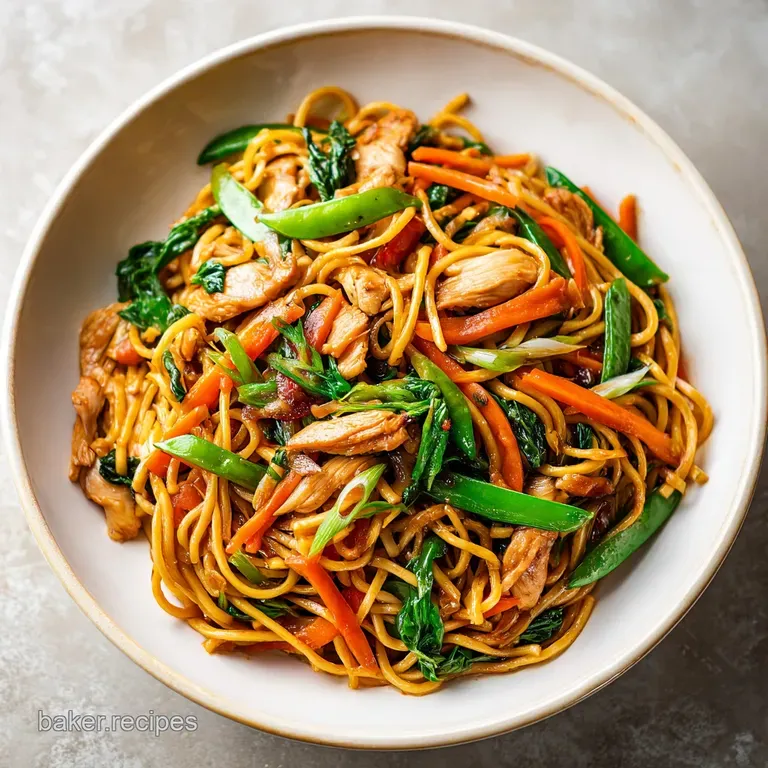
- Time: Active 10 minutes, Passive 10 minutes, Total 20 minutes
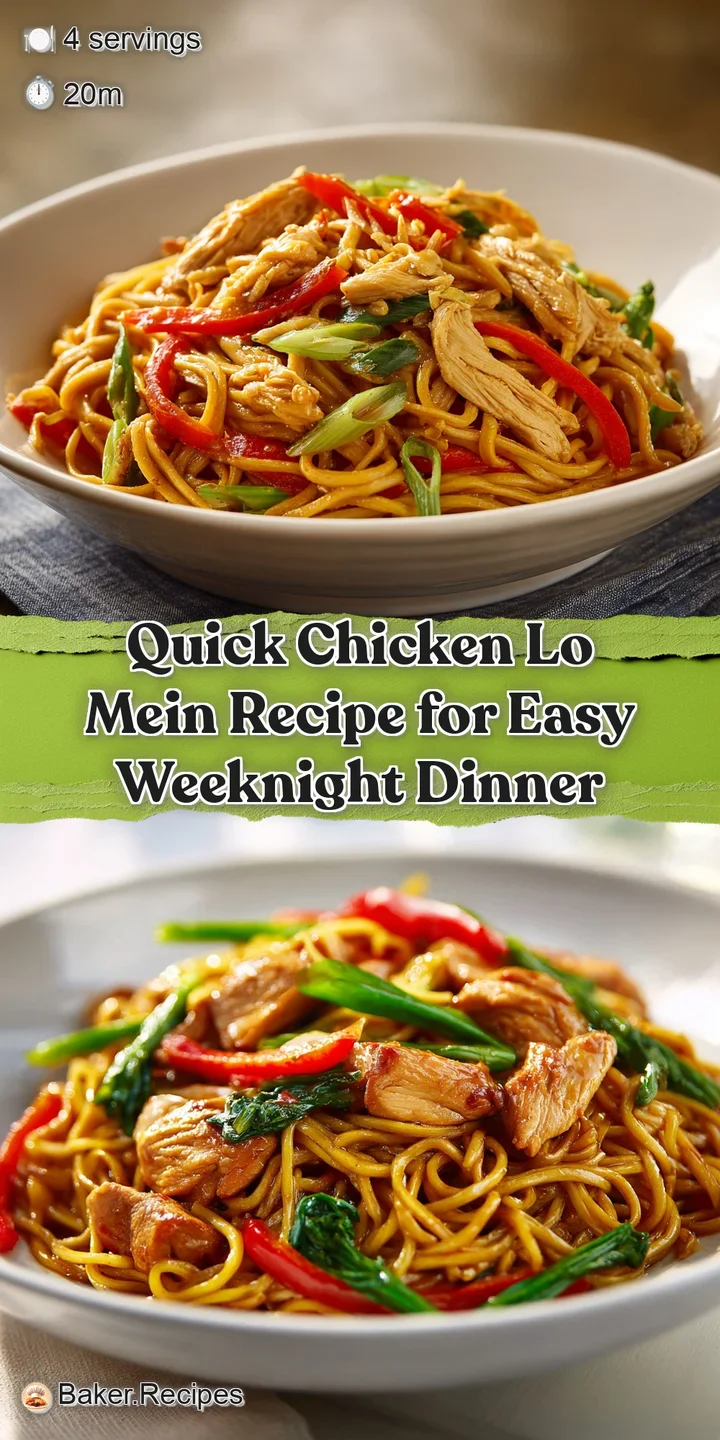
- Flavor/Texture Hook: Silky noodles with tender, velveted chicken and crisp tender vegetables.
- Perfect for: High speed weeknight dinners or satisfying late night cravings.
- Crafting the Ultimate Chicken Lo Mein Recipe at Home
- Mastering the Science of Tender Stir Fry Results
- Essential Components for the Perfect Stir Fry Success
- Gathering Your Essential Stir Fry Components
- Professional Equipment for the Best Results
- Step-By-Step Execution for Restaurant Quality Results
- Solving Common Stir Fry Hurdles and Errors
- Adjusting Portions for Larger Crowds or Couples
- Debunking Traditional Stir Fry Misconceptions
- Maintaining Freshness and Reducing Kitchen Waste
- Plating Techniques for Professional Visual Appeal
- Very High in Sodium
- Recipe FAQs
- 📝 Recipe Card
Crafting the Ultimate Chicken Lo Mein Recipe at Home
The first time I tried making a chicken lo mein recipe, it was a literal disaster. I remember the smell of scorched soy sauce filling my apartment while I stared at a heap of grey, rubbery chicken and noodles that had fused into a single, gummy ball.
I had followed a random video, but I skipped the prep and tried to "eye" the heat. Big mistake. My kitchen smelled like a burnt campfire for three days, and we ended up eating cereal for dinner.
That failure sent me on a mission to figure out how professional kitchens get that "wok hei" - that breath of the wok - without a commercial burner. I learned that it isn't about having a thousand degree flame; it's about the chemistry of the ingredients and the order of operations.
Once you understand how to treat the chicken and when to "shock" your noodles, you'll never look at a takeout menu the same way again.
This dish is all about the contrast between the slippery, savory noodles and the snap of julienned carrots. We aren't just tossing things in a pan and hoping for the best. We are building layers of flavor, starting with a quick marinade that transforms basic chicken breast into something velvety and soft.
It's a fast process once the heat is on, so we'll walk through exactly how to set up your station for success.
Mastering the Science of Tender Stir Fry Results
Alkaline Tenderization: Adding a tiny bit of baking soda to the chicken marinade breaks down the protein fibers, ensuring the meat stays supple even under high heat. This prevents the "rubbery" texture common in home stir fries.
Starch Gelatinization: The cornstarch in the marinade creates a thin protective film around the chicken, which traps juices inside while allowing the outside to brown without drying out.
Maillard Reaction: Using dark soy sauce isn't just for color; the concentrated sugars caramelize quickly against the hot pan, creating that deep, smoky umami profile.
Starch Retrogradation: Briefly boiling fresh noodles then immediately rinsing them in cold water stops the cooking process and prevents them from releasing excess starch in the pan, which is the main cause of clumping.
Emulsification Stability: Whisking the oyster sauce and sugar into the soy liquids before cooking ensures the sauce coats every strand of noodle evenly rather than pooling at the bottom.
| Cooking Method | Total Time | Texture Outcome | Best For |
|---|---|---|---|
| Traditional Wok | 5 minutes | Maximum char and smoky aroma | Authentic flavor seekers |
| Large Cast Iron | 8 minutes | Excellent browning and heat retention | Heavy duty home searing |
| Stainless Skillet | 7 minutes | Even cooking but less "char" | Everyday convenience |
The choice of vessel matters because surface area is your best friend here. If you crowd a small pan, your vegetables will steam instead of sear, losing that vital crunch. For a similar over high heat technique that works wonders on different textures, you might enjoy my Minced Chicken Fritters recipe which also relies on quick browning for the best flavor.
Essential Components for the Perfect Stir Fry Success
Understanding why we use specific liquids is the difference between a bland bowl of noodles and a flavor bomb. The dark soy sauce is the secret to that mahogany color, while the white pepper adds a floral heat that black pepper just can't match.
| Component | Science Role | Pro Secret |
|---|---|---|
| Baking Soda | pH Alteration | Softens muscle fibers so they can't toughen up during the sear. |
| Dark Soy Sauce | Caramelization | Provides the deep color and a molasses like sweetness that light soy lacks. |
| Toasted Sesame Oil | Aromatic Finishing | Adds a nutty scent that lingers; always add it to the marinade or at the very end. |
| Cornstarch | Moisture Barrier | Forms a "velvet" coating that holds the sauce to the protein. |
Gathering Your Essential Stir Fry Components
I've tested this with various brands, and while you can use what you have, the specific soy sauces really do make the dish. If you can find fresh noodles in the refrigerated section of your grocery store, grab them - the texture is night and day compared to dried.
- 1 lb chicken breast: Sliced thinly against the grain for maximum tenderness.
- 1 tbsp soy sauce: For the base savory note in the marinade.
- 1 tsp cornstarch: Why this? Essential for "velveting" the chicken to keep it moist.
- 1/4 tsp baking soda: Why this? The secret to restaurant style tender chicken breast.
- 1 tsp toasted sesame oil: Provides that classic nutty aroma.
- 2 tbsp oyster sauce: This is your primary thickener and umami source.
- 1 tbsp light soy sauce: Adds saltiness without overpowering the color.
- 1 tbsp dark soy sauce: Why this? Purely for that rich, dark brown professional look.
- 1 tsp sugar: Balances the salt and helps with browning.
- 1/2 tsp white pepper: Adds a subtle, earthy heat.
- 12 oz fresh lo mein noodles: The star of the show; look for egg based noodles.
- 2 cups green cabbage: Shredded thin so it wilts but stays crisp.
- 1 large carrot: Julienne these into matchsticks for even cooking.
- 3 stalks green onions: Cut into 2 inch segments for a hit of fresh onion flavor.
- 3 cloves garlic: Minced fine to infuse the oil.
- 2 tbsp neutral oil: Use something with a high smoke point like canola or grapeseed.
| Original Ingredient | Substitute | Why It Works |
|---|---|---|
| Oyster Sauce | Hoisin Sauce | Similar thickness. Note: Will be sweeter and less salty than the original. |
| Fresh Lo Mein | Spaghetti | Similar shape. Note: Add a pinch of baking soda to the boiling water for an alkaline bite. |
| Dark Soy Sauce | Extra Light Soy + Molasses | Mimics the color and sugar content. Note: Use only 1/4 tsp of molasses to avoid over sweetening. |
Professional Equipment for the Best Results
You don't need a professional kitchen, but a few specific tools make this "chicken lo mein recipe" much easier to execute. A wide carbon steel wok is the gold standard because it responds to heat changes instantly. If you don't have one, use your largest flat bottomed skillet.
You want as much surface area as possible so the ingredients can actually touch the hot metal rather than piling on top of each other.
A good pair of long kitchen tongs is also a must. You'll be tossing noodles vigorously, and a spatula often just breaks them apart. I also recommend having several small bowls ready for your "mise en place." Since the cooking happens in under ten minutes, you won't have time to chop a carrot while the garlic is already browning. If you're looking for more comforting chicken dishes that require a bit more simmer time, my Chicken Stew Recipe is a fantastic weekend project.
step-by-step Execution for Restaurant Quality Results
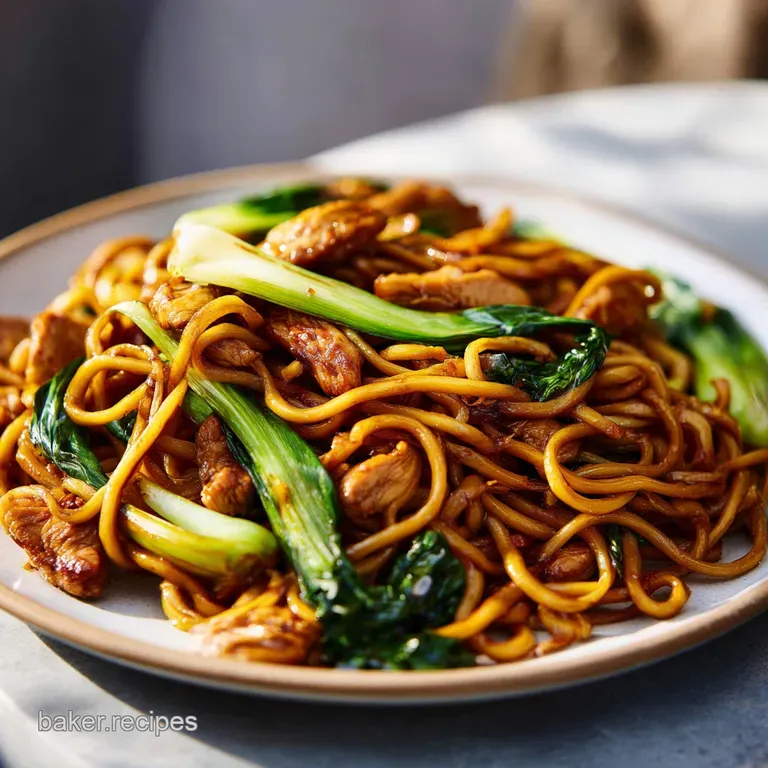
1. The Power Prep
Toss the sliced chicken with 1 tbsp soy sauce, 1 tsp cornstarch, 1/4 tsp baking soda, and 1 tsp sesame oil. Note: This velveting process needs at least 10 minutes to work its magic on the proteins.
2. The Noodle Shock
Boil the 12 oz of fresh noodles according to package directions, but pull them out 1 minute early. Drain and immediately rinse under cold running water until the noodles feel cool to the touch. This prevents them from becoming a sticky mass.
3. The Sauce Fusion
In a small bowl, whisk together the 2 tbsp oyster sauce, 1 tbsp light soy, 1 tbsp dark soy, 1 tsp sugar, and 1/2 tsp white pepper. Note: Mixing this now prevents the sugar from burning in the hot pan later.
4. The over High heat Sear
Heat 1 tbsp of neutral oil in your wok over high heat until a wispy thin line of smoke appears. Add the chicken in a single layer and let it sear for 2 minutes without moving it to get a deep brown crust.
5. Finishing the Poultry
Flip the chicken and cook for another 1-2 minutes until the centers are no longer pink. Remove the chicken from the pan and set it aside to prevent it from overcooking while we handle the vegetables.
6. The Vegetable Infusion
Add the remaining 1 tbsp of oil to the same pan. Toss in the 2 cups cabbage and 1 julienned carrot. Stir fry for 2 minutes until the cabbage begins to wilt at the edges but the carrot stays firm.
7. Aromatics Release
Push the vegetables to the sides of the wok and drop the 3 minced garlic cloves into the center. Cook for 30 seconds until the fragrance hits your nose, but don't let it turn dark brown or bitter.
8. The Final Assembly
Add the cold noodles, the cooked chicken, and the sauce mixture into the wok. Use your tongs to toss everything vigorously over high heat for 2 minutes until every strand of noodle is coated in a glossy brown glaze.
9. The Green Finish
Throw in the 3 stalks of green onion segments. Give it one last 30 second toss until the onions turn bright green.
10. The Rest and Serve
Remove from heat immediately. Let it sit for 1 minute in the pan so the noodles can soak up any remaining liquid.
Solving Common Stir Fry Hurdles and Errors
Why Your Noodles Are Soggy
This usually happens because the noodles were overboiled or not rinsed properly. If you put hot, wet noodles into a stir fry, the residual heat continues to cook them, and the surface starch turns into glue. Always undercook them by a minute and rinse with cold water until they are completely chilled.
Why Your Stir Fry Lacks Flavor
If the dish tastes "flat," it's often a lack of sugar or white pepper. The sugar isn't there to make it a dessert; it's there to provide a bridge between the salt of the soy and the funk of the oyster sauce.
Also, ensure your pan is truly hot before adding the ingredients - that high heat creates new flavor compounds that a lukewarm pan simply can't.
| Problem | Root Cause | Solution |
|---|---|---|
| Chicken is dry/tough | Sliced with the grain or no velveting | Slice against the grain and use baking soda in the marinade. |
| Sauce is too thin | Too much vegetable moisture | Cook vegetables on higher heat to evaporate water faster. |
| Clumpy noodles | Rinsing with warm water | Use ice cold water and a teaspoon of oil to keep strands separate. |
Common Mistakes Checklist
- ✓ Pat the chicken dry before adding the marinade to ensure the cornstarch sticks.
- ✓ Never crowd the pan - if you're doubling the recipe, cook in two separate batches.
- ✓ Use a neutral oil with a high smoke point; olive oil will smoke and taste bitter.
- ✓ Prep everything before the heat goes on; you won't have time to chop once you start.
- ✓ Don't skip the dark soy sauce if you want that iconic restaurant color.
Adjusting Portions for Larger Crowds or Couples
Scaling a stir fry is trickier than a soup because it depends entirely on the size of your pan. If you want to double this "chicken lo mein recipe," do not just throw twice the amount of ingredients into one wok. The temperature will drop too low, and you'll end up with a watery stew.
Instead, cook the chicken and vegetables in two batches, then combine them at the very end with the noodles.
For a half batch, the process is much simpler. You can use a standard 10 inch skillet. Since you'll have more space in the pan, the vegetables will cook slightly faster, so keep a close eye on the cabbage. If you find yourself with extra chicken, you can use the same velveting technique for a RestaurantQuality Chicken in recipe the following night.
If you are cooking for a large group, you can prepare the noodles and the sauce ahead of time. Keep the chilled noodles in a sealed bag with a tiny drop of oil to keep them from sticking. When the guests arrive, the actual cooking only takes a few minutes, making you look like a total pro.
Debunking Traditional Stir Fry Misconceptions
One major myth is that you must have a wok to make a good lo mein. While a wok is helpful for its shape, a large, heavy bottomed cast iron skillet actually holds heat better than cheap, thin woks. The goal is heat retention, and cast iron excels at that.
As long as you don't overcrowd the pan, your skillet will produce a fantastic result.
Another common misconception is that "velveting" is only for fancy restaurants. In reality, it's a simple five minute step that uses pantry staples like cornstarch and baking soda.
It is the single most important technique for preventing chicken breast from turning into "cardboard" when exposed to high stir fry temperatures.
Finally, many people think you need to use a ton of oil for that glossy look. That shine actually comes from the emulsification of the oyster sauce and the starch on the noodles. Adding too much oil will just make the dish greasy and heavy. Stick to the measured amounts, and let the sauce do the work.
Maintaining Freshness and Reducing Kitchen Waste
Storage: This lo mein keeps beautifully in the fridge for up to 3 days. Store it in an airtight glass container. To reheat, avoid the microwave if possible, as it can make the noodles rubbery. Instead, toss them back into a hot pan with a splash of water or chicken broth to loosen the sauce.
Freezing: I don't recommend freezing the finished dish. The cabbage and noodles lose their structural integrity when thawed, resulting in a mushy texture. However, you can freeze the velveted, raw chicken in its marinade for up to 2 months.
Zero Waste: Don't throw away those broccoli stalks or the core of the cabbage. Peel the tough outer layer of the broccoli stem and julienne the inside just like the carrots - it's sweet, crunchy, and fits perfectly in this dish.
Leftover green onion ends can be placed in a jar of water on your windowsill to regrow for your next batch.
Plating Techniques for Professional Visual Appeal
When it comes to serving, height is your friend. Use your tongs to twirl the noodles into a high mound in the center of the bowl. Make sure to "excavate" some of the chicken and colorful carrots from the bottom and place them right on top.
A final sprinkle of fresh green onion tops or a dusting of toasted sesame seeds adds a layer of texture and makes it look like it just came out of a professional kitchen.
If you like a bit of heat, don't just stir in chili flakes at the end. Serve a small dish of crispy garlic chili oil on the side. This allows everyone to control their own spice level while keeping the base flavor of the lo mein clean and savory.
If you're feeling ambitious, a few slices of fresh cucumber on the side provide a cooling crunch that balances the rich, salty sauce perfectly. Remember, we eat with our eyes first, so take that extra thirty seconds to arrange the components!
Very High in Sodium
1440 mg mg of sodium per serving (63% of daily value)
The American Heart Association recommends limiting sodium intake to about 2,300mg per day for overall cardiovascular health.
Tips to Reduce Sodium in Your Lo Mein:
-
Low-Sodium Soy Sauce-25%
Replace regular soy sauce (1 tbsp) and light soy sauce (1 tbsp) with low-sodium soy sauce. This simple swap significantly reduces the sodium content without sacrificing flavor.
-
Oyster Sauce Alternative-20%
Oyster sauce (2 tbsp) is a major sodium contributor. Use a low-sodium mushroom sauce or a homemade oyster sauce substitute made with low-sodium ingredients.
-
Reduce Dark Soy Sauce-15%
Dark soy sauce (1 tbsp) adds color and flavor but also sodium. Reduce the amount to 1/2 tbsp or eliminate it entirely, using a touch of molasses for color if desired.
-
Skip Baking Soda-10%
Baking soda contributes to the overall sodium content. Since it is not essential for the recipe's structure, consider omitting it entirely without significantly impacting the dish.
-
Fresh Herbs & Spices
Enhance flavor with fresh herbs (ginger, garlic chives) and spices (ground ginger, red pepper flakes) instead of relying on sodium for taste.
Recipe FAQs
Should I use dried lo mein noodles instead of fresh?
No, fresh noodles are superior for texture. Fresh noodles cook faster and absorb the sauce better; dried noodles risk becoming mushy or sticking together if not shocked properly with cold water.
How to prevent the chicken from becoming tough and rubbery in the wok?
Velvet the chicken using baking soda and cornstarch. The baking soda slightly raises the pH, tenderizing the muscle fibers, while the cornstarch protects it from the high heat, locking in moisture.
Is it true I must use a commercial high heat wok for authentic flavor?
No, this is a common misconception. A heavy bottomed cast iron skillet or large stainless steel pan retains heat very effectively, achieving excellent searing, provided you cook in small batches to maintain temperature.
How to make the sauce thick enough to coat every strand of noodle?
Mix the sauce completely before adding it to the hot pan. Ensure your oyster sauce and soy liquids are fully emulsified; the oyster sauce acts as the primary thickener, and the cornstarch on the chicken helps bind the final glaze.
Can I substitute oyster sauce with something else if I don't have any?
Yes, you can substitute with hoisin sauce, but adjust the sugar. Hoisin provides similar thickness but is generally sweeter, so reduce the added sugar in the recipe slightly.
How far in advance can I prep the vegetables and sauce?
Prep the sauce and chop all vegetables up to 24 hours ahead. Keep the components separate; the true key to fast stir frying is having everything ready, similar to how we manage ingredients in the Scrappy Stock My recipe.
What is the trick to getting that deep, mahogany restaurant color?
Use dark soy sauce specifically for coloring. Regular soy sauce provides salt, but dark soy sauce contains caramelized sugars that create the deep brown hue when hitting the hot pan, offering a slightly molasses note.
Easy Chicken Lo Mein Recipe
Ingredients:
Instructions:
Nutrition Facts:
| Calories | 542 kcal |
|---|---|
| Protein | 44.2g |
| Fat | 14.8g |
| Carbs | 56.5g |
| Fiber | 3.8g |
| Sugar | 5.2g |
| Sodium | 1440mg |
