Jade Garden Restaurantstyle Clear Chinese Vegetable Soup
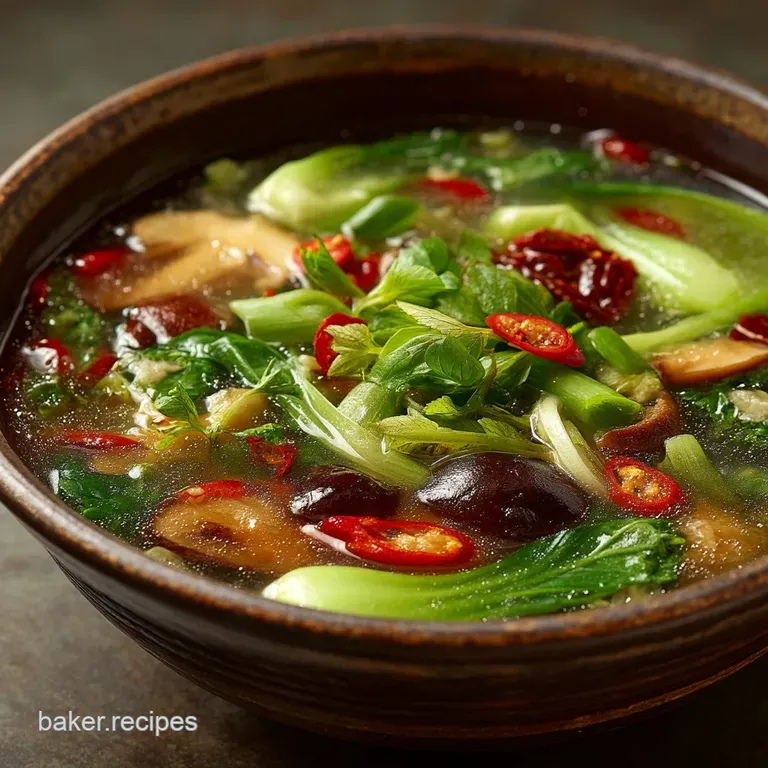
- Mastering the Art of Clear Broth: Why This Chinese Vegetable Soup Shines
- The Philosophy of Light and Restorative Asian Soups
- Building the Flavor Foundation: Essential Aromatics and Stock
- Preparing Your Mise En Place: Tools and Techniques
- From Sauté to Simmer: The Four Crucial Cooking Phases
- Achieving Flavor Depth: Step-by-Step for Perfect Chinese Vegetable Soup
- Expanding Your Bowl: Creative Variations and Serving Suggestions
- Troubleshooting, Storage, and Nutritional Deep Dive
- Recipe FAQs
- 📝 Recipe Card
Mastering the Art of Clear Broth: Why This Chinese Vegetable Soup Shines
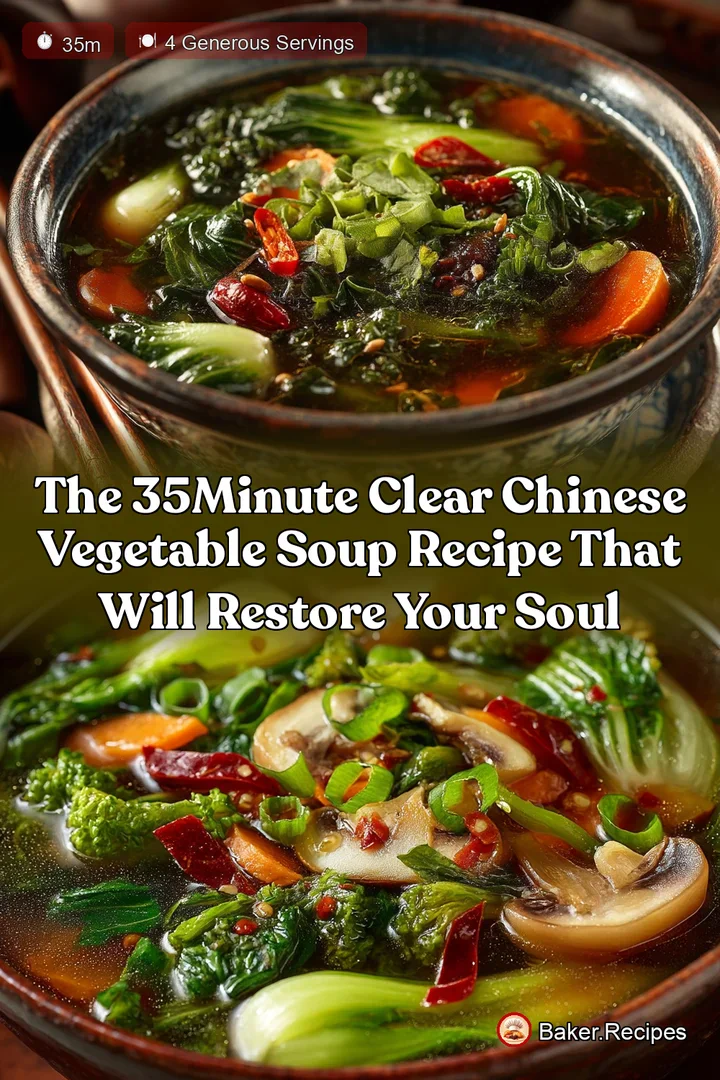
The world of Chinese cuisine offers immense depth, but few dishes are as universally comforting and quick as a beautifully prepared clear soup. Our specific iteration, inspired by the restorative bowls served in traditional dim sum houses, is called the "Jade Garden" clear Chinese Vegetable Soup .
This isn't a heavy, opaque stock, but rather a vibrant, subtly flavored liquid that allows the freshness of the vegetables to take center stage. The elegance lies in its simplicity, making this chinese vegetable soup recipe accessible even to novice cooks.
The entire process, from chopping board to serving bowl, takes less than 40 minutes, solidifying its place as the ultimate healthy and restorative weeknight meal.
The commitment here is to a truly clean taste, ensuring every spoonful highlights the light, aromatic quality of the broth itself, a characteristic feature of fine Asian dining.
The Philosophy of Light and Restorative Asian Soups
Unlike Western soups that often rely on heavy creams or long simmered bone reductions, traditional Asian soups are built on balance and clarity. The goal is to nourish the body without weighing it down. This specific soup exemplifies that philosophy, prioritizing hydration, fresh texture, and aromatic warmth.
The Secret to the Umami Base (No MSG Required)
Achieving depth in a clear chinese vegetable soup relies heavily on the quality of your foundational ingredients. The rich, savory undertone umami in this dish is naturally derived from a careful marriage of high-quality, low-sodium vegetable stock and potent aromatics: specifically, fresh ginger and garlic.
When paired with the essential savoriness provided by light soy sauce (or Tamari for a gluten-free option) and the specific warmth of ground white pepper, the resulting chinese vegetable soup broth possesses a complexity that eliminates any need for artificial enhancers.
The depth is organic, clean, and perfectly balanced.
Authenticity vs. Convenience: Adapting Restaurant Flavor for Home
Many home cooks are intimidated by the idea of replicating restaurant quality Asian flavors, but the beauty of this dish lies in its adaptability. While traditional techniques may require hours, this chinese vegetable soup recipe easy utilizes modern shortcuts primarily high-quality prepared stock without sacrificing the characteristic vibrant flavor profile.
The key is in precision seasoning: using rice vinegar to provide a necessary acidic lift, and adjusting the sea salt to complement the low-sodium stock, ensuring the final product tastes bright, fresh, and authentically inspired by the restaurant experience.
Ready in Minutes: The Ultimate Weeknight Meal Solution
With a total preparation time clocking in at just 35 minutes, this recipe is strategically designed for efficiency. The active preparation phase takes only 15 minutes, dedicated mainly to prepping the vegetables (slicing carrots, dicing tofu, and chopping the greens).
The remaining 20 minutes are dedicated entirely to the cook time, which involves a quick sauté followed by a brief, controlled simmer. This speed ensures that the vegetables retain their maximum nutritional value and crisp texture, making it far superior to pre-made alternatives while being just as fast.
Building the Flavor Foundation: Essential Aromatics and Stock
The success of any great soup begins before the liquid is added. For our foundation, we start with 1 tablespoon of a high smoke point vegetable oil heated over medium heat. The aromatic trinity 1 tablespoon of finely minced fresh ginger, 2 cloves of finely minced garlic, and the white parts of 2 large scallions are gently introduced.
This crucial sautéing step "blooms" the aromatics, releasing their oils and creating a fragrant base layer that will define the soup’s character. Once the kitchen is filled with the scent of ginger and garlic, we introduce the liquid: 6 cups of low-sodium vegetable stock complemented by 1 cup of water.
To round out the profile, we add 2 tablespoons of light soy sauce and 1 teaspoon of rice vinegar, alongside the initial seasonings of white pepper and a quarter teaspoon of sea salt. These chinese vegetable soup ingredients form the crucial liquid framework.
Preparing Your Mise En Place: Tools and Techniques
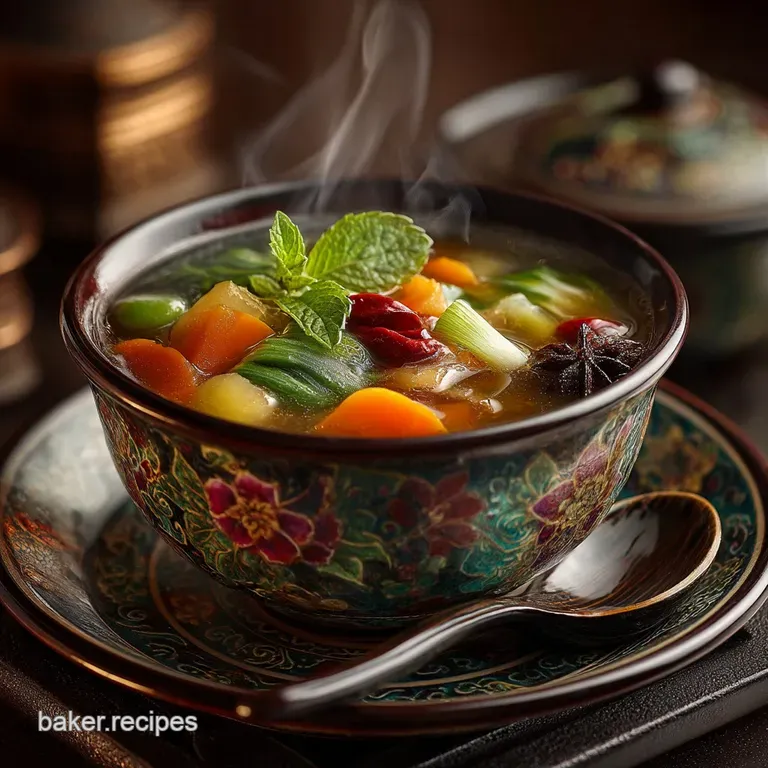
The French term mise en place , meaning "everything in its place," is absolutely critical when making Asian stir fries or quick soups. Because the cooking window is so short, having every component prepped, sliced, and measured before the heat goes on prevents scrambling and overcooking.
The Right Blend of Greenery: Selecting Crisp Vegetables for Texture
The variety of vegetables chosen for this soup ensures a dynamic textural experience. We use 1 medium carrot, julienned for quick softening, 1 cup of shredded Napa cabbage, and 2 heads of baby bok choy, sliced into 1 inch pieces.
We also include 8 ounces of pressed, firm chinese vegetable soup with tofu , cut into neat cubes, which serves as a sponge to soak up the wonderful broth. The inclusion of fresh mushrooms (about 1 cup) adds an earthy, meaty element.
The key is contrasting textures we want the carrots slightly tender and the leafy greens crisp tender.
Sourcing the Clearest Stock for a 'Jade Garden' Finish
As the chinese vegetable soup broth is the star, its quality matters most. Opt for a high-quality, clear vegetable stock and, crucially, ensure it is low-sodium. Using regular stock alongside soy sauce almost guarantees an overly salty final product.
The 6 cups of stock diluted slightly with 1 cup of water keeps the broth light, clean, and ensures we can control the seasoning precisely during the final stages.
The Quick Chop Strategy for Even Cooking
To ensure uniform cooking within the short 20-minute window, vegetables must be sized appropriately. Harder vegetables, like the carrots, should be thinly sliced (julienned) to cook quickly. The tofu, which only needs to heat through and absorb flavor, is cut into ½-inch cubes.
The leafy greens are added whole or in large strips to prevent them from becoming mushy.
Kitchen Gear Check: What You Need Before You Start Simmering
This recipe requires only standard kitchen tools, primarily a large, heavy bottomed pot or Dutch oven with at least a 3-liter capacity to comfortably accommodate the liquid. A sharp chef’s knife and cutting board are essential for the 15 minutes of preparation.
Finally, you will need a small whisk or fork to perfectly blend the cornstarch slurry, which is the necessary thickening agent.
Related Recipes Worth Trying
- The Ultimate Hearty Turkey and Barley Soup Recipe — Transform those Sunday leftovers into this rich Turkey and Barley Soup Its the comforting hearty stew that tastes like home Get the foolproof recipe here
- Easy Spicy Thai Coconut Soup Recipe Tom Kha Gai — Get the perfect balance of creamy spicy and sour with this foolproof Spicy Thai Coconut Soup recipe Ready in under 45 minutes for true comfort
- Easy Creamy Chicken Enchilada Soup Recipe 55 Mins — Warm the cockles with this hearty Chicken Enchilada Soup recipe featuring a creamy rich broth An easy weeknight comfort food soup that tastes like it...
From Sauté to Simmer: The Four Crucial Cooking Phases
Creating this sophisticated yet simple soup moves through four distinct, quick phases, each building on the flavor profile of the last. First, the Aromatic Bloom , where we gently cook the ginger and garlic.
Second, the Broth Infusion , where the stock, water, and seasonings are brought to a gentle boil and then reduced. Third, the Staggered Vegetable Cook , ensuring that dense ingredients are cooked before delicate greens.
Finally, the Thickening and Finishing phase, where a cornstarch slurry provides a slight body and the toasted sesame oil introduces its signature nuttiness.
Achieving Flavor Depth: step-by-step for Perfect Chinese Vegetable Soup
Following the correct sequence is paramount to preserving the soup's fresh flavor and ensuring the vegetables are never overcooked.
Blooming the Aromatics (Garlic and Ginger) Without Burning
Once the oil is hot, add the minced ginger, garlic, and the white parts of the scallions. Stir continuously for just 1 to 2 minutes. The heat should be medium our goal is to release the oils and perfume the pot, not to caramelize or brown the garlic, which would lead to an unpleasant bitter flavor in the delicate broth.
Bringing the Broth to a Gentle Rolling Simmer
After the aromatics are fragrant, pour in the 6 cups of vegetable stock and the additional cup of water. Stir in the soy sauce, rice vinegar, salt, and white pepper. Increase the heat briefly to bring the liquid to a rapid, rolling boil. Immediately reduce the heat to maintain a steady, gentle simmer.
This gentle heat is critical for coaxing flavor out of the broth without aggressive reduction.
Timing is Key: When to Add Delicate Greens (e.g., bok choy)
The cooking of the chinese vegetable soup ingredients must be staggered. First, add the harder items: the julienned carrots and the firm tofu cubes. Let them simmer for 5 full minutes. This allows the carrots to soften slightly and the tofu to fully absorb the surrounding flavor.
Next, add the softer greens the Napa cabbage, bok choy, and fresh mushrooms. Stir gently and allow them to simmer for only 2 to 3 minutes. The greens should be slightly wilted but maintain their bright color and a slight, desirable crispness.
The Final Seasoning Adjustment Before Serving
Before turning the soup into its final, slightly glossy consistency, quickly whisk 2 tablespoons of cornstarch with 4 tablespoons of cold water until smooth. Always pour a small amount (about half a cup) of the hot broth into the slurry first this "tempers" the starch and prevents lumps when adding it back to the main pot.
Pour the tempered slurry slowly into the simmering soup while continuously stirring. Cook for 1 to 2 minutes until the broth coats the back of a spoon. Remove from heat, stir in 1 teaspoon of toasted sesame oil, and conduct a final taste test, adjusting salt or white pepper as needed.
Expanding Your Bowl: Creative Variations and Serving Suggestions
While this basic chinese vegetable soup recipe is superb on its own, its clean flavor makes it an excellent canvas for customization. For those who enjoy heat, a Hot & Sour variation can be created by increasing the rice vinegar and adding a spoonful of Chinese black vinegar and chili garlic paste.
For a heartier meal, you can easily turn this starter into a main course by adding 4 ounces of rice vermicelli or dried egg noodles during the final 5 minutes of simmering.
Alternatively, serve the soup alongside classic Chinese accompaniments like crispy vegetable spring rolls or perfectly pan-fried potstickers, with a light jasmine rice on the side to soak up the flavorful, clear broth.
Troubleshooting, Storage, and Nutritional Deep Dive
Understanding the logistics of this soup ensures flawless execution and healthy leftovers.
How to Customize Your Bowl with Proteins or Noodles
While the base recipe is naturally vegan thanks to the inclusion of chinese vegetable soup with tofu , you can easily add meat. Finely sliced chicken breast or peeled shrimp can be quickly added during the final 5 minutes of the simmer alongside the carrots and firm tofu.
If you prefer a traditional egg-drop finish, substitute the tofu for 2 beaten eggs, which should be drizzled slowly into the finished, simmering broth while stirring continuously until thin ribbons form.
The Shelf Life of Clear Vegetable Soup: Proper Refrigeration Methods
This soup stores exceptionally well. Once cooled, transfer it to an airtight container and refrigerate for up to 3 to 4 days. Note that the cornstarch thickener may slightly break down or cause the broth to appear cloudy upon refrigeration, but the flavor remains excellent.
If possible, store the tofu separately to prevent it from becoming overly soggy.
Boosting the Bowl: Health Benefits of Chinese Ginger Garlic Broth
Beyond its comforting flavor, this soup is a powerhouse of healthy ingredients. Given its reliance on fresh vegetables and lean protein (tofu), the estimated chinese vegetable soup calories are remarkably low, averaging around 120 kcal per generous serving.
It provides excellent dietary fiber (around 4g) and is naturally hydrating. The ginger and garlic contribute anti inflammatory benefits, making this dish not just delicious, but genuinely restorative.
By using low-sodium stock and carefully measured soy sauce, we ensure the sodium intake remains modest (around 450 mg per serving).
Preventing Mushy Vegetables: Tips for Reheating Leftovers
The primary challenge with reheating any vegetable soup is preventing the delicate greens (like bok choy and Napa cabbage) from turning mushy. Always reheat leftovers gently on the stovetop over low to medium heat, rather than blasting them in the microwave or bringing them to a rolling boil.
If you know you will have leftovers, a pro tip is to slightly under cook the bok choy during the initial cooking process, ensuring they finish cooking perfectly when reheated the next day.
Recipe FAQs
I'm batch cooking can I make this Chinese Vegetable Soup ahead of time?
Yes, you can, but treat the greens like a delicate flower! Cooked greens like bok choy and cabbage get mushy quickly when stored in the broth. The best tip is to cook the soup up to Step 4 (before adding soft greens), cool it down, and store the base broth for up to 3 days in the fridge.
When reheating, quickly bring the base broth back to a simmer and add fresh bok choy, cabbage, and mushrooms. This ensures you get that proper 'al dente' vegetable texture rather than sad, soggy greens.
My broth tastes a bit flat. How do I get that authentic, deep flavour like a proper takeaway?
The key is often down to the details, bless its cotton socks! Firstly, ensure you've used white pepper instead of black; it gives the necessary subtle, earthy warmth that defines the dish.
Also, don't skimp on sautéing the fresh ginger and garlic until properly fragrant that’s where the aromatic magic starts.
Crucially, as this is a clear soup, the quality of your stock is the whole ball game. A high-quality, flavourful low-sodium vegetable stock will elevate the taste much more than plain water or cheap stock cubes.
Do I really need to use both bok choy and Napa cabbage, or can I swap the greens?
Absolutely, feel free to swap them around! This recipe is quite flexible; the goal is variety in texture and colour, and the core Chinese Vegetable Soup flavour relies more on the aromatics. If you’re fresh out of bok choy, spinach or even thinly sliced courgette (zucchini) would step in nicely.
Just remember that tender leaves like spinach or shredded cabbage only need a minute or so at the end of the simmer so they remain brightly coloured and slightly crunchy we don't want them turning to sludge!
Help! My cornstarch slurry made lumps. What’s the secret to getting a smooth, glossy broth?
Ah, the dreaded lumps! It's usually a simple technique slip-up. The secret is twofold: always mix the cornflour with cold water first never hot to create a perfectly smooth paste.
Then, temper the slurry by mixing in a little ladle of the hot broth before adding the mixture back slowly to the gently simmering pot while stirring continuously. Never pour it into a roaring boil, as it will seize immediately; gentle simmering is your friend here.
I have dietary restrictions. Is this recipe naturally vegetarian or easily gluten-free?
Jolly good news, yes it is! The base recipe is entirely plant based, using vegetable stock and tofu, making it naturally vegan and vegetarian a real crowd pleaser.
To ensure it is completely gluten-free, simply swap the standard light soy sauce for Tamari. Tamari provides the same essential salty umami punch without the wheat, ensuring everyone can enjoy this light and restorative soup.
Easy Clear Chinese Vegetable Soup
Ingredients:
Instructions:
Nutrition Facts:
| Calories | 2577 kcal |
|---|---|
| Protein | 13.0 g |
| Fat | 90.1 g |
| Carbs | 65.4 g |
| Fiber | 8.4 g |
| Sodium | 11986 mg |
