Easy Hashbrown Breakfast Casserole: Savory Bake
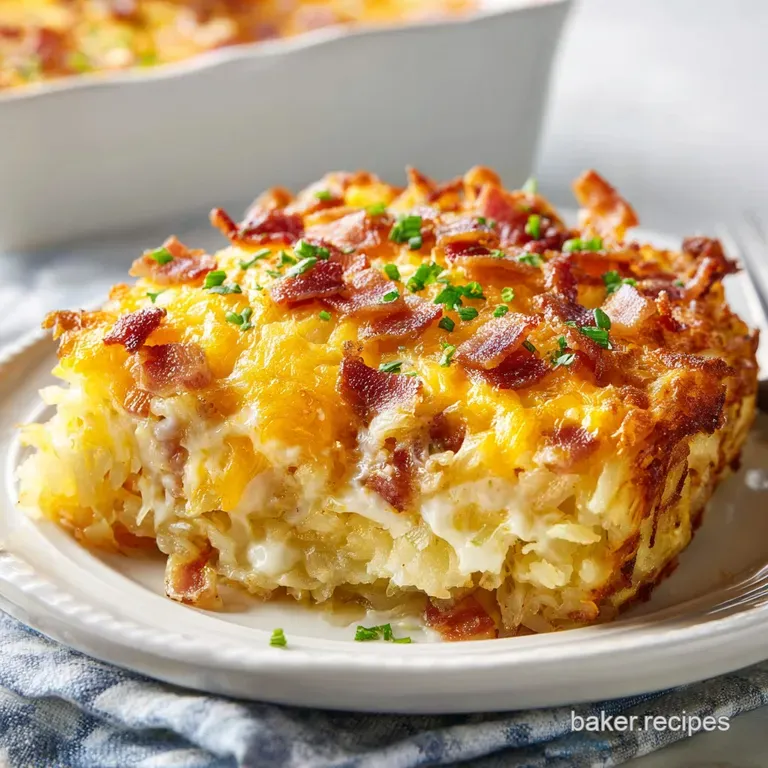
- Time: Active 15 minutes, Passive 45 minutes, Total 1 hour
- Flavor/Texture Hook: Crispy golden edges and velvety egg centers
- Perfect for: Holiday brunches, meal prep, or lazy weekend mornings
- Create the Best Easy Hashbrown Breakfast Casserole
- Achieve Texture and Flavor Balance Through Science
- Essential Time and Yield Efficiency Metrics
- Selecting Quality Elements for Savory Success
- The Right Tools for Even Heating
- Master the Layered Assembly and Baking
- Avoiding Sogginess and Ensuring Perfect Doneness
- Flavorful Modifications for Every Diet Style
- Achieve Perfect Outcomes with Choice Shortcuts
- Debunking Common Breakfast Casserole Beliefs
- Maintaining Quality During Storage and Reheating
- Creative Toppings and Ideal Side Pairings
- Recipe FAQs
- 📝 Recipe Card
Create the Best Easy Hashbrown Breakfast Casserole
The first time I tried making an easy hashbrown breakfast casserole, I ended up with a soggy, bland mess that looked more like mashed potato soup than a breakfast centerpiece. I had just tossed frozen potatoes straight into the pan with the eggs, thinking they would magically crisp up on their own.
The kitchen smelled like damp cardboard, and the texture was, frankly, a bit of a disaster. It was a humbling moment that sent me back to the drawing board to figure out how to get that legendary shatter crisp potato layer I was craving.
Since that morning, I've learned that the secret isn't just in the ingredients, but in the preparation of those frozen spuds. Now, whenever I pull this out of the oven, the sizzle of the bubbling cheddar and the smoky aroma of the paprika fill the house, bringing everyone running to the table.
I've streamlined the process so you can get maximum flavor with minimal effort, making sure those potatoes stay snappy and the eggs stay tender.
We are going to focus on building layers of flavor here. This isn't just a "throw it in a bowl" situation, it's about making sure every bite has the right balance of salt, heat, and creaminess.
Whether you're feeding a house full of guests or just want a solid breakfast to get you through the week, this recipe is your new best friend. Let's get into the details so you can nail it on your first try.
Achieve Texture and Flavor Balance Through Science
Starch Dehydration: Drying the hashbrowns removes excess surface moisture, allowing the melted butter to fry the potato edges instead of steaming them.
Protein Coagulation: Mixing whole milk with eight eggs creates a stable custard matrix that suspends the sausage and peppers without becoming rubbery.
Maillard Reaction: Sautéing the pork sausage and onions separately creates complex flavor compounds that would remain dormant if the meat were cooked only by the indirect heat of the custard.
Emulsification Stability: The fat in the sharp cheddar melts into the egg mixture, acting as a binder that prevents the liquid from weeping after the bake.
| Cooking Method | Active Time | Resulting Texture | Best For |
|---|---|---|---|
| Standard Oven | 15 minutes | Crispy top, firm base | Classic brunch texture |
| Slow Cooker | 10 minutes | Very soft, uniform | Set it and forget it mornings |
| Toaster Oven | 15 minutes | Extra crispy edges | Small batches or halves |
The choice of cooking method really depends on how much you value those crispy bits. While the slow cooker is convenient, it won't give you the golden, shattered crust that a hot oven provides.
If you use the oven method, the direct radiant heat works with the 1/2 cup of melted butter to essentially "oven fry" the bottom layer of potatoes, creating a structural base that doesn't fall apart when sliced.
Essential Time and Yield Efficiency Metrics
| Comparison Factor | Fresh Shredded Potatoes | Frozen Shredded Hashbrowns |
|---|---|---|
| Prep Time | 25 minutes (grating/soaking) | 0 minutes (just thaw/dry) |
| Texture | Starchy and dense | Light and airy |
| Moisture Content | High (requires heavy squeezing) | Consistent (easy to manage) |
Precision is everything when you want consistent results every time you walk into the kitchen. I always keep three specific checkpoints in mind while I'm working through this recipe. First, ensure your 30 oz of frozen hashbrowns are truly patted dry; any leftover ice crystals will dilute your custard.
Second, the internal temperature of the casserole should hit exactly 160°F (71°C) to ensure the eggs are set but not overcooked. Finally, let the dish rest for at least 10 minutes before you even think about cutting into it; this allows the proteins to firm up so you get those clean, professional looking squares.
Selecting Quality Elements for Savory Success
| Ingredient | Science Role | Pro Secret |
|---|---|---|
| Frozen Hashbrowns (30 oz) | Structural Base | Thaw them completely in the fridge overnight for the best texture. |
| Whole Milk (2 cups) | Fat to Protein Buffer | Use full fat milk to prevent the eggs from curdling at high heat. |
| Sharp Cheddar (2 cups) | Flavor & Binding | Grate it yourself from a block for a smoother, meltier finish. |
- 30 oz frozen shredded hashbrowns: These provide the essential bulk. Why this? They have less surface moisture than fresh potatoes, ensuring a crispier outcome.Substitute: Frozen tater tots for a chunkier, fun variation.
- 1/2 cup unsalted butter: Used to coat the potatoes. Why this? Butter provides better browning and flavor than vegetable oil in this specific bake.Substitute: Melted ghee for a nuttier, lactose friendly flavor.
- 1 lb ground pork sausage: The primary protein and salt source. Why this? The rendered fat seasons the entire base of the casserole.Substitute: Ground turkey sausage with an extra teaspoon of sage.
- 1 small yellow onion: Adds sweetness and depth. Why this? Onions release sugars that caramelize during the long bake.Substitute: Shallots for a more delicate, garlicky profile.
- 1 bell pepper: Provides color and a fresh crunch. Why this? The acidity balances the richness of the eggs and cheese.Substitute: Diced mild green chiles for a southwestern kick.
- 8 large eggs: The "glue" of the recipe. Why this? Eight eggs provide the perfect density for a 9x13 pan.Substitute: 2 cups of liquid egg whites for a leaner version.
- 2 cups whole milk: Creates the creamy custard. Why this? Fat prevents the eggs from becoming tough or rubbery.Substitute: Heavy cream mixed with water (50/50 ratio).
- 2 cups sharp cheddar cheese: Sharpness cuts through the fat. Why this? Aged cheddar has less moisture and won't make the dish oily.Substitute: Pepper Jack for added spice.
- 1/2 cup smoked paprika, garlic powder, cayenne, salt, pepper: The seasoning blend. Why this? Smoked paprika mimics a wood fired flavor even in a standard oven.Substitute: Chipotle powder instead of cayenne for more smoke.
The Right Tools for Even Heating
You don't need a professional kitchen to make this, but a few specific items make a world of difference. A standard 9x13 inch ceramic or glass baking dish is the best vessel because it distributes heat evenly and looks great on the table.
If you use a metal pan, just be aware that the bottom might brown a little faster, so keep an eye on it toward the end.
A heavy bottomed skillet, like a Lodge cast iron or a high-quality stainless steel pan, is non negotiable for browning the sausage and aromatics. You want a pan that can hold heat so the meat actually sears rather than just boiling in its own juices.
You'll also need a large mixing bowl and a sturdy whisk to fully incorporate the eggs and milk. If the eggs aren't perfectly blended, you'll end up with streaks of white in your finished casserole, which tastes fine but doesn't look as velvety as it should.
Master the Layered Assembly and Baking
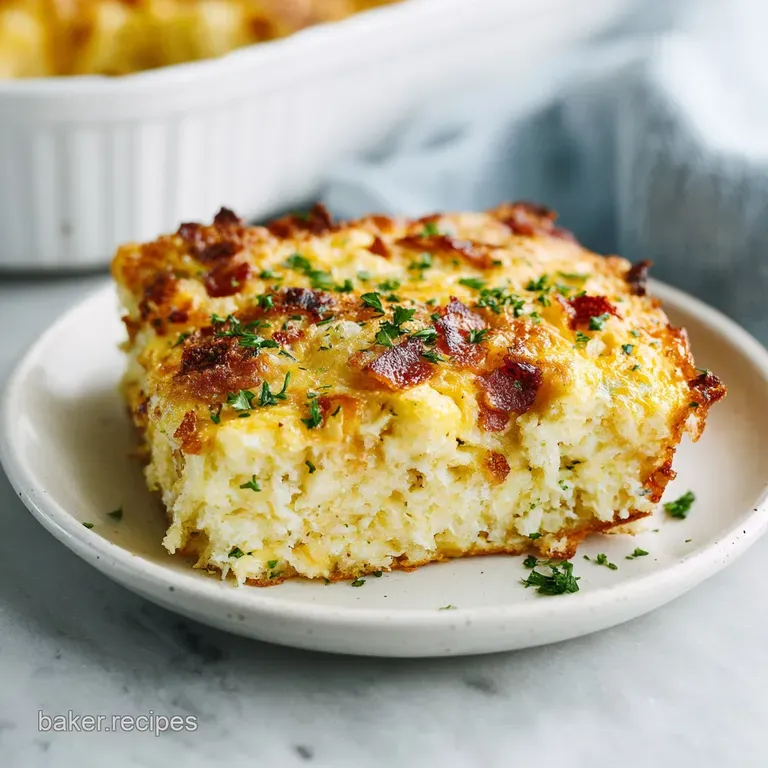
- Preheat the oven to 350°F (180°C) and grease your 9x13 inch baking dish generously with butter or non stick spray. Note: This prevents the egg custard from sticking to the corners.
- Dry the potatoes by spreading the 30 oz of thawed hashbrowns onto a clean kitchen towel and pressing firmly. until no moisture remains.
- Toss the base in a bowl with 1/2 cup melted butter, 1 tsp salt, and 1/2 tsp smoked paprika.
- Press the potatoes into the bottom of the prepared dish, forming an even layer. Note: Don't pack them too tightly or the heat won't circulate.
- Brown the sausage in a large skillet over medium high heat until no pink remains and edges are crispy.
- Sauté the aromatics by adding the diced onion and bell pepper to the sausage fat, cooking for 5 minutes until softened and fragrant.
- Whisk the custard in a separate bowl by combining 8 large eggs, 2 cups whole milk, 1/2 tsp garlic powder, 1/4 tsp cayenne, and 1/2 tsp black pepper until completely smooth and bubbly.
- Layer the ingredients by spreading the sausage and vegetable mixture over the potatoes, then sprinkling 1.5 cups of the cheddar cheese on top.
- Pour the eggs slowly over the entire dish, ensuring the liquid reaches every corner.
- Bake for 45 minutes in the center rack until the center is set and the top is golden brown. Top with the remaining 0.5 cups of cheese during the last 5 minutes of cooking.
Avoiding Sogginess and Ensuring Perfect Doneness
Why Your Casserole Is Weeping
If you find a pool of liquid at the bottom of your dish, it's usually due to "syneresis." This happens when eggs are overcooked and the protein network tightens so much that it squeezes out the moisture.
It can also happen if your vegetables (like the peppers and onions) weren't sautéed long enough to release their internal water before being added to the mix.
Why Your Potatoes Are Mushy
Mushy potatoes are almost always the result of skipping the drying step. Frozen hashbrowns are often coated in a thin layer of ice. When that ice melts in the oven, it creates steam. To fix this, you have to be aggressive with your paper towels or kitchen cloth.
You want the potatoes to feel almost dry to the touch before they meet the melted butter.
| Problem | Root Cause | Solution |
|---|---|---|
| Rubbery eggs | Oven temperature too high | Bake at 350°F and use a thermometer to hit 160°F. |
| Bland flavor | Lack of salt in the potato layer | Season the potatoes directly, not just the egg mixture. |
| Burnt edges | Pan placed too low in oven | Move to the middle rack and tent with foil if needed. |
Common Mistakes Checklist
- ✓ Pat potatoes completely dry (this is the single most important step for texture).
- ✓ Shred your own cheese from a block (pre shredded cheese is coated in starch that prevents a smooth melt).
- ✓ Sauté the veggies until they lose their "raw" crunch before layering.
- ✓ Don't skip the resting period; the casserole needs time to set its structure.
- ✓ Whisk the eggs thoroughly to avoid "white spots" in the final bake.
Flavorful Modifications for Every Diet Style
If you're looking for an easy hashbrown breakfast casserole no meat version, it's incredibly simple to adapt. You can swap the pound of sausage for a mix of sautéed mushrooms and spinach.
Just make sure to cook the mushrooms until they've released all their liquid and turned golden brown, otherwise, they'll make the casserole soggy. Adding a dash of soy sauce or Worcestershire to the mushrooms can provide that "umami" punch that you'd normally get from the pork.
For those busy mornings, you can also pivot this into an easy hashbrown breakfast casserole overnight prep. Assemble everything through step 9, cover it tightly with plastic wrap, and slide it into the fridge. In the morning, let it sit on the counter for 20 minutes to take the chill off before popping it into the oven. You might need to add 5-10 minutes to the bake time. If you're using leftovers from another meal, like the sausage from The Homemade Breakfast recipe, just crumble them right in for a massive head start.
When scaling this recipe up for a huge crowd (say, 20 people), I recommend using two separate 9x13 pans rather than trying to find one giant one. This ensures the heat reaches the center of both casseroles evenly.
If you're doubling the spices, be careful with the cayenne and salt scale them by 1.5x first, taste the raw sausage mix, and then adjust. Eggs and liquids can usually be doubled exactly, but always keep an eye on the oven as two pans will create more moisture in the air, potentially increasing the bake time by about 10 minutes.
Achieve Perfect Outcomes with Choice Shortcuts
- If you want a crunchier crust, use a cast iron skillet for the entire bake instead of a ceramic dish.
- If you want a lighter texture, swap 1 cup of the whole milk for 1 cup of cottage cheese blended until smooth.
- If you want a spice boost, add diced jalapeños to the onion and pepper sauté.
| Premium Option | Budget Alternative | Flavor Impact | Savings |
|---|---|---|---|
| Sharp Gruyère | Sharp Cheddar | Cheddar is punchier; Gruyère is nuttier. | $4.00 - $6.00 |
| Fresh Chorizo | Ground Pork Sausage | Chorizo adds heavy spice/oil; Pork is versatile. | $2.00 - $3.00 |
| Heavy Cream | Whole Milk | Cream is much richer; Milk is lighter. | $1.50 - $2.00 |
Debunking Common Breakfast Casserole Beliefs
Many people believe that you must use fresh potatoes to get a "real" breakfast taste. In reality, frozen shredded hashbrowns are often superior for casseroles because they are blanched before freezing.
This process breaks down the enzymes that turn potatoes brown and helps them maintain a consistent texture throughout the long baking process.
Another common misconception is that adding more eggs makes the casserole "fluffier." Actually, too many eggs can make the dish dense and "spongy" like a firm frittata. The ratio of 8 eggs to 2 cups of milk is the sweet spot for a custard that is creamy enough to coat the potatoes but firm enough to hold its shape when sliced.
Moisture balance is the key, not just raw volume of protein.
Maintaining Quality During Storage and Reheating
You can keep this casserole in the fridge for up to 4 days. I actually think it tastes better on day two because the flavors have had more time to meld together. To reheat, avoid the microwave if you want to keep the potato texture; instead, put a slice in a toaster oven at 350°F for about 10 minutes.
This will crisp the edges back up and melt the cheese without making the eggs rubbery.
For long term storage, you can freeze individual slices. Wrap each piece tightly in parchment paper and then place them in a freezer safe bag. They'll stay good for up to 2 months. When you're ready to eat, thaw a slice in the fridge overnight and reheat as mentioned above.
For a zero waste tip, if you have leftover veggies in the crisper drawer like a lonely stalk of celery or a few sprigs of kale chop them finely and sauté them with the onions. They'll disappear into the mix and add extra nutrition.
Creative Toppings and Ideal Side Pairings
This casserole is a powerhouse on its own, but the right toppings turn it into a restaurant quality meal. I love a big dollop of sour cream, some sliced scallions, and a dash of your favorite hot sauce.
If you want to lean into the savory side, a few slices of avocado add a buttery richness that complements the sharp cheddar.
If you are hosting a full brunch, this pairs beautifully with something sweet to balance the salt. Think about serving it alongside a fresh fruit salad or even a Proper Homemade Green recipe if you're doing a more "brunch for-dinner" vibe. The contrast between the heavy, savory eggs and a light, citrusy salad makes the whole meal feel much more balanced. Honestly, just a simple side of toasted sourdough with a bit of jam is enough to round out the plate and keep everyone happy.

Recipe FAQs
Can I put frozen hashbrowns in breakfast casserole?
Yes, they are often preferred. Frozen hashbrowns are already partially cooked, which helps them crisp up better than raw potatoes if they are dried adequately first.
What is John Wayne's casserole?
It is a vintage name for a layered Tex-Mex style breakfast bake. This casserole typically includes a base of biscuits or hashbrowns, topped with sausage, cheese, and a sour cream/egg mixture.
What are some common breakfast casserole mistakes?
The most common mistake is failing to dry the frozen hashbrowns. Excess surface moisture turns the bottom layer soggy because the butter steams the potatoes instead of frying them; mastering moisture control is key, much like when you are learning to perfect the texture in our Sourdough Stuffing Recipe.
Can I use cottage cheese instead of sour cream in hashbrown casserole?
Yes, blending cottage cheese works well for a lighter result. Blend 1 cup of cottage cheese until completely smooth before adding it to the eggs; it provides protein and moisture similarly to sour cream, just slightly less rich.
How do I prevent my casserole eggs from becoming rubbery?
Bake to an internal temperature of 160°F (71°C) and use enough liquid. Overcooking causes the egg proteins to tighten and squeeze out moisture; use whole milk or a combination of milk and cream to ensure a tender custard matrix.
How do I make this casserole ahead of time for brunch?
Assemble everything except the final cheese layer, cover tightly, and refrigerate. You can prepare it up to 24 hours in advance; when baking, you may need to add 5 to 10 minutes to the total bake time to account for the chill.
Can I swap the cheddar cheese for a different variety?
Absolutely, but grating it yourself is vital for texture. Pre-shredded cheese contains anti caking agents that prevent a smooth, desirable melt; consider Pepper Jack or a sharp Gruyère for a different flavor profile.
Easy Hashbrown Breakfast Casserole
Ingredients:
Instructions:
Nutrition Facts:
| Calories | 444 kcal |
|---|---|
| Protein | 19.3 g |
| Fat | 31.4 g |
| Carbs | 19.9 g |
| Fiber | 1.8 g |
| Sugar | 3.2 g |
| Sodium | 718 mg |
