Bread Machine Pizza Dough: Simple Chewy Foundation
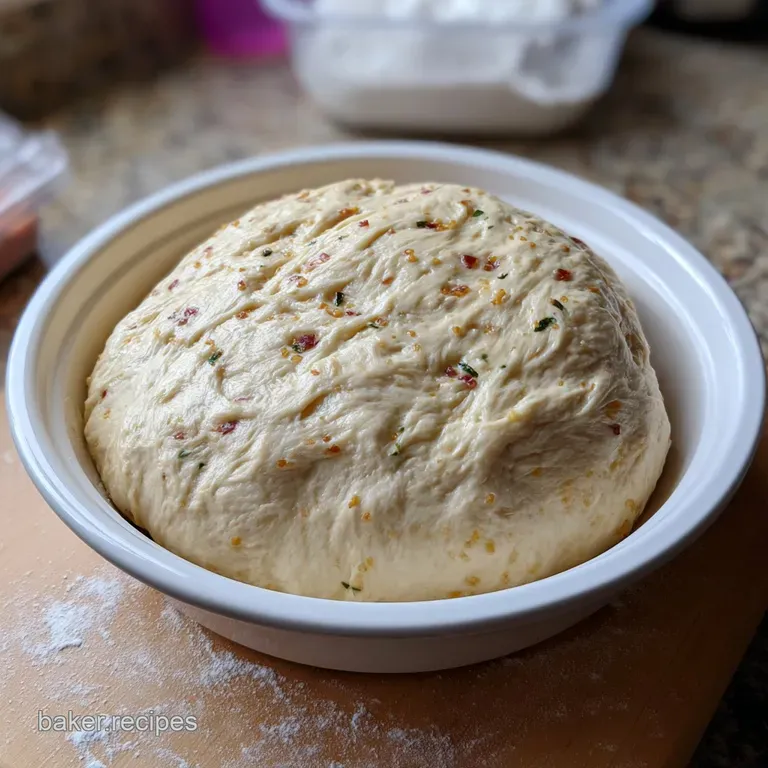
The Best Bread Machine Pizza Dough Recipe
That scent. Oh my gosh, that rich, yeasty, warm promise of a perfect night? That’s what hits you the second the cycle finishes on this Bread Machine Pizza Dough . Seriously, I think the smell alone justifies owning a bread machine.
This isn't just a recipe; it's the solid foundation for every lazy Friday night you'll ever have.
I used to be a purist, wrestling flour and water by hand until my arms ached. I’m over that nonsense. This method is a total lifesaver, cutting out 90% of the active work without sacrificing that incredible chew and rise we all crave.
It’s fast, unbelievably easy, and about a tenth of the price of those sad, refrigerated tubes from the store.
If you’ve got a bread machine gathering dust on your counter, dust it off right now. We are making restaurant quality pizza tonight. Let’s get the basics down for the absolute perfect batch of Bread Machine Pizza Dough .
Why This Bread Machine Pizza Dough Works
This recipe leverages the 'Dough' cycle, which is brilliant because it perfectly manages the crucial initial fermentation. Most bread machines hold the temperature steady, which is exactly what active dry yeast needs to thrive.
The real secret here is the ratio of water to olive oil, which keeps the resulting dough incredibly extensible meaning it stretches perfectly without tearing when you shape it. Trust me, you won't have to fight this dough.
The strong bread flour is another key player. It has higher protein content, which develops incredibly strong gluten strands during the machine’s kneading phase. That’s what gives you the glorious rise and that slightly chewy, satisfying texture required for a great pizza.
Flavor Profile and Texture
We are aiming for that classic Neapolitan meets-New-York vibe. The outside crust blisters up beautifully and gets shatteringly crisp in a hot oven. But the interior? It stays soft, elastic, and full of those gorgeous air pockets created during the rise.
The olive oil introduces a lovely subtle richness, keeping the interior tender and adding depth that basic flour and water doughs completely miss.
Ingredients You Need for Bread Machine Pizza Dough
Using great ingredients is always important, but particularly when there are so few of them. Quality flour and decent olive oil make a noticeable difference in the final flavor. I strongly suggest using a digital scale here; volume measuring flour is the fastest way to mess up any dough recipe!
Main Ingredients Notes
- Lukewarm Water: This isn't just tap water, it’s yeast spa water. Aim for 105°F to 115°F (40°C 46°C). If it’s too hot, you will murder your yeast, and the dough won't rise. If it’s too cold, it will take forever.
- Strong Bread Flour: Don't skimp here. The higher protein is necessary for structure. You can use specialized pizza flour (like '00'), but standard bread flour is usually easier to find and works perfectly for this robust Bread Machine Pizza Dough .
- Extra Virgin Olive Oil: Use the good stuff if you have it. It keeps the dough pliable and adds that fantastic aroma while baking.
- Yeast (Active Dry or Instant): Use fresh yeast! If your yeast has been sitting in the back of the pantry since the last pandemic, buy a new packet. Stale yeast is a guaranteed flop.
Easy Substitutions and Swaps
| Ingredient to Swap | Viable Substitution | Notes |
|---|---|---|
| Strong Bread Flour | All-Purpose Flour | The texture will be slightly less chewy and might feel stickier. Consider adding 1 2 tsp less water initially. |
| Granulated Sugar | Honey or Maple Syrup | Use the same amount (1 teaspoon). This simply feeds the yeast and ensures a nice brown crust. |
| Olive Oil | Neutral Oil (Canola/Sunflower) | Functionally the same, but you will miss the classic Mediterranean flavor. |
Essential Equipment
You only need two things, really. One is obvious, the other is essential for baking precision.
- Bread Machine (Any standard model): Use the "Dough" cycle.
- Digital Kitchen Scale: This is non-negotiable for consistent baking. Weighing 420g of flour will always be better than volume measures.
How to Make Bread Machine Pizza Dough step-by-step
This is so easy you’ll laugh. We are simply layering the ingredients carefully to protect the yeast from the salt.
Preparation Steps
- Prep the Pan: Ensure the kneading paddle is firmly attached inside the bread machine pan. I once ran the whole cycle without the paddle. Rookie mistake.
- Liquids First: Pour the measured lukewarm water and the olive oil into the bread pan.
- Salt and Sugar: Sprinkle the fine sea salt and sugar over the liquid.
- Add Flour: Gently spoon the bread flour over the liquids, creating a smooth blanket layer. Do not stir or mix anything yet!
- Yeast Layer: Create a small, shallow well in the center of the flour blanket. Place the measured yeast directly into this well. This keeps the yeast away from the salt, which can inhibit its growth.
Cooking Process
- Start the Machine: Close the lid and select the "Dough" cycle (this usually takes 90– 105 minutes). Press start!
- Monitor the Kneading (The Crucial Check): After about 5 minutes, sneak a peek. The dough should be forming a smooth, slightly sticky ball that is cleaning the sides of the pan. If the dough looks like soup, add flour 1 teaspoon at a time. If it looks dry and shaggy, add water 1 teaspoon at a time. This vigilance is key to the perfect Machine Pizza Dough .
- The Wait: Let the machine finish the entire cycle. It will go through kneading, resting, and the first primary proof.
- Remove and Degas: Once the cycle chirps, unplug the machine. Turn the risen dough out onto a very lightly floured surface. Gently punch or press it down to deflate the gas (degassing). Handle it lightly; you don't want to overwork it now.
Expert Tips for Success
If you want dough that stretches like a dream, pay attention to these three things.
- Don't Over Flour the Counter: When removing and shaping your Bread Machine Pizza Dough , use as little extra flour as possible . Too much flour will make the dough tough and dry out the final crust. A tiny sprinkle is all you need.
- The 15 Minute Nap: After you’ve punched down and divided the dough, roll each piece into a neat ball and let them rest, covered, for 15 minutes. This rest period is mandatory . It allows the gluten you just worked so hard to develop to relax. If you try to stretch it immediately, it will snap back like a rubber band.
- For Thick Crust: If you love a hearty, thick crust (like the ones ideal for dips), divide the dough into only two portions. For thinner, crisper crusts, divide it into three.
Common Mistakes to Avoid
- Using Cold Water: As mentioned, cold water equals lazy yeast. Always use lukewarm water. If you don't have a thermometer, make sure it feels warm, but not hot, on your inner wrist.
- Measuring Flour by Volume: Seriously, just buy the scale. If your dough is too dry because you packed in too much flour, the crust will be dense and crackly, not airy and chewy.
- Rushing the Oven: You absolutely need a blistering hot oven for pizza. Preheat your oven and, if using, your pizza stone or steel to 500°F (260°C) for at least 30 minutes before baking.
Storage, Freezing, and Reheating
You’ve got two huge balls of incredible dough now. What if you only need one pizza? No problem. This Bread Machine Pizza Dough stores beautifully.
How to Store Leftovers
Once the dough has completed its full cycle, lightly coat the dough ball with olive oil. Place it in a large, sealed zip-top bag or container. You need plenty of headspace because it will continue to rise slowly even in the cold. It keeps perfectly in the refrigerator for up to 3 days.
Tip: Take the dough out about 60 minutes before you plan to use it so it can warm up to room temperature.
Freezing Instructions
Yes, you can freeze your Machine Pizza Dough ! This is the greatest meal prep hack ever. Follow the instructions exactly up to the point of degassing (Step 11). Once the dough is divided and rolled into tight balls, coat them lightly with oil.
Wrap each ball tightly in plastic wrap, then seal them inside a freezer bag. This dough is good frozen for up to 3 months.
Best Reheating Methods
To use frozen dough, simply transfer it from the freezer to the refrigerator the night before you plan to use it. In the morning, take it out and let it sit at room temperature for about 2– 3 hours until it’s soft, pliable, and fully thawed.
Then proceed with shaping and baking as usual.
Serving Suggestions
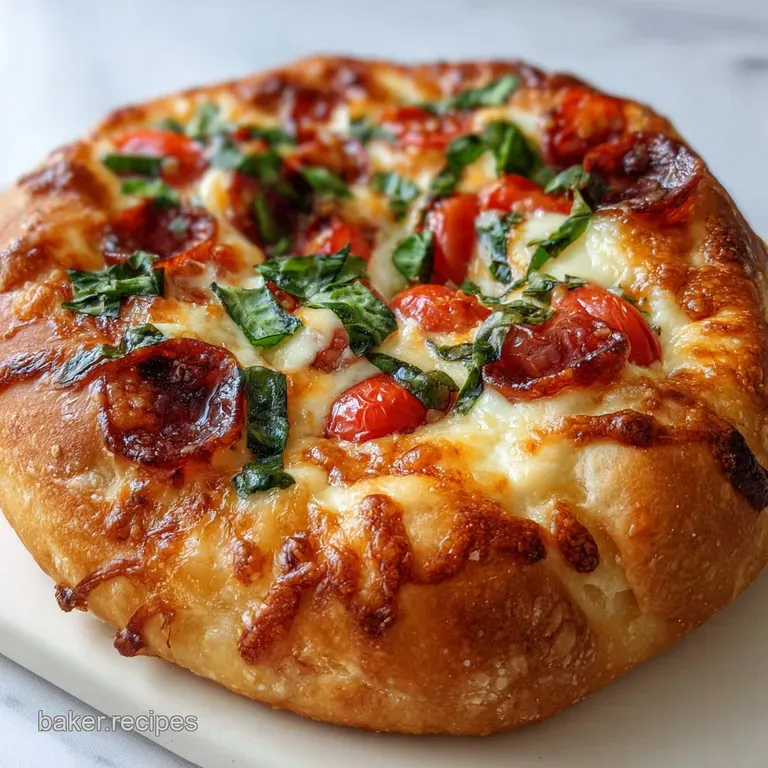
Once you’ve mastered this foolproof base, the possibilities are endless! I personally love to use this base for a classic margherita, letting the chewiness of the crust shine.
What to Serve With This Dish
Pizza is often a meal in itself, but sometimes you need a little something on the side to balance the richness.
- A Bright Salad: A peppery arugula salad with shaved Parmesan and a bright lemon dressing cuts through the rich cheese perfectly.
- Dips for the Crust: I always make extra marinara sauce. Serving a side bowl of garlicky dip for the crust edges is mandatory in my kitchen.
- Dessert Pairing: For a perfect ending, I often follow pizza night with a batch of my crisp, bright Orange Cookies: The Best Zesty Glazed Shortbread Recipe . The tart zest is a fantastic palate cleanser!
This truly is the only way I make pizza anymore. Whether I'm going for a giant thick crust or a couple of smaller, thin crust numbers, the consistent quality of this specific Bread Machine Pizza Dough simply cannot be beaten for the tiny amount of effort involved. Happy baking, friends!
Now go forth and make some magic.
Recipe FAQs
What setting should I use on my bread machine for this dough?
You must select the "Dough" cycle or, if available, the "Pizza Dough" setting on your specific bread machine model. Do not use the "Basic" or "Whole Wheat" cycle, as these include a subsequent baking phase which is not required for pizza dough.
The chosen cycle will handle the necessary kneading and primary proofing period before the dough is removed for shaping.
My dough came out too sticky or soupy after the initial mix. What correction should I make?
Hydration can vary widely based on ambient humidity and how you measure your flour. If the dough is too wet and sticky after the first 5-7 minutes of kneading, add flour one tablespoon at a time until the ball just cleans the sides of the pan.
Conversely, if the machine sounds strained and the dough looks shaggy and dry, add water one teaspoon at a time until a smooth ball forms.
How can I store or freeze this pizza dough after the bread machine cycle finishes?
You can refrigerate the finished dough, wrapped tightly and lightly oiled, for up to three days before using it. For long term storage, divide the dough into individual pizza portions, wrap each securely, and freeze for up to three months.
Always thaw frozen dough overnight in the refrigerator before allowing it to warm slightly and shaping.
Can I use whole wheat flour or semolina instead of all-purpose flour for this recipe?
While you can successfully substitute up to 25% of the required white flour with whole wheat or semolina, using a higher percentage will change the final texture. Whole grain flours absorb more liquid, so you may need to increase the water slightly (1-2 teaspoons) to achieve the desired dough consistency.
This will result in a chewier, heartier crust instead of the traditional Neapolitan texture.
My dough did not rise properly in the machine; why did this happen?
The most common cause of poor rise is inactive yeast, either because it is old or it was killed by water that was too hot. Ensure your yeast is fresh and active, and if adding liquids separately, confirm the water temperature is lukewarm (between 105°F and 115°F).
Additionally, excessive salt coming into direct contact with the yeast can sometimes inhibit activation.
How much pizza dough does this recipe yield, and can I scale it?
This recipe usually yields enough dough for two standard 12 to 14 inch thin crust pizzas or approximately four smaller personal sized pizzas. You can certainly double the recipe if your bread machine has the capacity for larger loads, often indicated by the maximum flour weight specified by the manufacturer.
Always monitor the dough closely during the first kneading phase when scaling up.
Can this bread machine pizza dough be adapted for vegan or gluten-free diets?
The standard bread machine pizza dough is naturally vegan, assuming common ingredients like olive oil are used. To make this recipe gluten-free, you must replace the standard wheat flour entirely with a specialized gluten-free bread flour blend.
Ensure your chosen blend includes or is supplemented with a binder like xanthan gum to achieve the necessary structure and elasticity.
Effortless Bread Machine Pizza Dough
Ingredients:
Instructions:
Nutrition Facts:
| Calories | 77 kcal |
|---|---|
| Protein | 0.7 g |
| Fat | 7.2 g |
| Carbs | 2.4 g |
