Fajita Marinade Recipe
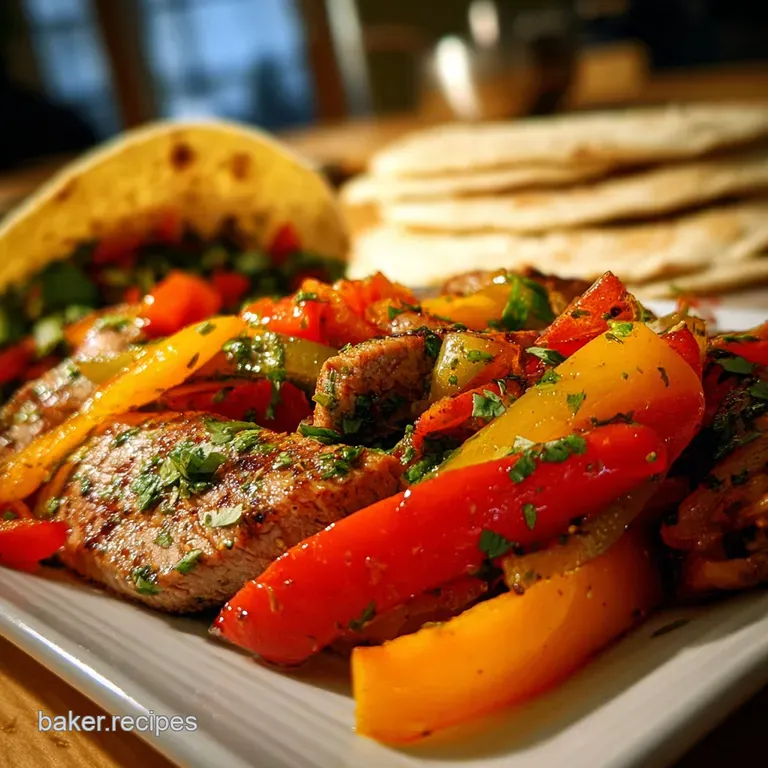
- Time: Active 42 minutes, Passive 8 minutes, Total 50 minutes
- Flavor/Texture Hook: Zesty, smoky, and incredibly tender
- Perfect for: over High heat grilling or heavy cast iron searing
- The Chemical Magic Behind Every Juicy Bite
- Kitchen Metrics and Preparation Timing Details
- Choosing the Right Elements for Maximum Flavor
- The Best Cuts for Sizzling Steak Platters
- The Essential Tools for Stress Free Cooking
- Step by Step Instructions for Smoldering Results
- Common Pitfalls and How to Fix Them
- Smart Ingredient Swaps for Every Dietary Need
- Pro Tips for Safe Freezing and Reheating
- Creating the Ultimate Restaurant Quality Serving Spread
- Fajita Marinade Recipe FAQs
- 📝 Recipe Card
You know that sound. The high pitched hiss as a cast iron skillet hits the table, clouds of steam carrying the scent of charred lime and toasted cumin across the room. We've all tried to recreate that at home, only to end up with steak that’s either gray and rubbery or so tough you need a chainsaw to get through it.
I’ve spent years tweaking my ratios, and I finally realized that a truly great fajita marinade recipe isn't just about throwing spices in a bowl; it’s about managing the structure of the meat itself.
The first time I made this, I forgot the pineapple juice. I thought it was just for sweetness. Big mistake. My flank steak came out tasting fine, but it had the texture of an old boot. Once I learned how the enzymes work, everything changed.
Now, when I pull my steak off the grill, it’s so tender it practically melts, but it still has that gorgeous, crusty exterior that we all crave.
We are going to move beyond basic seasonings and look at how each liquid works to break down connective tissue. Whether you’re a weekend griller or just trying to get a fast Tuesday dinner on the table, this method is going to be your new best friend. Let’s get into the specifics of why this works so well.
The Chemical Magic Behind Every Juicy Bite
When we talk about a great fajita marinade recipe, we are really talking about a three pronged attack: acid, enzymes, and fat. Each one has a very specific job to do to ensure your 2 lbs skirt steak or flank steak doesn't turn into leather.
- Enzymatic Tenderization: Bromelain in the 2 tbsp unsweetened pineapple juice breaks down tough collagen fibers, making the meat soft before it even touches the heat.
- Acidic Denaturation: The 1/2 cup freshly squeezed lime juice uncoils protein strands, allowing moisture to seep in while adding a bright, citrusy punch.
- Maillard Enhancement: The 1 tbsp brown sugar and 2 tbsp reduced sodium soy sauce work together to create a deep, mahogany crust during the over high heat sear.
- Emulsification: The 1/3 cup extra virgin olive oil acts as a carrier, pulling the fat soluble spices like 1 tbsp smoked paprika and 2 tsp ground cumin deep into the meat.
Chef's Tip: If you have 10 minutes, freeze your steak slightly before slicing. It makes it much easier to get those paper thin, professional looking strips against the grain.
The key is timing. If you let the steak sit in this mixture for too long, the acid will actually start to "cook" the meat, turning it mushy. You want that sweet spot where the flavors have penetrated but the texture remains firm and bouncy.
| Thickness of Cut | Target Internal Temp | Rest Time | Visual Finished Cue |
|---|---|---|---|
| 1/2 inch (Skirt) | 130°F (Medium Rare) | 5 minutes | Deep brown char with pink center |
| 1 inch (Flank) | 135°F (Medium) | 8 minutes | Resilient bounce when pressed |
| 1.5 inches (Thick Flank) | 140°F (Medium) | 10 minutes | Juice runs clear after resting |
Finding the right balance of heat and time is what separates the pros from the amateurs. If you’re looking for a different vibe, you might also love my Chicken Marinade recipe for those nights when you want something a bit more herbal and light. But for beef, this heavy hitter is the king.
Kitchen Metrics and Preparation Timing Details
Getting the timing right is crucial for this beef fajita marinade recipe. You don’t want to rush the marination, but you also don't want to leave it overnight. For 2 lbs of meat, the surface area is quite high once you slice it, meaning the marinade works faster than you might think.
The prep time of 42 minutes includes about 12 minutes of active whisking and slicing, and 30 minutes of "quick marinating." If you have more time, you can go up to 4 hours, but after that, the lime juice starts to change the protein structure in a way
that can feel "chalky."
| Component | Science Role | Pro Secret |
|---|---|---|
| Lime Juice | Protein Denaturant | Use room temp limes; they yield 20% more juice than cold ones. |
| Soy Sauce | Umami Supplier | It provides deep saltiness that penetrates deeper than table salt alone. |
| Pineapple Juice | Protease Enzyme | Only use unsweetened; the extra sugar in "cocktail" juice burns too fast. |
| Smoked Paprika | Color & Depth | Bloom the paprika in the oil for 2 minutes before adding acids to release oils. |
It's all about the interplay of these liquids. The 1 tbsp Worcestershire sauce adds a fermented complexity that mimics the aged flavor of expensive steaks. If you want to dive deeper into the world of intense flavors, I highly recommend checking out this AllPurpose Umami Bomb recipe for your other grilling adventures.
Choosing the Right Elements for Maximum Flavor
When selecting your ingredients for this easy fajita marinade recipe, quality matters because there are so few of them. Each one has to pull its weight.
- 2 lbs skirt steak or flank steak: Skirt is more traditional and has more fat, while flank is leaner and needs the marinade more. Why this? These cuts have long fibers that soak up marinade like a sponge.
- 1/3 cup extra virgin olive oil: Use a robust one. Why this? It coats the meat to prevent sticking on over high heat griddles.
- 1/2 cup freshly squeezed lime juice: Never use the bottled stuff. Why this? Bottled juice contains preservatives that mute the bright citrus notes.
- 2 tbsp unsweetened pineapple juice: Our secret tenderizer. Why this? Contains bromelain, which softens the toughest connective tissues effortlessly.
- 2 tbsp reduced sodium soy sauce: For that savory backbone. Why this? Adds a richer color and deeper savory note than plain salt.
- 1 tbsp Worcestershire sauce: The classic steakhouse secret. Why this? Adds anchovy based umami and molasses for a complex finish.
- 1 tbsp brown sugar: For the sear. Why this? Lowers the caramelization temperature for better browning.
- 4 cloves garlic, minced: Fresh only! Why this? Garlic powder lacks the sharp, pungent bite needed to cut through the fat.
- 1 tbsp smoked paprika: For that "outdoor grill" flavor. Why this? Adds a vibrant red hue and an earthy, smokey aroma.
- 2 tsp ground cumin: The heart of Tex Mex. Why this? Provides the characteristic nutty, warm scent of authentic fajitas.
- 1 tsp onion powder: For consistent savory coverage. Why this? Sticks to the meat better than fresh onions during over high heat searing.
- 1 tsp dried Mexican oregano: More citrusy than Mediterranean. Why this? It has lemon and lime undertones that complement the marinade perfectly.
- 1/2 tsp red pepper flakes: For a gentle hum of heat. Why this? Adds visual interest and a slow building warmth.
- 1/2 tsp coarse kosher salt: To draw out moisture. Why this? The larger grains dissolve slowly, seasoning the meat more evenly.
- 1/2 tsp freshly cracked black pepper: For a sharp, woody finish. Why this? Freshly ground oils are much more potent than pre ground pepper.
| Original Ingredient | Substitute | Why It Works |
|---|---|---|
| Pineapple Juice | Kiwi Puree (1 tbsp) | Contains actinidin, a similar enzyme that tenderizes meat. |
| Mexican Oregano | Marjoram | Same floral notes, though slightly less citrusy than Mexican oregano. |
| Brown Sugar | Honey | Similar sugar content for browning. Note: Honey burns faster, so watch the heat. |
If you happen to be out of steak but still want that zingy flavor, you can apply these same principles to a Chicken Fajita Marinade recipe which is specifically balanced for poultry.
The Best Cuts for Sizzling Steak Platters
Choosing the right meat is half the battle. For an authentic fajita marinade recipe, you really want skirt steak (arrachera). It comes from the plate of the cow and is incredibly flavorful but notoriously tough if not handled correctly.
The flank steak is a great alternative if you want something easier to find at the grocery store. It’s a bit thicker and leaner. If you use flank, I suggest letting it marinate for the full 4 hours to really let those enzymes do their thing.
Harnessing Enzymatic Tenderization
The pineapple juice is your best friend here. Bromelain works by literally digesting the proteins. If you’ve ever had your tongue feel tingly after eating raw pineapple, that's the bromelain working on you! In the marinade, it targets the "gristle" and makes it tender.
Optimizing the Spice Bloom
Spices like cumin and paprika are fat soluble. This means their flavor is locked away in the dried powder. By mixing them with the olive oil first, you "bloom" them, allowing the oil to carry those flavors into every nook and cranny of the meat.
The Essential Tools for Stress Free Cooking
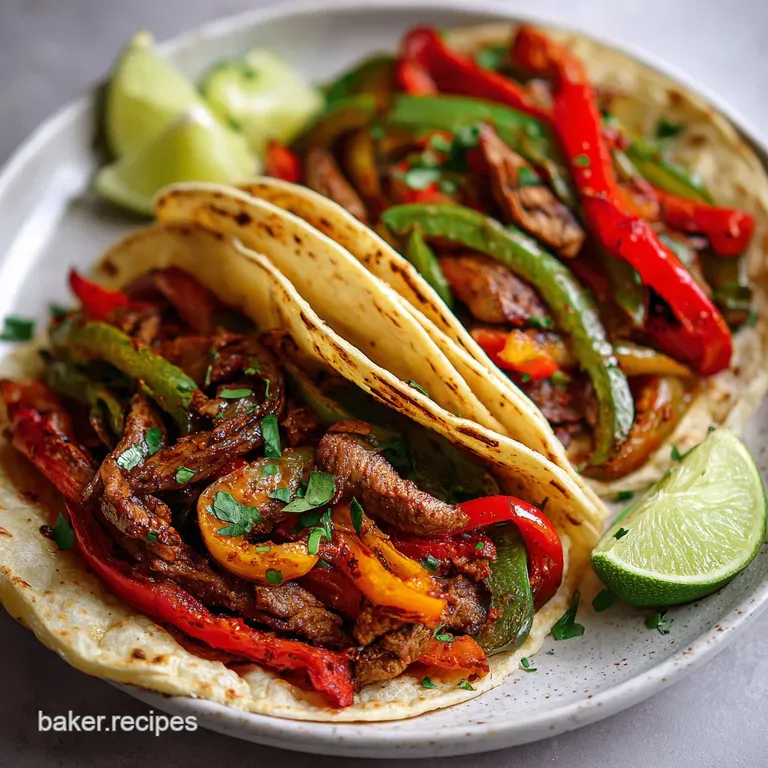
You don't need a thousand gadgets to make the best fajita marinade recipe, but a few specific items will make your life much easier.
- Cast Iron Skillet: A heavy 12 inch skillet (like a Lodge) is the gold standard. It holds heat better than stainless steel, which is vital for getting that dark, crispy char.
- Gallon sized Zip top Bag: This is better than a bowl because you can squeeze out all the air, ensuring every inch of the 2 lbs skirt steak is in contact with the liquid.
- Chef's Knife: A sharp 8 inch blade is necessary for slicing against the grain.
- Meat Thermometer: Don't guess. Pull the meat at 130°F for medium rare.
Chef's Tip: If you don't have a cast iron skillet, use a heavy duty sheet pan and broil the meat on the top rack. It mimics the intense heat of a grill.
Using a bag also makes cleanup a breeze. Just toss it when you're done. No messy bowls to scrub!
step-by-step Instructions for Smoldering Results
- Whisk the liquids. Combine the 1/3 cup olive oil, 1/2 cup lime juice, 2 tbsp pineapple juice, 2 tbsp soy sauce, and 1 tbsp Worcestershire in a small bowl. Note: Whisking helps the oil and acid form a temporary emulsion.
- Add the aromatics. Stir in the 1 tbsp brown sugar, 4 minced garlic cloves, and all the dry spices. Mix until the sugar is completely dissolved.
- Prepare the meat. Pat your 2 lbs skirt steak or flank steak dry with paper towels. Note: Moisture on the surface will dilute the marinade and prevent a good sear later.
- Bag it up. Place the steak in a large zip top bag and pour the marinade over it.
- Remove the air. Squeeze as much air as possible out of the bag before sealing. This forces the marinade into the meat fibers.
- Massage and rest. Give the bag a good rub to distribute the spices. Let it sit at room temperature for 30 minutes (part of our total time).
- Preheat the iron. Get your skillet or grill screaming hot. It should be lightly smoking before the meat hits the pan.
- Sear the steak. Remove the steak from the marinade and shake off excess liquid. Lay it in the pan. The sizzle should be immediate and loud.
- Cook to temp. Cook for about 3-4 minutes per side (for 8 mins total). Until a dark, mahogany crust forms.
- The crucial rest. Remove the meat to a cutting board and tent loosely with foil. Let it rest for at least 5-8 minutes.
If you skip the rest, all those beautiful juices you worked so hard for will end up on the cutting board instead of in your mouth. Patience is the final ingredient in this marinade recipe.
Common Pitfalls and How to Fix Them
Even with a quick fajita marinade recipe, things can go sideways. The most common issue is "steaming" the meat instead of searing it. This happens if the pan isn't hot enough or if there's too much liquid left on the steak.
Preventing "Gray" Mushy Meat
If your meat looks gray and boiled, your pan temp was too low. The moisture in the marinade turned to steam. Next time, pat the meat dry after marinating and make sure the oil in the pan is shimmering.
Fixing Overly Salty Fajitas
The soy sauce and Worcestershire both bring salt. If you accidentally added too much salt, don't panic. Add a little extra lime juice or a tiny bit more brown sugar to balance the palate.
| Problem | Root Cause | Solution |
|---|---|---|
| Meat is tough | Marinated too short or cut with the grain. | Slice very thin and strictly across the grain fibers. |
| No char/crust | Pan wasn't hot enough or overcrowded. | Cook in batches and use a cast iron skillet. |
| Too acidic/sour | Over marinated (6+ hours). | Serve with a dollop of sour cream or avocado to coat the tongue in fat. |
Common Mistakes Checklist:
- ✓ Always pat the meat dry before it hits the pan to ensure a crust.
- ✓ Never crowd the pan; work in two batches if your skillet is small.
- ✓ Ensure you are slicing against the "lines" of the meat fibers.
- ✓ Don't skip the pineapple juice; it's the only way to get that specific texture.
Smart Ingredient Swaps for Every Dietary Need
This spicy fajita marinade recipe is naturally quite healthy, but you can tweak it for specific goals. If you're looking for a different protein entirely, you might try a Grilled Shrimp Marinade recipe for a lighter, coastal take on the flavors.
Creating a Keto/Low Carb Version
To make this keto friendly, simply swap the 1 tbsp brown sugar for a brown sugar alternative like Monkfruit or Erythritol. The sugar is mainly there for browning, and these substitutes do a decent job of mimicking that caramelization.
Making it Vegan/Vegetarian
This marinade is actually incredible on large Portobello mushroom caps or thick slices of cauliflower. Since vegetables don't have the same protein structure as beef, you only need to marinate them for about 15 minutes.
| Method | Time | Texture | Best For |
|---|---|---|---|
| Cast Iron Skillet | 8 minutes | Maximum char and crust | Authentic restaurant style |
| Outdoor Grill | 10 minutes | Smoky and charred | Summer parties/Large batches |
| Air Fryer | 12 minutes | Evenly browned, less mess | Quick weeknight cleanup |
Pro Tips for Safe Freezing and Reheating
We often have leftovers, or maybe you want to prep a batch of this authentic fajita marinade recipe for a busy month.
Storage: Store cooked fajita meat in an airtight container in the fridge for up to 3 days.
Freezing: You can actually freeze the raw steak inside the marinade. It’s brilliant. As it thaws in the fridge the next day, it marinates perfectly. It will stay good in the freezer for up to 3 months.
Reheating: Avoid the microwave! It will turn your tender steak into rubber. Instead, flash sear the strips in a hot pan for 60 seconds. This wakes up the fats and restores that "just cooked" texture.
Zero Waste Tip: Don't throw away the ends of your onions or the stems of your cilantro. Throw them into a freezer bag to make a "fajita flavored" vegetable stock later. You can use that stock to cook your Mexican rice for an extra layer of flavor.
Creating the Ultimate Restaurant Quality Serving Spread
The marinade recipe does the heavy lifting, but the presentation completes the experience. To get that true "sizzle," serve the meat on a pre heated platter with sautéed peppers and onions.
The Classic Restaurant Spread
You need the "Big Four": pico de gallo, sour cream, guacamole, and shredded cheese. I also like to char my flour tortillas directly over a gas flame for a few seconds. It adds a smoky scent that pairs perfectly with the smoked paprika in the meat.
The Fajita Power Bowl
If you're skipping the tortillas, serve the sliced steak over a bed of cilantro lime rice with black beans and roasted corn. The juices from the meat will act as a natural dressing for the whole bowl.
The real beauty of this & Flavorful Fajita Marinade recipe is how versatile it is. Once you master the ratio of acid to enzyme, you'll never go back to those salty little seasoning packets again. Trust me, your kitchen is about to smell like the best cantina in town. Let's get cooking!
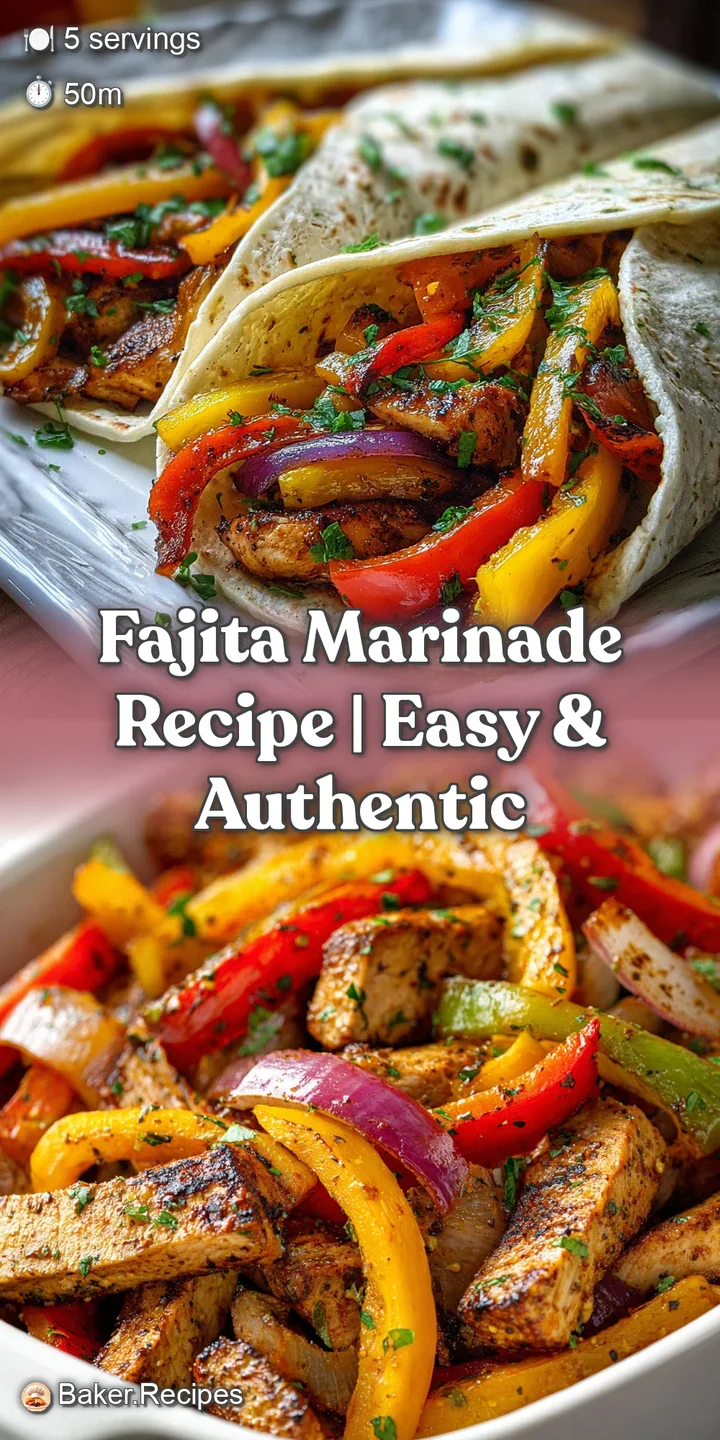
Fajita Marinade Recipe FAQs
What is a good marinade for fajitas?
A balanced blend of acids, enzymes, fats, and spices is key. A good marinade tenderizes meat, infuses flavor, and enhances browning. Ingredients like lime juice, pineapple juice, olive oil, soy sauce, and a mix of Tex-Mex spices are essential for achieving that restaurant quality char and tenderness. If you enjoy the vibrant flavors of fajitas, you might also like our Shrimp Tacos with Creamy Taco My Zesty Weeknight Win for a similar zesty profile.
What are the three main ingredients when marinating?
Acids, enzymes, and fat are the core components. Acids like lime juice help break down protein fibers, enzymes (found in pineapple juice) further tenderize tough connective tissues, and fat (like olive oil) helps carry fat-soluble spices and prevent sticking during cooking.
Mastering these principles allows you to achieve tender results, much like when you're controlling cookie spread.
What's the secret to great fajita flavor?
It's the synergy between tenderizing agents and flavor enhancers. Using enzymatic tenderizers like pineapple juice alongside acidic lime juice is crucial for tenderness. The secret to flavor lies in blooming spices in oil, adding umami from soy and Worcestershire sauces, and ensuring proper searing for a deep, smoky crust. For beef lovers, our Sizzling Steak Fajita Recipe Fiesta in a Skillet highlights these techniques perfectly.
What are common fajita marinade mistakes?
Over marinating with acid or not using enough heat for searing are common errors. Letting meat sit too long in highly acidic marinades can make it mushy. Another mistake is not preheating your pan sufficiently, leading to steamed rather than seared meat.
Always pat your meat dry before cooking to ensure a good crust forms.
Can I use a different cut of beef for fajitas?
Yes, flank steak is a great alternative to skirt steak. While skirt steak is traditional and fattier, flank steak is leaner and widely available. If using flank steak, ensure it marinates for the full recommended time to achieve maximum tenderness, similar to how you would prepare cuts for Sizzling Beef Fajitas Recipe Fiesta Night Done Easy.
How long should fajitas marinate?
Marinate for 30 minutes at room temperature up to 4 hours in the refrigerator. Longer marination isn't always better, as the acids can start to "cook" the meat, affecting its texture. For tougher cuts, the longer end of this window is ideal to allow the tenderizing agents to work effectively.
What vegetables pair well with a fajita marinade?
Onions and bell peppers are classic pairings for fajita marinades. Slice them into strips and sauté them until tender crisp to serve alongside your marinated meat. You can also use this marinade effectively on proteins like chicken or shrimp for a variety of dishes.
Fajita Marinade Recipe
Ingredients:
Instructions:
Nutrition Facts:
| Calories | 536 kcal |
|---|---|
| Protein | 47.2 g |
| Fat | 34.8 g |
| Carbs | 8.2 g |
| Fiber | 0.6 g |
| Sugar | 3.4 g |
| Sodium | 614 mg |
