Breakfast Biscuits: Mile-High Buttermilk Recipe
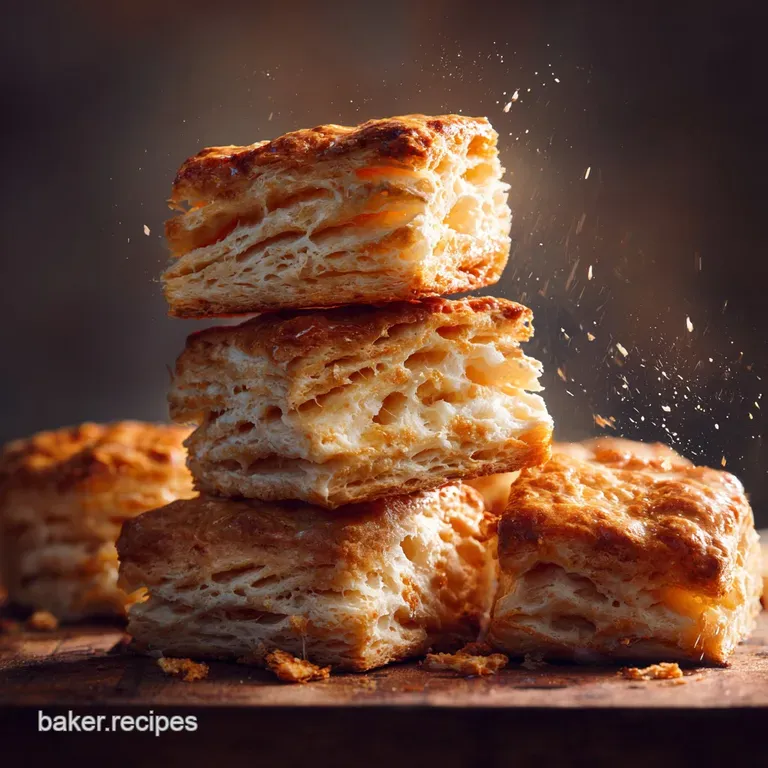
- Mile-High Buttermilk Biscuits: The Secret to Proper Flakiness
- The Definitive Guide to Flaky Breakfast Biscuits
- The Science of Flakiness: Why Temperature Matters
- Essential Components for Perfect Buttermilk Biscuits
- Method: Crafting Your Mile-High Biscuits (The Gentle Way)
- Troubleshooting and Expert Tips for Biscuit Success
- Make-Ahead Strategy: Storing and Reheating Biscuits
- The Perfect Accompaniments for Freshly Baked Biscuits
- Recipe FAQs
- 📝 Recipe Card
Mile High Buttermilk Biscuits: The Secret to Proper Flakiness
There are few things in this world that stop me in my tracks quite like the smell of baking butter and flour. It’s that deep, warm, nutty aroma that promises comfort. When those golden brown tops start to emerge from the oven, flaky edges catching the light, you know you’ve just accomplished true magic with these beautiful Breakfast Biscuits .
Life moves fast, but breakfast doesn’t have to feel like a grab and go trauma. This recipe for Breakfast Biscuits is simple, requires ingredients you probably already have, and costs next to nothing compared to the dried out store-bought versions. Seriously, ditch the tubes.
These homemade rounds are a lifesaver when you need comfort food fast.
If you’ve ever wrestled with tough, dense, hockey puck biscuits, I get it. I’ve been there, cursing the flour dust and wondering what I did wrong. But after years of trial and error (and a few burned trays), I’ve nailed the ultimate technique.
Let’s get these phenomenal, mile high Breakfast Biscuits baked, shall we?
The Definitive Guide to Flaky Breakfast Biscuits
The Science of Flakiness: Why Temperature Matters
You might think baking is all about following instructions, but understanding the why changes everything. We are aiming for perfect flaky layers, which is all about controlling the state of the fat and the development of gluten.
When tackling homemade Breakfast Biscuits , remember this mantra: Cold, Quick, and Gentle.
Why Buttermilk Biscuits Reign Supreme
Buttermilk isn't just liquid; it’s an acidic magic wand. The low pH level in buttermilk reacts powerfully with baking soda, creating an explosion of carbon dioxide gas the second it hits the oven.
This rapid leavening action is what pushes your dough up, resulting in gloriously tall and tender Buttermilk Breakfast Biscuits . They also deliver a subtle tang that balances the rich butter perfectly.
What Defines a Mile High Texture?
That incredible height and texture, the one that makes you sigh contentedly? That's lamination. Lamination is simply the process of creating thin, distinct layers of butter separated by layers of dough.
When those specific layers bake, the cold butter melts and instantly releases steam, separating the dough sheets and leaving behind magnificent pockets of air. That’s how we get those truly Flaky Breakfast Biscuits .
Mastering the Cold Fat Technique
Warm butter ruins biscuits. Period. If your butter is soft, it incorporates fully into the flour, resulting in a sandy dough that bakes into a cakey lump instead of layers. By using frozen, grated butter , we ensure the fat remains in small, discrete pieces throughout the dough.
These tiny butter shards hold their shape until they meet the oven’s heat, guaranteeing maximum lift for your homemade Breakfast Biscuits .
The Buttermilk Reaction: Acid for Altitude
As mentioned, the acid is essential. If you use regular milk instead of buttermilk, the baking soda won't fully activate, leaving you with shorter, less tender biscuits. The intense, rapid reaction is what sets these tall, delicious Southern Breakfast Biscuits apart from simple quick breads.
It’s chemistry you can taste.
The Gluten Trap: Why Overmixing is Fatal
I learned this the hard way: I once kneaded a batch of biscuit dough like I was making artisan bread. Spoiler alert: they tasted like granite. Flour and liquid create gluten, which gives structure, but too much structure makes tough, chewy Breakfast Biscuits .
Once the buttermilk is added, stir only until the dry flour disappears. The dough should still look shaggy and uneven that’s exactly right!
Essential Components for Perfect Buttermilk Biscuits
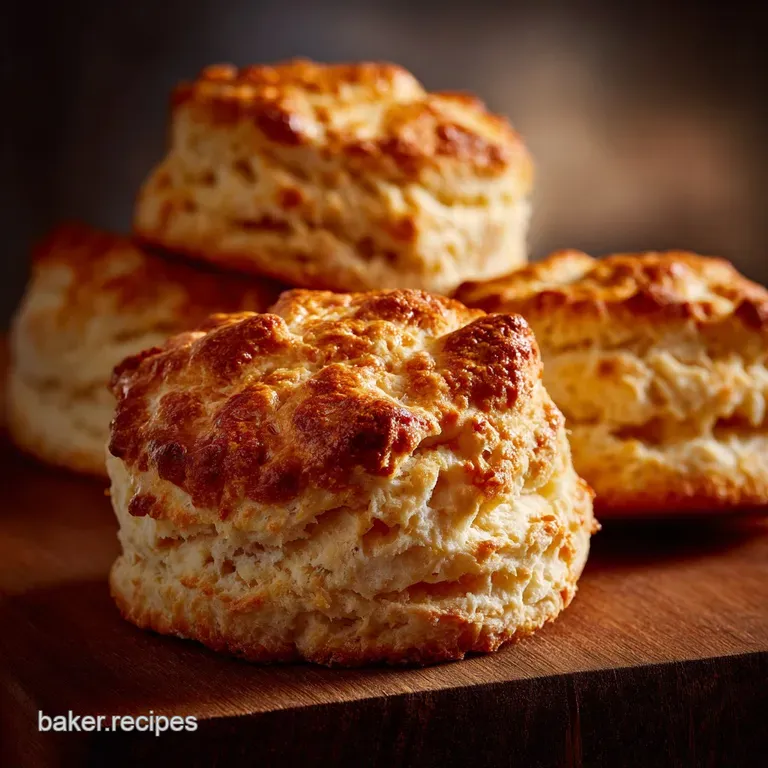
Choosing the Right Flour and Leavening Agents
I always use standard All-Purpose Flour, but make sure your baking powder is fresh! Stale leaveners are the number one cause of flat biscuits. If your baking powder is older than six months, toss it out. A quick test: drop a little into hot water; if it bubbles fiercely, you’re good to go.
| Ingredient | Substitute Tip |
|---|---|
| All-Purpose Flour | Use up to 1/2 cup of whole wheat pastry flour for a softer, nuttier crumb. |
| Baking Powder/Soda | If using self rising flour, omit the baking powder/soda and salt. |
Solid Fat Showdown: Butter vs. Shortening
Many traditional recipes call for shortening, which yields a higher rise because it’s 100% fat. However, butter gives 100% flavor. I opt for unsalted butter, frozen solid, because the marginal loss in height is entirely worth the buttery taste.
If you want maximum height for your next batch of Homemade Breakfast Biscuits , try substituting half the butter for cold vegetable shortening.
Buttermilk Alternatives and Acidity Adjustments
Don't have buttermilk? No need to panic or run to the shops. This is one of my favorite kitchen cheats. You can create a perfectly acceptable substitute by using whole milk and white vinegar (or lemon juice).
Chef’s Note: For every cup of milk, stir in one tablespoon of white vinegar or fresh lemon juice. Let it sit for about five minutes. It will look slightly curdled.
This is exactly what you want; use it immediately in place of the buttermilk for stellar Buttermilk Breakfast Biscuits .
Method: Crafting Your Mile High Biscuits (The Gentle Way)
The key to excellent Breakfast Biscuits isn't speed, but efficiency. Have everything ready before you start, and work with confidence.
Processing the Dry Ingredients and Cold Fat
First, get your dry ingredients (flour, salt, baking powder, baking soda) fully combined in a big bowl. Next, the butter. The grating step is non-negotiable for me it distributes the cold fat so quickly and effectively. Toss the grated butter into the dry mix and use your hands to coat it thoroughly.
Work fast, just until the mixture looks like coarse meal with little slivers of butter still visible.
Folding and Lamination: Creating the Layers
This is the secret sauce for our Easy Breakfast Biscuits . Pour in the cold buttermilk and mix just until combined. Turn the shaggy dough onto a lightly floured surface. Now, pat it into a rough rectangle, about 1 inch thick. Fold it into thirds like a letter (the 'book fold').
Rotate it 90 degrees, pat it down again, and repeat the book fold once more. This quick folding process is how you stack those butter layers, guaranteeing ultimate flakiness.
The Crucial Step: Cutting and Spacing
Pat the dough down to its final 1 inch thickness. Now, flour your sharp biscuit cutter. Press straight down do not twist! Twisting seals the sides of the biscuit, effectively gluing the layers shut and stopping them from rising.
Place the cut Breakfast Biscuits onto the sheet pan so that they are lightly touching. This creates steam synergy, forcing them to rise high instead of spreading wide. Pop the whole tray into the fridge for 15 minutes while the oven finishes preheating.
This final chill is vital.
Troubleshooting and Expert Tips for Biscuit Success
Preventing Hard, Dense Biscuits (The Hockey Puck Problem)
The density problem is almost always caused by two things: too much kneading or ingredients that weren’t cold enough. When you make these delicious Breakfast Biscuits , handle the dough minimally and rely on the folding technique, not mixing, to build structure.
If you’ve already encountered dense biscuits, next time try a food processor for pulsing the butter; it keeps the fat colder longer.
Optimal Oven Temperature and Baking Placement
These fluffy rounds demand intense heat. We bake at a ripping 425°F (220°C). This high temperature creates that necessary burst of steam from the cold butter before the structure of the biscuit sets. Bake on the middle rack for even cooking and golden color.
Achieving the Golden Brown Top
The standard bake will give you perfectly cooked biscuits, but for that rich, dark golden color, you have two options. First, brush the tops with a little extra buttermilk before baking. Second (and my preference), brush the tops with melted butter the second they come out of the oven.
The residual heat soaks the butter in, giving them a rich sheen and an irresistible flavor. These Best Biscuit Recipe rounds are worth the extra effort!
make-ahead Strategy: Storing and Reheating Biscuits
Can you make these ahead? Absolutely! We love having a stash of these Breakfast Biscuits ready to go, especially when pairing them with savory items like gravy or my famous Homemade Square Sausage Lorne The Proper Scottish Breakfast Essential .
Freezing Unbaked Biscuit Dough
This is my absolute favorite method. Cut your biscuits and place them on a parchment lined sheet. Freeze them solid (about 3 hours). Once frozen, transfer the solid dough rounds to a zip-top bag. They keep perfectly for up to two months.
When you want fresh Breakfast Biscuits , take them out, place them on a baking sheet, and bake from frozen. Just add about 5 minutes to the baking time.
Best Practices for Short Term Storage
Fresh Homemade Breakfast Biscuits are best eaten within 24 hours. If you must store them, let them cool completely, then place them in an airtight container at room temperature. They will last about 2 3 days, but they will start to lose their incredible flaky texture.
How to Revive Day-Old Biscuits
Don't microwave them! Microwaving steams them, making them tough and chewy. To bring your day-old Breakfast Biscuits back to life, wrap them loosely in foil and reheat them in a 350°F (175°C) oven for about 8– 10 minutes.
They'll taste almost as fresh as the moment they came out of the oven.
The Perfect Accompaniments for Freshly Baked Biscuits
These biscuits are versatile champions. Sure, they are the foundation for the classic Breakfast Biscuits and Gravy , but don't limit yourself to just one savory application!
- Savory Mornings: Split warm biscuits, spread with cream cheese, and top with smoked salmon and a sprinkle of dill. If you're looking for more great no-egg options, try serving these alongside my recipe for No Egg Breakfast Dishes: Ultra Crispy Rosti Hash Roasted Tomatoes — the crunch against the soft biscuit is amazing.
- A Sweet Start: Nothing beats these warm, tender rounds slathered with raspberry jam and proper clotted cream. For a slightly healthier contrast, try pairing them with an autumnal alternative like my EggFree Breakfast: Spiced Apple Porridge Bowl (Ready in 30 Mins) .
- Dinner Application: Don’t forget biscuits aren't just for the morning! They are the perfect topping for any rich casserole or stew, like my satisfying Proper Comfort Easy Chicken Pot Pie Casserole with Fluffy Biscuits .
Go make these Breakfast Biscuits right now. Trust me, once you master the cold fat and the folding technique, you will have light, buttery, Moist Homemade Biscuits every single time. They truly are the king of the morning table.

Recipe FAQs
Why are my biscuits dry and dense instead of tall and flaky?
The primary culprit is usually overworking the dough, which develops gluten and makes the biscuits tough and dense. Ensure you mix the flour and buttermilk only until they just barely come together and handle the dough as gently as possible during the folding and cutting stages.
Also, insufficient chilling time can prevent the butter from creating adequate steam layers.
How important is it that the butter and buttermilk remain freezing cold?
This is the most critical step for achieving the "mile high" texture. When the dough enters the hot oven, the tiny pockets of cold butter melt rapidly and release steam, which forcefully pushes the dough layers apart.
If your ingredients are warm, the butter incorporates fully into the flour, resulting in a dense, cake like texture instead of flaky layers.
Can I use regular milk instead of buttermilk?
Buttermilk is highly recommended, as its acidity reacts beautifully with the baking soda and gives the biscuits their signature tangy flavor and light lift. If you absolutely must substitute, measure 1 cup of regular whole milk and stir in 1 tablespoon of white vinegar or lemon juice.
Let this mixture sit undisturbed for five minutes before using it.
Why do I need to cut straight down and not twist the biscuit cutter?
Twisting the cutter seals the edges of the biscuit dough layers, essentially preventing the biscuit from rising evenly and reaching its maximum height in the oven. Always press the cutter straight down through the dough quickly and pull straight back up.
Dip the cutter in a little flour between cuts to prevent sticking.
Can I prepare the biscuit dough ahead of time and store it?
Yes, biscuit dough freezes exceptionally well. Cut the biscuits, arrange them on a parchment lined baking sheet, and freeze them until they are completely solid. Once frozen, transfer them to a freezer bag and bake straight from frozen, increasing the bake time by about 5 8 minutes.
What is the best way to store and reheat leftover biscuits?
Store fully cooled baked biscuits in an airtight container at room temperature for up to two days, though they are best consumed the day they are made. To restore their freshness, wrap them loosely in aluminum foil and reheat them in a 350°F (175°C) oven for about 10 minutes until they are warmed through.
Can this recipe be adapted to be vegan or dairy-free?
Absolutely; replace the butter with a high-quality, solid vegan butter substitute, ensuring it is thoroughly chilled before use. For the buttermilk, use a thicker cultured oat or almond milk substitute mixed with apple cider vinegar to achieve the necessary acidity and consistency.
While the flavor profile will differ slightly, you can still achieve a beautiful, flaky texture.
Flaky Buttermilk Breakfast Biscuits
Ingredients:
Instructions:
Nutrition Facts:
| Calories | 260 kcal |
|---|---|
| Fat | 14 g |
| Fiber | 1 g |
