Autumn Gold Rich Tangy Ginger Persimmon Chutney
- Elevating Autumn Flavors: Why This Persimmon Chutney Excels
- The Perfect Partner: Pairing Your Homemade Preserve
- Essential Components for Deep Flavor Development
- Curating Your Spice Cabinet for Optimal Chutney Zing
- The Step-by-Step Alchemy of Cooking Down Fruit
- Maximizing Shelf Life: Storing Your Finished Persimmon Chutney
- Creative Twists: Flavor Variations on the Classic Recipe
- Recipe FAQs
- 📝 Recipe Card
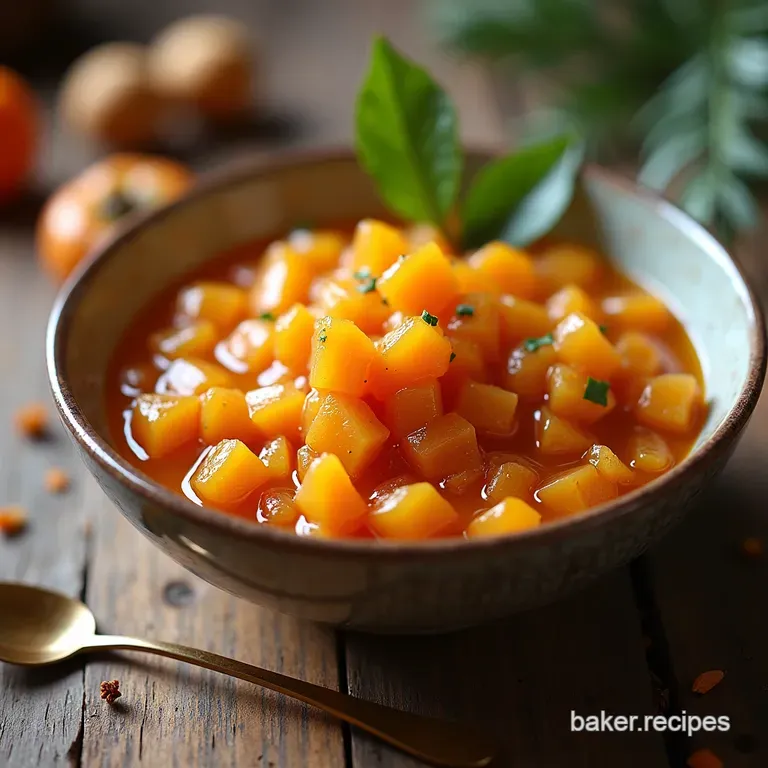
Elevating Autumn Flavors: Why This Persimmon Chutney Excels
There is a brief, magical window each autumn when persimmons reach peak perfection, offering a honeyed sweetness that signals the transition into cooler weather. While enjoying them fresh is delightful, transforming this seasonal bounty into a rich, tangy preserve yields something truly special.
This Persimmon Chutney is not merely a condiment; it’s a vibrant culinary statement, expertly designed to capture the fleeting essence of the season in a jar.
Forget the predictable jams and jellies; this homemade preserve offers a complex interplay of sweet, tart, and spicy notes that instantly elevates any meal it accompanies. It stands head and shoulders above mass produced pickles, providing a depth of flavour that only slow cooking and quality ingredients can deliver.
The Perfect Partner: Pairing Your Homemade Preserve
The beauty of a well crafted chutney lies in its versatility. While many associate preserves solely with cheeseboards and indeed, this chutney sings next to a robust Cheddar or creamy Brie its applications stretch far beyond the charcuterie plate.
Its spiced tang cuts beautifully through rich, fatty meats, making it the ideal companion for roasted pork loin, glazed ham, or even grilled halloumi cheese. The resulting flavour profile means you are creating a jarred piece of culinary harmony, ready to upgrade everything from a simple cracker snack to a sophisticated holiday spread.
This vibrant homemade persimmon chutney promises to be the star player on your autumn and winter tables.
Unlocking the Sweetness of Fuyu and Hachiya Fruit
When preparing this preserve, the choice of persimmon variety significantly influences the outcome. The goal is to harness that inherent, honey like sweetness. If you opt for the squat, tomato shaped Fuyu persimmons, they can be used when firm, much like an apple, requiring peeling before chopping.
Conversely, if you choose the acorn shaped Hachiya , they must be allowed to ripen until they are completely soft and almost jelly like using an under ripe Hachiya will introduce an undesirable astringency that no amount of sugar can mask.
Our foundational persimmon chutney recipe is structured to perfectly balance the natural sugar of either fruit type with sharp acidity.
Beyond the Cheeseboard: Unexpected Uses for This Chutney
While it shines next to cheese, consider incorporating this preserve into your daily routine. It transforms leftover cold cuts into exciting new sandwiches, acting as a flavourful glaze for simple baked chicken wings, or stirring a spoonful into Greek yogurt to create a surprising, spiced morning treat.
It offers a textural counterpoint and bright acidity that simple relishes often lack, making it an exceptional accompaniment to savory breakfast dishes like potato hash or savory pancakes.
A Taste Profile That Balances Sweet Heat
The complexity of this Autumn Gold chutney comes from careful layering of flavour. We start with the deep sweetness of the fruit and brown sugar, immediately balanced by the sharp tang of apple cider vinegar. The signature warmth is introduced via freshly grated ginger, which provides an earthy, aromatic brightness.
This is supported by the subtle, nutty pop of whole mustard seeds and a whisper of red pepper flakes, ensuring that every spoonful delivers a pleasant, lingering warmth without becoming overwhelmingly spicy.
Essential Components for Deep Flavor Development
Creating a truly memorable Persimmon Chutney requires selecting ingredients that complement the fruit’s delicate flavour profile rather than overpowering it.
Because persimmons themselves are relatively mild, the supporting cast must be assertive enough to provide structure and longevity to the finished product. The foundation relies on achieving that perfect equilibrium between fruit, acid, and sweetener, ensuring the final product has the necessary tang to be preserved and enjoyed long after the season has passed.
Related Recipes Worth Trying
- Foolproof Blueberry Chutney Recipe with Ginger Spice — Whip up this vibrant Blueberry Ginger Chutneyits the perfect sweet and tangy topping for pork or cheese boards Easy to make
- Easy Homemade Cherry Chutney with Balsamic Zing — Forget the supermarket stuff This easy Cherry Chutney recipe balances sweet cherries with balsamic for a sophisticated homemade relish Perfect for canning
Curating Your Spice Cabinet for Optimal Chutney Zing
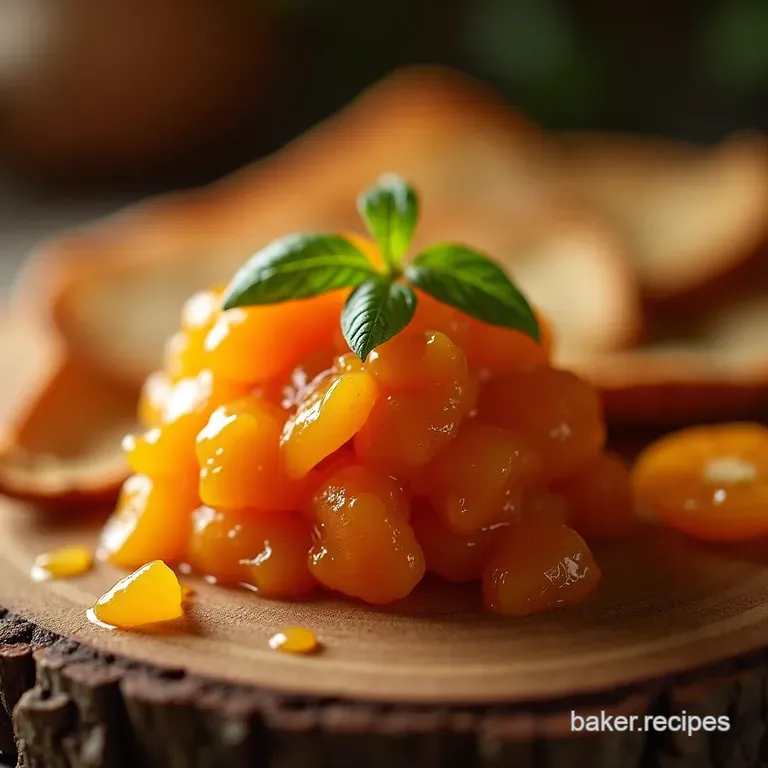
The spices are where we transform simple stewed fruit into a deeply aromatic Indian style chutney experience, though our approach leans toward a broader autumnal spice blend. Selecting whole spices and allowing them to bloom in the heat of the simmering liquid releases essential oils far better than using pre-ground varieties.
This careful selection ensures a more vibrant and less dusty flavour profile in the final preserve.
The Core List: Fruits, Vinegar, and Sweeteners
For our foundational preparation, the key components involve 900g of prepared persimmons, which serve as our base. This is married to one finely diced Granny Smith apple, whose inherent tartness prevents the mixture from becoming cloyingly sweet.
We employ 200g of packed brown sugar, chosen over white sugar for the molasses notes it contributes to the depth of flavour. The essential liquid is 240ml of apple cider vinegar (at 5% acidity), which provides the necessary acidic punch for flavour and preservation.
Aromatically, we include one finely chopped red onion and 15g of fresh, grated ginger. The spices necessary for this specific Persimmon Chutney recipe include whole mustard seeds, ground coriander, and a quarter teaspoon of red pepper flakes for that gentle internal warmth.
Special Equipment Needed for Small Batch Canning
While this recipe is straightforward, success hinges on using the right tools. The most critical piece of equipment is a large, heavy bottomed stainless steel saucepan or a Dutch oven.
Because we are cooking sugar and fruit down for an extended period, a thick base is non-negotiable; it prevents scorching, which ruins the flavour and texture of any chutney intended for long term storage. You will also need a good wooden spoon or heatproof spatula for consistent stirring during the reduction phase.
Selecting Ripe Persimmons: A Quick Buyer’s Guide
When sourcing your fruit, aim for firm, unblemished specimens if you are using Fuyu, which should feel heavy for their size. If Hachiyas are your choice, they must exhibit the characteristic deep orange colour and yield readily to gentle pressure they should feel almost ready to burst.
Never use a persimmon that still feels slightly firm if it is a Hachiya, as the astringent tannins present in immature fruit will make the entire batch inedible.
The step-by-step Alchemy of Cooking Down Fruit
The process of making this preserve is a rewarding journey from raw ingredients to thick, glistening chutney. It requires patience, primarily in the reduction stage, but the active preparation is quick and intuitive.
This procedure is the backbone of the best persimmon chutney recipe you will ever try, delivering rich flavour through gradual concentration.
Prepping the Fruit: Chopping and Initial Maceration
Begin by meticulously preparing your ingredients. Peel and roughly chop the persimmons and finely dice the apple. Finely chop the red onion, ensuring the pieces are small enough to dissolve somewhat during cooking. In your heavy bottomed pot, combine the chopped fruit, onion, brown sugar, and the apple cider vinegar.
Give everything a gentle stir. At this stage, we heat it slowly, just until the sugar has completely dissolved, which usually takes about five to seven minutes over medium heat. This gentle heating helps the fruit begin to release its moisture before the main simmer begins.
Simmering Sequence: Introducing Aromatics and Spices
Once the sugar is melted, it is time to introduce the aromatics and textural elements. Stir in the finely grated fresh ginger, the raisins (or sultanas), the whole mustard seeds, ground coriander, salt, and your chosen amount of red pepper flakes.
Reduce the heat significantly so the mixture maintains a gentle, lazy simmer, stirring periodically perhaps every five to ten minutes initially to ensure nothing adheres to the bottom of the pot.
Testing for Set Point: Ensuring Long Term Stability
The most crucial phase is the reduction. Continue simmering the mixture uncovered for 45 to 60 minutes. The visual cue for readiness is dramatic: the liquid will evaporate, the chutney will shrink considerably, and it should become thick enough to heavily coat the back of your stirring spoon, refusing to run back into the pot easily.
This thickness is vital not just for texture, but for ensuring a stable product whether you are planning to refrigerate or move on to the process for persimmon chutney for canning .
Maximizing Shelf Life: Storing Your Finished Persimmon Chutney
Once the chutney has reached that perfect, jammy consistency, remove it immediately from the heat to halt the cooking process. If you are planning to use it within a few weeks, simply allow it to cool slightly before transferring it into clean, airtight jars and sealing them tightly for refrigeration.
This ensures you have immediate access to your gorgeous cranberry persimmon chutney (if you choose that variation) or the classic ginger version.
Creative Twists: Flavor Variations on the Classic Recipe
While the ginger and mustard seed combination is classic, this recipe serves as a wonderful base for adventurous flavour exploration. The mildness of the persimmon allows it to absorb potent secondary flavours beautifully.
Water Bath Canning vs. Refrigerated Storage Methods
For those who wish to store their chutney outside the refrigerator for up to a year, the water bath canning method is necessary. After filling hot chutney into hot, sterilised jars, ensuring you leave appropriate headspace, the jars must be processed in a boiling water bath.
The standard timing for high acid preserves like chutney is typically 10 minutes (adjusting for altitude), which creates a reliable vacuum seal, solidifying this as a true long term preservation project.
Boosting the Heat: Introducing Chilies and Peppercorns
To lean further into the indian persimmon chutney style, you can increase the heat substantially. Swap the simple red pepper flakes for a finely minced serrano or a small, deseeded jalapeño pepper added alongside the onions.
Alternatively, for a sharper, more complex spice note, incorporate a teaspoon of freshly crushed black peppercorns during the final 15 minutes of simmering.
Nutritional Snapshot: What Makes This Preserve Wholesome
While chutney contains sugar as a necessary component for texture and preservation, this recipe offers significant nutritional benefits derived from the fruit itself. Persimmons are rich in Vitamin A and fibre.
By preparing this homemade persimmon chutney yourself, you maintain control over the ingredients, avoiding unnecessary additives or preservatives often found in commercial counterparts, making it a wholesome, flavour packed addition to any plate.

Recipe FAQs
What sort of persimmons should I use for this Persimmon Chutney? Can I use the hard ones?
That’s an excellent question, as the fruit type is critical! You generally want either fully soft, jelly like Hachiya persimmons, or firm, crisp Fuyu persimmons. If you use a Hachiya, ensure it's completely ripe and squashy, otherwise, you'll get a terribly astringent flavour nobody wants a mouth puckering chutney!
How long will this chutney last, and how should I store it?
If you store it properly in sterilised jars in the fridge, it should keep happily for several weeks, much like a decent jar of Branston Pickle. For longer storage (up to a year), you’ll need to follow proper water bath canning procedures.
Even if you don't preserve it long term, it tastes even better after a week or two, allowing those lovely spices to properly infuse.
My chutney seems a bit runny; how do I know when it's finally thick enough?
Ah, the classic chutney conundrum! It should be thick enough to heavily coat the back of your spoon without immediately running off. When you draw a line through it with your spoon, the line should hold for a moment before the chutney slowly oozes back together.
Remember, it will thicken up significantly more as it cools down, so don't overcook it until it’s solid on the hob.
Can I make this Persimmon Chutney spicier, or perhaps less sweet?
Absolutely! Chutney is brilliant for tweaking to your personal taste. To increase the heat, feel free to double the red pepper flakes or throw in a pinch of dried cayenne pepper. If it’s too sweet, add another splash of the apple cider vinegar that acidity is the key to cutting through the sugar beautifully.
I don't have any raisins; what's a good substitute for texture?
Not to worry if you're missing the raisins; we've all been there when the larder is looking a bit bare! Dried cranberries or chopped dried apricots work brilliantly as substitutes; they offer a similar chewy texture and tart sweetness. Just make sure to chop them finely so they integrate well during the simmer.
Ginger Persimmon Chutney
Ingredients:
Instructions:
Nutrition Facts:
| Calories | 774 kcal |
|---|---|
| Protein | 8.8 g |
| Fat | 9.4 g |
| Carbs | 79.4 g |
| Fiber | 9.9 g |
| Sodium | 162 mg |
