Gordon Ramsay Perfect Mashed Potatoes: the Silken Secret to a Creamy Side
- Achieving the Pinnacle of Creaminess: Why Gordon Ramsay Perfect Mashed Potatoes Rule
- The Science of Silky Smoothness: Technique Over Ingredients
- Essential Components for Gordon Ramsay's Mashed Potatoes (Ingredients Breakdown)
- Mastering the Technique: Step-by-Step Guide to Perfect Mash
- Troubleshooting and Refinement: Chef’s Secrets to Avoid Gluey Mash
- Preparation and Preservation: Making Gordon Ramsay Perfect Mashed Potatoes Ahead
- What to Serve Alongside Your Ultimate Mashed Potatoes? (Pairings)
- Recipe FAQs
- 📝 Recipe Card
Achieving the Pinnacle of Creaminess: Why Gordon Ramsay Perfect Mashed Potatoes Rule
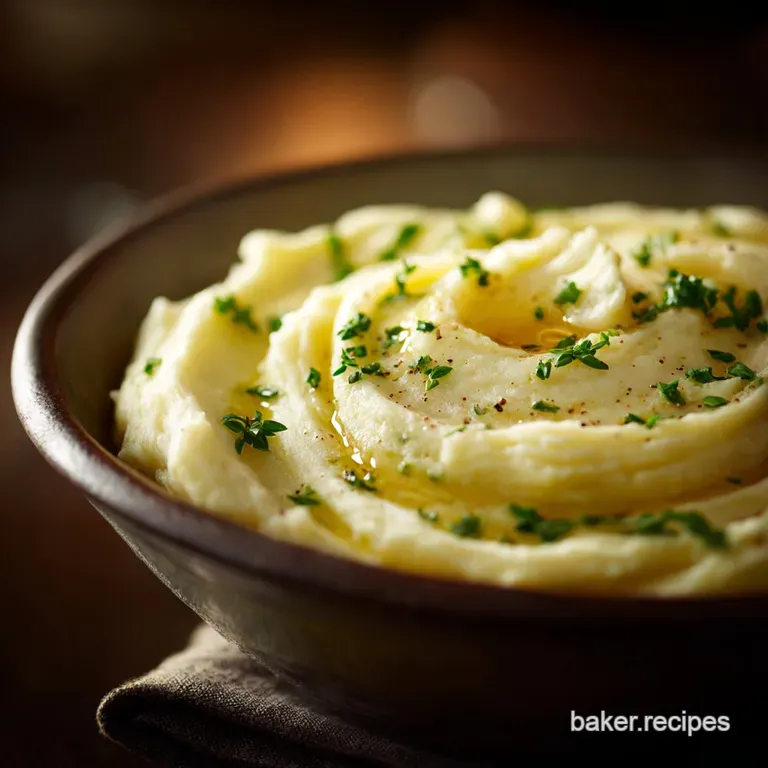
Let me tell you, when you finally nail mashed potatoes, it changes everything. Imagine the aroma: real, rich butter melting, scented delicately with garlic and fresh bay leaf. The texture should be pure velvet, flowing slightly but holding its shape, warm and comforting enough to solve all your problems.
This is not the lumpy, dry disaster you made for Thanksgiving last year.
Forget those complicated, high maintenance holiday sides, because this technique is deceptively simple and wildly effective. You use just a few key ingredients, but you treat them with the respect they deserve. This mash is incredibly rich, undeniably luscious, and totally worthy of the extra stick of butter.
It is truly fast, ridiculously easy, and cheap enough to make every single week.
We are leaving behind the days of watery, gluey mash forever. We are embracing the precision of professional kitchens to make Gordon Ramsay Perfect Mashed Potatoes . Ready to make the best mash you’ve ever tasted? Let's crack on.
Beyond the Side Dish: Defining the Michelin Star Mash
What transforms a basic bowl of potatoes into a professional grade side? It’s two things: technique and fat content. Most home cooks under season and over mix, resulting in that disappointing, slightly grey, gluey texture we all hate.
The key here is high fat dairy, extremely dry potatoes, and almost zero agitation.
The Crucial Difference: Ricing vs. Mashing
If you want mash that tastes like it came from a five star steakhouse, you need to abandon the traditional hand masher. That tool crushes the starches unevenly, activating gluten and creating that gluey, sticky mess. That’s why we use a potato ricer.
The ricer separates the starch granules gently, creating tiny, airy strands that absorb butter beautifully without turning gummy.
Chef’s Note: Using a potato ricer or drum sieve for this recipe is non-negotiable. If you skip this step, you are simply making standard lumpy mash, not The Perfect Mashed Potatoes .
Setting the Stage: What Makes This Recipe Distinct?
The secret to why Gordon Ramsay Perfect Mashed Potatoes stand above the rest is the infusion. We don't just dump cold butter into hot potatoes. We melt the butter and crème fraîche with aromatics garlic and bay leaves to subtly perfume the fat.
This layering of flavor is what provides the deep, satisfying richness, moving the mash far beyond a simple dairy side dish.
The Science of Silky Smoothness: Technique Over Ingredients
The magic of this specific technique is centered on water management. Potatoes are inherently full of water; if you try to add butter and cream to waterlogged mash, you just get a soupy mess.
That’s why we boil them, drain them immediately, and then return them to the empty, hot pot for a crucial 5 minute dry-out session . This residual heat evaporates surface moisture, creating dry, fluffy flour, ready to soak up 8 ounces of beautiful butter.
Dry potatoes absorb fat; wet potatoes create soup. That’s the entire science right there.
Essential Components for Gordon Ramsay's Mashed Potatoes (Ingredients Breakdown)
This recipe is simple, but quality matters. Don't skimp on the fat.
Optimal Potato Selection for Zero Lumps
You must choose high starch potatoes for the fluffiest result. Russets or Idaho potatoes are your best friend here, as their flaky texture easily breaks down during cooking. If you live in the UK, look for Maris Pipers.
| Ingredient | Why it’s Used | Substitution |
|---|---|---|
| Russet/Idaho Potatoes | High starch content, very fluffy when cooked. | Yukon Gold: They are slightly waxier, but their naturally buttery flavor compensates. |
| Unsalted Butter | Fat carrier, crucial for richness. Must be unsalted! | Good Quality Ghee or Vegan Butter Alternative: Needed for the melting/infusion process. |
| Crème Fraîche | High fat, low-lactic acid dairy for smoothness. | Full Fat Sour Cream or Heavy Cream: Use heavy cream sparingly, or sour cream for a slight tang. |
Selecting the Right Dairy Fat: Clarified vs. Standard Butter
We use standard unsalted butter here, but we treat it like clarified butter by infusing it and straining out the solids. Using unsalted allows you to control the final seasoning perfectly.
My biggest mistake when I first tried this was using cold butter and cold milk —the mash seized up and tasted like gritty sadness. Don't do that.
Starch Management: Why Timing the Heat Matters
Always start your peeled and cut potatoes in cold water. This ensures they heat up evenly, preventing the outside from becoming mushy while the inside is still hard. The difference in cooking time between starting cold and starting in boiling water is minimal, but the quality of the cooked potato is vastly superior.
Substitutions for Heavy Cream and Milk
If you can’t find crème fraîche, don't worry! That high fat dairy is just there for stabilization and richness. You can substitute with high-quality, full fat sour cream or a very thick double cream.
Remember, whatever you choose, it must be warm before it hits the riced potato.
Mastering the Technique: step-by-step Guide to Perfect Mash
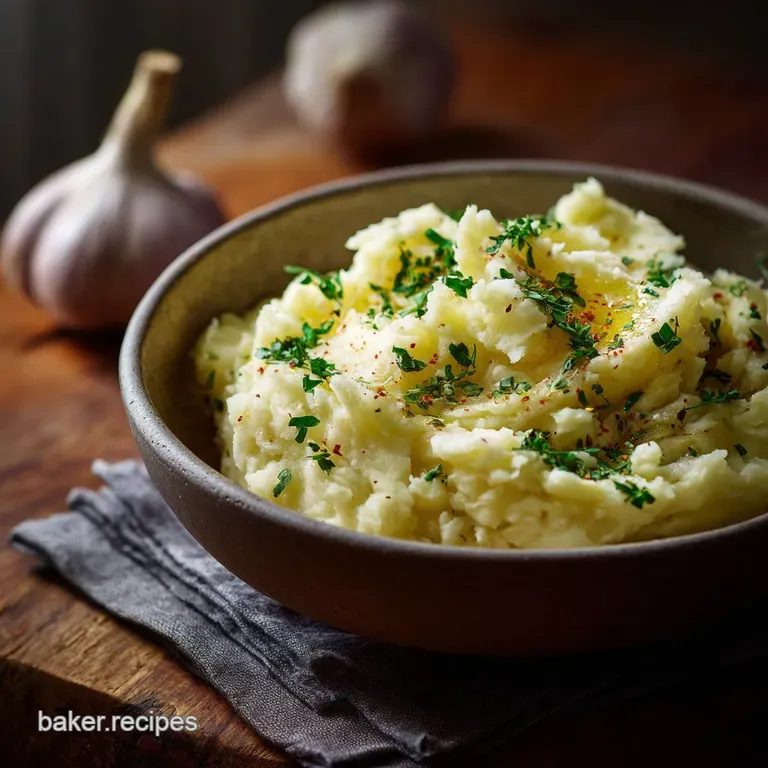
Pay attention to the timing on Steps 4 and 6. They are the keys to professional level results.
Preparing the Potatoes: Peeling, Slicing, and Salting the Water
- Peel your chosen potatoes completely, then cut them into rough 1.5 inch pieces. Keep the sizes as consistent as possible so they cook uniformly.
- Place the cut potatoes in a large stockpot and cover them completely with cold water; add the 2 tablespoons of sea salt. This salts the potato internally.
- Bring the water to a rapid, rolling boil, then reduce the heat to maintain a strong simmer. Cook for 20– 25 minutes until they are fork tender and begin to crumble slightly.
The Triple Melt Infusion: Heating the Butter and Aromatics
- While the potatoes are simmering, place the 8 oz (two full sticks, yes) of butter, crème fraîche, smashed garlic cloves (leave the skins on!), and bay leaves in a small saucepan.
- Warm this mixture over the lowest possible heat. You want the butter fully melted and the mixture piping hot, but definitely not boiling. Let it infuse for at least 5 minutes, smelling the nutty, savory aroma develop. Strain the mixture, discarding the garlic and bay leaves.
The Ricing Stage: Processing the Potatoes While Piping Hot
- Drain the potatoes immediately using a colander. Return the drained potatoes to the empty, hot pot and let them sit off the heat for 5 minutes. Seriously, do this. This is the drying stage.
- Working quickly while they are still steaming, press the hot, dry potatoes through a potato ricer directly into a clean, warm mixing bowl.
Folding in the Dairy: The Final Whipping Motion
- Pour about three quarters of your warm, infused dairy mixture over the riced potatoes. Don't dump it all in yet; we want control.
- Using a rubber spatula, gently fold and scrape the dairy into the potatoes until just combined. Use soft, deliberate strokes we are folding, not whipping.
- Add the remaining dairy mixture, spoon by spoon, until the mash reaches your ideal consistency it should be creamy, silky, and almost pourable.
- Season aggressively with fine salt and white pepper. Taste it! You want the flavor to pop. Serve immediately, garnished with chives.
Troubleshooting and Refinement: Chef’s Secrets to Avoid Gluey Mash
The Cardinal Sin: Why Over Mixing Destroys Texture
Over mixing mash is the fastest way to turn a potential success into an absolute failure. When you agitate potatoes excessively, the starch molecules burst and form long, sticky chains that's the glue. Solution: Once the dairy is added, stop stirring immediately when it looks combined.
Use a rubber spatula for folding; never use a whisk or an electric mixer.
Rescuing Watery Mash: A Fix for Excess Moisture
If your mash is too loose (usually because you skipped the drying step in Stage 2), do not panic, but do not add more butter. Transfer the mash back to a clean, dry saucepan and cook it over extremely low heat for 3– 5 minutes, stirring constantly with a wooden spoon.
This evaporates some of the excess moisture, but be careful not to scorch the bottom.
The Importance of Serving Temperature
Mashed potatoes cool quickly, and when they do, the fat hardens and the texture becomes heavy. Serve this mash in a pre-heated, shallow dish. I swear by serving bowls that have been warmed in a low oven (around 200°F) for ten minutes; it keeps the mash perfect for much longer.
Preparation and Preservation: Making Gordon Ramsay Perfect Mashed Potatoes Ahead
Can You Prepare This Dish in Advance?
You can prepare the elements separately one day ahead, but not the finished mash. Boil and rice the potatoes, let them cool completely, and store them covered in the fridge. Prepare and strain the infused butter mixture and keep it warm in an airtight container.
When you are ready to serve, reheat the riced potatoes gently, heat the dairy piping hot, and then combine immediately.
Reheating Without Compromising Texture
Reheating mashed potatoes can be perilous, but it is possible. Avoid the microwave entirely. To maintain the velvety texture, use a double boiler (bain marie) or a heavy bottomed pot over very low heat. Add a splash of hot milk or extra warmed butter as you gently stir. If you have any leftover mash, I highly recommend using it as the topping for a Leftover Turkey Casserole: The Creamiest Hotpot with Sliced Potatoes .
Reheating Mashed Potatoes (Quick Guide)
| Storage Method | Shelf Life | Reheating Method |
|---|---|---|
| Refrigerator | 3 days | Double Boiler (preferred) or low oven (300°F) covered with foil. Add extra hot milk. |
| Freezer | Up to 1 month | Thaw overnight in the fridge. Reheat in a 350°F oven, covered tightly, until steaming hot. Add fresh butter or cream before serving. |
What to Serve Alongside Your Ultimate Mashed Potatoes? (Pairings)
These aren't just for Thanksgiving, folks. These Gordon Ramsay best mashed potatoes are sophisticated enough for any dinner party.
Classic Gravy Matchups and Sauce Complements
This specific mash is rich enough to stand up to the most intense sauces. A classic red wine reduction or a beef bone broth gravy works absolute wonders. If you're looking for other incredibly creamy sides, you might appreciate my take on Creamy Mashed Potatoes: The Ultimate Silky Smooth Recipe — though this Ramsay version is certainly a winner! If you’re serving fish, a lemon herb butter sauce poured over the top is divine.
For holiday meals, this incredibly rich mash provides a beautiful counterpoint to the sweetness of something like a Sweet Potato Casserole with Marshmallows: Creamy Toasted Perfection . Just make sure you have enough serving spoons, because people will be fighting over the last spoonful.

Recipe FAQs
Why are my mashed potatoes gluey, starchy, or sticky?
This common texture issue is caused by overworking the starch. When potato cells are aggressively blended or whipped, they release excessive starch molecules, resulting in a gummy, unpleasant consistency akin to wallpaper paste.
To prevent this, use a gentle tool like a ricer or a manual hand masher, and stop mixing as soon as the dairy is fully incorporated.
What is the best type of potato for achieving Chef Ramsay’s signature silky texture?
The best choices are high starch varieties, specifically Russets (Idaho potatoes) or slightly less starchy but flavorful Yukon Golds. Russets break down easily and absorb butter and cream beautifully, yielding the ultimate fluffy base.
Do I absolutely need a potato ricer for this recipe?
While technically you can use a fine food mill or a standard masher, the ricer is highly recommended for achieving the perfect lump free, restaurant quality silky texture. The ricer separates the starch cells more gently than mashing, preventing the activation of gluten like starch strands.
My mash tastes bland, even though I added the specified amount of butter. How do I fix the seasoning?
Mashed potatoes require seasoning at two stages: first, ensure the water used for boiling is generously salted, almost tasting like seawater. Second, finish the dish with significant amounts of fine sea salt and fresh cracked black pepper after adding the dairy, tasting frequently to ensure balance.
Can I substitute the heavy cream with lower fat milk or half and-half?
While you can make this substitution, be aware that the final product will lose significant body, richness, and the signature silky mouthfeel. Heavy cream provides the necessary high fat content to stabilize the emulsion and deliver the luxurious texture demanded by this recipe.
How should I store leftover mash and reheat it without it drying out?
Store leftovers in an airtight container in the refrigerator for up to 3 days. To reheat, use a double boiler (bain marie) or a slow cooker on low; stir occasionally and incorporate a small splash of warm cream or milk to restore moisture and texture.
Can I make this recipe dairy-free or vegan?
Yes, this mash adapts well to vegan substitutions if high-quality products are used. Replace the unsalted butter with high fat vegan butter sticks and substitute the heavy cream with full fat coconut cream (using only the solid part) or a rich, unsweetened oat or cashew milk.
Gordon Ramsay Perfect Creamy Mash
Ingredients:
Instructions:
Nutrition Facts:
| Calories | 817 kcal |
|---|---|
| Protein | 8.7 g |
| Fat | 59.1 g |
| Carbs | 65.7 g |
