Grilled Salmon Recipe with Lemon and Herbs
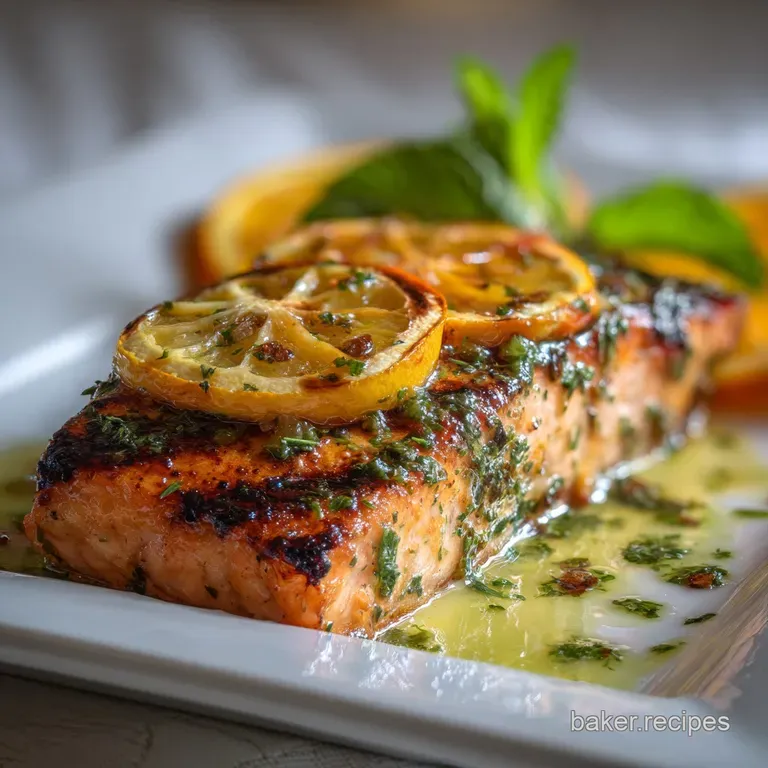
- Time: Active 12 minutes, Passive 8 minutes, Total 20 minutes
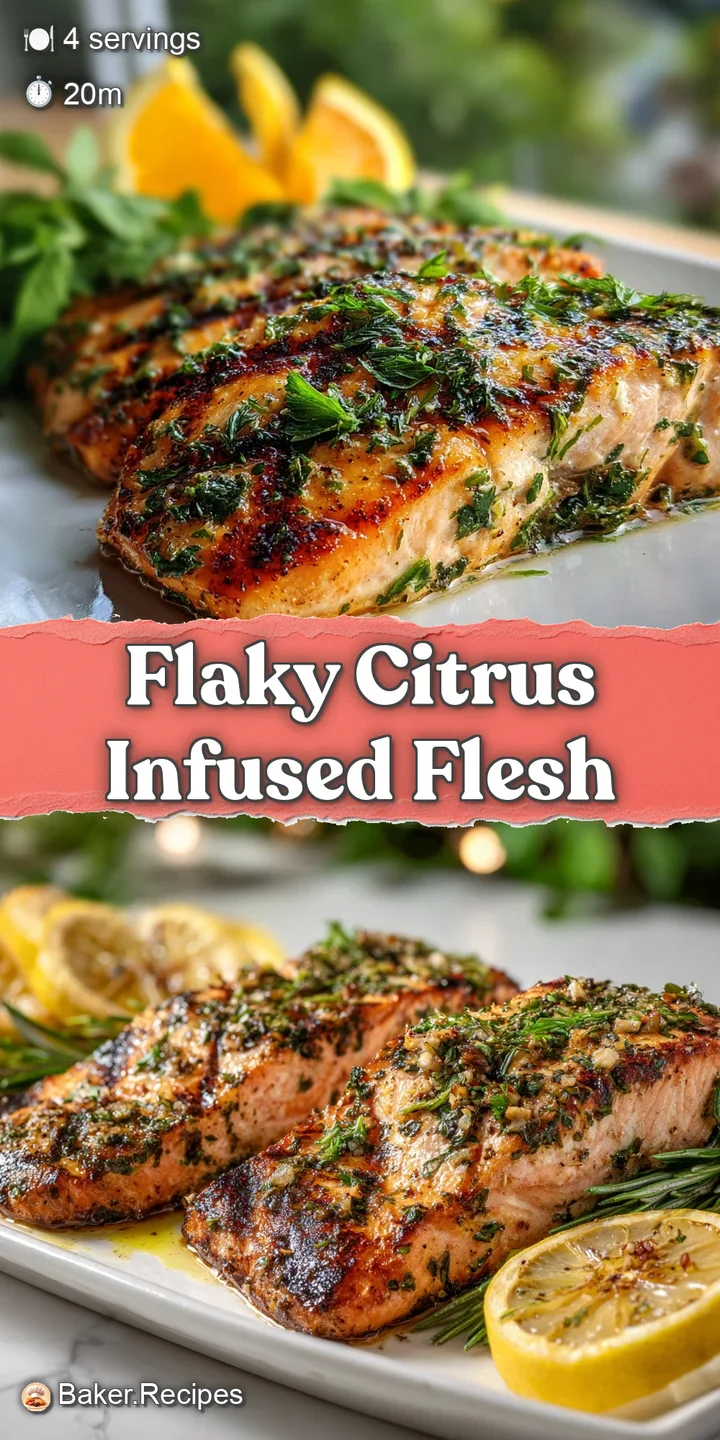
- Flavor/Texture Hook: Flaky citrus infused flesh with a crackling, herby exterior
- Perfect for: Healthy weeknight dinners or impressive but low effort backyard hosting
- The Simple Logic Behind a Grilled Salmon Recipe with Lemon and Herbs
- Precision Planning for Your Four Servings of Grilled Excellence
- Choosing the Right Components for a Zesty Seafood Feast
- Essential Tools for Achieving a Flawless Char and Texture
- A Step by Step Guide to Flaky and Tender Fish
- Correcting Common Pitfalls for the Perfect Outdoor Cooking Experience
- Creative Variations to Customize Your Lemon and Herb Flavors
- Precision Scaling for Groups Large and Small
- Best Practices for Keeping Your Leftover Salmon Fresh and Juicy
- Inspiring Side Dishes to Complete Your Healthy Mediterranean Meal
- Recipe FAQs
- 📝 Recipe Card
Picture this: the sun is setting, the grill is humming with a steady heat, and the moment you lay those fillets down, you hear that distinctive, high pitched sizzle. The air immediately fills with the scent of charred rosemary and bright, zesty lemon.
It’s the kind of aroma that makes the neighbors peek over the fence. This grilled salmon recipe with lemon and herbs will quickly become your go to for a simple, flavorful seafood dinner.
I used to be terrified of grilling fish. I’d end up with half the fillet stuck to the grates and the other half bone dry. But after a few seasons of trial and error, I realized that success isn't about fancy equipment; it’s about understanding how the protein reacts to the flame and how to prep the surface.
We're going for that "shatter crisp" skin and a center that pulls apart in velvety, opaque flakes.
We aren't just cooking dinner here; we’re practicing a bit of backyard alchemy. By the time we’re done, you’ll have a 20 minute meal that feels like it took hours of prep. Trust me on this, once you nail the timing, you’ll never look at a frozen fish stick the same way again.
Let's crack on with the details.
The Simple Logic Behind a Grilled Salmon Recipe with Lemon and Herbs
The beauty of this dish lies in the chemistry between the fats in the fish and the acidity of the citrus. Salmon is a fatty fish, which is exactly why it stands up so well to the aggressive heat of a grill.
As the temperature rises, the connective tissues within the meat break down, and the healthy fats lubricate the fibers, resulting in a buttery mouthfeel that leaner fish like cod just can't match.
The Science of Why it Works
Protein Denaturation: High heat causes the salmon's coiled proteins to unfold and rebond, creating a firm but tender structure that holds onto its natural juices. Maillard Reaction: The interaction between the amino acids and the natural sugars in the lemon zest creates a complex, savory crust that provides a deep flavor profile.
Achieving the Perfect Maillard Reaction
To get that golden brown crust, we need to minimize surface moisture. Water is the enemy of the sear because it absorbs energy to turn into steam rather than browning the protein. I always pat my fillets with paper towels until they are bone dry before adding the oil.
It’s the difference between a grey, steamed fillet and one that has a beautiful, caramelized exterior.
Utilizing Carryover Cooking
One mistake I once made was keeping the fish on the grill until it looked "done" in the center. Big mistake. Salmon continues to cook for several minutes after you pull it off the heat. This is carryover cooking.
If you take it off at 60°C, it will glide right up to the ideal 63°C while it rests on your plate. This ensures the fibers stay supple rather than turning chalky.
Preventing the "White Gunk" (Albumin)
You’ve seen it that white stuff that seeps out of the fish. That’s albumin, a protein that gets pushed out when the muscle fibers contract too quickly from extreme heat. To keep it inside the fish, we start with a room temperature fillet and use a two zone heat setup.
This gentler approach prevents the fibers from squeezing the life out of the meat.
Chef's Tip: For an unconventional flavor boost, freeze your lemon for 15 minutes before zesting. It makes the zest come off in fine, aromatic ribbons that don't clump, and you won't accidentally hit the bitter white pith.
Precision Planning for Your Four Servings of Grilled Excellence
When you're aiming for a 20 minute total time, your prep flow is everything. I like to think of this in three distinct phases: the infusion, the sear, and the rest. Since we are dealing with 4 (170g) center cut fillets, consistency is your best friend.
Choose fillets of similar thickness so they all cross the finish line at the same time.
| Fresh Herbs | Dried Herbs | Why It Works |
|---|---|---|
| Fresh Rosemary/Thyme | Dried Version (use 1/3 amount) | Fresh herbs provide volatile oils and a vibrant green color that won't burn as easily. Note: Dried herbs can taste dusty if not hydrated in oil. |
| Whole Lemon Slices | Bottled Lemon Juice | Fresh slices caramelize on the grill, adding a smoky sweetness. Note: Bottled juice lacks the bright aromatic oils found in the zest. |
Before you even light the coals or turn the dial on the gas, gather your herb rub components. The rosemary and thyme need to be finely minced almost like a powder so they cling to the oil and garlic paste.
If the herbs are too chunky, they’ll just fall through the grates and burn, which isn't the vibe we're going for.
Choosing the Right Components for a Zesty Seafood Feast
Quality matters when the ingredient list is this short. We are looking for center cut fillets because they have a uniform thickness. Tail pieces are thinner and will overcook before the rest of your meal is ready.
I always opt for skin on; it acts as a protective heat shield and provides a satisfying texture contrast once it's rendered and crispy.
- Salmon Fillets: 4 (170g) pieces, preferably skin on. Why this? The skin protects the flesh from drying out and adds essential texture.
- Extra Virgin Olive Oil: 2 tbsp. Why this? It has a high enough smoke point for medium high grilling and adds fruitiness.
- Coarse Sea Salt: 1 tsp. Why this? Larger grains provide a controlled seasoning and help build the crust.
- Cracked Black Pepper: 0.5 tsp. Why this? Freshly cracked pepper has more "bite" than the pre ground dust.
- Organic Lemon: 1 large, zested and halved. Why this? Organic skins aren't waxed, allowing the zest's oils to shine through.
- Garlic: 3 cloves, minced into a paste. Why this? A paste distributes flavor better than chunks, which can burn and turn bitter.
- Fresh Rosemary: 1 tbsp, finely chopped. Why this? Its piney notes are the perfect earthy balance to the bright citrus.
- Fresh Thyme: 1 tbsp leaves. Why this? Thyme adds a subtle floral note that rounds out the herb profile.
- Fresh Parsley: 1 tbsp, chopped. Why this? This is for the finish; it adds a clean, grassy pop of color.
| Original Ingredient | Substitute | Why It Works |
|---|---|---|
| Extra Virgin Olive Oil | Ghee (Clarified Butter) | Ghee has a higher smoke point and adds a rich, nutty flavor. Note: Changes the Mediterranean profile to something more decadent. |
| Fresh Rosemary | Fresh Dill | Dill is a classic pairing with fish. Note: Adds a sweet, anise like flavor instead of earthy pine. |
| Sea Salt | Smoked Salt | Adds an extra layer of "outdoor" flavor without needing a smoker. Note: Use slightly less as the flavor is intense. |
If you find yourself wanting to experiment with the flavor profile before you even hit the grill, you might want to look into a Salmon Marinade Zesty recipe which uses similar ingredients but allows them to penetrate deeper into the flesh over a longer period.
Essential Tools for Achieving a Flawless Char and Texture
You don't need a professional kitchen, but a few specific tools will make your life significantly easier. A long, thin fish spatula is non negotiable. It’s flexible enough to slide under the delicate skin without tearing it. If you try to use a thick burger turner, you’ll likely mangle the fillets.
- Grill (Gas or Charcoal): Ensure it can reach a steady medium high heat.
- Fish Spatula: Flexible metal is best for getting under the skin.
- Instant Read Thermometer: This is the only way to guarantee 63°C perfection.
- Small Mixing Bowl: For whisking your herb and garlic oil.
- Microplane or Grater: To get those fine ribbons of lemon zest.
- Heavy Duty Foil (Optional): If you prefer the "in foil" method for easier cleanup.
I also recommend a sturdy pair of tongs to move the lemon halves around. When you grill the lemons cut side down, the sugars caramelize, making the juice inside sweet and smoky. It’s a small step that makes a massive difference in the final flavor.
A step-by-step Guide to Flaky and Tender Fish
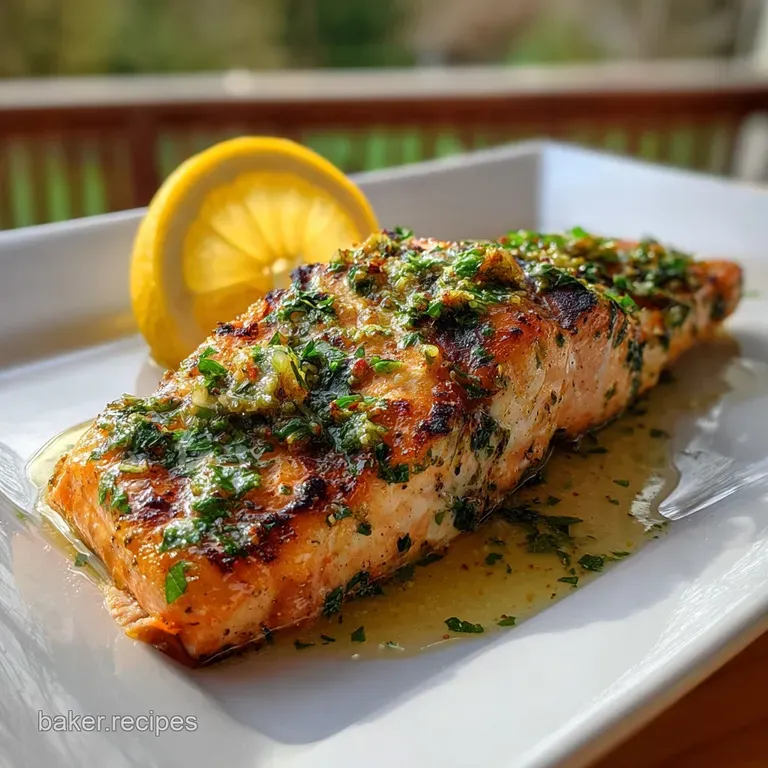
Right then, let's get into the flow. The secret to a stress free cook is having everything ready before the fish touches the heat.
Preparing the Fillets
- Dry the fish. Take your 4 salmon fillets and pat the skin and flesh sides thoroughly with paper towels. Note: Dry skin equals crispy skin.
- Bring to temp. Let the salmon sit at room temperature for about 10 minutes while you prep the herbs. Note: This prevents the exterior from burning while the interior stays raw.
Crafting the Herb Rub
- Mix the aromatics. In a small bowl, combine the 2 tbsp olive oil, 1 tsp salt, 0.5 tsp pepper, lemon zest, minced garlic, rosemary, and thyme.
- Apply the rub. Brush the herb mixture generously over the flesh side of the fillets. Note: Don't oil the skin side yet; we want the grates to do that work.
Mastering the over High heat Sear
- Prep the grates. Clean your grill grates and rub them with an oil soaked paper towel. Cook 4 minutes skin side down over medium high heat until the skin is golden and releases easily.
- The Flip. Carefully slide your fish spatula under the skin and flip the fillets.
- Grill the citrus. Place the lemon halves cut side down on the grill next to the fish.
Finishing with Citrus
- Final cook. Grill for another 3-4 minutes until the thickest part of the fish reaches 63°C and the flesh is opaque.
- Rest. Remove the salmon and the lemons from the grill. Let the fish rest on a warm plate for 3 minutes. Note: This allows the juices to redistribute.
- Garnish. Squeeze the charred lemon juice over the fillets and sprinkle with the fresh parsley.
Chef's Tip: To prevent the garlic from burning and becoming bitter, make sure it is mashed into a very fine paste. The oil will act as a buffer, but if the pieces are too large, they will char unpleasantly.
Correcting Common Pitfalls for the Perfect Outdoor Cooking Experience
Even the pros have bad days. If things aren't going according to plan, don't panic. Most "failures" with grilled salmon are easily fixable or avoidable with a little bit of knowledge.
Why Your Salmon Sticks to the Grates
The most common heartbreak is leaving half your fillet behind on the grill. This usually happens for two reasons: the grill wasn't hot enough, or you tried to flip it too early. When the protein hits a hot surface, it initially bonds, but as it sears and the Maillard reaction occurs, it naturally "releases." If it’s sticking, give it another 30 seconds.
Why Your Salmon is Dry and Chalky
This is almost always a result of overcooking. Because salmon is lean compared to beef, the window between "perfect" and "overdone" is about 60 seconds. Use that thermometer! Once it hits 60-61°C, pull it off. The carryover heat will take it the rest of the way.
| Problem | Root Cause | Solution |
|---|---|---|
| Skin is soggy | Surface moisture on skin | Pat dry with paper towels and start skin side down on high heat. |
| Bitter herb flavor | Herbs burned over direct flame | Keep the herb rub on the flesh side; grill the skin side longer. |
| Fish falls apart | Moving the fish too often | Leave it alone! Only flip once after the skin has naturally released. |
Creative Variations to Customize Your Lemon and Herb Flavors
While the rosemary thyme combo is a classic, the "grilled salmon recipe with lemon and herbs" is a template you can build upon. Depending on what's in your garden or pantry, you can shift the geography of the dish entirely.
Adding a Mediterranean Twist
Swap the rosemary for dried oregano and add a teaspoon of lemon zest mixed with crumbled feta after cooking. This version pairs beautifully with a cucumber and tomato salad. The saltiness of the feta cuts through the rich oils of the salmon in a way that is incredibly refreshing.
Creating a Spicy Citrus Version
If you like a bit of heat, add a half teaspoon of red pepper flakes to the herb rub. The heat from the grill toasts the flakes, releasing their capsaicin into the oil and infusing the whole fillet with a gentle, smoky warmth.
Decision Shortcut
- If you want a smokier flavor, use a cedar plank or add a handful of soaked wood chips to the coals.
- If you want a cleaner cleanup, use the "Grilled salmon recipe with lemon and herbs in foil" method by sealing the fillets in a foil packet with the oil and herbs.
- If you want a richer finish, top the hot fillets with a pat of compound butter immediately after removing them from the grill.
Precision Scaling for Groups Large and Small
Scaling fish is generally straightforward, but you have to be careful with your seasoning ratios. You don't want to simply quadruple the salt if you're cooking for a crowd, as it can quickly become overpowering.
- Scaling Down (1-2 servings): Use a smaller pan or a concentrated area of the grill. You can use a single large fillet and cut it after cooking to maintain moisture. Reduce the total cook time by about 20% if the fillets are thinner.
- Scaling Up (8-12 servings): Don't crowd the grill! Work in batches if necessary. For the rub, use the full amount of herbs but only 1.5x the salt and spices. You can keep the first batch warm in a 90°C oven while you finish the rest.
In terms of liquid, if you're making a side sauce or an extra lemon drizzle, reduce the total liquid volume by about 10% when scaling up, as the larger volume of fish will release more of its own natural juices during the resting phase.
Best Practices for Keeping Your Leftover Salmon Fresh and Juicy
Leftover salmon can be a blessing or a curse. If you reheat it poorly, it becomes a rubbery mess. But if you treat it right, it's the star of your lunch the next day.
- Storage: Place leftovers in an airtight glass container within 2 hours of cooking. It will stay fresh in the fridge for up to 2 days.
- Freezing: You can freeze cooked salmon for up to 2 months. Wrap it tightly in plastic wrap and then in foil to prevent freezer burn. To thaw, leave it in the fridge overnight.
- Zero Waste Tip: Don't toss those herb stems or the squeezed lemon rinds! Toss them into a pot of water with some salt and use it as a poaching liquid for shrimp, or throw the rinds onto the coals next time you grill to add a citrusy scent to the smoke.
- Leftover Ideas: Flake the cold salmon into a salad, or mix it with a bit of Greek yogurt and capers for a quick salmon salad sandwich.
Inspiring Side Dishes to Complete Your Healthy Mediterranean Meal
The high fat, high acid profile of this grilled salmon cries out for something starchy or crisp to balance the plate. I personally love serving this over a bed of fluffy quinoa or alongside some charred asparagus. The rosemary in the fish rub ties in beautifully with roasted root vegetables as well.
If you’re looking for a bit more decadence, you could whip up a Lemon Butter Sauce recipe to drizzle over the top just before serving. The extra fat from the butter makes the whole meal feel like a special occasion. Alternatively, if you want to keep things light, a simple drizzle of high-quality balsamic glaze can provide a sweet contrast to the savory herbs.
Shedding Light on Common Seafood Myths
It’s time we put a few old wives' tales to rest. One of the biggest myths is that you should "seal in the juices" by searing the meat. Science tells us that moisture loss happens regardless of the sear; the crust is purely for flavor and texture.
Another myth is that fish must be "white and flaky" all the way through to be safe. Actually, salmon is best enjoyed medium rare to medium (about 52-55°C for the center), though the official recommendation for complete safety is 63°C.
Whether you're a seasoned griller or this is your first time lighting the fire, this recipe is designed to be forgiving. Focus on the temperature, keep your skin dry, and let the fresh herbs do the heavy lifting. You've got this!
Recipe FAQs
What temperature should grilled salmon be cooked to?
63°C (145°F) is the recommended safe internal temperature for salmon. For a more tender, medium result, pull it off the grill when it reaches 60-61°C, as it will continue to cook from residual heat.
Why does my salmon stick to the grill?
The grill grates weren't hot enough, or you tried to flip the fish too soon. Salmon needs to develop a sear to release naturally; if it's sticking, give it another 30 seconds over medium high heat.
How can I prevent salmon from drying out when grilling?
Don't overcook it and pat the fish completely dry before grilling. Use an instant read thermometer to monitor the internal temperature, pulling it off when it's just shy of the final target to account for carryover cooking.
Can I use dried herbs instead of fresh for grilled salmon?
Yes, but use about one-third the amount of dried herbs compared to fresh. Fresh herbs offer more vibrant oils and color, while dried herbs can sometimes taste dusty if not properly hydrated in the oil mixture.
What's the best way to get crispy skin on grilled salmon?
Start by ensuring the skin is perfectly dry and the grill grates are clean and well oiled. Place the salmon skin side down over medium high heat and let it cook undisturbed until the skin naturally releases.
How do I avoid the white foamy stuff (albumin) on my salmon?
Start with room temperature fillets and a two-zone heat setup on your grill. This gentler approach prevents the muscle fibers from contracting too rapidly and squeezing out the albumin.
What side dishes pair well with grilled salmon with lemon and herbs?
Simple, fresh sides are best. Consider a crisp green salad, roasted asparagus, or quinoa. For something richer, a quick lemon butter sauce complements the dish beautifully.
Grilled Salmon Lemon Herbs
Ingredients:
Instructions:
Nutrition Facts:
| Calories | 418 kcal |
|---|---|
| Protein | 34.8 g |
| Fat | 28.4 g |
| Carbs | 2.1 g |
| Fiber | 0.6 g |
| Sugar | 0.4 g |
| Sodium | 612 mg |
