Homemade Chicken Noodle Soup: Rich and Vibrant
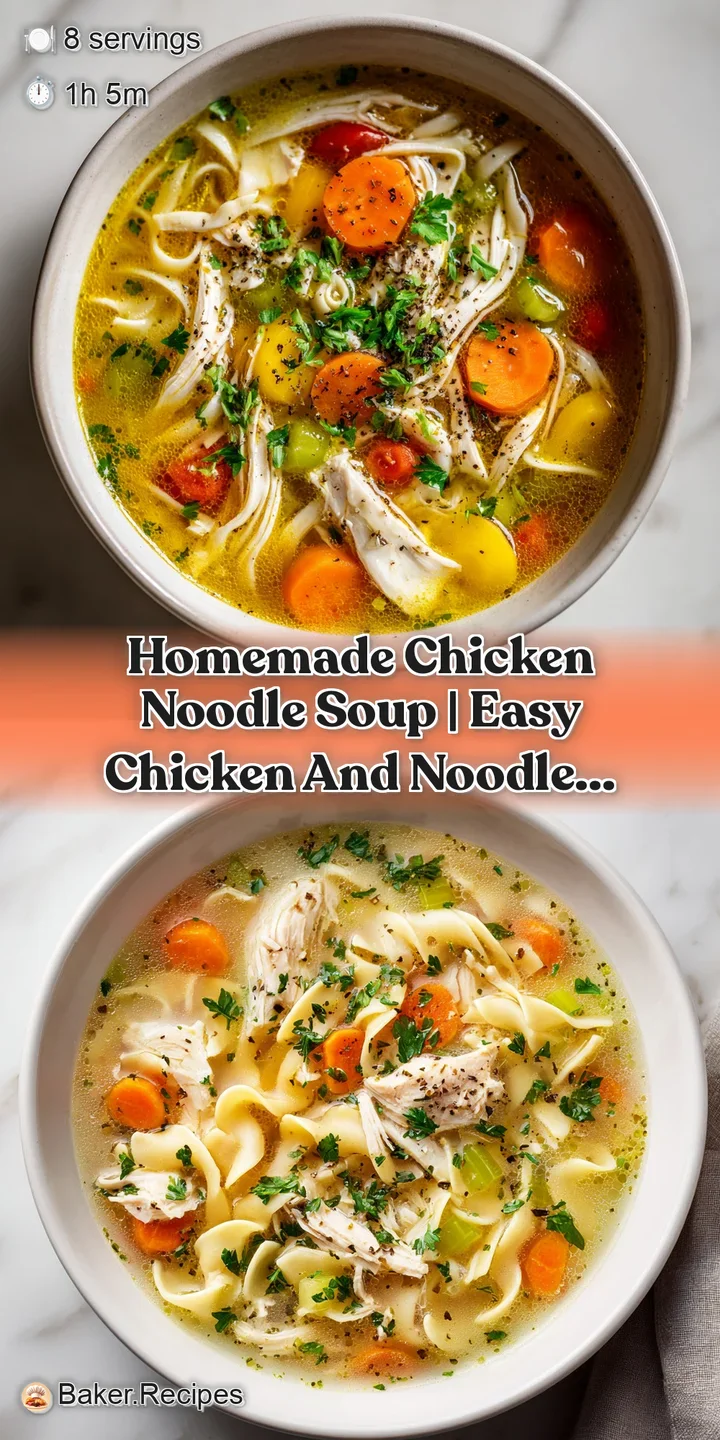
- Time: Active 20 minutes, Passive 45 minutes, Total 65 minutes
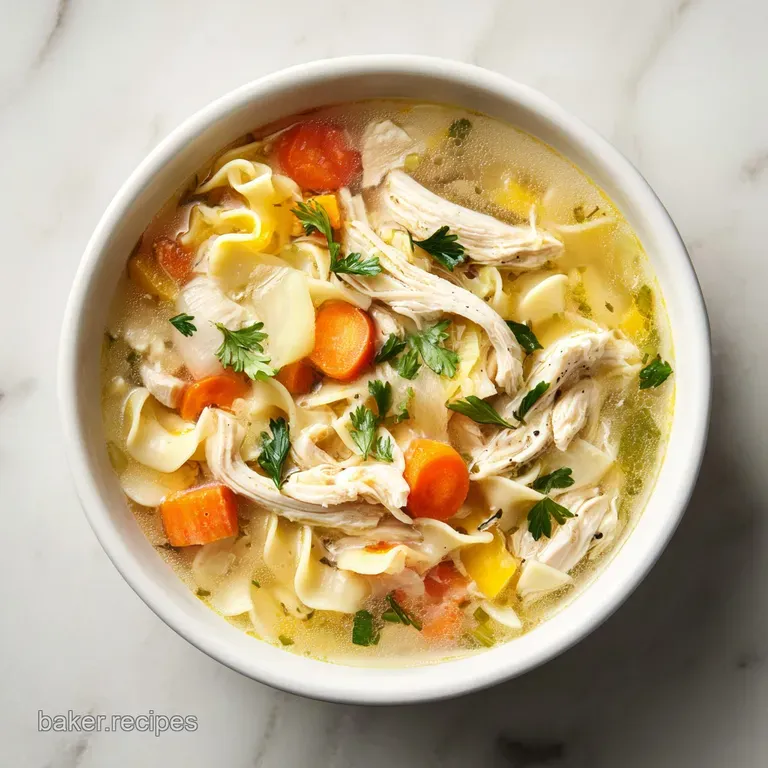
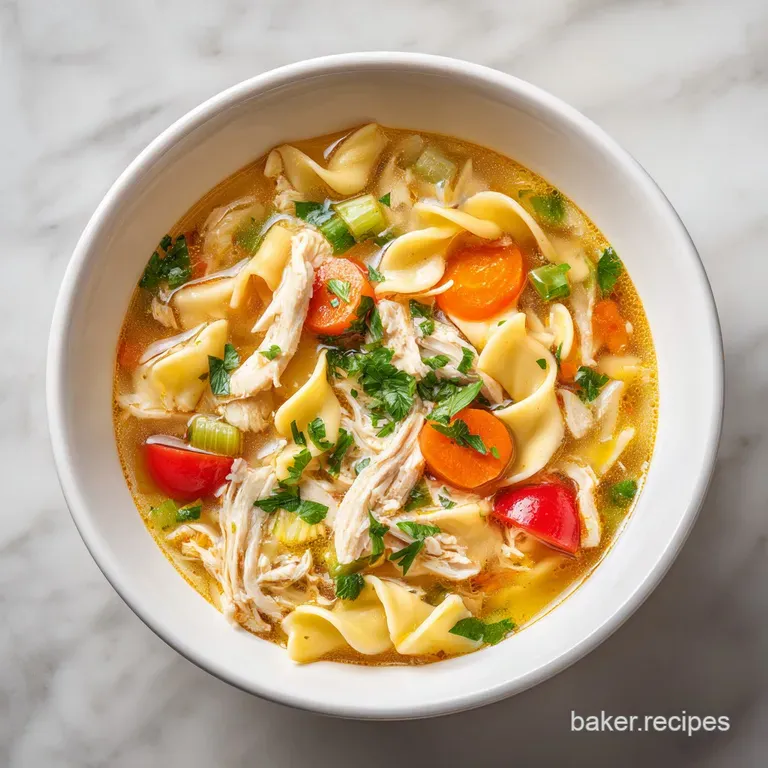
- Flavor/Texture Hook: Silky, savory broth with tender, shredded chicken and velvety egg noodles
- Perfect for: Cold season comfort, fighting off the sniffles, or a lazy Sunday family dinner
- The Ultimate Comforting Homemade Chicken Noodle Soup
- Why This Recipe Works
- Essential Elements For Deep Flavor
- Gathering Your Essentials
- Tools For A Smooth Process
- Step By Step Cooking Process
- Fixing Common Soup Blunders
- Scaling For A Crowd Or A Couple
- Kitchen Myths Debunked
- Keeping Leftovers Fresh And Tasty
- Best Ways To Serve Soup
- Very High in Sodium
- Recipe FAQs
- 📝 Recipe Card
The Ultimate Comforting Homemade Chicken Noodle Soup
Picture this: it is Sunday afternoon, the sky is a bruised shade of grey, and there is a persistent drizzle tapping against your kitchen window. You pull out your heavy Dutch oven, and the moment that hunk of butter hits the warm metal, it starts to foam and sizzle, releasing that nutty aroma that signals something good is happening.
This is the magic of a proper homemade chicken noodle soup, a dish that is less about following a strict set of rules and more about creating a feeling of total safety in a bowl.
I remember one specific winter when everyone in my house was down with a brutal cold. I was exhausted, but I stood over the stove, mindlessly dicing carrots and celery. As the chicken simmered and the steam started to fog up my glasses, the kitchen began to smell like my grandmother's house.
There is something about the combination of dried thyme and simmering chicken stock that acts like a reset button for the soul. It is not just dinner, it is a restorative ritual that transforms basic pantry staples into liquid gold.
What we are making here is the gold standard version. We are not cutting corners with flavorless breast meat or skipping the aromatic sauté. We are going for bone in thighs because they bring the fat and collagen we need for a silky mouthfeel.
You will see how a simple splash of lemon juice at the end cuts through the richness, making every spoonful taste bright and alive. Trust me, once you smell this bubbling on your stove, you will never look at a red and white can the same way again.
Why This Recipe Works
There is actual logic behind why this specific method produces such a satisfying result, and it is not just about luck. It comes down to how we handle the proteins and the aromatics to build layers of flavor that persist from the first sip to the last.
- Collagen Release: Using bone in, skin on thighs allows the connective tissue to break down into gelatin during the 35 minutes simmer, giving the broth a velvety body you cannot get from lean meat.
- The Aromatic Base: Sautéing the mirepoix (onions, carrots, celery) in butter for 6 to 8 minutes initiates the Maillard reaction, which creates complex, savory compounds that form the backbone of the soup.
- Sequential Cooking: Adding the noodles only in the final 6 to 8 minutes ensures they stay "al dente" and do not soak up all the broth or turn into a mushy mess while sitting.
- Acid Balancing: The addition of fresh lemon juice at the very end acts as a flavor "brightener," reacting with the salt to make the savory notes pop without making the soup taste sour.
| Chicken Thickness | Internal Temp | Rest Time | Visual Cue |
|---|---|---|---|
| Standard Thigh | 165°F | 5 minutes | Meat pulls easily from bone |
| Large Thigh | 165°F | 8 minutes | No pink near the joint |
| Drumsticks | 165°F | 5 minutes | Juices run completely clear |
When you are aiming for that deep, savory "umami" punch in your cooking, the foundation matters just as much as the main ingredient. If you ever find yourself wanting to experiment with these savory profiles in other dishes, you might find my Umami Bomb Marinade really interesting for understanding how different liquids interact with proteins. In this soup, the "umami" comes from the slow cooked chicken bones and the concentrated stock, which provides a much more robust experience than plain water ever could.
Essential Elements For Deep Flavor
Choosing the right components is the difference between a thin, watery liquid and a hearty meal. We are looking for ingredients that contribute texture, aroma, and a sense of "wholeness" to the pot.
| Ingredient | Science Role | Pro Secret |
|---|---|---|
| Bone in Thighs | Fat & Gelatin | Leave the skin on during the simmer; it adds incredible richness to the liquid. |
| Wide Egg Noodles | Starch Thickener | These noodles contain more egg yolk, helping them hold their shape in hot broth. |
| Unsalted Butter | Fat Carrier | Butter carries the volatile aromas of the thyme and garlic better than olive oil. |
| Fresh Lemon | pH Balancer | The acidity "unlocks" hidden flavors in the chicken stock that salt alone can't reach. |
Every single item in this list has a job to do. I have tried making this with olive oil when I was out of butter, and while it works, you lose that specific "bakery adjacent" scent that only butter provides when it hits the onions. It is those small choices that define the final character of your soup.
Gathering Your Essentials
Right then, let's look at what you need to pull from the pantry and the fridge. Most of this is likely already hanging out in your crisper drawer, but the quality of your chicken and stock will really dictate the "wow" factor here.
- 2 tbsp unsalted butter: Why this? Provides a rich, creamy base for sautéing the vegetables.
- 3 large carrots, sliced into 1/4 inch coins: Why this? Adds natural sweetness and a necessary pop of color.
- 3 stalks celery, sliced into 1/4 inch crescents: Why this? Provides the "earthy" base note essential for traditional soup.
- 1 large yellow onion, finely diced: Why this? Melts into the broth to create a savory foundation.
- 4 cloves garlic, smashed and minced: Why this? Adds a sharp, aromatic punch that mellows as it simmers.
- 1 tsp dried thyme: Why this? The classic "chicken soup" herb that stands up to long simmering.
- 1 bay leaf: Why this? Adds a subtle, floral background note you'd miss if it were gone.
- 2 lbs bone in, skin on chicken thighs: Why this? Thighs stay juicy and the bones enrich the broth naturally.
- 8 cups chicken stock: Why this? The liquid gold that determines the overall depth of the dish.
- 2 tsp sea salt: Why this? Enhances every other flavor; use more or less to your preference.
- 1 tsp cracked black pepper: Why this? Provides a gentle back of-the throat heat.
- 8 oz wide egg noodles: Why this? The ultimate comfort texture thick, soft, and satisfying.
- 1/4 cup fresh parsley, finely chopped: Why this? Adds a burst of freshness and "green" flavor at the finish.
- 0.5 lemon, juiced: Why this? The secret weapon that makes the whole pot taste "awake."
For the substitutions, here is how you can pivot if you are missing something.
| Original Ingredient | Substitute | Why It Works |
|---|---|---|
| Unsalted Butter | Ghee | Same fat content with a nuttier flavor and higher smoke point. |
| Chicken Thighs | Rotisserie Chicken | Fast and convenient. Note: You will lose the collagen from the raw bone simmer. |
| Wide Egg Noodles | Fusilli Pasta | Spirals hold the broth well, though the texture is firmer than egg noodles. |
| Fresh Parsley | Fresh Dill | Adds a bright, citrusy, and slightly "pickled" vibe common in Eastern Europe. |
If you are a fan of hearty, vegetable forward meals, you might also want to check out this Classic Irish Vegetable Soup which uses a similar aromatic base but focuses entirely on the garden's bounty. It is a great one to have in your back pocket for meatless Mondays or when you just want something lighter.
Tools For A Smooth Process
You do not need a kitchen full of high tech gadgets for this, but a few key items will make your life much easier. I have made this in a thin stainless steel pot before, and the bottom scorched because the heat was too uneven. Learn from my mistakes and go for the heavy stuff.
- 6 Quart Dutch Oven: This is the MVP. The heavy bottom prevents the vegetables from burning and the thick walls hold a steady simmer, which is crucial for tender chicken.
- Chef's Knife: A sharp knife makes quick work of those carrots and onions. If your knife is dull, you will end up "crushing" the onion rather than dicing it, which releases more of the gases that make you cry.
- Tongs: These are essential for fishing the hot chicken thighs out of the liquid. Don't try to use a fork; you will likely drop the chicken and splash yourself with hot broth.
- Slotted Spoon: Perfect for skimming any foam that rises to the top during the initial simmer or for testing a noodle's doneness.
step-by-step Cooking Process
Now we get to the fun part. The house is about to start smelling incredible. Follow these steps closely, especially the timing for the noodles, to ensure everything finishes at the same peak of quality.
- Melt the unsalted butter in a 6 quart Dutch oven over medium heat. Note: Wait until the foaming subsides before adding your vegetables to ensure the pan is hot enough.
- Add the sliced carrots, celery, and diced onion. Sauté for 6 to 8 minutes until the onions are translucent and the carrots are slightly softened. This step is vital for building the flavor base.
- Add the minced garlic and dried thyme, stirring for 60 seconds until fragrant. Note: Don't let the garlic brown, or it will turn bitter and ruin the broth.
- Nestle the bone in, skin on chicken thighs into the vegetable base and pour in the 8 cups of chicken stock.
- Bring the liquid to a gentle simmer, then cover the pot partially. Cook for 30 to 35 minutes until the chicken reaches an internal temperature of 165°F.
- Using tongs, remove the chicken from the pot and place it on a clean cutting board. Remove and discard the skin and bones, then shred the meat into bite sized pieces.
- Return the shredded meat to the pot and bring the liquid back to a very gentle boil.
- Add the wide egg noodles to the simmering broth and cook according to the package directions, usually about 6 to 8 minutes, until they are tender but still have a bit of bite.
- Stir in the fresh parsley and lemon juice. Give it a good stir to distribute the brightness throughout the pot.
- Season with additional sea salt and black pepper to taste before serving in deep, warmed bowls.
| Fresh Approach | Shortcut Method | Difference |
|---|---|---|
| Bone in Thighs | Pre cooked Breast | Fresh has 50% more moisture and richness. |
| Sautéed Veggies | Frozen Veggie Mix | Fresh veggies have a better crunch and sweeter flavor. |
| Homemade Stock | Water + Bouillon | Stock provides a "mouthfeel" that water lacks entirely. |
Fixing Common Soup Blunders
Even the simplest dishes can go sideways if you aren't paying attention. Most soup problems are easily fixed if you catch them early enough.
Why My Broth Looks Cloudy
A cloudy broth usually happens if you boil the soup too vigorously. When the liquid bubbles wildly, it emulsifies the fats and proteins back into the water. To keep it clear, keep the heat at a "lazy simmer" where only a few bubbles break the surface every second.
The Soup Tastes Flat
If you have added salt but it still feels like it is "missing something," it is almost always a lack of acidity. This is why the lemon juice is non negotiable. The acid acts as a magnifying glass for the other flavors. If you are out of lemon, a teaspoon of apple cider vinegar will do the trick.
My Noodles Disappeared
If you leave the noodles in the soup for a long time, or if you reheat the soup the next day, the noodles will continue to absorb liquid until they become bloated and soft. If you know you will have leftovers, I actually recommend cooking the noodles separately and adding them to each bowl individually.
| Problem | Root Cause | Solution |
|---|---|---|
| Too Salty | Broth reduced too much | Add a splash of water or a peeled potato to absorb salt. |
| Greasy Surface | Too much chicken fat | Chill the soup and scrape the top, or use a paper towel to blot. |
| Tough Chicken | Undercooked | Simmer for an extra 5-10 minutes until it shreds easily. |
Common Mistakes Checklist
- ✓ Never boil the chicken - a hard boil toughens the muscle fibers; keep it at a simmer.
- ✓ Don't skip the sauté - raw vegetables boiled in water taste "thin" and metallic.
- ✓ Remove the bay leaf before serving - it is a choking hazard and has done its job.
- ✓ Season at the end - as the broth reduces, the saltiness concentrates, so final adjustments are best at the finish.
- ✓ Let the chicken rest - wait 5 minutes after removing from the pot before shredding so the juices stay in the meat.
Scaling For A Crowd Or A Couple
If you are cooking for a large family gathering or just for yourself, you can easily adjust this recipe.
- To Scale Down (1/2 batch): Use 1 lb of chicken and 4 cups of stock. You can still use a single egg noodle package, but just use half of it (4 oz). Since you are using less liquid, it might reach a boil faster, so keep an eye on it. Use a smaller 3 or 4 quart pot so the chicken stays submerged.
- To Scale Up (2x batch): Use 4 lbs of chicken and 16 cups of stock. You will need a massive 10 or 12 quart stockpot. Pro Tip: Don't double the salt immediately. Start with 3 tsp and work your way up, as saltiness doesn't always scale linearly. You may need to simmer the chicken for an extra 10 minutes because the sheer volume of cold meat will drop the temperature of the stock significantly.
| Servings | Chicken Amount | Stock Needed | Pan Size |
|---|---|---|---|
| 2 people | 0.5 lbs | 2 cups | Small Saucepan |
| 4 people | 1 lb | 4 cups | 4 quart Pot |
| 8 people | 2 lbs | 8 cups | 6 quart Dutch Oven |
| 16 people | 4 lbs | 16 cups | 12 quart Stockpot |
Kitchen Myths Debunked
One common misconception is that you must sear the chicken skin until crispy before adding the stock. While browning meat adds flavor, for this specific soup, we want the fat to render slowly into the liquid to create that "velvety" texture. Searing can sometimes make the meat tougher in a quick simmer.
Another myth is that "more herbs equals more flavor." If you go overboard with the dried thyme, the soup will end up tasting medicinal or like soap. Stick to the teaspoon; it is plenty to perfume the entire 8 cups of stock without overwhelming the delicate flavor of the chicken.
Keeping Leftovers Fresh And Tasty
Storage: This soup will stay happy in the fridge for up to 4 days. As mentioned, the noodles will soak up the broth over time, so you might find yourself with a "stew" the next day. Simply add a splash of water or extra stock when reheating to bring it back to a soup consistency.
Freezing: You can freeze the broth and chicken for up to 3 months. However, do not freeze the noodles. They turn into a strange, grainy mush when thawed. If you plan to freeze the soup, make the base, freeze it, and then add fresh noodles when you thaw and reheat it on the stove.
Zero Waste Tip: Don't toss those parsley stems! Chop them finely and sauté them right along with the onions and celery. They hold a ton of flavor that usually gets wasted.
Also, keep your onion skins and carrot peels in a bag in the freezer once the bag is full, boil them with some water to make your own "scrap stock" for the next batch!
Best Ways To Serve Soup
Serving this homemade chicken noodle soup is all about the "dunk factor." I always put a plate of buttered sourdough or crusty baguette in the center of the table. The bread acts like a sponge for that rich broth.
For a bit of extra texture, a handful of oyster crackers or even some crushed saltines adds a nostalgic crunch that reminds me of being a kid. If you want to go a bit more modern, a tiny drizzle of high-quality extra virgin olive oil and a few extra cracks of black pepper right before serving can add a sophisticated layer of flavor.
Whatever you do, make sure the bowls are deep and the spoons are big. This is food meant to be enjoyed slowly, with both hands wrapped around the bowl to catch the warmth.
I have found that the fresh parsley is really the key to the visual appeal. Without it, the soup is a bit "monochrome" with all the yellows and oranges. That bright green punch makes it look as vibrant as it tastes. Enjoy every spoonful you have earned it!
Very High in Sodium
945 mg of sodium per serving (41% of daily value)
The American Heart Association recommends limiting sodium intake to less than 2,300mg per day, with an ideal limit of less than 1,500mg for most adults.
Tips to Reduce Sodium
-
Swap High Sodium Stock-30%
Replace the 8 cups of regular chicken stock with low-sodium or no-salt added chicken stock. This is the biggest contributor to sodium in the dish.
-
Halve Added Salt-25%
Reduce the 2 tsp of sea salt by half, using only 1 tsp. You can always add more to taste at the end if needed.
-
Boost Flavor with Herbs & Spices
Continue using the dried thyme and cracked black pepper. Consider adding fresh or dried herbs like rosemary or sage, and a pinch of cayenne pepper for a flavor kick without sodium.
-
Embrace Citrus Brightness-5%
The 0.5 lemon juice is great for brightening flavors. Consider adding a little more lemon zest or a splash of vinegar at the end to enhance the overall taste perception, masking the need for salt.
-
Enhance Vegetable Sweetness-5%
Sautéing the carrots, celery, and onion until well caramelized will bring out their natural sweetness and depth of flavor, reducing reliance on salt.
Recipe FAQs
What ingredients go in chicken noodle soup?
Use only the essentials for the best flavor. This recipe requires unsalted butter, carrots, celery, yellow onion, garlic, dried thyme, a bay leaf, bone-in skin-on chicken thighs, chicken stock, sea salt, cracked black pepper, wide egg noodles, fresh parsley, and fresh lemon juice.
What is the secret ingredient in secret ingredient noodle soup?
Fresh lemon juice is the final touch. Adding it just before serving brightens the heavy, savory notes of the chicken stock and provides a necessary acidic lift.
What is the secret to great chicken noodle soup?
Master the sautéing phase to build your flavor foundation. If you enjoyed mastering the vegetable caramelization technique here, you will find the same principle of developing deep flavor via heat control applies to many other savory soups.
What are common mistakes when making chicken soup?
Never let the pot reach a hard boil. A rapid boil toughens the chicken muscle fibers; keeping the liquid at a gentle simmer ensures the meat remains tender.
How to ensure the vegetables have the right texture?
Sauté the carrots, celery, and onion for 6 8 minutes. This process softens them slightly and initiates the Maillard reaction, preventing the metallic "boiled" taste that occurs when raw vegetables are added directly to the stock.
How to prep the chicken for the best texture?
Remove the chicken from the pot and let it rest for 5 minutes before shredding. This resting period allows the juices to reabsorb into the fibers, keeping the meat moist rather than dry and stringy.
Is it true that I should season the soup at the very beginning?
No, this is a common misconception. You should reserve your final adjustments of sea salt and black pepper for the very end, as the concentration of flavors changes as the broth simmers and reduces.
Homemade Chicken Noodle Soup
Ingredients:
Instructions:
Nutrition Facts:
| Calories | 312 kcal |
|---|---|
| Protein | 22.6 g |
| Fat | 11.8 g |
| Carbs | 28.5 g |
| Fiber | 2.4 g |
| Sugar | 3.8 g |
| Sodium | 945 mg |
