Honey Mustard Chicken: Glossy Glaze Technique
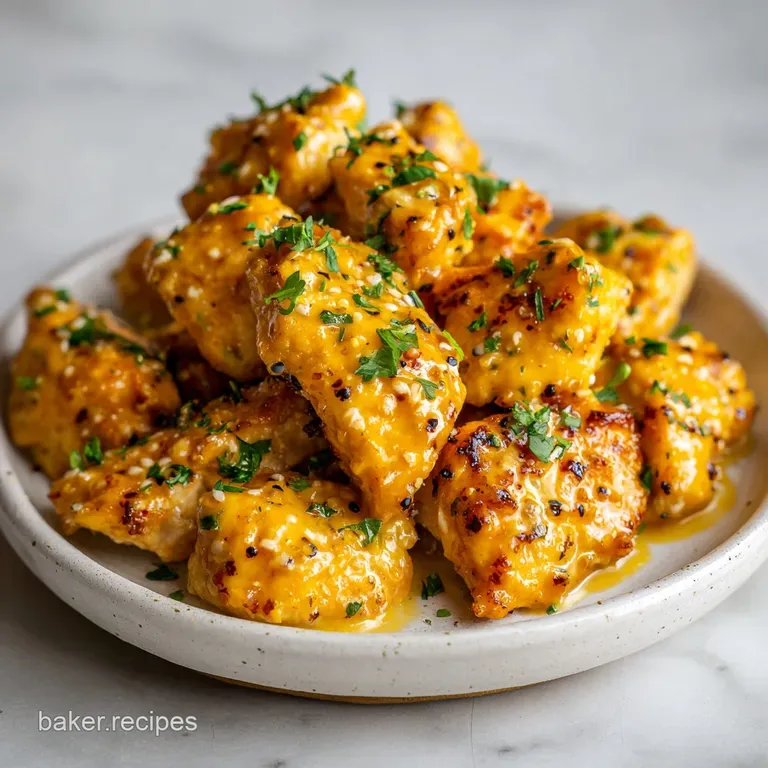
- Time: Active 10 minutes, Passive 15 minutes, Total 25 minutes
- Flavor/Texture Hook: Tangy, velvety glaze with smoky undertones
- Perfect for: Busy weeknights or impressive last minute entertaining
- Achieving a Golden Crust on Honey Mustard Chicken
- Quick Specs for This Twenty Five Minute Meal
- Selecting the Best Ingredients for the Ultimate Glaze
- Essential Kitchen Tools for a Faster Cleanup Process
- Mastering the Technique for Silky Pan Sauce Results
- Solving Texture Issues and Common Glaze Mistakes Safely
- Creative Ways to Customize the Sweet Heat Profile
- Storing and Reheating Tips
- Favorite Side Dish Pairings
- Recipe FAQs
- 📝 Recipe Card
Achieving a Golden Crust on Honey Mustard Chicken
The first time I tried making this, it was a total disaster. I threw everything into a cold pan, hopped on a work call, and came back to what looked like boiled chicken swimming in a yellow soup. It was bland, the honey had separated into weird oily beads, and I ended up ordering takeout.
I realized then that the secret isn't in the ingredients it’s in the heat and the timing.
Now, whenever I hear that initial sizzle as the seasoned thighs hit the hot avocado oil, I know I’m on the right track. There is something so satisfying about watching the edges of the meat turn that deep, mahogany brown while the aroma of smoked paprika fills the kitchen.
It’s a sensory experience that tells you the flavor is building before you even whisk the mustard and honey together.
We are going to skip the complicated marinating times and focus on high impact steps that deliver a velvety finish. This version of Honey Mustard Chicken relies on the pan drippings to build a base, ensuring every drop of sauce has that savory, "cooked all-day" depth.
It’s punchy, sweet, and exactly what a quick dinner should be.
Quick Specs for This Twenty Five Minute Meal
Before we get the pans hot, let's look at the roadmap. This is a fast moving recipe, so having your measurements ready is the difference between a relaxed cook and a frantic one.
The Physics of the Velvety Emulsion
Cold butter contains microscopic water droplets trapped in fat; whisking it into the hot sauce at the very end prevents the honey and mustard from separating. This creates a stable, glossy coating that clings to the chicken rather than pooling at the bottom of the plate.
| Cooking Method | Total Time | Final Texture | Best For |
|---|---|---|---|
| Stainless Steel Pan | 25 minutes | Crispy skin/edges | Maximum flavor (fond) |
| Non Stick Skillet | 20 minutes | Soft and tender | Easiest cleanup |
| Air Fryer (Glazed) | 18 minutes | Firm and bouncy | Hands off cooking |
Because we are working with high heat and sugars, the margin for error is small but manageable. If you find yourself wanting a more complex profile similar to a RestaurantQuality Chicken in recipe, the key is allowing the honey to slightly caramelize before adding your liquids.
Selecting the Best Ingredients for the Ultimate Glaze
The quality of your mustard dictates the entire vibe of this dish. I always reach for a grainy or sharp Dijon because it cuts through the richness of the chicken thighs. Avoid the bright yellow stuff here; it lacks the acidic punch needed to balance the wildflower honey.
| Ingredient | Science Role | Pro Secret |
|---|---|---|
| Dijon Mustard | Emulsifier | Use one with visible mustard seeds for extra texture. |
| Wildflower Honey | Caramelization | Raw honey has a lower water content, making the sauce thicker. |
| Apple Cider Vinegar | Protein Softener | It breaks down surface fibers for a more tender bite. |
| Cold Butter | Finish/Sheen | Must be cold from the fridge to properly emulsify without breaking. |
If you are out of one of these, don't panic. The beauty of a home kitchen is the ability to pivot. Just keep in mind that honey mustard chicken relies heavily on the balance of sweet and sharp.
| Original Ingredient | Substitute | Why It Works |
|---|---|---|
| Raw Wildflower Honey | Maple Syrup (Grade A) | Similar viscosity. Note: Adds a woodsy, autumnal flavor profile. |
| Apple Cider Vinegar | Rice Vinegar | Similar acidity levels. Note: Results in a slightly milder, sweeter finish. |
| Avocado Oil | Grapeseed Oil | Both have high smoke points. Note: Essential for that initial sear. |
Essential Kitchen Tools for a Faster Cleanup Process
You don't need a mountain of gadgets for this. In fact, using too many tools just leads to more dishes and a colder meal. I swear by a heavy bottomed skillet ideally cast iron or stainless steel because it holds heat better when you drop 1.5 lbs of cold meat into it.
- 12 inch Skillet: Gives the chicken enough room to sear rather than steam.
- Small Glass Bowl: For whisking the 1/3 cup Dijon and 1/4 cup honey.
- Silicone Whisk: Perfect for scraping the "fond" (tasty brown bits) off the bottom of the pan.
- Meat Thermometer: The only way to guarantee juiciness every single time.
- Kitchen Tongs: Provides the best control for flipping and swirling the meat in the glaze.
Chef's Tip: Freeze your 1 tbsp of unsalted butter for 5 minutes before you start. Grating it directly into the finished sauce helps it melt instantly and creates a more stable emulsion than dropping in a big hunk.
Mastering the Technique for Silky Pan Sauce Results
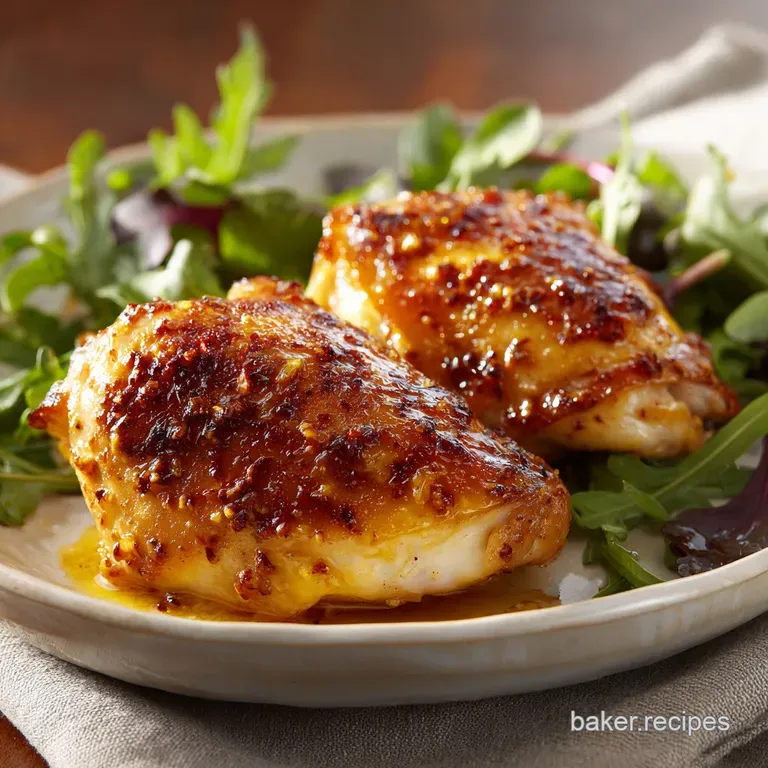
Everything happens fast once the heat is on. Make sure your garlic is minced and your honey mustard chicken marinade is whisked and ready to go. We are looking for that specific "shatter" on the surface of the chicken before the sauce even hits the pan.
- Dry the protein. Pat the 1.5 lbs chicken thighs with paper towels until bone dry. Note: Surface moisture is the enemy of a good sear.
- Season aggressively. Coat both sides with 1 tsp kosher salt, 1/2 tsp pepper, and 1 tsp smoked paprika.
- Heat the oil. Add 2 tbsp avocado oil to the pan over medium high heat until it shimmers and wisps of smoke appear.
- Sear the thighs. Lay the chicken in the pan and don't touch for 5 minutes until a deep golden crust forms.
- Flip and finish. Turn the meat and cook for another 4 minutes. Note: Use a thermometer to hit 160°F here; it will climb to 165°F in the sauce.
- Remove and rest. Transfer chicken to a plate; keep the pan on the heat.
- Sauté aromatics. Toss in 2 cloves minced garlic and 1/2 tsp dried thyme for 30 seconds until fragrant but not brown.
- Deglaze the pan. Pour in 1 tbsp ACV, scraping up all the brown bits from the bottom.
- Build the glaze. Whisk in the mustard/honey mixture and simmer for 2 minutes until the bubbles slow down and thicken.
- The finish. Turn off the heat, whisk in the cold butter, and return the chicken to the pan to coat.
Solving Texture Issues and Common Glaze Mistakes Safely
One of the biggest hurdles with any Honey Mustard Chicken is the sauce becoming "gritty" or separating. This usually happens if the heat is too high when you add the honey. Honey is basically sugar, and if it scorches, it turns bitter and loses that floral sweetness we love.
Why Your Sauce Separated
If you see oil pooling at the top of your sauce, the emulsion has broken. This happens when the fat (from the chicken or oil) doesn't bind with the liquid (mustard and vinegar).
| Problem | Root Cause | Solution |
|---|---|---|
| Sauce is too thin | Vinegar wasn't reduced | Simmer for 1 extra minute before adding the meat back. |
| Burnt Garlic | Heat was too high | Add garlic only after the pan has cooled slightly from searing. |
| Dull looking glaze | No butter finish | Whisk in a teaspoon of cold water or butter at the very end. |
Common Mistakes Checklist
- ✓ Don't overcrowd the pan: If the thighs are touching, they will steam and turn grey instead of golden.
- ✓ Trust the "release": If the chicken sticks when you try to flip it, it’s not ready. It will pull away naturally once the crust forms.
- ✓ Check your honey: If using crystallized honey, microwave it for 10 seconds first so it incorporates smoothly into the mustard.
- ✓ Cold butter is mandatory: Warm butter will just turn into an oil slick; cold butter builds the structure.
Creative Ways to Customize the Sweet Heat Profile
Once you’ve mastered the base, you can start playing with the "vibe" of the dish. If you're a fan of the Homemade Bang Bang recipe, you might want to add a teaspoon of sriracha or red pepper flakes to the honey mixture for a "Hot Honey" version.
1. Adapting for Honey Mustard Chicken Breast
If you prefer white meat, use the same 1.5 lbs but slice the breasts into even "cutlets" about 1/2 inch thick. Reduce the initial sear time to 3 minutes per side. Chicken breasts dry out significantly faster than thighs, so pulling them at 155°F is a smart move the carryover heat will do the rest.
2. Using the Slow Cooker
For those days when you can't stand at the stove, toss everything (minus the butter) into the slow cooker for 4 hours on low. You won't get the crispy sear, but the meat will be incredibly tender.
To fix the thin sauce at the end, whisk 1 tsp of cornstarch into the liquid and cook on high for 15 minutes.
3. Scaling for a Crowd
- To Double (8 servings): Use a second skillet or work in batches. If you try to do 3 lbs in one pan, the temperature will drop, and you'll lose that "shatter" on the crust.
- To Half (2 servings): Use a smaller 8 inch skillet. Keep the sauce measurements the same it’s better to have extra glaze than a dry pan!
Storing and Reheating Tips
Honey Mustard Chicken actually tastes better the next day because the acidity in the mustard continues to tenderize the meat. However, the glaze will firm up in the fridge into a jelly like consistency.
- Fridge: Store in an airtight container for up to 4 days.
- Freezer: You can freeze the cooked chicken in the sauce for up to 3 months. Let it thaw overnight in the fridge before reheating.
- Reheating: Avoid the microwave if possible; it makes the chicken rubbery. Instead, put it in a small pan with a splash of water or chicken broth over medium low heat. Cover it for 3 minutes to let the steam loosen the sauce, then swirl it around to re emulsify.
Zero Waste Tip: If you have leftover sauce but no chicken, it makes a killer dressing for a roasted vegetable salad. Toss some cold Minced Chicken Fritters recipe into the mix for a quick lunch that doesn't feel like "leftovers."
Favorite Side Dish Pairings
Because this dish is so bold and tangy, you want sides that can soak up the extra sauce without competing for attention. I almost always go with something starchy and something green.
- Garlic Mashed Potatoes: The ultimate vessel for that honey mustard glaze.
- Roasted Brussels Sprouts: The bitterness of the charred sprouts balances the sweetness of the honey.
- Quinoa or Farro: If you want something nuttier and more textured.
- Simple Arugula Salad: A peppery green with a light lemon vinaigrette cuts through the richness of the butter finished sauce.
Debunking Kitchen Myths
One common myth is that honey "burns" instantly. While it does have a low burn point, it only scorches when exposed to direct, dry heat for too long. By adding it as part of a wet sauce (mixed with mustard and vinegar) at the end of the cooking process, we protect the sugars and get a deep caramel flavor without the acrid bitterness of burnt sugar.
Another misconception is that you need to marinate the chicken for hours. Because we are using a pan sauce method, the flavor is concentrated on the surface and in the reduction. Marinating with honey can actually hinder the sear because the sugars will burn before the meat proteins can properly brown.
Trust the pan sauce it’s more efficient and tastes cleaner.
Recipe FAQs
Can I substitute Dijon mustard with plain yellow mustard?
No, stick with Dijon or a stone ground variety. Plain yellow mustard lacks the necessary sharp acidity and complex flavor needed to balance the sweetness of the honey.
How do I prevent the honey glaze from separating into an oily mess?
Turn off the heat before whisking in cold butter. This technique, known as mounting the sauce, creates a stable emulsion with the fat, preventing the honey and mustard from breaking apart into a thin layer.
What is the safe minimum internal temperature I should cook the chicken to before saucing?
Pull the chicken from the pan at 160°F (71°C). The residual heat while the chicken rests and absorbs the pan sauce will carry it to the safe 165°F without drying out the meat.
Is it true that marinating the chicken in honey makes it more tender?
No, this is a common misconception. Marinating in high sugar liquids like honey actually promotes burning during the initial sear phase, leading to a bitter crust before the interior is cooked.
How do I incorporate a spicy kick into this glaze?
Whisk 1 teaspoon of sriracha or a pinch of red pepper flakes into the honey mixture. If you enjoyed balancing heat and tang in this recipe, you can apply the same flavor addition principle when working on something like our Crispy Bang Bang Chicken recipe.
What is the best way to reheat leftover Honey Mustard Chicken?
Reheat gently in a skillet over medium low heat. Add a tablespoon of water or broth and cover the pan for a few minutes to steam the sauce back into its glossy consistency.
Should I use bone-in or boneless thighs for the quickest cooking time?
Use boneless, skinless thighs cut to 1/2 inch thickness. While bone-in thighs offer more flavor, slicing them ensures rapid, even cooking, significantly reducing the active cooking time required.
Honey Mustard Chicken In 25
Ingredients:
Instructions:
Nutrition Facts:
| Calories | 379 kcal |
|---|---|
| Protein | 34 g |
| Fat | 17 g |
| Carbs | 22 g |
| Fiber | 0.6 g |
| Sugar | 17 g |
| Sodium | 765 mg |
