Italian Pot Roast Stracotto: Slow Cooked Perfection
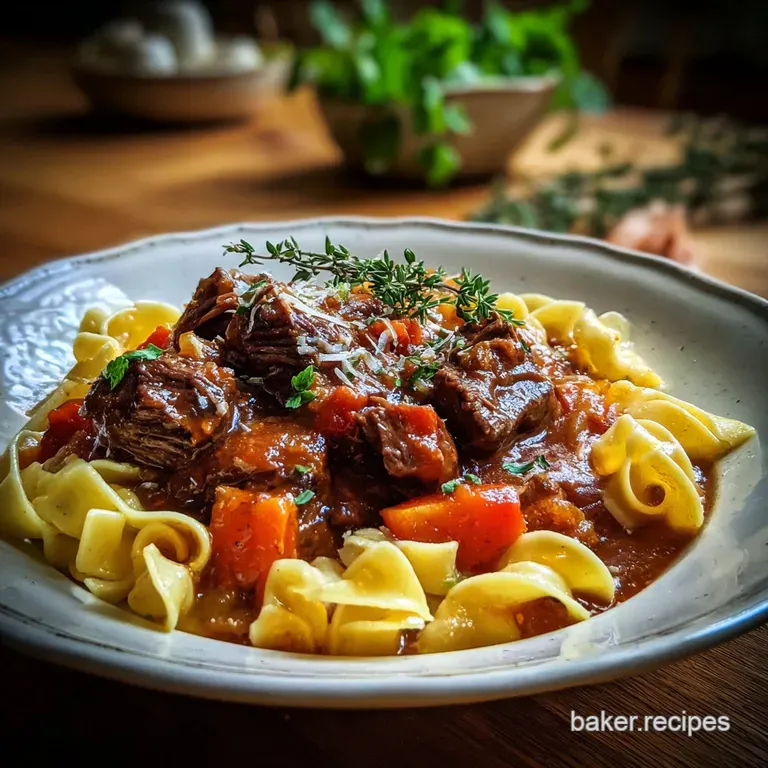
- Time: Active 30 minutes, Passive 3 hours 30 mins, Total 4 hours
- Flavor/Texture Hook: Succulent, melt in-your mouth beef in a glossy, umami rich tomato and red wine reduction.
- Perfect for: Weekend family gatherings, meal prep, or cozy winter hosting.
- Why This Roast Melts Away
- Timing and Serving Essentials
- Core Flavors and Fresh Herbs
- Tools for Slow Cooking Success
- Steps to Braising Beef Bliss
- Solving Common Braising Hurdles
- Smart Swaps for Busy Cooks
- Keeping and Reusing Leftovers
- Best Ways to Serve Stracotto
- Very High in Sodium
- Recipe FAQs
- 📝 Recipe Card
Imagine walking into your kitchen and being hit with the deep, savory scent of red wine, garlic, and slow cooked beef that’s been simmering for hours. That's the magic of this recipe.
I used to think a pot roast was just a bland slab of meat with some watery gravy, but then I discovered the "stracotto" method, which literally translates to "overcooked" in the best way possible.
We’re taking a humble chuck roast and treating it with the respect it deserves. We aren't just boiling meat here, we're building layers of flavor starting with a hard sear and ending with a sauce so thick and glossy you’ll want to eat it with a spoon.
It's remarkably simple once you get the technique down, and honestly, it’s much harder to mess up than a steak.
But what about that "overcooked" name? Don't let it scare you. In the Italian kitchen, stracotto refers to the glorious moment when the connective tissue in the meat completely dissolves, turning the beef into something that feels like butter.
We're going to use a heavy pot, some decent wine, and a lot of patience to get there. Trust me on this, your house is about to smell like a trattoria in Tuscany.
Why This Roast Melts Away
Collagen Conversion: The long, over low heat simmer converts tough collagen into silky gelatin, creating a tender mouthfeel.
Acidic Breakdown: Red wine and tomatoes act as natural tenderizers, weakening protein bonds during the long braise.
Maillard Reaction: Searing the beef at high heat creates complex flavor compounds that season the entire liquid base.
Aromatic Infusion: The "soffritto" base of onion, carrot, and celery provides a foundational sweetness that balances the rich fat.
| Method | Time | Texture | Best For |
|---|---|---|---|
| Stovetop | 3 hours 30 mins | Ultra tender, reduced sauce | Maximum flavor control |
| Oven (300°F) | 3 hours 30 mins | Even cooking, less stirring | Consistent, hands off heat |
| Slow Cooker | 8 hours (low) | Very soft, thinner sauce | Busy work days |
Choosing the right method depends mostly on your schedule, though I find the stovetop gives you the best "fond" (those brown bits at the bottom). If you’re looking for another slow simmered classic to add to your rotation, this technique is very similar to my Rustic Beef Bourguignon recipe.
The stovetop allows you to watch the liquid levels more closely, ensuring the sauce reaches that perfect, velvety consistency without drying out the meat. If you use the oven, make sure your lid fits tightly to prevent too much evaporation.
Timing and Serving Essentials
| Component | Science Role | Pro Secret |
|---|---|---|
| Beef Chuck | High fat and connective tissue | Choose a piece with heavy white marbling for maximum tenderness. |
| Dry Red Wine | Acidity and tannins | Use a wine you'd actually drink; the flavors concentrate as it reduces. |
| Tomato Paste | Glutamate rich umami | Fry the paste until it turns dark brick red to remove raw metallic notes. |
| Bone Broth | Structural gelatin | Use bone broth instead of regular stock for a glossier, thicker sauce. |
The beef chuck roast is the hero here because it has the perfect ratio of fat to lean muscle. If you try to use a leaner cut like a round roast, it will end up dry and stringy instead of succulent. The wine should be a hearty variety like Chianti or Barolo to stand up to the beef.
Chef's Tip
Freeze your tomato paste in tablespoon sized dollops on a tray, then bag them up. You'll always have exactly what you need without wasting half a can.
Core Flavors and Fresh Herbs
- 4 lbs Beef Chuck Roast: Trimmed and tied. Why this? The tie ensures even cooking and helps the meat hold its shape.
- 2 tbsp Kosher Salt: For dry brining and seasoning.
- 1 tbsp Black Pepper: Freshly cracked provides better punch than pre ground.
- 3 tbsp Extra Virgin Olive Oil: For the initial sear.
- 1 large Yellow Onion (200g): Finely diced for the base.
- 2 medium Carrots (120g): Adds natural sweetness to the braise.
- 2 stalks Celery (100g): Provides the essential herbal backbone.
- 4 cloves Garlic: Minced. Why this? Garlic adds depth but can burn if added too early.
- 2 cups Dry Red Wine: Chianti or Barolo are traditional choices.
- 28 oz Canned San Marzano Tomatoes: Crushed by hand or with a fork.
- 1 cup Beef Bone Broth: Adds richness and body to the sauce.
- 2 tbsp Tomato Paste: For color and concentrated umami.
- 2 sprigs Fresh Rosemary: Adds a piney, earthy aroma.
- 4 sprigs Fresh Thyme: Complements the beef and wine perfectly.
- 2 dried Bay Leaves: For a subtle, peppery background note.
| Original Ingredient | Substitute | Why It Works |
|---|---|---|
| Chianti | Cabernet Sauvignon | Similar tannin structure. Note: Slightly fruitier but still excellent. |
| Bone Broth | Beef Stock + 1 tsp Gelatin | Mimics the mouthfeel of real bone broth. |
| Fresh Rosemary | Dried Rosemary (1 tsp) | Concentrated flavor. Note: Add earlier in the cooking process. |
If you are out of fresh herbs, don't panic, but fresh really does make a difference in the final aroma. If you find yourself needing a quick sauce for a different night, you might enjoy my Turkey Gravy with Drippings recipe which uses similar simmering principles.
Tools for Slow Cooking Success
You definitely want a heavy bottomed pot for this, ideally a Dutch oven like a Le Creuset or Lodge. The thick walls distribute heat evenly, which is crucial when you're simmering something for three plus hours.
A thin pot will create hot spots, and your sauce might scorch at the bottom before the meat is actually tender.
Beyond the pot, a good pair of tongs is essential for flipping that heavy 4 lb roast without splashing hot oil everywhere. I also highly recommend using a kitchen string to tie the roast if it didn't come that way. It keeps the muscles together so the meat cooks at the same rate throughout.
Steps to Braising Beef Bliss

- Season the beef. Rub the 4 lbs Beef Chuck Roast with 2 tbsp Kosher Salt and 1 tbsp Black Pepper. Note: Do this 30 mins before cooking to let the salt penetrate.
- Sear the meat. Heat 3 tbsp Extra Virgin Olive Oil in a large Dutch oven until the oil shimmers and wisps of smoke appear. Brown the beef for 5-7 minutes per side.
- Sauté the vegetables. Remove the beef and add the onion, carrots, and celery. Cook for 8 minutes until softened and just beginning to golden.
- Add aromatics. Stir in the 4 cloves Garlic and 2 tbsp Tomato Paste. Cook for 2 minutes until the paste turns a deep rust color.
- Deglaze the pan. Pour in 2 cups Dry Red Wine. Use a wooden spoon to scrape up every brown bit (the fond) from the bottom.
- Build the braise. Add the 28 oz San Marzano Tomatoes, 1 cup Beef Bone Broth, rosemary, thyme, and bay leaves.
- Submerge the beef. Place the roast back into the pot. The liquid should come about halfway up the sides of the meat.
- Simmer low. Cover and simmer on the lowest setting for 3 hours 30 mins until the beef is tender enough to shatter with a fork.
- Rest and reduce. Remove the meat to a board. If the sauce is too thin, boil it uncovered for 10 minutes until it coats the back of a spoon.
- Slice and serve. Cut the beef against the grain or pull it into large chunks and spoon the glossy sauce over it.
Solving Common Braising Hurdles
Why is My Beef Still Tough?
Beef chuck is high in collagen. If it’s still tough after 3 hours, the collagen hasn't fully converted to gelatin yet. It’s not that it’s overcooked; it’s actually undercooked! Put the lid back on and give it another 30-45 minutes.
It will eventually hit that "melting" point.
What If My Sauce is Too Thin?
Sometimes the vegetables or tomatoes release more water than expected. If your sauce looks like soup rather than gravy, remove the meat and herbs, then crank up the heat. A vigorous boil for a few minutes will evaporate the excess water and concentrate the flavors.
| Problem | Root Cause | Solution |
|---|---|---|
| Bitter Sauce | Burnt garlic or tomato paste | Add a pinch of sugar to balance the bitterness. |
| Greasy Surface | Excess fat from the chuck roast | Use a wide spoon to skim the clear oil off the top. |
| Meat is Dry | Heat was too high (boiling, not simmering) | Shred the meat and mix it into the sauce to rehydrate. |
Common Mistakes Checklist
- ✓ Never skip the sear; it's where 50% of your flavor comes from.
- ✓ Don't use a cooking wine; if you wouldn't drink it, don't cook with it.
- ✓ Avoid checking the pot every 10 minutes; you're letting out the steam and heat.
- ✓ Keep the simmer to a "lazy bubble" a violent boil will toughen the muscle fibers.
- ✓ Let the meat rest for at least 10 minutes before slicing to keep the juices inside.
Smart Swaps for Busy Cooks
If you need to scale this down for a smaller family, you can use a 2 lb roast. Keep the vegetable amounts the same (it just makes the sauce better!), but reduce the wine and broth by about 25%. The cook time will likely drop to around 2 hours 15 mins.
For scaling up for a party, don't just double everything. Use two separate pots if you have them, or a very large roasting pan in the oven. When doubling, keep the spices at about 1.5x the original amount and taste at the end, as flavors concentrate significantly in large batches.
If You Want a Slow Cooker Version
Transfer everything to your crock pot after the deglazing step (Step 5). Cook on "Low" for 8-10 hours. Note that the sauce won't reduce as much in a slow cooker, so you might want to start with half the amount of beef broth.
Budget Alternatives
| Premium | Budget | Flavor Impact |
|---|---|---|
| San Marzano Tomatoes | Standard Canned Crushed | Slightly more acidic, less sweet. |
| Barolo Wine | Any dry red (Merlot/Cab) | Less complex but still very succulent. |
| Fresh Herbs | Dried Italian Seasoning | Muted aroma but provides the basic herbal notes. |
Keeping and Reusing Leftovers
Storage: Store the beef submerged in its sauce in an airtight container. It will stay fresh in the fridge for up to 4 days. In fact, this is one of those dishes that tastes even better on day two because the spices have more time to meld.
Freezing: This freezes beautifully. Put the meat and sauce in a freezer safe bag or container for up to 3 months. To reheat, thaw overnight in the fridge and warm it gently in a saucepan over medium low heat.
Zero Waste: Don't toss those leftover vegetable scraps! Save the onion skins and carrot ends in a freezer bag to make your own beef stock later. If you have leftover sauce but no meat, it makes a stunning base for a quick ragu over pasta the next night.
Best Ways to Serve Stracotto
The traditional way to serve Italian Pot Roast Stracotto is over a bed of creamy polenta. If you want to go full decadent, stir in some crumbled Gorgonzola cheese into the polenta right before serving. The sharp, creamy cheese cuts through the richness of the beef in a way that is absolutely stunning.
If you aren't a fan of polenta, a wide noodle like pappardelle is your best friend. The broad noodles act like a canvas for the thick, chunky sauce. Just toss the noodles directly into the sauce with a splash of pasta water for the ultimate comfort meal.
If you prefer a simpler side, a crusty loaf of bread is non negotiable for "fare la scarpetta" cleaning the plate with bread.
Why Your Beef Doesn't Need Flour
Some recipes call for dredging the beef in flour before searing. I skip this. While it thickens the sauce, it can also lead to a "muddy" flavor and makes it easier for the bottom of the pot to burn during the long simmer. The vegetables and tomatoes provide plenty of body on their own.
The Myth of Sealing in Juices
Searing meat does not "seal" in any juices. Moisture is actually lost during the searing process. However, we sear to achieve the Maillard reaction, which creates those deep, savory browned flavors that define a great braise. The "juiciness" comes from the rendered fat and gelatin, not from sealing the meat.
Sauce Color Matters
If your sauce looks pale, you likely didn't cook your tomato paste long enough. Next time, make sure it reaches that dark, brick red stage. If it's too late for this batch, a tiny splash of balsamic vinegar at the very end can deepen the color and add a bright acidity to wake up the heavy flavors. For a different tomato based experience, you might also like my Passata Pomodoro Italian recipe.

Very High in Sodium
1580 mg mg of sodium per serving (69% of daily value)
The American Heart Association recommends limiting sodium intake to no more than 2,300mg per day for most adults. This recipe significantly exceeds that amount per serving.
Tips to Reduce Sodium in Your Beef Chuck Roast
-
Low-Sodium Broth-30%
Substitute the regular beef bone broth with a low-sodium or no-salt added version. This can significantly reduce the overall sodium content of the dish.
-
Reduce Added Salt-25%
Halve the amount of kosher salt added to the recipe, reducing it from 2 tablespoons to 1 tablespoon. Taste and adjust seasoning after cooking.
-
No-Salt Added Tomatoes-20%
Use no-salt added canned crushed San Marzano tomatoes. This simple swap eliminates a hidden source of sodium.
-
Fresh Flavor Boost
Enhance the flavor with fresh herbs and spices! Rosemary, thyme, black pepper, garlic, onion, carrots, and celery are naturally low in sodium and add depth to the dish without the need for extra salt.
Recipe FAQs
What is stracotto?
It's a slow cooked Italian beef dish. Stracotto literally means "overcooked" in Italian, referring to the long braising process that renders tough cuts of beef incredibly tender and flavorful.
What does stracotto mean?
It means "overcooked" in Italian. However, in a culinary context, it signifies a slow cooked dish where the meat is intentionally cooked past the point of being simply "done" to achieve extreme tenderness and dissolve connective tissues.
What is an Italian pot roast?
It's a braised beef dish cooked low and slow. Similar to American pot roast, it involves cooking a tougher cut of beef in liquid for an extended period, resulting in tender meat and a rich sauce.
What is the difference between stracotto and pot roast?
Stracotto is a specific Italian style of pot roast. While both involve slow cooking beef, stracotto often emphasizes a richer sauce, more robust flavors like wine and tomatoes, and is defined by its "overcooked" tenderness achieved through prolonged braising.
Can I use a different cut of beef for stracotto?
No, stick with chuck roast for best results. The high fat and connective tissue content in chuck roast is essential for achieving the melt-in-your mouth texture that defines stracotto; leaner cuts will likely become dry and tough.
How do I ensure my stracotto is tender?
Cook it low and slow for a long time. The key to tender stracotto is allowing sufficient time for the collagen in the meat to break down into gelatin, which requires several hours of simmering. If you enjoyed mastering the sensory doneness cues here, apply them to our How to Cook Chuck Roast: Fall Apart Tender Beef for similar tender results.
What should I serve with stracotto?
Creamy polenta or wide pasta are traditional. The rich, glossy sauce of stracotto is perfect for soaking up, making it an excellent pairing with smooth polenta or broad noodles like pappardelle. A simple crusty bread is also essential for mopping up every last bit of sauce.
Italian Pot Roast Stracotto

Ingredients:
Instructions:
Nutrition Facts:
| Calories | 648 calories |
|---|---|
| Protein | 45.2 g |
| Fat | 39.8 g |
| Carbs | 11.4 g |
| Fiber | 2.8 g |
| Sugar | 5.2 g |
| Sodium | 1580 mg |
