Lemon Loaf Bread
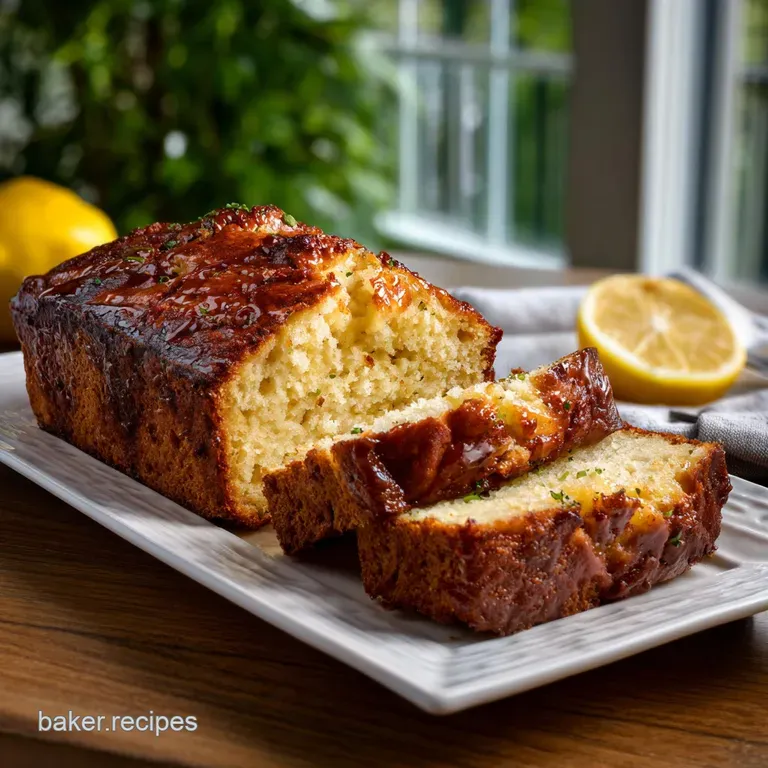
- Time: Active 15 minutes, Passive 50 minutes, Total 1 hours 5 mins
- Flavor/Texture Hook: Zesty, moisture rich crumb with a shatter crisp glaze.
- Perfect for: Weekend brunch, gifting to neighbors, or beginner bakers.
- Mastering This Tangy Lemon Loaf Bread
- The Science of Achieving Consistent Results
- Identifying Your Key Component Analysis
- Selecting Your Primary Elements and Substitutes
- Essential Tools for Successful Baking
- Detailed Step-by-Step Baking Instructions
- Professional Tips and Common Pitfalls
- Creative Variations to Explore
- Freezing and Reheating Guidelines
- Flavorful Pairings and Complements
- Debunking Common Baking Myths
- Recipe FAQs
- 📝 Recipe Card
Mastering This Tangy Lemon Loaf Bread
Imagine walking into a kitchen where the air is thick with the scent of bright citrus and warm sugar. That first slice of a lemon loaf bread should be an event. It needs to have that specific, tight crumb that doesn't fall apart but feels soft against your tongue.
Most recipes out there end up too dry, more like a dense brick than a cake, but we are fixing that today. I have spent far too many afternoons testing different fats and acids to find the one that actually works every single time.
This isn't just another quick bread. We are aiming for something that rivals the famous coffee shop versions but with a much cleaner, more vibrant punch. We are using Greek yogurt for weight and oil for longevity. While butter tastes great, oil keeps this loaf supple even if you leave it on the counter for two days.
It is the secret to that "melt in-your mouth" texture that butter based cakes often lose once they cool down.
You do not need a stand mixer or any fancy equipment to pull this off. It is a simple bowl and whisk situation, which is my favorite kind of baking. By the time your oven is preheated, your batter will be ready to go.
We are going to focus on the science of emulsification and the importance of zest to sugar contact to make sure every bite is saturated with lemon flavor.
The Science of Achieving Consistent Results
Acidic Tenderization: The lactic acid in Greek yogurt breaks down long protein strands in the flour, resulting in a crumb that is tender rather than chewy.
Fat Suspension: Using neutral oil instead of solid butter allows the fat to remain liquid at room temperature, which prevents the loaf from feeling dry or stale when eaten cold.
Leavening Balance: The combination of baking powder and baking soda reacts with the lemon juice and yogurt to create immediate carbon dioxide bubbles for a better rise.
| Cooking Method | Average Time | Finished Texture | Best Use Case |
|---|---|---|---|
| Standard Oven | 50 minutes | Evenly browned, consistent rise | Traditional loaf appearance |
| Stovetop (Dutch Oven) | 65 minutes | Softer crust, very moist | When oven space is limited |
| Toaster Oven | 45 minutes | Crispier edges, faster browning | Small batches or halves |
The stovetop method is a lifesaver if your oven is occupied by a roast, though it requires a very heavy bottomed pot to act as a heat conductor. It effectively steams the loaf while it bakes, creating a texture that is almost like a pudding cake hybrid.
However, for that classic domed top and golden exterior, the traditional oven remains the gold standard for this specific recipe.
Identifying Your Key Component Analysis
| Ingredient | Science Role | Pro Secret |
|---|---|---|
| Plain Greek Yogurt | Protein and acidity | Use full fat for a richer, more velvety mouthfeel |
| Fresh Lemon Zest | Essential oils | Rub it into the sugar first to release fragrance |
| Neutral Oil | Moisture retention | Avocado or grapeseed oil won't mask the citrus |
| Large Eggs | Structure and emulsification | Room temperature eggs incorporate better without curdling |
To get the most out of your citrus, always zest the lemons directly over the sugar. The oils are volatile and start evaporating the moment they leave the fruit. By catching them in the sugar, you are essentially "perfuming" the entire loaf from the inside out.
Selecting Your Primary Elements and Substitutes
- 1 ½ cups (190g) All purpose flour: Provides the base structure. Why this? Lower protein than bread flour keeps the loaf soft.
- 1 tsp Baking powder: For a steady lift during the entire bake.
- ½ tsp Baking soda: Reacts with yogurt for an initial boost.
- ½ tsp Fine sea salt: Sharpens the sweetness and lemon notes.
- ¾ cup (150g) Granulated sugar: Sweetens and helps with browning.
- 2 tbsp Fresh lemon zest: The primary source of aroma. Why this? Zest holds more flavor than juice alone.
- 1 cup (245g) Plain Greek yogurt: Adds moisture and tang.
- 3 Large eggs: Binds the ingredients and adds height.
- ½ cup (120ml) Neutral oil: Ensures the loaf stays moist for days.
- 2 tbsp Fresh lemon juice: Adds acidity and brightness.
- 1 tsp Pure vanilla extract: Rounds out the sharp citrus edges.
- 1 cup (120g) Confectioners' sugar: The base for the thick glaze.
- 3 tbsp Fresh lemon juice (for glaze): Creates the tart finish.
- 1 tsp Heavy cream: Makes the glaze opaque and creamy.
| Original Ingredient | Substitute | Why It Works |
|---|---|---|
| Greek Yogurt | Sour Cream | Similar fat and acidity. Note: Results in a slightly richer crumb. |
| Neutral Oil | Melted Coconut Oil | Similar fat profile. Note: Adds a subtle tropical scent. |
| All purpose flour | 1:1 gluten-free Blend | Starch based structure. Note: May require 5 mins extra bake time. |
If you are looking for more citrus inspiration, you might enjoy my Zesty Lemon Sunshine Buttercream recipe which uses similar flavor profiles for a more decadent finish. It is a great way to use up any leftover lemons you might have after zesting for this loaf.
Essential Tools for Successful Baking
You really only need a standard 9x5 inch loaf pan for this. I prefer metal over glass because metal conducts heat more quickly, giving you those beautiful golden brown edges. If you use a glass pan, you might need to lower your oven temperature by about 10 degrees and bake it a bit longer to prevent the outside from burning before the middle is set.
A microplane zester is your best friend here. You want the zest to be so fine that it almost melts into the batter. If the pieces are too big, they can become chewy and distracting. Also, make sure you have a whisk that can really get into the corners of the bowl to ensure no streaks of flour remain at the bottom.
Detailed step-by-step Baking Instructions
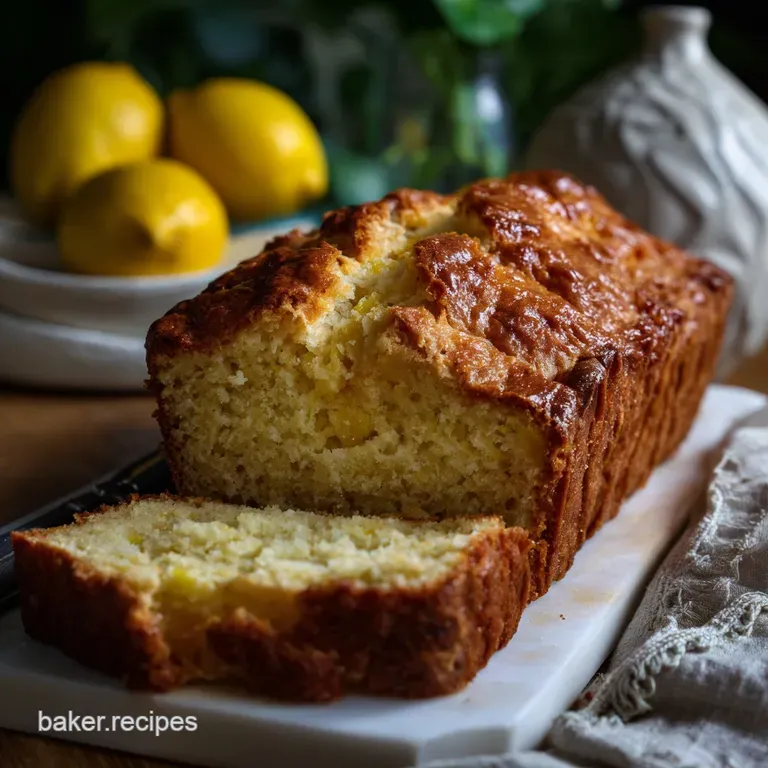
- Prep the oven. Preheat your oven to 175°C (350°F) and grease your loaf pan thoroughly with oil or butter. Note: I also line the bottom with parchment for an easy release.
- Infuse the sugar. Rub 2 tbsp lemon zest into ¾ cup granulated sugar with your fingertips until the sugar looks damp and smells fragrant.
- Whisk dry ingredients. Combine 1 ½ cups flour, 1 tsp baking powder, ½ tsp baking soda, and ½ tsp salt in a medium bowl.
- Combine wet ingredients. In a separate large bowl, whisk 1 cup Greek yogurt, 3 eggs, ½ cup oil, 2 tbsp lemon juice, and 1 tsp vanilla until smooth and pale yellow.
- Merge the mixtures. Gradually fold the dry ingredients into the wet ingredients using a spatula. Stop as soon as no white streaks remain. Note: Overmixing creates a tough, rubbery loaf.
- Bake the loaf. Pour the batter into the prepared pan and bake for 50 minutes until a skewer comes out clean or with a few moist crumbs.
- Cool in pan. Let the loaf sit in the pan for 10 minutes. This allows the structure to firm up so it doesn't break when you lift it.
- Prepare the glaze. Whisk 1 cup confectioners' sugar with 3 tbsp lemon juice and 1 tsp heavy cream until it reaches a thick, pourable consistency.
- Apply the finish. Pour the glaze over the completely cooled loaf. Wait until the glaze is set and matte before slicing.
Chef's Tip: If you want an extra punch, poke small holes in the warm loaf with a toothpick and brush on a simple syrup made of equal parts lemon juice and sugar before adding the final glaze. It drives the moisture deep into the center.
Professional Tips and Common Pitfalls
The biggest mistake I see people make with lemon loaf bread is over mixing the batter. When you mix flour with liquid, gluten starts to develop. For bread, that is great. For a loaf cake, it is a disaster. You want to stir just until the flour disappears.
If you see bubbles popping on the surface of your batter before it goes into the oven, you have likely mixed it too much or too vigorously.
Another trick is the "double glaze." I like to put a thin layer of glaze on while the loaf is still slightly warm so it soaks in, then wait for it to cool completely and hit it with a second, thicker layer. This gives you both internal moisture and that beautiful white coating on top.
If your glaze is too thin, just add a tablespoon more of powdered sugar until it looks like Elmer's glue.
The Tunneling Problem
If you cut into your loaf and see large, vertical holes, that is called tunneling. It usually happens because the oven was too hot or the batter was overworked. The air gets trapped and forced upward, creating those gaps.
The Sunken Middle
A loaf that sinks in the center is usually the result of opening the oven door too early. The sudden drop in temperature causes the air bubbles to collapse before the flour structure has set. Resist the urge to peek until at least the 40 minute mark!
Common Mistakes Checklist
- ✓ Always use room temperature eggs to ensure a smooth emulsion.
- ✓ Check your baking powder's expiration date; old powder leads to flat loaves.
- ✓ Measure your flour using the "spoon and level" method rather than scooping directly.
- ✓ Do not over zest into the white pith of the lemon, as it is incredibly bitter.
- ✓ Ensure the loaf is completely cool before glazing, otherwise, it will just melt off.
| Problem | Root Cause | Solution |
|---|---|---|
| Dry Crumb | Overbaking or too much flour | Check doneness 5 mins early; weigh flour. |
| Gummy Bottom | Underbaked or too much liquid | Ensure yogurt is thick; bake on middle rack. |
| No Lemon Flavor | Old lemons or skipping zest | Use fresh fruit and rub zest into sugar. |
Creative Variations to Explore
If you want to change things up, try adding a cup of fresh blueberries tossed in a teaspoon of flour. The flour coating prevents them from sinking to the bottom of the pan. The berries burst during baking, creating little pockets of jammy purple goodness that pair perfectly with the tart lemon.
For a more sophisticated flavor, you can swap the vanilla extract for almond extract. Almond and lemon have a natural affinity that makes the loaf taste like it came from a high end French bakery. Just be careful, almond extract is very strong start with half a teaspoon.
You could even use this logic with other citrus, like lime or grapefruit, though you may need to adjust the sugar if the fruit is particularly bitter.
If you enjoy playing with dough textures, you might want to try this Bread Machine Pizza Dough recipe for your next dinner. It uses a similar logic of hydration and fat but focuses on the savory side of baking.
Freezing and Reheating Guidelines
This loaf freezes beautifully. I actually think the texture improves slightly after a stint in the freezer because the moisture redistributes. Wrap the unglazed loaf tightly in plastic wrap, then a layer of aluminum foil. It will stay fresh for up to 3 months.
When you are ready to eat it, let it thaw on the counter overnight and then apply the glaze fresh.
If you want to reheat a single slice, a quick 10 second blast in the microwave will make it taste like it just came out of the oven. Don't overdo it, or the glaze will turn into a sticky mess. If you have leftovers that are starting to get a bit stale after 4 or 5 days, they make incredible French toast.
The lemon flavor adds a whole new dimension to your breakfast.
- Room Temp
- 2-3 days in an airtight container.
- Fridge
- 5-7 days (though it may firm up slightly).
- Freezer
- 3 months (wrap tightly).
Zero Waste Tip: Don't throw away your squeezed lemon halves! Toss them into a jar of white vinegar for two weeks to create a natural, citrus scented kitchen cleaner, or put them in your garbage disposal to freshen it up.
Flavorful Pairings and Complements
A thick slice of this loaf is excellent on its own, but a dollop of lightly sweetened whipped cream or Greek yogurt on the side makes it feel like a real dessert. If you are serving this for a tea party, a smear of high-quality raspberry jam is a classic choice.
The red fruit cuts through the yellow citrus in a way that is visually stunning and delicious.
For drinks, I always lean toward something bitter to balance the sugar. A cold brew coffee or a strong Earl Grey tea works wonders. The bergamot in the tea echoes the lemon in the bread, creating a seamless flavor bridge.
If it is a hot summer afternoon, a glass of iced hibiscus tea provides a tart, floral contrast that is incredibly refreshing.
- If you want a crunchier top, sprinkle a tablespoon of coarse sanding sugar over the batter before baking.
- If you want a lighter texture, separate the egg whites, whip them to soft peaks, and fold them in at the very end.
- If you want a deeper color, swap half of the granulated sugar for light brown sugar to get a hint of caramel.
Debunking Common Baking Myths
One big myth is that you must use butter for a "gourmet" loaf. In reality, many professional bakeries prefer oil for citrus cakes because butter can mask the delicate fruit notes with its own heavy flavor. Oil is a neutral canvas that lets the lemon shine while providing a superior shelf life.
Another misconception is that more lemon juice equals more flavor. If you add too much juice to the batter, you throw off the liquid to dry ratio and the acidity can mess with the leavening agents. If you want a stronger punch, increase the zest or use a concentrated lemon extract.
The flavor is in the skin, not just the juice!

Recipe FAQs
Can I use lemon extract instead of fresh lemon juice and zest?
No, not for the best flavor. Fresh lemon zest contains aromatic oils that are crucial for the loaf's bright flavor, and rubbing it into sugar releases those oils. Extract is a concentrated chemical flavor, and too much can make the loaf taste artificial or bitter.
Why is my lemon loaf dry or crumbly?
Likely due to overmixing or overbaking. Overmixing develops gluten, leading to a tough, dry texture. Overbaking evaporates too much moisture. Ensure you stop mixing as soon as flour streaks disappear and check for doneness a few minutes early.
How can I make my lemon loaf extra moist?
Use full fat Greek yogurt and neutral oil. The yogurt provides acidity and moisture, while oil ensures the crumb stays supple for days, unlike butter which can firm up as it cools. Applying a simple syrup soak before the glaze also helps retain internal moisture.
Can I add blueberries or other fruits to the batter?
Yes, add about 1 cup of fruit. Toss fresh berries like blueberries with a teaspoon of flour before adding them to the batter. This coating prevents them from sinking and creating dense pockets in your loaf. If you enjoyed mastering texture control here, see how the same principle of ingredient coating applies to our Easy Homemade Blueberry Buckle Recipe Better Than Grandmas.
What's the secret to a smooth, non-grainy glaze?
Sift your confectioners' sugar and whisk thoroughly. Ensure the sugar is completely dissolved into the lemon juice and cream before applying. If it seems lumpy, pass it through a fine mesh sieve. This technique is similar to creating a smooth base for frostings, like in our Zesty Lemon Sunshine Buttercream recipe.
How do I prevent tunneling in my lemon loaf?
Avoid overmixing and ensure your oven temperature is accurate. Tunneling, those large vertical holes, usually occurs when the batter is overworked or the oven is too hot, causing rapid expansion and collapse of air pockets. Stick to the mixing instructions and verify your oven's temperature.
Can I bake this lemon loaf in a different pan, like a Bundt pan?
Yes, but adjust the baking time. A Bundt pan has more surface area, so it will likely bake faster. Start checking for doneness around 30-35 minutes. Ensure the center comes out clean when tested with a skewer.
Lemon Loaf Bread
Ingredients:
Instructions:
Nutrition Facts:
| Calories | 312 kcal |
|---|---|
| Protein | 6.1 g |
| Fat | 13.2 g |
| Carbs | 42.5 g |
| Fiber | 0.5 g |
| Sugar | 28.1 g |
| Sodium | 151 mg |
