Lemon Mousse Lemon Curd: Silky & Tangy
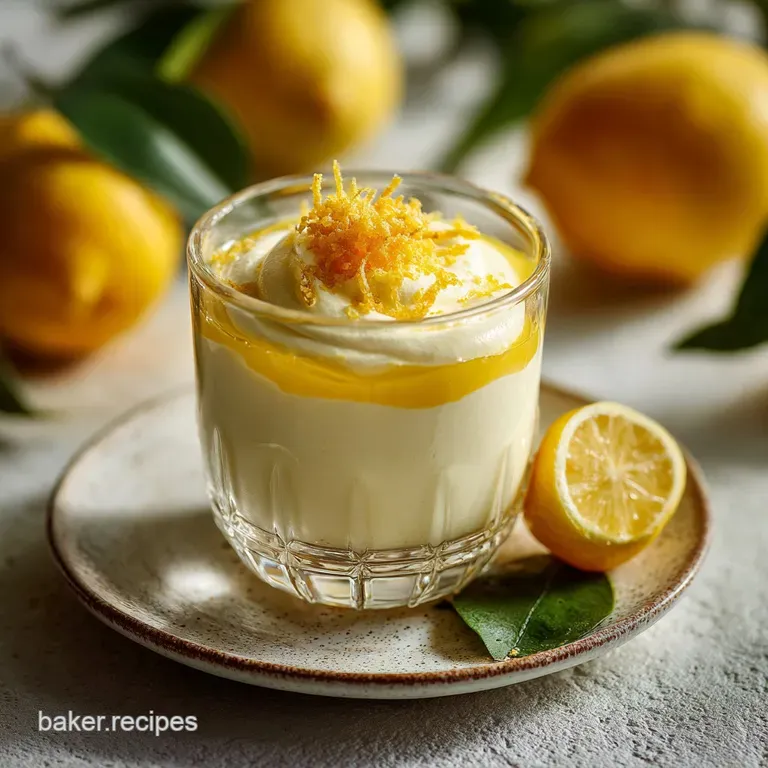
- Time: Active 20 minutes, Passive 10 minutes, Total 30 minutes
- Flavor/Texture Hook: Silky, tangy cloud like mousse
- Perfect for: Stress free dinner parties or summer entertaining
- Creating a Lush Lemon Mousse Lemon Curd
- Why This Zesty Combo Works
- The Secret Science of Citrus
- Essential Ingredients for Citrus Magic
- Tools Needed for Airy Mousse
- Step-by-Step Cooking and Folding
- Fixing Common Mousse Mistakes
- Scaling for a Crowd
- Storage Tips and Waste Hacks
- Elegant Serving Strategies
- Myths About Citrus Desserts
- Lemon Mousse Lemon Curd FAQs
- 📝 Recipe Card
Creating a Lush Lemon Mousse Lemon Curd
I still remember the first time I tried to whip up a citrus dessert for a friend's birthday. I thought I could just fold some store-bought lemon pie filling into whipped cream and call it a day. The result was a tragic, soupy mess that looked more like a melted milkshake than a sophisticated treat.
It was a humbling moment, but it sent me down a rabbit hole of learning how fat and acid actually play together in the kitchen.
Now, whenever I crack open a fresh lemon, the sharp, oils hitting the air aroma takes me back to that kitchen disaster. But these days, the sound is different. Instead of the splash of a runny sauce, I hear the soft, airy "poof" of a whisk moving through a stabilized cream.
This Lemon Mousse Lemon Curd is the result of all those failed experiments, and trust me, the contrast between the velvety cream and the shimmering curd is worth every second of effort.
We aren't just making a dessert here, we're building layers of temperature and texture. You get the punchy, bright hit from the curd and the mellow, sweet luxury of the mousse. It’s light enough that you’ll want seconds, but rich enough to feel like you’ve spent hours in a professional pastry kitchen.
Let's get into the details of why this specific method actually holds its shape without falling flat.
Why This Zesty Combo Works
The secret to this texture isn't magic, it's chemistry. When we combine the heavy fats in the cream with the acidic lemon juice, we are creating a structure that stands up on its own. It's a similar balance to what you might find when thickening a fruit base, like the method used in this Cranberry Sauce recipe.
- Fat Stabilization: The cold butter in the curd creates a smooth emulsion with the yolks, preventing the sauce from becoming thin or watery.
- Protein Coagulation: Egg yolks provide a structural backbone when heated gently, allowing the curd to set into a spoonable, thick consistency.
- Aeration Retention: Whipping the cream to stiff peaks creates tiny air bubbles that are then "trapped" by the sugar and condensed milk.
- Acid Fat Balance: The lemon juice cuts through the richness of the condensed milk, ensuring the flavor is bright rather than cloying.
Method Comparison: Fresh vs Shortcut
| Method | Prep Time | Texture Result | Flavor Profile |
|---|---|---|---|
| Fresh Homemade | 30 minutes | Velvety and stable | Sharp, bright, and authentic |
| store-bought Curd | 5 minutes | Slightly gelatinous | Very sweet, less citrus punch |
| Shortcut Mousse | 10 minutes | Soft and airy | Creamy but lacks depth |
Choosing to make both elements from scratch ensures that the acidity levels are high enough to balance the sugar. While shortcuts are tempting, the homemade curd provides a "shatter" of brightness that cuts through the fat in a way a jarred version simply can't match.
The Secret Science of Citrus
| Component | Science Role | Pro Secret |
|---|---|---|
| Egg Yolks | Natural Emulsifier | Use room temp yolks to prevent the butter from seizing during the whisking process. |
| Heavy Cream | Structural Matrix | Keep it ice cold so the fat globules can trap air more efficiently. |
| Lemon Juice | Acidic Catalyst | Straining the juice removes pulp that can disrupt the silky texture of the mousse. |
Understanding how these ingredients interact prevents the mousse from "weeping" or separating in the fridge. The sugar is also hygroscopic, meaning it holds onto moisture, which helps keep the dessert looking fresh for hours after it's made.
Essential Ingredients for Citrus Magic
To get that restaurant quality finish, you'll need to gather your elements carefully. We are looking for high fat dairy and the freshest fruit available to ensure the oils in the zest are potent.
- 1/2 cup fresh squeezed lemon juice: Why this? Provides the essential acid needed to set the curd and flavor the mousse.
- 1 tbsp finely grated lemon zest: Why this? Contains the aromatic oils that provide a deeper citrus scent than juice alone.
- 3/4 cup granulated sugar: Why this? Balances the tartness and helps the egg yolks thicken into a stable custard.
- 4 large egg yolks: Why this? Acts as the primary thickening agent for a rich, golden lemon curd.
- 6 tbsp unsalted butter: Why this? Adds a glossy sheen and a melt in-the mouth feel to the fruit layer.
- 1.5 cups heavy whipping cream: Why this? The base of the mousse; must be at least 36% fat for stability.
- 1/2 cup sweetened condensed milk: Why this? Provides sweetness and a dense, creamy texture that helps the mousse hold air.
- 1 tsp vanilla extract: Why this? Rounds out the sharp citrus notes with a subtle, floral warmth.
- 1/8 tsp fine sea salt: Why this? Enhances the other flavors and keeps the sugar from feeling overwhelming.
For the curd, you can use bottled juice in a pinch, but you'll lose that "zing" that only comes from fresh fruit. If you want to experiment with different bases, you could look into fruit heavy desserts like this Classic Warm Banana recipe for inspiration on how to handle delicate fruit proteins.
Tools Needed for Airy Mousse
Having the right gear makes the difference between a grainy mess and a silky masterpiece. You don't need a commercial kitchen, but a few specific items will make your life much easier.
- Heavy bottomed saucepan: Essential for the curd to prevent the eggs from scrambling against the heat.
- Fine mesh strainer: Used to remove any tiny bits of cooked egg or zest from the curd for a glass like finish.
- Whisk or Electric Mixer: A stand mixer such as a KitchenAid is great for the cream, but a hand mixer works perfectly too.
- Silicone spatula: This is non negotiable for "folding" the ingredients without deflating all that precious air.
- Glass bowls: Metal can sometimes react with the lemon juice, leaving a metallic tang in your Mousse Lemon Curd.
Chef's Tip: Chill your mixing bowl and whisk attachment in the freezer for 10 minutes before whipping the cream. This helps the fat molecules bond faster, giving you a more stable foam that won't wilt.
step-by-step Cooking and Folding
- Simmer the base. Combine the 1/2 cup lemon juice, zest, sugar, and 4 egg yolks in your saucepan over medium low heat. Note: Keep the heat low to avoid "scrambled egg" curd.
- Whisk constantly. Cook for about 8 minutes until the mixture coats the back of a spoon.
- Emulsify the butter. Remove from heat and whisk in the 6 tbsp of cubed, chilled butter one piece at a time. Note: This creates a glossy, stable emulsion.
- Strain and cool. Pour the curd through a fine mesh strainer into a bowl and press plastic wrap directly onto the surface. until no skin forms on top.
- Whip the cream. In a separate chilled bowl, beat the 1.5 cups of heavy cream until stiff peaks form.
- Flavor the base. In a large bowl, whisk together the 1/2 cup condensed milk, 3 tbsp lemon juice, vanilla, and salt.
- Fold carefully. Gently fold the whipped cream into the condensed milk mixture using a spatula. until no white streaks remain.
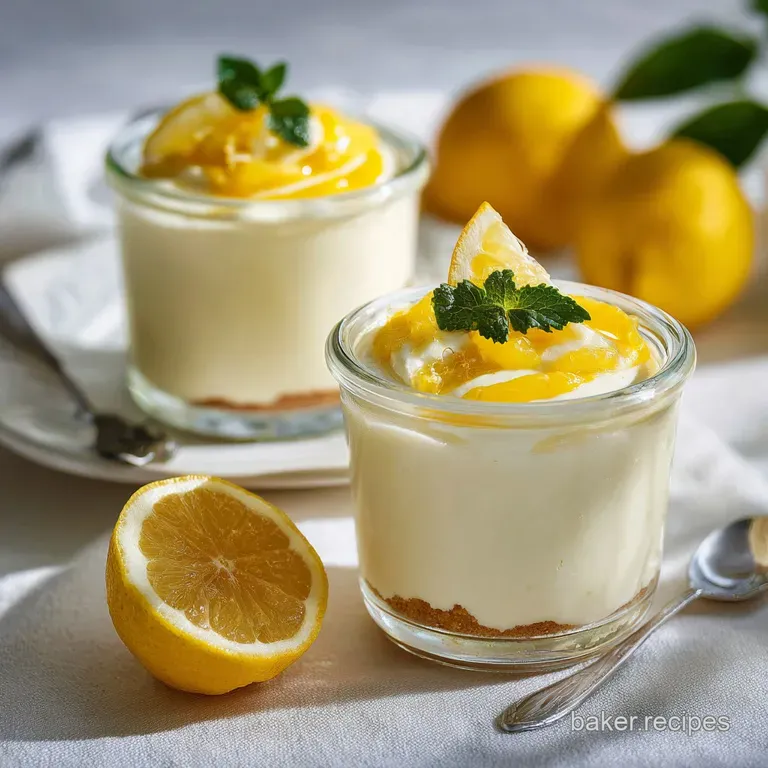
- Layer the dessert. Spoon a layer of mousse into serving glasses, followed by a spoonful of the cooled curd.
- Swirl it. Use a toothpick or small knife to lightly marble the two layers together for a beautiful visual.
- Chill thoroughly. Let the glasses set in the fridge for at least 2 hours until firm and set.
Fixing Common Mousse Mistakes
Why Your Mousse Is Runny
If the mixture doesn't hold its shape, it's usually because the cream wasn't whipped long enough or the curd was added while it was still warm. Heat is the enemy of a stable mousse, as it melts the fat bubbles you worked so hard to create.
| Problem | Root Cause | Solution |
|---|---|---|
| Grainy Curd | Eggs cooked too fast | Strain through a fine mesh sieve and whisk in a bit of extra butter. |
| Mousse Deflated | Stirring too vigorously | Use a slow, "figure eight" folding motion with a silicone spatula. |
| Metallic Taste | Reacted with pan | Always use stainless steel or glass when working with lemon juice. |
Common Mistakes Checklist
- ✓ Ensure the lemon curd is completely cold before layering with the mousse.
- ✓ Use full fat heavy cream - low-fat versions will not hold the necessary air.
- ✓ Don't skip straining the curd; even a tiny bit of cooked egg ruins the velvety mouthfeel.
- ✓ Add the butter to the curd one cube at a time to ensure it incorporates smoothly.
- ✓ Avoid over mixing the cream once it hits stiff peaks, or you'll end up with lemon flavored butter.
Scaling for a Crowd
If you're hosting a big party, you can easily double this recipe. However, when scaling up, don't just double the salt and vanilla. Increase the spices to 1.5x first, then taste. For the liquids, you can usually stick to the 2x ratio, but be mindful that a larger batch of curd will take longer to cool down.
When scaling down for a romantic dinner for two, use 2 yolks and half of all other ingredients. For the egg, if you end up with a fraction, beat the egg and measure by weight or volume. Use smaller bowls to ensure the whisk can reach the bottom and create enough friction for aeration.
Storage Tips and Waste Hacks
Fridge Storage: This Lemon Mousse Lemon Curd keeps beautifully in the refrigerator for up to 3 days. Cover each individual glass with plastic wrap to prevent the mousse from absorbing any "fridge smells" from onions or leftovers.
Freezing: While you can freeze the lemon curd on its own for up to 3 months, I don't recommend freezing the assembled mousse. The delicate air bubbles will pop when thawed, leaving you with a dense, somewhat watery texture.
Zero Waste Tips: Don't toss those lemon peels! If you have leftover zested lemons, toss them into a jar of vinegar to make a natural kitchen cleaner, or dehydrate the peels and grind them with sugar for a citrusy cocktail rim.
Those 4 leftover egg whites can be used for a small batch of meringues or a healthy omelet the next morning.
Elegant Serving Strategies
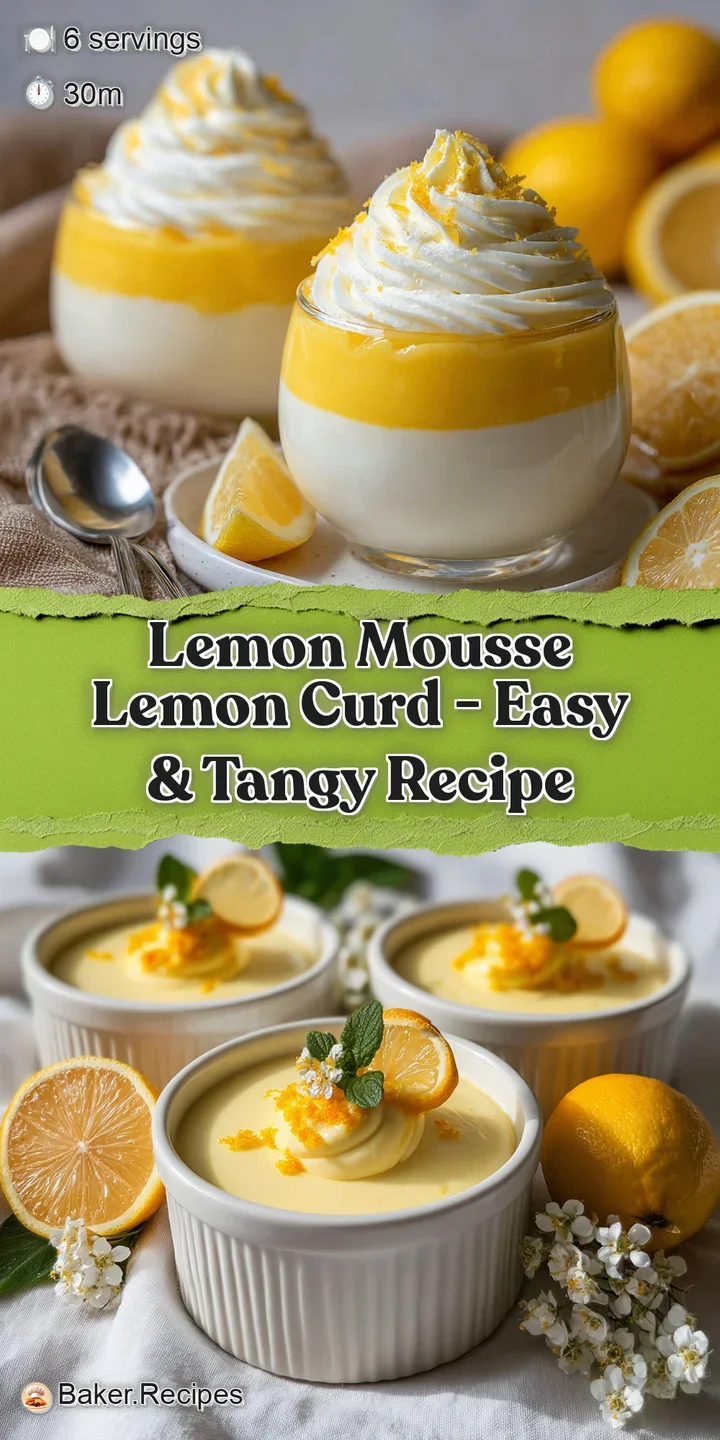
Presentation is everything with a dessert this delicate. I love serving these in clear glass ramekins or even vintage champagne coupes to show off the contrast between the pale mousse and the vibrant yellow curd.
Garnishes that Pop
- Fresh Berries: A single raspberry or a few blueberries on top provide a color contrast that looks stunning.
- Mint Leaves: A tiny sprig of mint adds a refreshing aroma that hits you right before the first bite.
- Shortbread Crumbs: Sprinkle some crushed butter cookies on top just before serving to add a necessary "crunch" factor.
If you want X, do Y
- If you want a deeper flavor, add a teaspoon of elderflower liqueur to the mousse base.
- If you want a firmer set, stir in a teaspoon of dissolved unflavored gelatin to the warm curd.
- If you want a lighter version, replace half of the heavy cream with Greek yogurt (though it will be tangier).
Regardless of how you plate it, the key is to serve it cold. The temperature helps the lemon flavors stay sharp and the cream feel refreshing rather than heavy. This Mousse Lemon Curd has become my go to for spring brunches, but honestly, it’s just as good on a Tuesday night when you need a little bit of sunshine in a bowl.
Trust me, once you master the "fold," you'll never go back to the store-bought stuff again.
Myths About Citrus Desserts
One common misconception is that you need a double boiler to make a successful curd. While it’s a "safety net," you can absolutely make it directly over a low flame as long as you are whisking constantly. The key is monitoring the temperature, not the equipment.
Another myth is that adding more lemon juice will make the mousse firmer. In reality, too much acid can actually break the proteins in the cream, causing it to curdle or weep. Stick to the ratios in the recipe for the best structural integrity.
Finally, some people think you must use superfine sugar. Regular granulated sugar works perfectly because it dissolves during the heating of the curd and the whipping of the cream. There's no need for expensive specialty sugars here!
Lemon Mousse Lemon Curd FAQs
Can I make lemon mousse with lemon curd?
Yes, that's the core of this recipe. This dessert combines a vibrant lemon curd layer with a light, airy mousse. The curd provides a concentrated, tangy punch, while the mousse offers a smooth, ethereal texture.
Can you whip cream with lemon curd?
No, not directly for a stable mousse. You whip the cream separately until stiff peaks form, then fold it into a sweetened base that might contain curd or other flavorings. Adding curd directly to unwhipped cream won't create the structure needed for mousse.
What is the mistake for lemon curd?
The most common mistake is cooking the eggs too quickly. This causes them to scramble, resulting in a grainy texture. Always cook lemon curd over low heat, whisking constantly, until it thickens enough to coat the back of a spoon.
What can I make with lemon curd easily?
The easiest is a simple parfait with whipped cream or yogurt. Layer the curd with whipped cream in a glass, or swirl it into Greek yogurt for a quick breakfast or dessert. You could also use it as a filling for simple cookies or as a topping for pancakes, much like the fruit base in our Cranberry Sauce Recipe: The Best Easy, Spiced Orange Compote.
How do I prevent my lemon mousse from being runny?
Ensure your lemon curd is fully chilled and your cream is whipped to stiff peaks. Over whipping the cream can break it down, so stop once it holds its shape firmly. Gently folding the whipped cream into the base prevents deflating the air.
Can I use store-bought lemon curd for this recipe?
Yes, but homemade is significantly better for texture and flavor. store-bought curds can sometimes be overly sweet or lack the bright tang that balances the mousse. If using store-bought, ensure it's a high-quality product to achieve the best result.
What is the texture of lemon mousse lemon curd?
It's a delightful contrast of textures. The mousse is light, airy, and cloud like, melting in your mouth. The curd provides a denser, silky, and intensely zesty layer that cuts through the richness of the mousse.
Lemon Mousse Lemon Curd
Ingredients:
Instructions:
Nutrition Facts:
| Calories | 526 kcal |
|---|---|
| Protein | 5.5 g |
| Fat | 38.3 g |
| Carbs | 42.5 g |
| Fiber | 0.2 g |
| Sugar | 40.2 g |
| Sodium | 68 mg |
