Lemon Sugar Cookies: Soft and Buttery
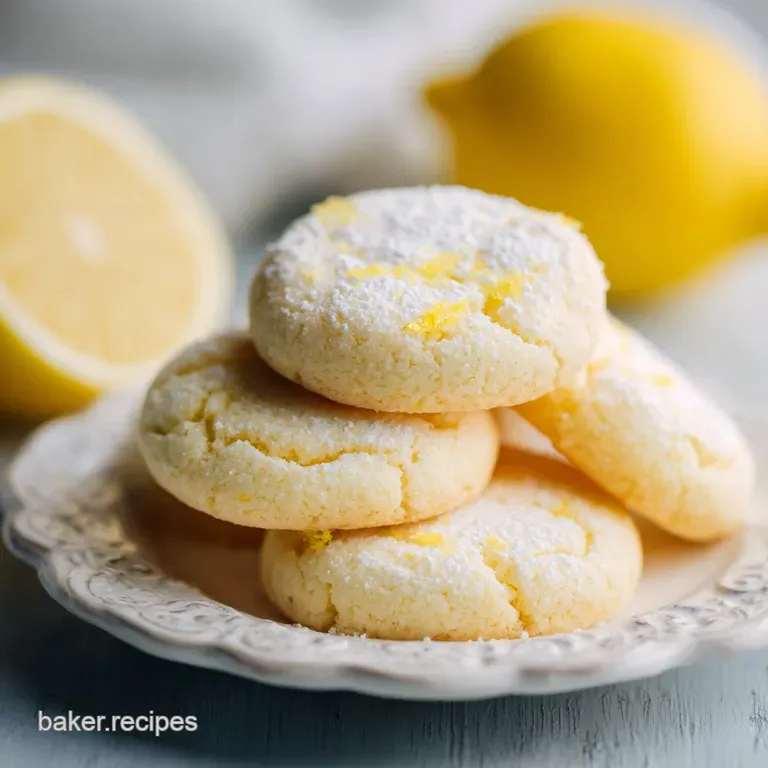
- Time: Active 15 minutes, Passive 10 minutes, Total 25 minutes
- Flavor/Texture Hook: Silky soft centers with a bright, zingy glaze
- Perfect for: Spring gatherings, tea parties, or cheering up a rainy Tuesday
Master My Favorite Lemon Sugar Cookies
I still remember the first time I tried to make lemon cookies. I just dumped some extract into a basic dough and hoped for the best. The result? It tasted like furniture polish. I was so disappointed because I wanted that punchy, fresh aroma that reminds you of walking through a lemon grove in the sun.
I realized then that lemon is a finicky friend; it needs a little coaxing to show its best side.
After years of tinkering, I found that the secret isn't more juice, but how you treat the zest. When you rub that yellow zest into granulated sugar, the whole kitchen starts to smell like a citrus dream.
It’s a small extra step, but it’s the difference between a "fine" cookie and one that disappears from the cooling rack before you can even grab a glass of milk. We're going for a texture that's soft but stable, not crumbly or cakey.
Why This Recipe Works
- The Citrus Oil Fusion: Rubbing 2 tbsp fresh lemon zest into 300g granulated sugar breaks the zest's cellular structure. This releases essential oils directly into the sugar, ensuring a deep, natural flavor throughout the entire Lemon Sugar Cookies batch.
- Acid Base Equilibrium: Using 2g cream of tartar alongside 5g baking soda creates a specific chemical reaction. This provides the signature "cracked" surface and a slightly tangy lift that complements the lemon juice perfectly.
- Starch Softening: Adding 8g cornstarch to the 345g all purpose flour inhibits excessive gluten development. This results in a velvety, tender crumb that stays soft for days instead of turning into a hard disk.
| Thickness | Bake Time | Internal Visual | Doneness Cue |
|---|---|---|---|
| 1.5 cm | 9 minutes | Pale and puffy | Edges just set, center looks soft |
| 2.5 cm | 11 minutes | Slight cracking | Matte finish on top, barely golden base |
| 3.0 cm | 13 minutes | Visible cracks | Firm edges, no shine in the middle |
When you are aiming for that specific soft baked texture, the "Visual Cue" is actually more important than the timer. These cookies don't brown like a chocolate chip cookie does. If you wait for them to turn dark golden, you've gone too far and they will lose that melt in-the mouth quality.
Keep a close eye on the shine; once the top looks matte instead of wet, they are ready to come out and firm up on the pan.
Essential Ingredient Component Analysis
| Ingredient | Science Role | Pro Secret |
|---|---|---|
| Unsalted Butter (226g) | Fat provides structure and flavor. | Use high-quality butter with 82% fat for a richer mouthfeel. |
| Granulated Sugar (300g) | Sweetens and assists in browning. | Rubbing it with zest creates a "scented sugar" that permeates the dough. |
| All Purpose Flour (345g) | Provides the bulk and structure. | Weigh it with a scale to avoid a dry, heavy cookie. |
| Cream of Tartar (2g) | Adds acidity and prevents crystallization. | It’s what gives sugar cookies that classic, slightly "pillowy" chew. |
Selecting your elements is about more than just grabbing what's in the pantry. If you want a classic base that never fails, check out this How to Bake recipe for my family's favorite sugar cookie. It’s a great way to see how the basic ratios change when you aren't adding the acidity of lemon. For this lemon version, the salt is also vital don't skip those 2g of sea salt because they balance the sugar and make the citrus pop.
Tools Needed for Success
You don't need a professional bakery setup, but a few specific items make this much easier. A stand mixer is your best friend here because we need to cream the butter and sugar for a full 3 to 4 minutes to incorporate air.
If you don't have one, a sturdy hand mixer works too, just be prepared for a bit of an arm workout. I also highly recommend using a Microplane or a very fine grater for the 2 tbsp of zest; you want tiny flecks, not long strings of peel.
Silicone baking mats or parchment paper are non negotiable for me. They prevent the bottoms from browning too quickly and make cleanup a breeze. Also, a standard cookie scoop (about 2 tablespoons or 30ml capacity) ensures that every cookie is the same size, which means they all finish baking at the exact same time.
Chef's Tip: Freeze your lemons for 10 minutes before zesting. It makes the skin firmer and much easier to grate without hitting the bitter white pith.
step-by-step Instructions
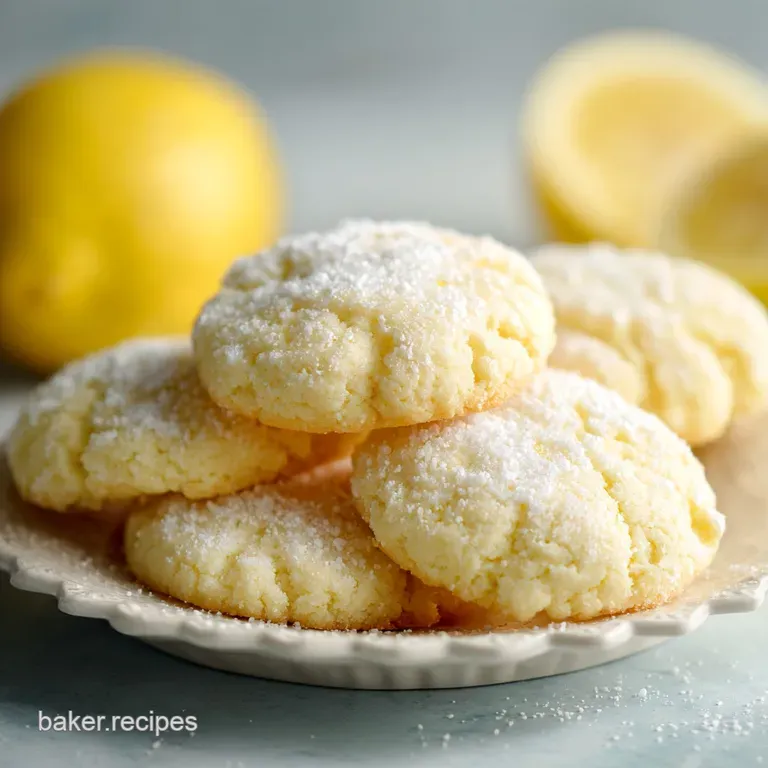
- Prep the oven. Preheat your oven to 180°C and line two large baking sheets with parchment paper. Note: This ensures the heat is stable before the first tray goes in.
- Infuse the sugar. In a small bowl, combine 300g granulated sugar and 2 tbsp fresh lemon zest. Use your fingers to rub the zest into the sugar until the sugar looks damp and smells intensely fragrant.
- Cream the fats. Beat 226g softened butter and the lemon infused sugar in a stand mixer until the mixture is pale and fluffy. This usually takes 3 to 5 minutes on medium high speed.
- Emulsify the liquids. Add 1 large egg, 1 tbsp fresh lemon juice, and 5ml vanilla extract. Beat until completely combined and velvety.
- Whisk the dry. In a separate bowl, whisk together 345g flour, 8g cornstarch, 5g baking soda, 2g cream of tartar, and 2g fine sea salt. Note: Whisking aerates the flour and prevents clumps of baking soda.
- Combine the dough. Slowly add the dry ingredients to the wet. Mix on low until just a few streaks of flour remain, then finish by hand with a spatula.
- Scoop and roll. Form 2 tablespoon sized balls of dough. Place them on the trays, leaving 5 cm of space between them. Do not flatten them.
- Bake the batch. Bake for 9 to 11 minutes until the edges are set and the tops have lost their shine.
- Cool properly. Let the cookies sit on the hot pan for 5 minutes, then move them to a wire rack until they are completely cool to the touch.
- Glaze and finish. Whisk 120g powdered sugar with 30ml lemon juice. Drizzle over the cooled cookies and sprinkle with 1 tsp extra zest until the glaze shatters when bitten.
| Fresh Lemon | Bottled Juice | Result Difference |
|---|---|---|
| 100% Fresh | 0% Bottled | Vibrant, floral, and bright acidity. |
| Mixed | 50% Fresh / 50% Bottled | Decent flavor but lacks the aromatic punch. |
| Shortcut | 100% Bottled | Flatter flavor; often tastes metallic or overly sharp. |
Using fresh lemons is the only way to go here. Bottled juice contains preservatives that dull the flavor of the Lemon Sugar Cookies. Plus, you need the zest from the actual fruit to get that deep aroma anyway!
Common Mistakes and Troubleshooting
Cookies Spreading Too Much
If your cookies come out as one giant sheet on the pan, your butter was likely too warm. When butter is "greasy" rather than "softened," it loses its ability to hold air. This causes the structure to collapse the moment it hits the oven heat.
Another culprit is a warm baking sheet never put raw dough onto a tray that just came out of the oven.
Dry and Crumbly Texture
This usually happens if you've added too much flour. Since we are using 345g, even a little extra can make the dough tough. If you don't have a scale, use the "spoon and level" method rather than scooping the measuring cup directly into the flour bag.
Also, overmixing the dough once the flour is added will develop too much gluten, leading to a bready rather than soft cookie.
| Problem | Root Cause | Solution |
|---|---|---|
| Cookies are flat | Butter was too melted | Chill dough for 30 mins before baking |
| No "cracked" top | Oven temp too low | Verify oven with an external thermometer |
| Glaze is runny | Too much juice added | Whisk in more powdered sugar 1 tsp at a time |
- ✓ Cream the butter and sugar for at least 3 minutes (adds essential air)
- ✓ Use room temperature eggs (prevents the butter from curdling)
- ✓ Check your baking soda (it should fizz instantly if mixed with vinegar)
- ✓ Don't overbake - they should look slightly "under" when they come out
- ✓ Zest the lemon before juicing it (it's nearly impossible the other way around)
Creative Mix and Variations
If you're feeling adventurous, you can swap the lemon for lime or blood orange. A Lime Sugar Cookie with a pinch of ginger is absolutely refreshing. For a floral twist, add 1 tsp of dried culinary lavender to the sugar while you rub in the zest. It creates a sophisticated flavor profile that's perfect for a brunch.
For an extra citrus kick, top these with my Zesty Lemon Sunshine Buttercream recipe. It transforms these from a simple tea cookie into a decadent dessert. If you want a bit of crunch, you can roll the dough balls in coarse sanding sugar before baking instead of using the glaze.
Storing Your Lemon Treats
These cookies stay soft for up to 4 days if kept in an airtight container at room temperature. If you find they are starting to firm up, put a small piece of white bread in the container; the cookies will absorb the moisture from the bread and soften right back up. It’s an old trick, but it works every time.
You can also freeze the baked cookies for up to 3 months. Just make sure the glaze has completely set before stacking them with parchment paper in between. To reuse scraps or extra zest, I like to toss them into a jar of sugar to create "lemon sugar" for my morning coffee or tea.
Serving and Pairing Ideas
I love serving these alongside a cold glass of Earl Grey iced tea. The bergamot in the tea mirrors the citrus in the cookies perfectly. If you're hosting a dinner party, a small platter of these Lemon Sugar Cookies looks beautiful next to a bowl of fresh raspberries.
The tartness of the berries cuts through the sweetness of the glaze.
If you want to go all out, use two cookies to make an ice cream sandwich with high-quality vanilla bean ice cream. The soft texture of the cookie won't break when you bite into it, making it the ideal vessel for a frozen treat.
Trust me, once you master this recipe, it will become your go to whenever you need a little bit of sunshine in your kitchen.
Recipe FAQs
Can I substitute bottled lemon juice for fresh juice?
No, fresh juice is strongly recommended. Bottled juice often contains preservatives that dull the brightness and can introduce a slightly metallic taste to the final cookies.
What is the primary purpose of rubbing the lemon zest into the sugar?
It releases the essential oils directly into the sugar. This technique ensures a deep, natural lemon flavor permeates the entire dough, rather than just tasting like surface flavoring.
How do I prevent the Lemon Sugar Cookies from spreading flat during baking?
Ensure your butter is only softened, not melted or greasy. If the butter is too warm, the structure collapses in the oven; chilling the dough for 30 minutes before baking also helps set the shape.
Is it true that using cornstarch makes the cookies dry?
False. The cornstarch actually inhibits gluten formation, which is key to achieving the intended velvety, tender crumb instead of a tough or bready texture.
How long should I cream the butter and sugar together?
Cream for a full 3 to 5 minutes on medium high speed. This step is vital for incorporating the air necessary for lift, similar to the aeration technique required for a light cake base.
How do I tell when the cookies are done baking if they don't brown much?
Watch for the surface to lose its wet shine and turn matte. The edges should just appear set, but the center will still look soft; they continue setting up significantly on the hot baking sheet.
What is the best way to store leftover cookies to maintain softness?
Store them in an airtight container at room temperature with a slice of white bread. The cookies will absorb the bread's moisture, restoring their soft texture over a few hours.
Lemon Sugar Cookies Recipe
Ingredients:
Instructions:
Nutrition Facts:
| Calories | 193 kcal |
|---|---|
| Protein | 1.8 g |
| Fat | 8.2 g |
| Carbs | 28.9 g |
| Fiber | 0.4 g |
| Sugar | 17.6 g |
| Sodium | 88 mg |
