Managed Low Slow Bbq Pulled Pork Shoulder
- The BBQ Masterpiece: It's All About Control
- Getting Started: Mastering the Menu and the Tools
- The Core Meat: Your 8-Pound Marvel
- Flavour Management: The Manager's Blend Rub
- The Essential Gear: Managing Temperature Control
- Prep Talk: Getting Ready for the Marathon
- The Long Haul: Managed Temperature Control and The Stall
- The Finish Line: Juice and Bark Management
- Let's Talk Sides & Plating
- Leftover Life Hacks
- Mix It Up: Swaps and Changes
- Quick Health Check
- Frequently Asked Questions
- 📝 Recipe Card
The BBQ Masterpiece: It's All About Control
Why Your Pulled Pork Needs A Manager
Oh my gosh, let’s talk about true, proper barbecue. If you’ve ever tried to cook a massive chunk of meat and ended up with something dry and sad, you know the pain.
That feeling of failing after 12 hours? Awful. Getting that silky, melt-in-your mouth texture isn't luck. It’s absolutely managed science.
This recipe for the slow cooked Boston butt preparation protocol is pure gold. It teaches you patience. It gives you the best smoky, tender flavour ever.
We are going to treat this pork like a highly valuable asset.
Conquering the Smoke Pit Drama
I spent years making flavourless pork shoulder. Seriously, I wasted so much money and time. Then I learned the true secret: managed temperature control .
We use a strict low and slow smoking technique . This method is the only way to break down those tough connective tissues perfectly.
Forget relying on guesswork. We use precision.
This isn't a quick dinner dash, mind you. Pulled pork is the undisputed king of American barbecue. It is a full day commitment.
But don't worry about the medium difficulty level. The actual steps are simple, honestly. We just need to focus on precision cook time estimation .
You need to plan for a full day of chilling out and monitoring the meat.
Beating the Dreaded Stall
The biggest drama in long BBQ cooks is conquering the stall in BBQ . That’s when the meat temperature stops rising for hours.
It’s annoying! You feel like giving up. We combat this using the pork shoulder Texas Crutch method here. This process helps us power right through that tricky plateau.
This technique requires constant monitoring meat probe accuracy . We need to be ruthless about hitting that internal number. You have to trust your equipment.
The Payoff: Bark and Juices
What’s the huge payoff for all that time? Insane flavour, obviously. Since we cook it for so long, the fat renders out beautifully.
We get incredible juice retention management locked inside. This means moist, tender meat every single time. Seriously, the tenderness we hit is unreal.
This dish is perfect for those massive summer garden parties. Imagine serving this alongside homemade coleslaw. Everyone will be absolutely queuing up for seconds.
That crispy, spicy crust from the rub is key to achieving perfect BBQ bark . We are chasing that optimal internal temperature .
That is the goal. Ready to get started on this very rewarding journey? Let’s look at the simple ingredients needed for true success.
Getting Started: Mastering the Menu and the Tools
Right then, before we get messy, let's talk shopping and gear. Honestly, cooking amazing pulled pork isn't about fancy gadgets.
It is about having the right core ingredients and one piece of non-negotiable kit. If you get the Boston butt preparation protocol right from the start, you are already halfway to achieving perfect BBQ bark .
This whole process is about making sure everything is properly managed . We need to manage the flavor, manage the moisture, and most importantly, manage the heat.
The Core Meat: Your 8-Pound Marvel
We start with the star: the pork shoulder. Get a big, beautiful bone-in Boston Butt , weighing around 6 8 lbs (3 4 kg) .
Don't skimp on quality here; look for nice marbling. That fat is flavour and moisture insurance!
You'll need a splash of binder too. I use a tablespoon of simple Yellow Mustard just to make the rub stick.
Trust me, you won't taste the mustard in the end product, but it is key for creating that beautiful crust.
Flavour Management: The Manager's Blend Rub
The rub is simple, but powerful. We need sugar for caramelisation and salt for penetration. My Manager's Blend uses a full 1/2 cup (120g) of packed Dark Brown Sugar essential for achieving that dark, desirable colour.
Combine that with 2 tbsp (30g) of Coarse Sea Salt and equal parts paprika, garlic powder, and pepper.
For moisture control, you need a quick spritz mixture. This simple solution helps with juice retention management during the low and slow smoking technique .
Just mix 1/2 cup (120 ml) of Apple Cider Vinegar with 1/2 cup (120 ml) of Apple Juice. Easy peasy.
The Essential Gear: Managing Temperature Control
Listen closely: if you take one thing away from this, it is to invest in a decent tool. We are talking about managed temperature control .
The single most important item is a Reliable Digital Meat Thermometer . You absolutely must be monitoring meat probe accuracy throughout the cook.
I once tried to wing it using an old oven dial, and honestly, the resulting dry pork was heartbreaking. I had wasted 12 hours! Never again.
That thermometer is your safety net. It allows for precision cook time estimation and tells us exactly when we need to start the Pork shoulder Texas Crutch method to finish strong.
You'll need a smoker, kettle grill, or simply your oven set to a constant 225° F ( 107° C) . Finally, grab some heavy duty Aluminium Foil or Pink Butcher Paper for when we start conquering the stall in BBQ later on.
Everything else shredding claws, a roasting pan you likely already have in the kitchen.
Prep Talk: Getting Ready for the Marathon
Oh, pulled pork. Honestly, it sounds so easy, but it is a genuine test of patience. Before we even think about smoke, we need to talk structure.
This whole process needs to be managed .
Start with the essential mise en place . Get your Boston butt preparation protocol sorted out first. Trim the excess fat, but leave a thin layer.
That fat melts into flavour gold. Give it a light coating of mustard as a binder. It sounds weird, I know, but you won't taste it.
It just helps the rub stick like glue, helping us in achieving perfect BBQ bark .
Now, the gear. You absolutely must have a reliable meat probe. We are dealing in hours, not minutes. You need absolute faith in your monitoring meat probe accuracy .
Check it against boiling water first. If the thermometer is off, your entire day is ruined. Trust me, I learned that the expensive way!
The Long Haul: Managed Temperature Control and The Stall
We are setting up for the classic low and slow smoking technique . Set your smoker or oven to a consistent 225° F ( 107° C) .
This managed temperature control is everything. Low and slow breaks down the tough stuff, turning a cheap cut into something incredible.
Insert your probe into the thickest part. Avoid the bone! Now, leave it alone for a few hours.
Around the six-hour mark, you'll see something frustrating happen. The temperature stops rising. This is "the stall." Don't panic! It is just moisture evaporating and cooling the meat.
I used to think I'd messed up the heat. To save time and lock in moisture, we deploy the famous Pork shoulder Texas Crutch method .
Once the temperature hits about 160° F ( 71° C) , pull it out. Wrap it tightly in heavy foil or butcher paper.
This technique is brilliant for conquering the stall in BBQ quickly. Return the wrapped pork to the heat immediately.
The Finish Line: Juice and Bark Management
We are now focused solely on reaching the optimal internal temperature . Forget the clock; time is just a suggestion. We are aiming for 200° F 205° F ( 93° C 96° C) .
That window is your sweet spot. This allows for precision cook time estimation that uses tenderness as the final metric, not hours.
Once you hit that number, pull it off the heat immediately . Do not unwrap it. The next step is mandatory: juice retention management .
I’ve seen people shred meat right away. Oh my gosh, that's just letting all the juice drain out!
Place the wrapped package into an empty cooler or wrap it in a towel. Let it rest for a full 60 minutes minimum.
This mandatory rest lets the juices redistribute back into the meat fibers. It’s non-negotiable. You have perfectly managed the temperature and the patience needed for ultimate success.
When you finally shred it, the bone should slide right out. Enjoy!
After all that effort all that focusing on monitoring meat probe accuracy and meticulously making sure a steady fire you've got a mountain of glorious, shredded pork.
You’ve successfully managed the process! Now, let’s talk about enjoying the spoils.
Let's Talk Sides & Plating
Honestly, the Boston butt preparation protocol is the hardest part. Serving is easy. You’ve spent hours achieving perfect BBQ bark . Don't hide it with too much sauce!
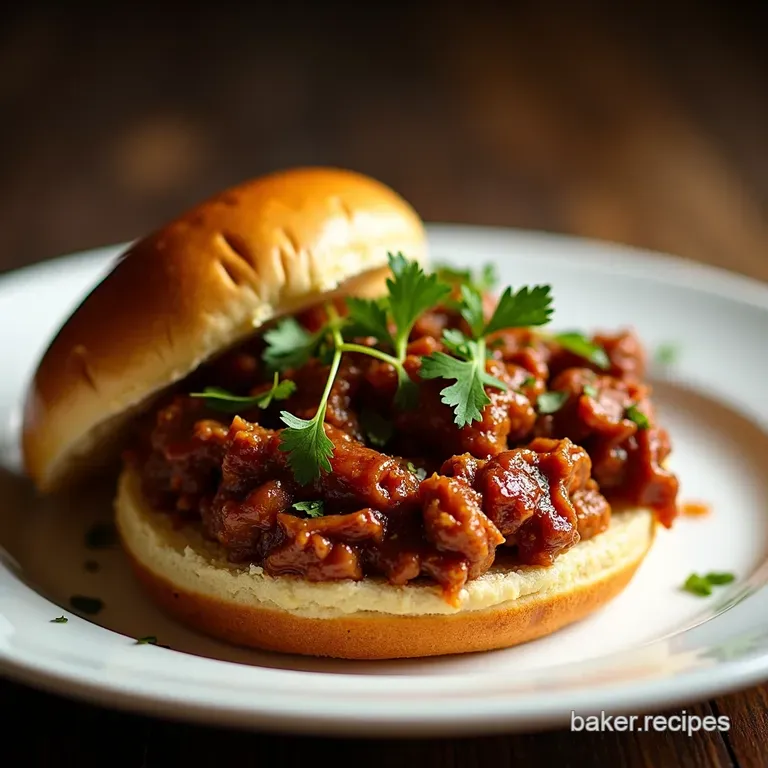
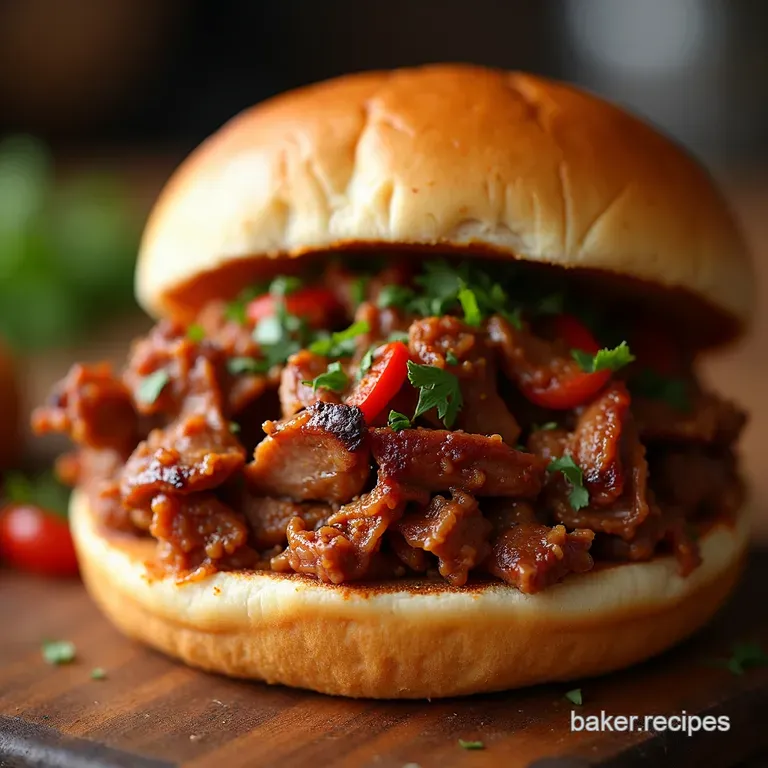
Keep the plating simple. I love stacking the meat high on a brioche bun. It must have a crisp, tangy coleslaw. The crunch cuts through the richness beautifully. It's non-negotiable, you know?
For the side, ditch the fancy stuff. A proper British style potato salad is always a winner. Or maybe grilled corn on the cob.
Simple food done brilliantly. To drink? Grab a cold, hoppy Pale Ale. It cleanses the palate perfectly. Cheers to your successful low and slow smoking technique !
Leftover Life Hacks
We always make too much. That's the secret to good pulled pork! Proper storage is critical for juice retention management .
The pork keeps brilliantly for 3 4 days in the fridge. Use an air-tight container. If you plan to freeze it, portion it out first.
Make sure it's fully cooled before sealing it tight.
Reheating is where things go wrong. If you blast it in the microwave, it will dry out. Total tragedy! I put the pork in an oven dish with a splash of apple juice or stock.
Cover it tightly with foil. Warm it slowly at 140° C ( 285° F) until it's steaming hot. That’s how you maintain managed temperature control even for leftovers.
Mix It Up: Swaps and Changes
The great thing about this recipe is its adaptability. We already spent a full day on the precision cook time estimation . Now, let's play with flavour!
If you're looking for a leaner option, swap the pork shoulder for turkey breast. Use the exact same rub! You have to be careful with turkey, though.
Since it’s so lean, you must wrap it sooner to prevent it from turning into shoe leather. Pull it at a lower optimal internal temperature of 74° C ( 165° F) .
The cooking time will be significantly reduced, but the flavour holds up!
For a seasonal twist, try changing your slaw. In autumn, I swap the cabbage for shredded apple and pumpkin. It tastes incredible with the smoky pork.
Also, if you want to skip the wrap, fine! But the Pork shoulder Texas Crutch method is the best way to handle conquering the stall in BBQ and keep things moist.
Quick Health Check
This dish is real food. It’s comfort food. It delivers a massive punch of protein. That protein is fantastic for keeping you full and rebuilding muscle.
You certainly earned it after standing over that cooker all day!
Yes, it has fat, but that’s essential for flavour and those long cooking times. We are aiming for quality, not counting every single calorie.
The fact that the process is so carefully managed ensures you are getting a safe, delicious, and nutrient dense meal.
You’ve mastered the hardest part! Go grab a bun. You nailed it. Enjoy every messy bite!
Frequently Asked Questions
What does 'managed' low and slow cooking actually mean, and why is it worth the effort?
The 'managed' approach simply means taking absolute control of the temperature and time, rather than letting the oven or smoker dictate the pace. By meticulously managing the internal temperature, especially through tricky phases like "the stall," we guarantee the complete breakdown of tough connective tissues (collagen).
It ensures a consistently moist, tender, and fall apart result every time it’s precision cooking, demanding patience but delivering a huge payoff.
Help! My pork temperature has completely stopped rising am I doing something wrong with the managed cook?
Absolutely not; you’ve just met 'The Stall,' a completely normal, if frustrating, part of the process! This happens when moisture evaporates from the surface, cooling the meat down internally.
The best way to manage it is to employ the "Texas Crutch," which means wrapping the pork tightly in foil or butcher paper when it hits 150°F (65°C). This seals in the moisture and heat, pushing it past this sticking point quickly so you can get on with dinner.
I've made a massive batch, what's the best way to store and reheat this glorious pulled pork?
Managed pulled pork freezes beautifully, making it perfect for efficient batch cooking. Allow it to cool completely, then portion it into vacuum sealed or heavy duty freezer bags, pressing out all the air; it will keep nicely for up to three months.
To reheat, the best method is to thaw overnight, then warm gently in a slow cooker or, for smaller portions, place the sealed bag in simmering water (sous vide style) for 15 20 minutes to retain all the moisture.
I’m not keen on pork shoulder; can I use this low and slow method for other joints of meat?
You certainly can adapt this cooking management technique for other meats! The method works wonderfully with beef chuck roast, although you’ll cook it slightly higher (aim for 205°F 210°F / 96°C 99°C) for ideal tenderness.
Alternatively, you can use a turkey breast for a leaner option, but remember to pull it much sooner, around 165°F (74°C), and wrap it early to prevent the meat from drying out completely.
How important is the mustard binder, and how do I get that perfect, robust ‘bark’?
The mustard is a top-notch culinary cheat! It adds zero flavour but acts purely as a tacky binder, ensuring your 'Manager's Blend' rub sticks like glue and allows that robust, flavourful bark (the delicious crust) to form properly.
To maximize your bark, make sure you rest the pork unwrapped in the fridge overnight after applying the rub, and go easy on the spritz during the first three hours of cooking.
Managed Low Slow Bbq Pulled Pork Shoulder
Ingredients:
Instructions:
Nutrition Facts:
| Calories | 525 kcal |
|---|---|
| Protein | 48 g |
| Fat | 33 g |
| Carbs | 7 g |
| Sodium | 450 mg |
