Charcuterie Board: Master Class in Assembly
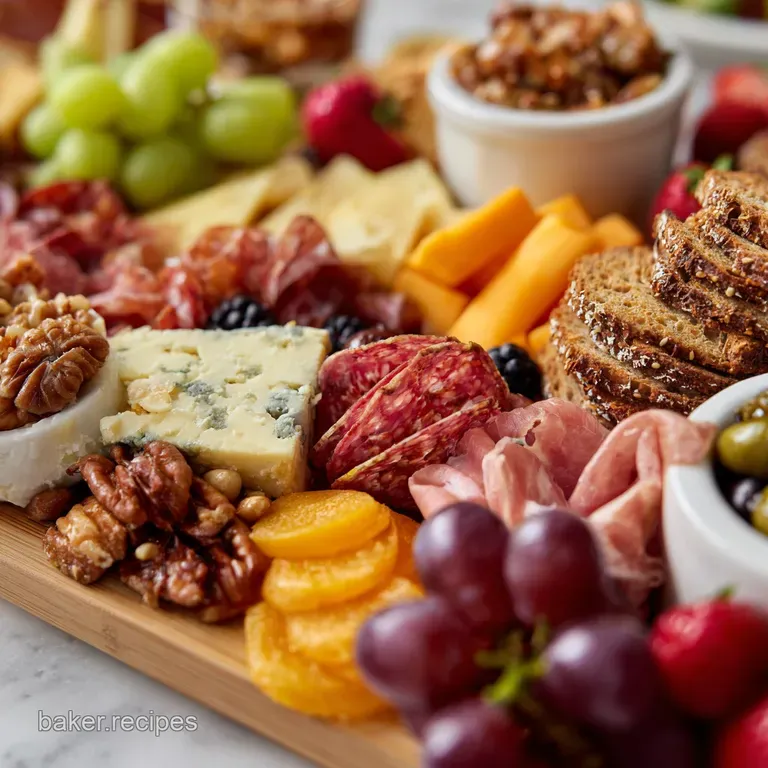
- The Continental Crowd-Pleaser: A Masterclass in Charcuterie Board Assembly
- The Philosophy of the Perfect Charcuterie Spread
- The Science of Flavor Pairing: Achieving Umami on the Board
- Curating Your Components: The Essential Shopping List
- Board Assembly Protocol: A Step-by-Step Guide to Plating
- Elevating Your Presentation: Expert Board Assembly Tips
- Preparing Ahead and Maintaining Freshness
- Suggested Pairings for Maximum Enjoyment
- Recipe FAQs
- 📝 Recipe Card
The Continental Crowd Pleaser: A Masterclass in Charcuterie Board Assembly
When a perfectly crafted Charcuterie Board arrives, it’s not just food; it’s an atmosphere. You hear the delightful crunch of a baguette slice, you smell the faint, tangy aroma of aged cheddar mingling with sweet fig jam, and you instantly know the night is going to be excellent.
I’ve spent years fumbling through appetizers, trying to manage hot ovens and complicated recipes, but nothing gives the instant, effortless "wow" factor that a thoughtful spread achieves.
This is the ultimate home cook’s secret weapon. It requires zero cooking, minimum stress, and can easily be scaled up or down based on who crashes the party. If you are looking for different charcuterie board ideas easy to execute, this framework is your lifesaver, blending affordability with visual grandeur.
It truly is the art of effortless entertaining.
So, ditch the complicated canapés and let’s talk strategy. This isn't just a list of ingredients; it's the architectural blueprint for building the most dazzling and balanced Charcuterie Board you’ve ever presented.
We’re moving beyond simply stacking items and learning how to pair flavors that sing.
The Philosophy of the Perfect Charcuterie Spread
Why This Recipe Works
This method works because it embraces the rule of three: balance, abundance, and contrast. Most people fail by sticking to all salty things or all soft things, resulting in a monochromatic, boring experience.
This approach forces you to seek out crunchy textures (nuts, crackers), acidic components (pickles, fruit), and varying richness (creamy Brie versus lean prosciutto). The best Charcuterie Board creates a journey for the palate, ensuring that no single bite is boring, and the next item always cleanses the palate for a fresh start.
We focus on strategic placement to make the whole presentation look dramatically more lush than the components individually.
The Science of Flavor Pairing: Achieving Umami on the Board
A stellar Charcuterie Board should hit all five basic tastes in delightful succession: salty, sweet, sour, bitter, and umami. Umami, that deep, savory satisfaction, comes primarily from the aged cheeses and cured meats.
By layering in sweet components and acidic brighteners, we ensure those rich, fatty umami flavors don't overwhelm the diner.
Defining 'Charcuterie': More Than Just Meats and Cheeses
The literal definition of charcuterie involves cooked and cured meats, a tradition dating back centuries. But today, the phrase has become shorthand for any stunning grazing platter.
When I talk about assembling a sophisticated Charcuterie Board , I mean intentionally choosing complementary flavors and textures. It’s less about rigidly adhering to the classical definition and more about maximizing the enjoyment of the cured meats alongside suitable cheeses and delightful, palate cleansing extras.
The Architecture of Entertaining: Balance and Visual Appeal
Visual appeal is mandatory. When you look at the best Charcuterie Board examples, they don't look sparse; they look abundant, even overflowing. This feeling of generosity is key to good hosting.
We achieve balance by distributing colors evenly don't cluster all the red grapes in one corner. Use bowls as anchors and build outward, ensuring the eye is always moving and discovering something new in every little nook of the board.
Chef’s Note: The biggest mistake I ever made was serving all my meats folded identically. It looked like a deli counter! Now I focus on varying shapes folding some salami, rolling others, and draping the prosciutto loosely. That contrast gives the board life.
Contrasting Textures: Creamy, Crunchy, and Crisp
Texture is arguably more important than flavor. Think about the sensory experience: the brittle shatter of a cracker, the satisfying resistance of sharp cheddar when you slice it, and the velvety melt of a room temperature Brie.
Always ensure you have a soft cheese, a hard sliceable element, and something crunchy like toasted nuts or cornichons. This textural contrast makes the entire Charcuterie Board endlessly interesting.
Mapping the Taste Profile: Sweet, Savory, Acidic, and Pungent
Every ingredient on your Charcuterie Board has a job. The meats are salty and savory; the hard cheeses are umami rich and nutty. You need sweet elements (jam, honey, grapes) to pair with the salt, and acidic items (pickles, olives) to cut through the fat. That pungency?
That comes from a sharp goat cheese or maybe a bold blue, providing a wake-up call for the taste buds. This strategic mapping ensures every combination guests create is phenomenal.
Curating Your Components: The Essential Shopping List

When building your ultimate Charcuterie Board , aim for variety without chaos. The goal is to spend your budget wisely on high-quality ingredients that offer maximum contrast. This is where strategic choices in food for charcuterie boards really pay off.
The Protein Pillar: Selecting Cured Meats
I always advise picking one star meat, one workhorse, and one spreadable item. Prosciutto di Parma is often the star it’s salty, silky, and easy to drape beautifully. For the workhorse, grab a good, firm salami that can hold a fold, like Sopressa or Genoa. For something different, consider a homemade option like Slow Cooked Beef Salami for Your Charcuterie if you want to impress! The spreadable item (pâté or rillettes) adds richness and a delightful mouthfeel, perfect for pairing with the tart cornichons.
| Ingredient | Role | Substitution Tip |
|---|---|---|
| Prosciutto | Silky, Salty Star | Thinly sliced smoked turkey or ham. |
| Salami | Firm, Spicy Workhorse | Pepperoni (for heat) or Mortadella (for smoothness). |
| Pâté | Rich, Spreadable | Hummus or a creamy vegetable spread (for vegetarians). |
Mastering the Dairy Duo: Hard, Soft, and Aged Cheeses
Variety is mandatory for charcuterie board cheese . Don't buy three types of cheddar; your board will suffer. You need a creamy friend (Brie, Camembert), a firm friend (sharp Cheddar, Gouda, Manchego), and a tangy friend (Goat cheese or Feta).
Remember, cut the hard cheeses ahead of time, but leave the soft cheeses whole this keeps them fresh and allows guests to cut their own portion, which feels fancy.
Accoutrements for Acid: Pickled Items and Brine
Never skip the pickles! That bracing acidity is vital to refresh the palate after a rich bite of salami and Brie. Cornichons, drained olives, pickled red onions, and pepperoncini are all excellent choices.
They provide not only essential acid but also a wonderful splash of color and brine that contrasts beautifully with the other, sweeter ingredients.
Stacking & Scooping: Vessels and Vehicle Selection
You need carriers for all those delicious meats and cheeses. Stick to mostly neutral, thin carriers like water biscuits or thin baguette slices, which won't compete with the complex flavors of the charcuterie board ingredients .
Always offer at least two types of crackers: one plain, one seedy or whole grain, just for that added textural interest.
Board Assembly Protocol: A step-by-step Guide to Plating
Building the Charcuterie Board is where the magic happens. Think of yourself as a floral designer, arranging elements to create visual balance and flow. This whole process takes about 20 minutes if you’ve prepped the ingredients.
Anchoring the Foundation: Placement of Bowls and Cheeses
Start big. Place your ramekins first the pâté, the jam, the olives, and the cornichons. These are your anchors; they are fixed points that cannot easily be moved. Next, place your cheeses. Spread them out across the board, ideally flanking the bowls.
Do not put your cheeses too close together. We are creating stations, not a dairy cluster. This is the core of smart Charcuterie Layout Ideas .
The Art of the Fold: Arranging Meats and Filling Negative Space
Now, for the meats. This is where you fill in the large, curved areas between the cheeses and bowls. The aim is abundance. For thin meats like prosciutto, roll them into loose, airy scrolls or rosettes and cluster them.
For sliced salami, try the "river" method: fold each slice in half, then fold again, and stack them tightly in a winding pattern. This gives height and texture and ensures the meats on a charcuterie board look plentiful.
Bridging the Gaps: Strategically Placing Fruits, Nuts, and Condiments
Use the fruits, nuts, and crackers to connect the different sections. This creates flow. Drape grapes naturally across a corner of the Cheddar block, or let them spill from a small bowl. Arrange the crackers and baguette slices in fanned piles along the edges.
Then, scatter the pecans or walnuts into all the little empty pockets. Don’t leave any wood showing. Use those smaller items to fill every last bit of negative space; it immediately upgrades the board’s look.
The Final Flourish: Garnish and Utensil Placement
Garnish is your final, easy win. A few small sprigs of fresh rosemary or thyme tucked into the fruit or meat sections adds beautiful color and a fantastic, fresh scent that contrasts the savory cured items. Ensure every item that needs cutting or scooping has its own dedicated utensil.
You absolutely do not want people using the olive fork to scoop the fig jam it’s just bad etiquette, and messy besides.
Elevating Your Presentation: Expert Board Assembly Tips
Remember to pull your cheeses out 30 minutes before serving. Cold cheese is flavorless cheese, and we put too much effort into procuring a great selection to let the chill ruin the experience.
I once rushed this step and served rock hard Brie; it was a disaster, and I spent the evening apologizing for my pale, waxy dairy choices. Never again.
Always add a drizzle of high-quality honey right over the goat cheese log just before serving. The combination of the tangy cheese and the floral sweetness is sublime, and the gentle shimmer catches the light beautifully, providing one of the most aesthetically pleasing elements of the Charcuterie Board .
When thinking of charcuterie board ideas , remember the vertical element. Stand some of those tall, rectangular crackers up in a shot glass or small bowl to add height and dimension.
Preparing Ahead and Maintaining Freshness
Pre-Chopping and Prep Work Checklist
You can definitely prep most of the items 24 hours in advance. Slice the cheeses (except the Brie/Camembert) and keep them wrapped tightly in plastic film. Place the pickled items and jams into their ramekins, cover, and refrigerate. Wash and dry all fruit thoroughly.
Keep the sliced baguette and crackers in an airtight container at room temperature. The key rule: Only slice apples and arrange the meat/crackers right before assembly. This prevents browning and keeps everything looking its best for the final presentation.
Refrigeration Guidelines for Leftovers
If you have leftovers from your impressive Charcuterie Board , promptly separate the items. Meats and hard cheeses can be kept wrapped tightly in the refrigerator for up to 3 days. Soft cheeses should be eaten or discarded after 24 hours due to exposure.
Sadly, crackers, bread, and most fruits (especially grapes) rarely fare well once they've been sitting out for hours, so try to estimate portions wisely.
Suggested Pairings for Maximum Enjoyment
This board isn't just a snack; it's a centerpiece, and the surrounding elements should complement its richness. These suggestions guarantee the whole experience is elevated.
Temperature Matters: Serving Food Safely and Optimally
Serving temperature is critical, especially for a Charcuterie Board . As mentioned, cheeses need to breathe. Conversely, cured meats are best served chilled, but not ice-cold.
If you are serving the board outdoors or in a warm environment, consider using a few smaller boards and replacing them every 60- 90 minutes with fresh, chilled items to maintain food safety and optimal flavor.
Budgeting and Procurement Strategies
Don’t feel like you have to buy a lot of every ingredient. The abundance comes from filling the board tightly, not from sheer volume. Stick to the "Rule of Three" for meats and cheeses, buying perhaps 4 5 ounces of each type.
Buy whole logs of salami when possible; they often cost less per pound than pre-sliced versions. Look for cheaper seasonal fruit (like pears in the fall) to bulk out the empty spaces instead of expensive exotic options.
The Rule of Three: Variety Without Overwhelm
For a truly elegant presentation, limit your choices. Three meats, three cheeses, and three accompaniments (one sweet, one acidic, one crunchy) is the magic number for an average sized board. This creates ample variety without overwhelming your guests or your grocery budget.
If you are doing a massive spread, you can extend to five, but the rule still applies focus on clear categories.
Drink Pairing Guide: Wines, Beers, and Non-Alcoholic Options
A great Charcuterie Board demands a thoughtful beverage pairing. For wine lovers, a crisp, acidic white like Sauvignon Blanc or a dry Rosé cuts through the richness of the Brie and salami perfectly. If you prefer red, stick to something lighter, like a Beaujolais. For beer, a light Saison or a crisp Pilsner is ideal. If you want a non-alcoholic option, chilled sparkling cider or a spiced cranberry cooler works wonders, especially if the board features a lot of sharp cheddar and tangy preserves. I also recommend checking out my tips for a stellar brunch spread by looking up my Smoked Salmon Bagel Board Easy Brunch Recipe .
This comprehensive guide should give you all the confidence you need to create your own signature Charcuterie Board . It’s not about perfect cooking; it’s about perfect pairing and effortless presentation. Go forth and graze!
Recipe FAQs
How long can a charcuterie board safely sit out at room temperature?
Due to the perishable nature of deli meats and soft cheeses, the assembled board should ideally not remain unrefrigerated for more than two hours. If you are entertaining outdoors or in a warm environment, consider using a chilled serving stone or swapping out components frequently to maintain food safety.
Always refrigerate leftovers immediately.
What is a good rule of thumb for calculating the amount of meat and cheese per guest?
For appetizers, plan for about 2-3 ounces of total charcuterie (meat and cheese combined) per person. If the board is intended to be the main meal, increase this quantity to 4-5 ounces to ensure everyone gets a substantial selection.
Always include a few extra ounces of crackers and bread, as these are consumed quickly.
Can I assemble the charcuterie board entirely ahead of time?
You can pre-slice cheeses and meats, and prepare accompaniments like olives and dips, up to 24 hours in advance, keeping them stored separately and airtight in the refrigerator. However, the final assembly and placement of crackers, breads, and delicate garnishes should happen no more than 30 minutes before serving to maintain freshness and texture.
Hard cheeses are the exception and can be placed on the board earlier.
How can I adapt this recipe for vegetarian or fully vegan guests?
Focus on robust, plant based alternatives like marinated tofu, high-quality vegan cheeses (cashew or almond based), and plenty of cured vegetables. Use spreads like hummus, baba ghanoush, or olive tapenade in place of traditional pâtés, ensuring the board offers ample texture variety through nuts and seeds.
Consider dividing the board into clearly marked sections for clarity.
My crackers and crusty breads sometimes get soft while sitting on the board. How can I prevent this?
The softness usually results from moisture transfer from wet items like jams, fresh fruit, or highly oiled olives placed too closely to the bread items. Always place wet components in small, contained ramekins or separate sections of the board, using the rind of hard cheese as a barrier if necessary.
Replenishing the crackers throughout the event ensures peak crispness.
What are effective, budget friendly substitutions for expensive imported cured meats?
Look for high-quality domestic specialty items such as thinly sliced pepperoni, high grade salami, or well seasoned cured sausages which are often priced lower than imported prosciutto or Spanish jamón.
You can also bulk up the board with inexpensive gourmet pâtés, cornichons, and olives to add visual interest and substance without high cost. Ensure your budget items still prioritize flavor and texture diversity.
Should all the cheeses be served cold, or should they be at room temperature?
Cheeses, especially soft and semi firm varieties like Brie or Goat Cheese, should always be served at room temperature (ideally after sitting out for 30-60 minutes) as this allows their complex aromas and flavors to fully develop.
Serving cheese too cold dulls the taste and hardens the texture, making it less enjoyable to eat. Hard cheeses like aged Gouda can handle being slightly cooler, but room temperature is still preferred for optimal presentation.
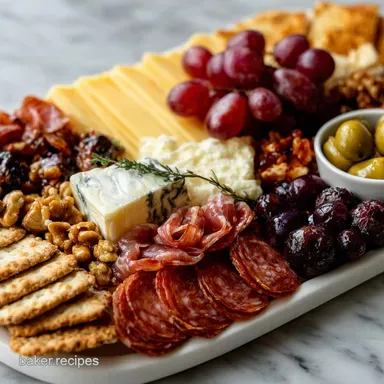
Master Charcuterie Board Assembly
Ingredients:
Instructions:
Nutrition Facts:
| Calories | 959 kcal |
|---|---|
| Protein | 38.6 g |
| Fat | 71.1 g |
| Carbs | 41.3 g |
