Proper Pint of Comfort Old Fashioned Chicken Noodle Soup
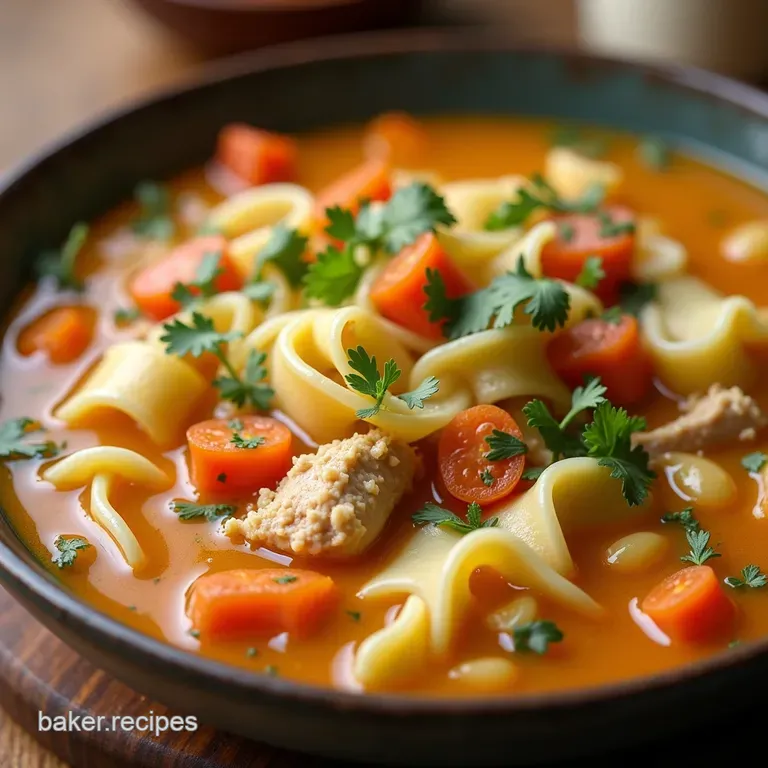
- Why This Old Fashioned Chicken Noodle Soup Redefines Comfort Food
- The Culinary Philosophy Behind a Truly Savoury Broth
- Assembling the Foundations of Flavour: Essential Components
- Mastering the Stock: Slow Simmering for Richness
- The Layering Technique: Building the Final Soup Structure
- Preserving the Magic: Storing Your Old Fashioned Chicken Noodle Soup
- Recipe FAQs
- 📝 Recipe Card
Why This Old Fashioned Chicken Noodle Soup Redefines Comfort Food
There is a sacred space reserved in the culinary world for genuine comfort food, and standing proudly at the apex of that category is a truly stellar Old Fashioned Chicken Noodle Soup .
This isn't merely a quick fix when a cold hits; it’s an experience a deep, resonating flavour that speaks of care, time, and tradition. We are bypassing the shortcuts here.
My goal is to guide you through creating a soup so profoundly savoury and satisfying that it immediately sets the standard for what homemade chicken noodle soup should taste like. This comprehensive exploration covers everything required to transform humble ingredients into a comforting masterpiece, centred entirely around developing a superior, rich stock.
The Culinary Philosophy Behind a Truly Savoury Broth
The single most distinguishing characteristic separating a memorable soup from a mediocre one lies squarely in the quality of its liquid foundation. For this old fashioned chicken noodle soup recipe , we commit to building that depth from the ground up.
Trading Convenience for Unforgettable Flavour Depth
While the allure of opening a can or carton of stock is strong, the flavour profile you gain from simmering a whole chicken bones, skin, and aromatics is exponentially richer. This process extracts collagen, gelatin, and deep, roasted chicken essence that simply cannot be replicated.
This slow extraction forms the backbone of what makes this old fashioned chicken noodle soup from scratch so compelling.
A Chef's Promise: The Hug-in-a-Bowl Guarantee
When you invest the time into developing this deeply golden broth, the resulting soup guarantees a certain warmth that permeates the eater. This commitment to quality ingredients and patience is what elevates the simple combination of chicken, carrots, and noodles into that coveted "hug-in-a-bowl" status.
Every spoonful should taste restorative.
Setting Expectations for Classic Homestyle Goodness
Understanding the time commitment is key to embracing this recipe. The total time reflects a significant simmering period necessary for optimal stock extraction. We are aiming for classic homestyle goodness, meaning texture and flavour must be balanced: the vegetables should be tender, the chicken succulent, and the broth should coat the back of a spoon slightly, offering a silky mouthfeel that defines the best old fashioned chicken noodle soup .
Assembling the Foundations of Flavour: Essential Components
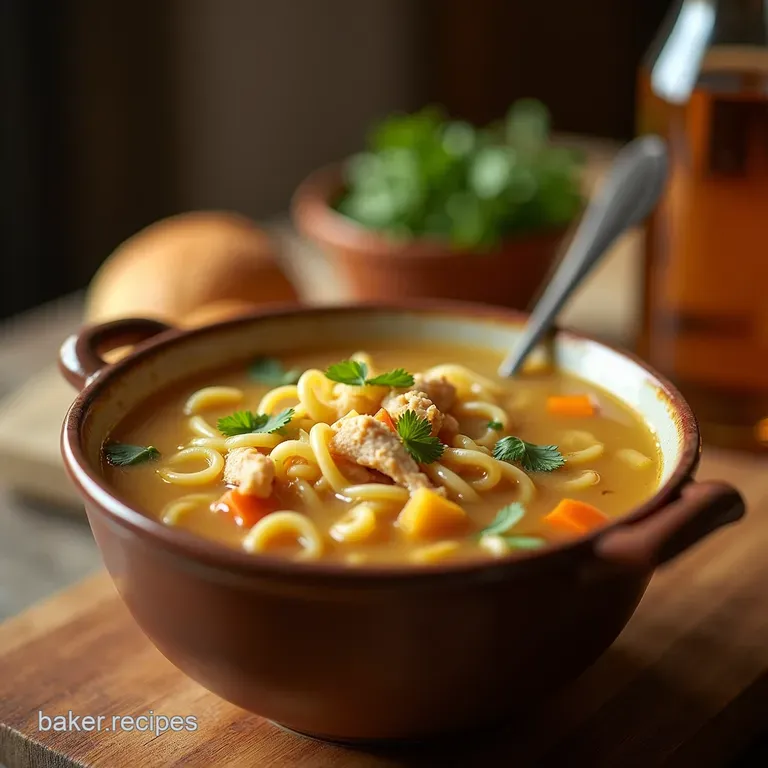
Creating this soup involves a phased approach, beginning with sourcing high-quality old fashioned chicken noodle soup ingredients . We divide our components into the stock builders and the final soup assembly elements.
The Aromatic Trinity: Mirepoix Preparation Essentials
The foundation of virtually all classic Western soups starts with the mirepoix : onion, carrot, and celery. For the stock phase, these vegetables can be roughly chopped as their essence is all we require. However, for the final soup base, these aromatics must be finely diced.
Slow sautéing this diced mirepoix in butter and olive oil until they are soft and sweet not brown releases their sugars and forms the secondary layer of flavour complexity.
Selecting the Optimal Chicken Cut for Stock Integrity
While you can certainly use boneless, skinless cuts, for the richest stock, I highly recommend using a whole chicken cut into pieces, or using a mixture of bone-in, skin-on chicken backs and wings.
The bones provide the necessary structure, and the skin yields essential fats and flavour compounds that enrich the final broth. This ensures the chicken meat you later shred for the soup is steeped in the most flavourful medium possible.
Secret Weapon Seasonings Beyond Salt and Pepper
While salt and pepper are non-negotiable final adjustments, the initial stock needs specific aromatic support. A sturdy bay leaf and whole black peppercorns are crucial for that authentic, clean flavour profile.
Plus,, fresh thyme sprigs added during the final simmer introduce an herbaceous brightness that cuts through the richness beautifully.
Essential Kitchenware for Scratch Stock Creation
The sheer volume of liquid involved necessitates the right tools. A very large stockpot ideally 8 quarts or larger is essential to ensure the chicken is fully submerged.
On top of that,, a fine mesh sieve, potentially lined with cheesecloth, is mandatory for straining the stock effectively, guaranteeing a clear, sediment free final product for our recipe with egg noodles .
Related Recipes Worth Trying
- The Golden Soufflé Puffy Baked Omelette with Gruyère — Learn how to make a glorious puffed baked omelette in the oven This easy baked omelette recipe is perfect for a showstopping Sunday brunch
- Easy Homemade Tomato Feta Soup with Whipped Feta — Forget the tinned stuff This Homemade Tomato Feta Soup uses roasted vegetables for a deeply tangy flavour An easy comforting Mediterranean hug in a bowl
- Easy PanSeared Chicken with Chunky ChipotleLime Salsa — Forget the slow cooker chicken and salsa This easy chicken and salsa recipe is panseared for a golden crust finished in 40 minutes total So zesty
Mastering the Stock: Slow Simmering for Richness
The stock phase requires patience, clocking in at approximately three hours of gentle simmering. It begins by placing the chicken pieces and rough aromatics into the large pot, covering them completely with cold water. The crucial first step is bringing this mixture slowly to a simmer over medium heat.
As impurities rise appearing as greyish foam skim them diligently off the surface during the initial 20 minutes. Once skimmed, reduce the heat to the lowest possible setting, allowing the pot to maintain the barest tremble of a simmer, covered partially, for the full three hours.
This slow, lazy cooking extracts gelatin without clouding the broth.
The Layering Technique: Building the Final Soup Structure
Once the robust stock is prepared, the cooking process shifts to layering textures and concentrated flavours to create the final comforting chicken noodle soup .
step-by-step Guide to Homemade Golden Broth
After the 3-hour simmer, carefully remove the cooked chicken pieces. Now, strain the remaining liquid through your fine mesh sieve into a clean container, discarding all the spent solids. This strained liquid is your golden, flavour packed stock.
We reserve about 8 cups of this precious liquid for the final soup structure.
Properly Shredding Chicken for Optimal Mouthfeel
Allow the reserved cooked chicken to cool sufficiently before handling. Systematically remove the skin and all bones. Shred the meat into bite sized pieces that are easily managed with a spoon. This meat, having cooked directly in the flavourful stock, is incredibly tender and moist, ready to be incorporated later.
When to Introduce the Noodles (Timing is Everything)
The choice of noodle profoundly impacts the final texture. For the quintessential experience, we utilize old fashioned chicken noodle soup with egg noodles . These must be introduced toward the end of the cooking process.
After sautéing the finely diced mirepoix, creating a light thickening agent with flour (a gentle roux ), and whisking in the reserved stock, bring the mixture to a simmer.
The noodles should only be added once the broth is simmering, cooking only for the duration specified on their package usually 6 to 8 minutes until perfectly al dente . Overcooking them will result in a gummy texture that ruins the structural integrity of the soup.
Final Adjustments: Achieving the Perfect Salinity Balance
Once the noodles are cooked through and the shredded chicken has been reintroduced to warm up (about two minutes before serving), the final flavour calibration begins. Taste the broth extensively. Because we salted lightly during the stock phase, the final seasoning is paramount.
Adjust with additional salt and freshly ground black pepper until the flavour profile sings. The brightness of the fresh parsley garnish, added at the very end, provides a necessary fresh lift.
Preserving the Magic: Storing Your Old Fashioned Chicken Noodle Soup
This magnificent homemade chicken noodle soup is wonderful immediately, but leftovers are even better the next day as the flavours continue to meld.
Freezer Friendly: Best Practices for Long Term Preservation
If you anticipate having excess, freeze the soup base without the noodles. Noodles absorb too much liquid and become unpleasant when thawed and reheated. Cool the broth/chicken/vegetable mixture completely, portion it into airtight, freezer safe containers, leaving headspace for expansion, and freeze for up to three months.
When ready to eat, thaw overnight, reheat gently, and cook a small batch of fresh noodles separately to add right before serving.
Troubleshooting Common Stock Clarity Issues
If your stock turned out cloudy rather than clear, it usually means the heat was too high during the initial simmer, causing the proteins to boil rapidly rather than rise gently. To salvage clarity in the final soup, simmer the strained broth very gently for another 30 minutes with one large, raw, egg-white coated whisk submerged and swirling slowly; the proteins bind the cloudiness, which can then be strained out again.
Vegetable Swaps and Herb Enhancements
While the classic mirepoix is sacred, feel free to integrate other root vegetables if desired. Thinly sliced parsnips or a few celery root chunks can add earthiness to the stock phase.
For herb variations, substituting thyme with a half teaspoon of dried marjoram and a hint of dried sage offers a slightly warmer, more autumnal profile to your recipe with egg noodles .
Pairing Suggestions for a Complete Homestyle Meal
To transform this robust soup into a complete feast, it begs for something crusty. Serve large bowls alongside thick slices of toasted sourdough bread, perfect for soaking up every last bit of broth.
Alternatively, a simple, fresh green salad dressed with a sharp vinaigrette provides a bright counterpoint to the soup’s inherent richness.
Recipe FAQs
Can I skip making the stock from scratch for this Old Fashioned Chicken Noodle Soup?
While the recipe shines when you make the stock from scratch, you absolutely can use high-quality, low-sodium store-bought chicken stock if time is of the essence. Just be sure to use at least 8 cups, and taste it first you might need to add a bit more salt and perhaps a splash of chicken bouillon base to deepen that flavour profile.
My soup broth looks a bit cloudy, what went wrong with the stock?
Ah, that usually happens if the liquid boils too vigorously during the simmering phase! For a clear stock, you want a very gentle 'shiver' on the surface, not a rolling boil. Also, make sure you patiently skim off that foamy scum that rises in the first half hour that’s the key to clarity, like polishing a silver teapot!
How do I stop the egg noodles from getting horribly mushy if I have leftovers?
This is a classic cook’s conundrum! The best trick is to cook the noodles completely separately until they are just shy of al dente, then shock them in cold water and drain. Store the noodles separate from the broth and meat, and only combine them in the bowl right before reheating that serving.
Can I make this soup ahead of time, or does it need to be eaten fresh?
This soup is brilliant for making ahead, as the flavours have time to meld overnight in the fridge. If you made the stock first, you can store it for up to five days, or freeze it for months. When you're ready to finish the soup, simply follow the steps from Step 7 onwards, adding the noodles at the very end.
I prefer white meat can I use only chicken breasts in the stock?
You can, but you’ll sacrifice flavour and texture! Breast meat tends to dry out rapidly during the long stock simmer, which is why the recipe suggests bone-in pieces. If you must use breasts, cook them separately (poach gently for 15 minutes) and shred them in at the end, using the bones/dark meat for the stock base for maximum flavour.
Old Fashioned Chicken Soup
Instructions:
Nutrition Facts:
| Calories | 400 Cal |
|---|---|
| Fat | 12g |
| Fiber | 3g |
