Olive Garden Salad Dressing
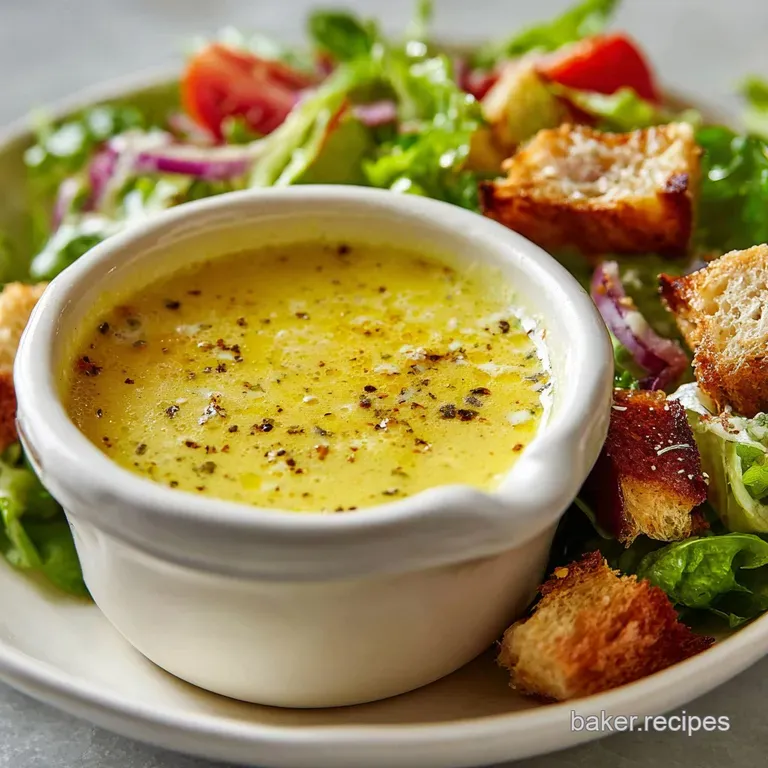
- Time: Active 10 minutes, Passive 0 minutes, Total 10 minutes
- Flavor/Texture Hook: Zesty, creamy, and herbaceous with a silky mouthfeel
- Perfect for: Weeknight dinners, meal prep, and hosting large family gatherings
- Mastering Homemade Olive Garden Salad Dressing
- Critical Measures for Dressing Success
- Analyzing Essential Component Roles
- Selecting Tools for Smooth Emulsions
- Step-by-Step Vinaigrette Construction
- Fixing Flavor and Texture Errors
- Troubleshooting Common Issues
- Modifying for Modern Health Needs
- Storing and Reusing Leftover Sauce
- Creative Ways to Use Vinaigrette
- Debunking Common Vinaigrette Myths
- Scaling the Recipe for Crowds
- Olive Garden Salad Dressing FAQs
- 📝 Recipe Card
You know that specific aroma when a server sets down a massive wooden bowl of greens, covered in those bright yellow peppers and heavy on the croutons? It’s the smell of dried oregano, sharp vinegar, and a hint of garlic that basically defines the casual Italian dining experience.
For years, I thought there was some industrial secret hidden in those bottles, but after making quite a few messy mistakes in my own kitchen, I realized it's actually about the balance of fats and the "glue" that holds them together.
We’ve all been there, you try to make a quick vinaigrette and it just separates into a puddle of oil on the bottom of the plate. It's frustrating and, honestly, a bit of a waste of good ingredients.
This recipe solves that by using a tiny amount of mayonnaise - not enough to make it a "creamy" dressing, but just enough to keep everything perfectly suspended and velvety.
This version of the Olive Garden Salad Dressing is exactly what you’ve been looking for if you want that restaurant style zing without the preservatives. We aren't doing anything fancy here, just mixing, whisking, and letting the ingredients do the heavy lifting.
Trust me on this, once you realize how easy it is to whip this up in ten minutes, you'll never look at the bottled stuff the same way again.
Mastering Homemade Olive Garden Salad Dressing
When we talk about this specific vinaigrette, we're looking at a complex balance of acidity and sweetness. The honey isn't just there for sugar, it helps round out the harsh edges of the white wine vinegar. I remember the first time I made this, I tried using just olive oil, and the flavor was a bit too heavy.
The secret to that light, restaurant style finish is actually a blend of oils. By using some avocado oil alongside the extra virgin olive oil, you get the flavor of the olive without the greasy coating on your tongue.
The Science of Why it Works
Stable Emulsification: The proteins and lecithin in the mayonnaise act as a bridge between the water based vinegar and the fats, preventing the dressing from breaking.
Flavor Extraction: The acidity in the lemon juice and vinegar softens the cell walls of the dried herbs, allowing their essential oils to permeate the entire batch.
Osmotic Balance: The salt and sugar (honey) interact with the parmesan cheese to create a savory "umami" profile that cuts through the bitterness of raw greens.
Chef's Tip: For a deeper flavor, whisk your dried herbs into the vinegar and honey first and let them sit for five minutes before adding any oil. This "blooms" the herbs, much like you would spices in a pan, but using acid instead of heat.
Another trick I've learned is to use a mason jar for the final mix. Mechanical shearing - the fancy term for shaking the heck out of it - breaks the oil droplets into much smaller spheres than a whisk ever could. If you want that perfectly opaque, yellow look, the jar is your best friend. It’s also much more convenient for storage. Similar to how we prep the base for a Sunshine Orzo Salad recipe, the order in which you introduce fats to acids determines the final texture.
Critical Measures for Dressing Success
Precision matters when you're dealing with emulsions. If you have too much oil, the dressing feels heavy; too much vinegar, and it’s unpleasantly sharp. We’re aiming for a specific ratio that allows the parmesan cheese to stay suspended rather than sinking to the bottom of the bottle.
| Component | Function | Pro Secret |
|---|---|---|
| White Wine Vinegar | Primary Acid | Use high-quality vinegar for a smoother, less "chemical" bite |
| Mayonnaise | Emulsifier | A single tablespoon provides the lecithin needed for a permanent bond |
| Parmesan Cheese | Umami/Texture | Grate it as finely as possible so it integrates into the liquid |
| Honey | Stabilizer | Helps thicken the consistency and balances the sharp lemon notes |
Building a great sauce is about more than just tossing things together. You have to consider how the ingredients interact over time. Because this dressing contains fresh lemon juice and cheese, it’s a living thing that changes as it sits.
The garlic powder will become more potent after an hour, so don't be tempted to add more right away if it tastes a bit mild at first.
Analyzing Essential Component Roles
The ingredient list for this Olive Garden Salad Dressing is focused on pantry staples that deliver maximum impact. Let’s look at why these specific items made the cut.
- 1/2 cup white wine vinegar: This is the backbone. It's milder than red wine vinegar but has more personality than plain white vinegar.
- 1 tbsp fresh lemon juice: Provides a "top note" of brightness that cuts through the rich oils.
- 2 tbsp honey: Adds viscosity and counteracts the vinegar's sharpness.
- 1/2 cup extra virgin olive oil: For that classic peppery, floral Italian flavor.
- 1/4 cup avocado oil: A neutral fat that lightens the overall texture.
- 1 tbsp mayonnaise: The secret "glue" for a silky emulsion.
- 1/4 cup finely grated parmesan cheese: Adds saltiness and a savory punch.
- 1 tsp garlic powder: Provides a consistent, savory base without the bite of raw garlic.
- 1 tsp dried oregano: The signature herb of the Italian American kitchen.
- 1/2 tsp dried basil: Adds a subtle sweetness.
- 1/2 tsp dried parsley: For a hint of earthy freshness.
- 1/2 tsp salt: Essential for making the other flavors pop.
- 1/4 tsp coarse black pepper: For a tiny bit of back of-the throat heat.
| Original Ingredient | Substitute | Why It Works |
|---|---|---|
| White Wine Vinegar | Apple Cider Vinegar | Similar acidity, though it adds a slightly fruity, autumnal note |
| Honey | Agave Nectar | Neutral sweetness and similar viscosity. Note: Dissolves faster than honey |
| Avocado Oil | Grapeseed Oil | Both are neutral and light. Perfect for maintaining the emulsion |
| Mayonnaise | Greek Yogurt | Provides protein for emulsification but adds more tang and a thicker body |
When you're choosing your parmesan, try to avoid the stuff in the green can if you can help it. The cellulose (anti clumping agent) in pre shaken cheese can make the dressing feel a bit gritty. A quick zip on a microplane with a block of real Parmigiano Reggiano makes a world of difference.
It's these little choices that take a recipe from "fine" to "I need the recipe right now."
Selecting Tools for Smooth Emulsions
You don't need a kitchen full of gadgets for this. In fact, keeping it simple usually leads to better results. For this Olive Garden Salad Dressing, the goal is high speed agitation.
- A Medium Glass Bowl: Glass is non reactive, which is important when you're working with high acid ingredients like vinegar and lemon.
- A Fine Whisk: Look for one with many thin wires; this incorporates air and breaks up oil droplets more effectively.
- A Mason Jar (12 oz or larger): This is my preferred tool. Shaking is faster than whisking and it doubles as the storage container.
- Microplane or Fine Grater: If you're grating your own cheese, you want it to be like dust so it disappears into the liquid.
If you're making a double or triple batch for a party, a blender or a small food processor can be useful. Just be careful not to over process it; you want an emulsion, not a thick mayonnaise. If you use a blender, add the oils in a slow, steady stream while the motor is running. This is the same principle I use when making a creamy base for a Garden Party Veggie recipe, where the texture needs to be consistent across the whole dish.
step-by-step Vinaigrette Construction
Right then, let's get into the actual building of the dressing. Follow these steps in order to ensure your emulsion stays tight and your flavors are balanced.
- Whisk the acids. Combine 1/2 cup white wine vinegar and 1 tbsp lemon juice in your bowl. Note: Starting with acids ensures the salt and honey dissolve completely.
- Add the sweeteners and salt. Stir in 2 tbsp honey and 1/2 tsp salt. Mix until no granules remain.
- Hydrate the herbs. Add 1 tsp garlic powder, 1 tsp dried oregano, 1/2 tsp dried basil, 1/2 tsp dried parsley, and 1/4 tsp black pepper. Let this sit for 2 minutes. Note: This softens the dried herbs for a better mouthfeel.
- Introduce the emulsifier. Add 1 tbsp mayonnaise to the bowl and whisk vigorously until no white clumps remain.
- Drizzle the olive oil. Very slowly, add 1/2 cup extra virgin olive oil while whisking constantly. Stop if you see oil pooling on the surface.
- Incorporate the neutral oil. Repeat the process with 1/4 cup avocado oil until the mixture looks thick and opaque.
- Fold in the cheese. Add 1/4 cup finely grated parmesan. Note: Adding the cheese last prevents it from getting coated in oil, which helps it stay suspended.
- Final agitation. Transfer the mixture to a jar and shake for 30 seconds until the color is a uniform, pale gold.
- Rest the dressing. Let it sit on the counter for at least 10 minutes before serving. Note: This allows the flavors to meld and the cheese to soften slightly.
Chef's Tip: If you want a truly "pro" look, add a pinch of turmeric. It won't change the flavor in such a small amount, but it gives the dressing that iconic, vibrant yellow hue found in the restaurant version.
Fixing Flavor and Texture Errors
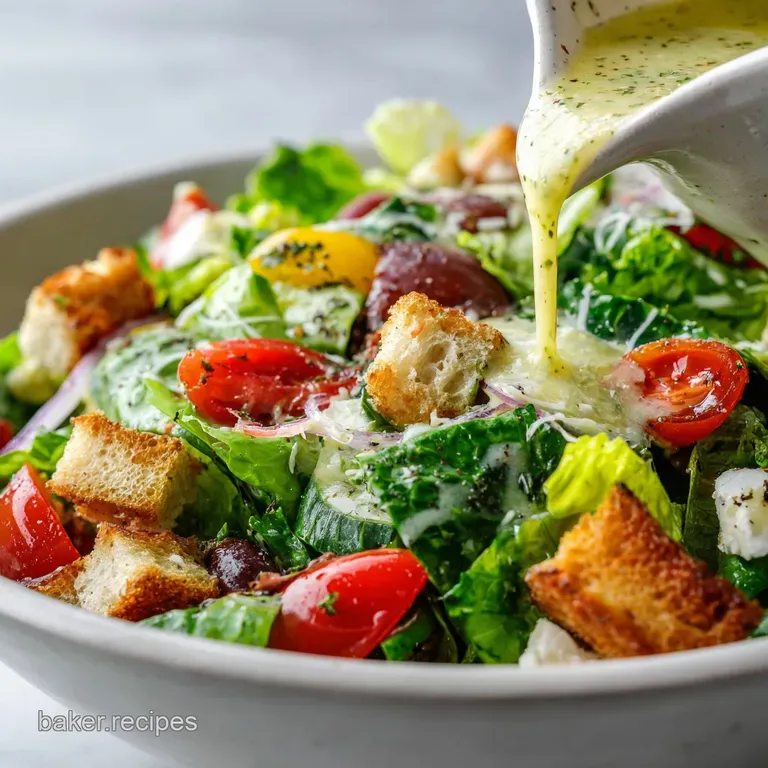
Even simple recipes can go sideways. If your dressing doesn't look or taste quite right, it's usually a quick fix. The most common issue I see is separation, which usually happens if the oil was added too quickly.
Troubleshooting Common Issues
| Issue | Solution | |
|---|---|---|
| Why Your Dressing Separates | If the oil and vinegar stay in two distinct layers no matter how much you stir, your emulsion has "broken." This usually means the droplets of oil were too large to be trapped by the mayonnaise. | Pro |
| Why Your Dressing Tastes Bitter | Sometimes, extra virgin olive oil can turn bitter if it's blended at high speeds in a food processor. The blades can break open the polyphenols in the oil. If this happens, try whisking by hand next t | |
| Why the Cheese Sinks | If your parmesan is sitting in a clump at the bottom, it's likely too heavy or the dressing is too thin. Ensure you’re using the "dust like" grated parm and that your emulsion is thick enough to suppo |
Modifying for Modern Health Needs
One of the best things about making your own Olive Garden Salad Dressing is that you control the ingredients. If you have dietary restrictions, you don't have to miss out on the flavor.
Keto Friendly Adjustments: To make this keto, simply swap the 2 tbsp of honey for a liquid monk fruit sweetener or erythritol. Since the sugar in honey is also a thickener, you might want to add an extra half teaspoon of mayonnaise to keep that velvety texture.
Vegan Variations: You can easily make this vegan by substituting the mayonnaise with a vegan mayo brand (often made with pea protein) and swapping the parmesan cheese for nutritional yeast. Nutritional yeast provides a similar "cheesy" umami flavor without the dairy.
low-fat Option: If you're watching your fat intake, you can replace half of the oil with a bit of vegetable broth or extra vinegar and water. Just be aware that this will significantly change the mouthfeel; it will be much thinner and won't cling to the lettuce as well.
Storing and Reusing Leftover Sauce
This dressing is a meal prepper's dream. Because of the high acid content and the shelf stable nature of most of the ingredients, it keeps quite well in the fridge.
- Storage: Keep the dressing in an airtight glass jar in the refrigerator for up to 2 weeks.
- The "Solid Oil" Issue: Don't panic if your dressing looks solid or cloudy after a night in the fridge. Extra virgin olive oil has a high freezing point and will solidify in cold temps. Just set the jar on the counter for 15 minutes and give it a good shake.
- Zero Waste Tip: If you have just a tablespoon or two left in the bottom of the jar, don't wash it out! Throw in some leftover roasted vegetables or even some cold pasta to make a quick lunch. The residual dressing acts as a perfect marinade.
You can also use this as a marinade for chicken or pork. The vinegar and lemon juice act as tenderizers, while the oils and herbs infuse the meat with flavor. I love marinating chicken breasts in this for 2 hours before throwing them on the grill. The sugars in the honey help create a beautiful char.
Creative Ways to Use Vinaigrette
While this is obviously intended for a big bowl of iceberg and romaine, its utility goes way beyond the salad bowl. It's essentially a well balanced Italian marinade that works on almost anything savory.
- The Endless Salad: To get the true experience, toss this with chopped iceberg, sliced red onions, black olives, pepperoncini, and plenty of croutons.
- Pasta Salad Base: This works incredibly well as a dressing for cold rotini or penne. Add some chopped bell peppers and salami for a full meal.
- Vegetable Dip: It's thick enough to be used as a dip for raw cucumbers, carrots, and radishes.
- Sandwich Zest: Drizzle a little bit over a turkey sub or an Italian hoer for that "deli style" finish.
If you're looking for a complete meal, try serving a salad with this dressing alongside a warm egg macaroni salad recipe or even a bowl of Classic French Onion Soup recipe. The contrast between the cold, zesty salad and a warm, savory soup is a classic combination for a reason.
Debunking Common Vinaigrette Myths
Myth: You need a blender for a "permanent" emulsion. While a blender helps, it's not a requirement. The "permanence" of an emulsion comes from the emulsifying agent (the mayo/lecithin), not just the speed of the blades.
A mason jar and some elbow grease are plenty for a dressing that won't separate for days.
Myth: Fresh herbs are always better than dried. In long lasting dressings, dried herbs are actually superior. Fresh herbs can oxidize and turn brown or slimy after 24 hours in vinegar.
Dried herbs, once rehydrated in the dressing, provide a consistent flavor that actually improves as it sits.
Myth: Salad dressing is just for salad. As we’ve discussed, this is a versatile kitchen tool. Think of it as a "flavor concentrate." Whether it's a marinade, a dip, or a sandwich topping, the balance of fat, acid, and salt is universally applicable to savory cooking.
Scaling the Recipe for Crowds
If you're hosting a big family dinner or a potluck, you'll likely need to double or triple this recipe. Here is how to do it without ruining the balance.
Scaling Up (2x or 3x): When doubling the recipe, you don't necessarily need to double the salt and pepper. Start with 1.5x and taste. You can always add more, but you can't take it out. Use a large blender or a stick mixer (immersion blender) for larger batches.
It’s much easier to maintain the emulsion in a large volume when using consistent power. If you're making a huge batch (4x or more), reduce the lemon juice slightly (by about 10%) as the acidity can become overwhelming in large quantities.
Scaling Down (1/2 batch): If you're only cooking for one, half a batch fits perfectly in a small jelly jar. Be careful with the mayonnaise; you still need that full tablespoon to ensure the emulsion holds, even in a smaller batch.
It’s better to have a slightly creamier small batch than one that separates.
Making your own Olive Garden Salad Dressing is one of those small kitchen wins that makes you feel like a pro. It’s fast, it’s reliable, and it tastes better than anything you can buy in a plastic bottle.
Once you've mastered the simple art of the shake and pour emulsion, you'll find yourself reaching for these ingredients every single time you see a head of lettuce in the crisper drawer. Enjoy that zesty, restaurant quality bite right at your own table!
Olive Garden Salad Dressing FAQs
What makes Olive Garden's salad so good?
It's the iconic, tangy dressing. The dressing's blend of vinegar, oil, parmesan, and a touch of sweetness creates a uniquely savory and bright flavor that coats the greens perfectly. This homemade version aims to capture that restaurant style zing using simple pantry ingredients.
Where can I purchase Olive Garden salad dressing?
Bottled versions are available in most major grocery stores. You can often find them in the salad dressing aisle. Olive Garden also sells their signature dressing at some of their restaurant locations, so it's worth asking on your next visit.
Does Dollar General sell Olive Garden salad dressing?
Possibly, but availability varies. Dollar General stores often carry a selection of popular branded salad dressings, including Olive Garden's. It's best to check your local Dollar General's inventory online or by visiting the store.
Does Olive Garden have ranch dressing for salad?
No, their signature salad dressing is unique. Olive Garden is famous for its creamy, tangy, Italian style vinaigrette, not a traditional ranch dressing. While they may offer other dressings for catering or specific dishes, the main salad comes with their signature blend.
How can I achieve a stable emulsion for homemade Olive Garden dressing?
Use a small amount of mayonnaise as an emulsifier. The lecithin in the mayo acts as a binder between the oil and vinegar, preventing separation. If you enjoyed mastering this stable emulsion here, see how the same principle applies to our Easy Homemade Tomato Feta Soup with Whipped Feta for creating a creamy texture.
What's the secret to the dressing's savory depth?
Finely grated parmesan cheese is key. It adds a salty, umami kick that balances the acidity and sweetness. Grating it as finely as possible, like dust, ensures it integrates smoothly into the dressing.
How long does homemade Olive Garden salad dressing last?
It keeps well in the refrigerator for up to two weeks. Store it in an airtight glass jar. Don't worry if the oil solidifies when cold; just let it sit at room temperature for a few minutes and shake well before serving.
Olive Garden Salad Dressing
Ingredients:
Instructions:
Nutrition Facts:
| Calories | 148 kcal |
|---|---|
| Protein | 0.6 g |
| Fat | 14.8 g |
| Carbs | 3.1 g |
| Fiber | 0.1 g |
| Sugar | 2.8 g |
| Sodium | 131 mg |
