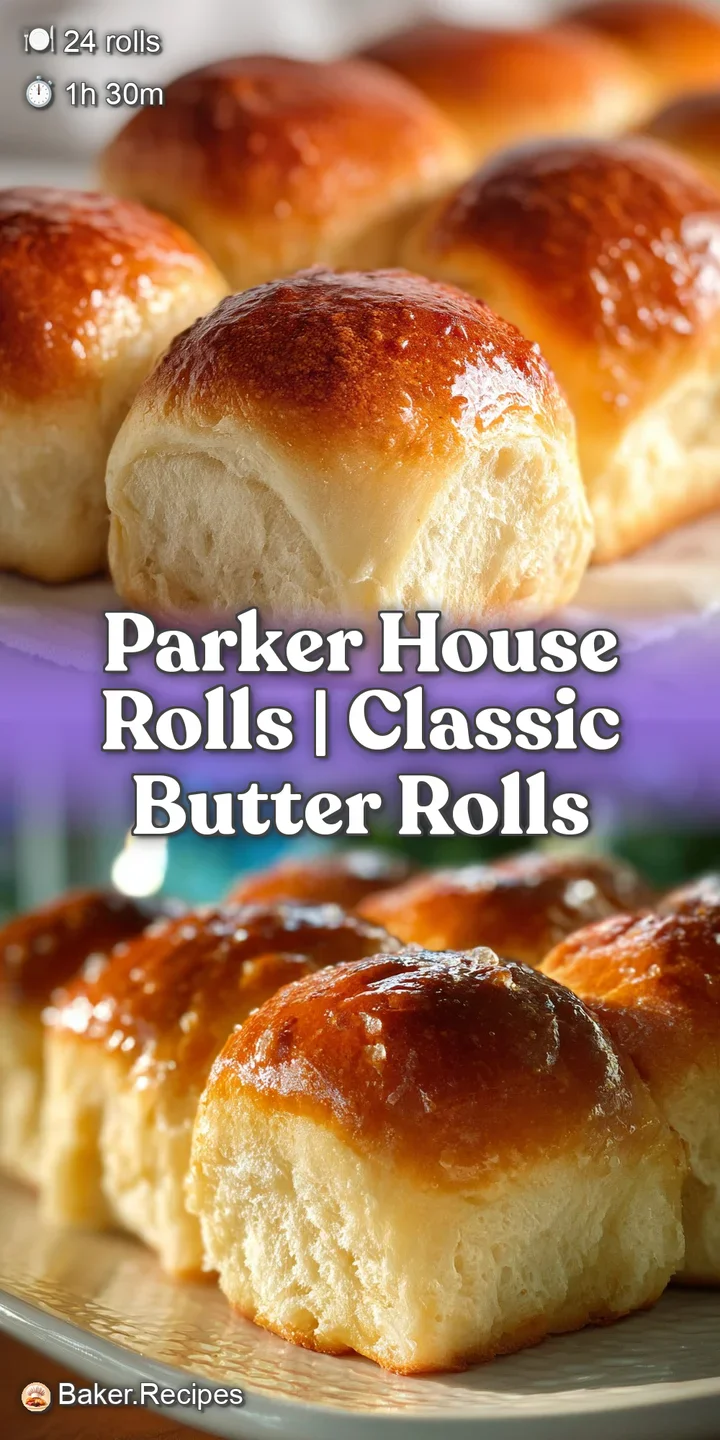
Parker House Rolls: Buttery & Tender
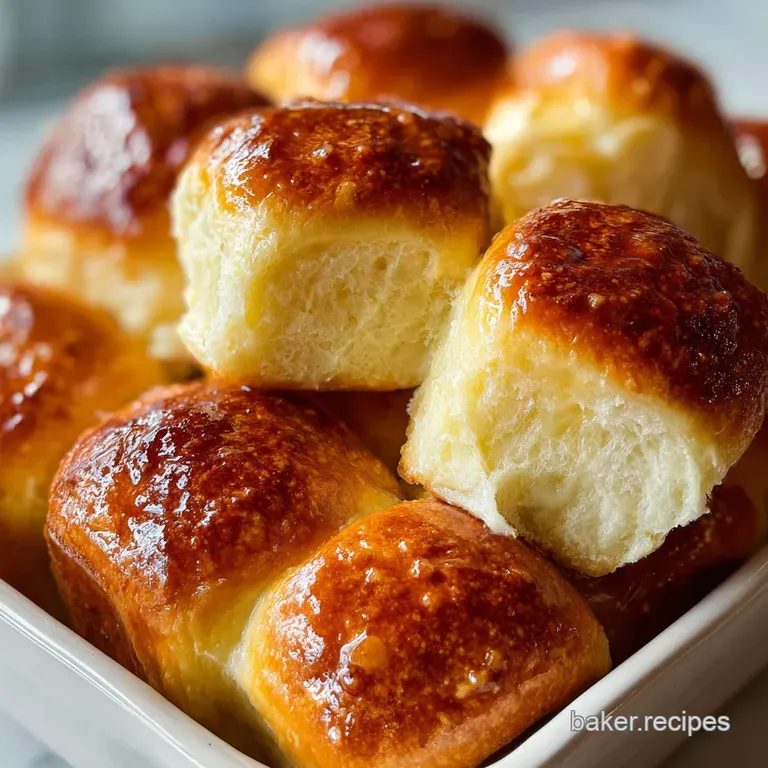
- Time: Active 15 minutes, Passive 1 hours 15 mins, Total 1 hours 30 mins
- Flavor/Texture Hook: Silky, buttery crumb with a golden, slightly salty crust.
- Perfect for: Holiday dinners, Sunday roasts, or beginner bakers wanting a reliable win.
- Creating Soft and Buttery Parker House Rolls
- The Essential Science Behind That Signature Velvety Crumb
- Timing and Texture Goals for Your Perfect Batch
- Assembling the Simple Pantry Staples for Enriched Dough
- Minimal Tools Required for High Quality Homemade Results
- Step by Step Folding and Baking for Golden Excellence
- Fixing Common Dough Issues for Light Airy Results
- Creative Flavor Swaps to Personalize Your Dinner Rolls
- Storing and Reheating Tips to Keep Rolls Fresh
- The Best Side Dishes and Spreads for Serving
- Parker House Rolls FAQs
- 📝 Recipe Card
Creating Soft and Buttery Parker House Rolls
There is a specific sound that happens when you pull a warm tray of bread out of the oven - a soft, crackling hiss as the steam escapes the golden crust. The first time I tried making these, I was obsessed with getting that signature "pocket" fold just right.
I remember standing in my kitchen, flour dusted up to my elbows, realizing that the real magic isn't just in the shape, it's the buttery perfume that fills the house. It's the kind of scent that makes people wander into the kitchen without even knowing why.
We've all been there: buying those plastic bags of rolls from the grocery store because yeast feels intimidating. Trust me, I used to be terrified of "killing" the yeast. But these rolls are different.
They're forgiving, they're plush, and they have this velvety texture that honestly makes the store-bought ones taste like cardboard. We are going for a crumb that is so soft it practically melts, held together by a thin, shimmering crust.
This version is all about modern simplicity. I've stripped away the fuss and focused on what actually makes a roll stand out: the fat content and the fold. We aren't looking for a crusty sourdough here; we want a roll that can mop up gravy or hold a swipe of honey butter with dignity.
It's a classic for a reason, but we’re making it work for a busy home cook’s schedule.
The Essential Science Behind That Signature Velvety Crumb
The Physics of the Pocket Fold
Steam Expansion: The folded dough creates a natural physical barrier that traps steam during the initial 5 minutes of baking, forcing the interior to stay moist while the outside crisps.
This mechanism prevents the roll from becoming a dense ball and instead creates a light, layered effect.
- Fat Interference: Using 6 tbsp unsalted butter and 1.5 cups whole milk coats the flour proteins, which physically prevents long, chewy gluten strands from forming.
- Sugar Osmosis: The 0.25 cup granulated sugar does more than sweeten; it helps the yeast thrive while drawing moisture into the crumb to keep it tender for days.
- Maillard Acceleration: The proteins in the egg and milk react with the sugar under heat to create that deep bronze color without overcooking the interior.
- Yeast Activation: Maintaining the milk at a warm temperature ensures the 2.25 tsp active dry yeast hits its metabolic sweet spot immediately.
| Roll Thickness | Oven Temp | Bake Time | Visual Cue |
|---|---|---|---|
| 0.5 inch (folded) | 375°F | 15 minutes | Deep golden tops and pale sides |
| 0.75 inch (thick) | 375°F | 18 minutes | Butter sizzles at the base |
| 1 inch (oversized) | 350°F | 22 minutes | Hollow sound when tapped |
The goal with this timing is to ensure the center reaches about 190°F. If you go too long, you lose that "squish" factor that makes these rolls famous. If you're looking for a different kind of handheld treat, you might find the technique in my Air Fryer Sausage recipe interesting for a savory twist.
Timing and Texture Goals for Your Perfect Batch
Understanding how ingredients interact is the difference between a "fine" roll and one that people talk about for weeks. We are looking for a high hydration dough that still feels manageable.
Component Analysis
| Ingredient | Science Role | Pro Secret |
|---|---|---|
| Whole Milk (1.5 cups) | Provides liquid for hydration and fats for tenderness | Scald the milk first to denature whey proteins for a higher rise |
| Active Dry Yeast (2.25 tsp) | Biological leavener that creates air pockets | Mix with sugar first to "feed" the yeast for a faster start |
| All Purpose Flour (4.5 cups) | Provides the structure and gluten network | Sift the flour if it’s been sitting in a tight container to avoid clumps |
| Unsalted Butter (6 tbsp) | Shortens gluten strands for a "short" crumb | Use European style butter for a higher fat to water ratio |
While the ingredients are simple, the way you handle them matters. Don't rush the rise. Yeast is a living thing, and it needs a warm, draft free spot to do its job. I usually pop mine in the oven with just the light turned on.
Assembling the Simple Pantry Staples for Enriched Dough
You likely have almost everything for Parker House Rolls in your kitchen right now. The key is ensuring your dairy is at the right temperature so you don't shock the dough.
- 1.5 cups whole milk Why this? The fat provides a silkier mouthfeel than skim or 2% milk.
- 6 tbsp unsalted butter, softened Why this? Softened butter incorporates into the dough more evenly than melted.
- 0.25 cup granulated sugar Why this? It tenderizes the crumb and feeds the yeast.
- 2.25 tsp active dry yeast Why this? Reliable leavening for a consistent 1 hour rise.
- 1 large egg, room temperature Why this? Acts as an emulsifier to bind fat and water.
- 4.5 cups all purpose flour Why this? Lower protein than bread flour keeps the rolls soft.
- 2 tsp kosher salt Why this? Regulates yeast growth and enhances the buttery flavor.
- 4 tbsp unsalted butter, melted Why this? For brushing between the folds and over the finished tops.
- 1 tsp flaky sea salt Why this? Provides a crunch and a pop of saltiness on the crust.
Substitution Table
| Original Ingredient | Substitute | Why It Works |
|---|---|---|
| Whole Milk | Full fat Oat Milk | High fat and sugar content mimic dairy well. Note: Slightly nuttier finish. |
| Granulated Sugar | Honey | Adds floral notes and keeps bread moist longer. |
| All Purpose Flour | Bread Flour | Provides a chewier, more substantial bite. Note: May need 2 tbsp extra liquid. |
Minimal Tools Required for high-quality Homemade Results
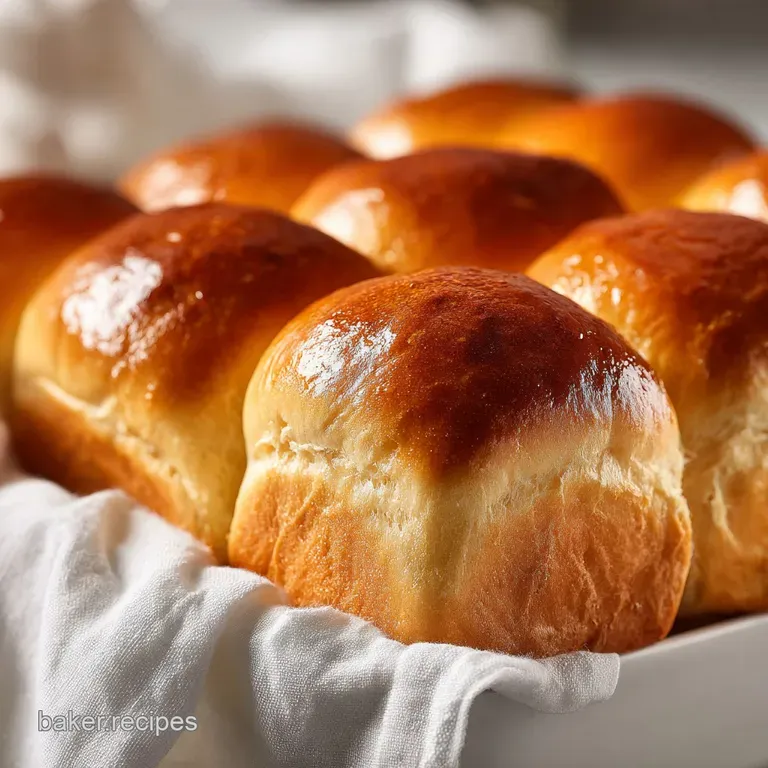
You don't need a fancy bakery setup for this. I've made these in tiny apartment kitchens with nothing but a bowl and a wooden spoon. However, a few specific tools make the process much smoother.
- Large Mixing Bowl: You need space for the dough to double in size without hitting the plastic wrap.
- Bench Scraper: This is my favorite "secret" tool. It helps you cut the dough cleanly without squishing the air out.
- 9x13 inch Baking Pan: A standard glass or metal cake pan works best to keep the rolls snug so they rise "up" instead of "out."
- Pastry Brush: Essential for getting that melted butter into the folds.
- Rolling Pin: Helps you get an even thickness before cutting your circles.
If you don't have a round cutter, a wide mouth mason jar or even a sturdy drinking glass works perfectly. Just dip the rim in flour first so the dough doesn't stick and tear.
step-by-step Folding and Baking for Golden Excellence
- Warm 1.5 cups whole milk to 110°F and stir in 0.25 cup sugar and 2.25 tsp yeast. Note: If it doesn't foam in 5 minutes, your yeast might be old.
- Add 6 tbsp softened butter and 1 large egg to the milk mixture, whisking until the butter breaks into small chunks.
- Stir in 4.5 cups flour and 2 tsp kosher salt until a shaggy dough forms.
- Knead the dough on a floured surface for 5-7 minutes until it feels smooth and bounces back when poked.
- Place dough in a greased bowl, cover, and let rise for 1 hour until it has doubled in size and looks puffy.
- Punch down the dough and roll it out on a floured surface to 0.5 inch thickness.
- Cut 3 inch circles using a cutter or glass, then brush each circle with melted butter.
- Fold each circle slightly off center (like a taco) and place them in a greased 9x13 pan with the fold facing up.
- Cover and let rise for 30 minutes while preheating the oven to 375°F.
- Bake for 15 minutes until the tops are deep golden and the kitchen smells like a bakery.
- Brush with remaining melted butter and sprinkle 1 tsp flaky sea salt immediately.
Wait at least 5 minutes before pulling them apart. That resting time allows the internal steam to settle, ensuring the crumb doesn't turn gummy when you bite into it.
Fixing Common Dough Issues for Light Airy Results
Why Your Rolls are Dense
If your rolls feel like hockey pucks, the most common culprit is "lazy yeast" or cold temperatures. If the milk was too hot (over 120°F), you may have killed the yeast. If it was too cold, they just need more time. Another reason is over flouring.
The dough should be slightly tacky, not dry and stiff.
Why the Folds Sprang Open
Parker House Rolls are known for that "clamshell" look. If they completely flattened out, you might not have pressed the fold firmly enough, or the dough was too springy from over kneading. Don't worry, they will still taste incredible, they'll just look a bit more like standard buns.
| Problem | Root Cause | Solution |
|---|---|---|
| Dough won't rise | Dead yeast or cold room | Move to a warmer spot or use fresh yeast. |
| Rolls are dry | Too much flour in the mix | Measure flour by weight or spoon and level method. |
| Crust is too dark | Sugar caramelizing too fast | Tent the pan with foil for the last 5 minutes. |
Common Mistakes Checklist
- ✓ Check yeast expiration before starting.
- ✓ Use room temperature eggs to avoid curdling the softened butter.
- ✓ Don't skip the second rise; it's what creates the airy interior.
- ✓ Brush with butter immediately after they exit the oven for maximum absorption.
- ✓ Ensure the milk is "finger warm," not steaming hot.
Creative Flavor Swaps to Personalize Your Dinner Rolls
If you want to move away from the classic buttery profile, these rolls are a fantastic canvas for experimentation. For a similar but even faster project, you might like my Fluffy Dinner Rolls recipe which uses a cake mix shortcut.
Savory Herb Variation
Mix 1 tablespoon of chopped fresh rosemary or thyme into the dry flour before mixing. When you brush the melted butter into the folds, add a pinch of garlic powder. The aroma while these bake is absolutely intoxicating.
Honey Glazed Swap
Instead of the flaky sea salt on top, whisk 1 tablespoon of honey into your final melted butter wash. This creates a sticky, sweet exterior that pairs perfectly with salty ham or roasted turkey.
Scaling and Adjustments
- To Halve (12 rolls): Use half of all ingredients. For the egg, whisk it in a small bowl and use 2 tablespoons of the mixture. Reduce baking time by 2-3 minutes.
- To Double (48 rolls): Double the ingredients but keep the salt and yeast at 1.5x to prevent the dough from rising too aggressively. Bake in two separate 9x13 pans.
- High Altitude: Increase oven temp by 15°F and reduce sugar by 1 tablespoon to prevent the structure from collapsing.
| Method | Time | Texture | Best For |
|---|---|---|---|
| Traditional Oven | 15 minutes | Crisp top, soft middle | Holiday feasts |
| Air Fryer | 10 minutes | Very crispy exterior | Small batches (4-6 rolls) |
| Cast Iron Skillet | 18 minutes | Fried bread bottom | Rustic Sunday dinners |
Storing and Reheating Tips to Keep Rolls Fresh
Bread is always best on day one, but these hold up surprisingly well thanks to the high fat content. Keep them in an airtight container at room temperature for up to 3 days. If you try to keep them in the fridge, they will actually go stale faster because of starch retrogradation.
Freezing: These are freezer superstars. Once completely cool, wrap the whole pan or individual rolls in plastic wrap, then foil. They stay fresh for up to 2 months. To serve, thaw at room temperature and warm in a 300°F oven for 5-8 minutes.
Zero Waste Tips: If you have leftovers that have gone a bit hard, don't toss them! They make the world's best French toast or bread pudding. Because of the high butter content, they caramelize beautifully in a skillet.
You can also pulse them in a food processor for buttery breadcrumbs to top a mac and cheese.
The Best Side Dishes and Spreads for Serving
These rolls are the ultimate utility player on a dinner table. They go with everything from a sophisticated prime rib to a simple bowl of chili. If you're looking for an appetizer spread, they are great alongside something spicy like my Southwestern Egg Rolls recipe.
Myths About Enriched Dough
One big misconception is that you need a stand mixer to make "real" rolls. Honestly, kneading by hand gives you a much better feel for the dough's hydration. You can feel the moment the gluten develops and the dough turns from a sticky mess into a silky ball. Another myth is that you must "scald" milk until it boils.
Modern pasteurization means we only need the milk warm enough to melt the butter and activate yeast.
Serving Suggestions
- Whipped Salted Honey Butter: Beat 1/2 cup softened butter with 2 tablespoons honey and a pinch of salt until fluffy.
- Sunday Roast Gravy: Use the rolls to "clean" the plate their structure is sturdy enough to hold up to heavy sauces.
- Mini Sliders: Use leftover rolls for ham and swiss sliders the next day. The fold makes them easy to split and fill.
Making Parker House Rolls is about the process just as much as the result. Don't stress if the folds aren't perfect or if they look a little rustic. Once you brush that final layer of melted butter over the top and hit them with a crunch of sea salt, nobody is going to care about the shape.
They'll be too busy reaching for a second one. Give it a try this weekend, and let the yeast do its thing you've got this!
Parker House Rolls FAQs
What's the difference between dinner rolls and Parker House rolls?
Parker House rolls are a specific type of dinner roll with a distinct shape and enriched dough. While both are soft and typically served with meals, Parker House rolls are known for their buttery, slightly sweet flavor from an enriched dough and their signature folded shape, resembling a clamshell or
half moon.
What is so special about Parker House rolls?
Their specialness comes from the rich, buttery dough and the unique folded shape that creates a natural pocket. This dough is often enriched with milk and butter, making it incredibly tender and soft.
The folding technique not only looks appealing but also helps to keep the inside moist and creates a lovely buttery infusion.
Does Costco sell Parker House rolls?
Availability varies greatly by location and season. While Costco sometimes carries artisanal baked goods, including rolls that might resemble Parker House rolls, they are not a consistently stocked item.
Your best bet for authentic Parker House rolls is often to make them at home, which is surprisingly straightforward.
What are Parker House rolls named after?
They are named after the historic Parker House Hotel in Boston, Massachusetts. Legend has it that a baker at the hotel, possibly Zebedee Collins, created them in the 1870s, and they quickly became a signature item, leading to their enduring name and popularity.
Can I make Parker House rolls ahead of time?
Yes, you can shape the dough up to 24 hours in advance and refrigerate it. Simply take the shaped rolls out of the refrigerator about 30-60 minutes before baking to allow them to come to room temperature and finish proofing before baking. This is a great make-ahead strategy for holiday meals.
What is the best way to reheat Parker House rolls?
Reheat them gently in a moderate oven for best results. For whole, unbaked rolls, bake as usual. For already baked rolls, wrap them loosely in foil and warm in a 300°F oven for 5-8 minutes until heated through. You can also brush them with a little melted butter before reheating for extra moisture.
Are Parker House rolls difficult to make?
No, they are surprisingly manageable for most home bakers. While they involve yeast, the enriched dough is quite forgiving, and the folding technique is more about presentation than complex pastry skills. If you enjoyed mastering the dough handling for our My Favorite Bake Cheesy Olive Rolls - Savory Appetizer Recipe, you'll find the process here equally rewarding.
Parker House Rolls
Ingredients:
Instructions:
Nutrition Facts:
| Calories | 149 kcal |
|---|---|
| Protein | 3.3 g |
| Fat | 5.7 g |
| Carbs | 20.7 g |
| Fiber | 0.6 g |
| Sugar | 2.8 g |
| Sodium | 285 mg |
