Peanut Butter No Bake Cookies: Fudgy and Chewy
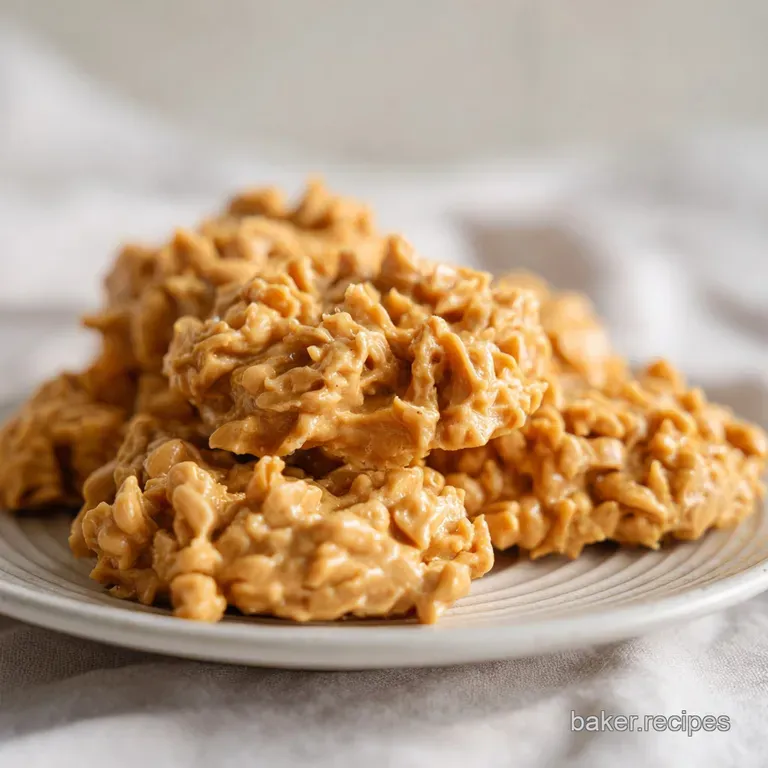
- Time: Active 10 minutes, Passive 35 minutes, Total 45 minutes
- Flavor/Texture Hook: Fudgy, nutty, and slightly chewy with a melt in-the mouth finish
- Perfect for: High energy snacks, summer treats, and budget-friendly dessert prepping
- Best Ever Peanut Butter No Bake Cookies
- The Secret to a Perfect Set
- Components for Your Cookie Deep Dive
- What You'll Need Today
- Simple Tools for Success
- How to Make Them Perfectly
- Fixing Common Cookie Problems
- Scaling the Recipe
- Debunking Cookie Myths
- Storage and Zero Waste
- Best Ways to Serve
- Recipe FAQs
- 📝 Recipe Card
Best Ever Peanut Butter No Bake Cookies
The kitchen is quiet, except for the rhythmic scraping of a wooden spoon against the bottom of a heavy pot. Then it starts the low rumble of bubbles turning into a frantic, frothy gallop. As the butter and coconut sugar meld, a scent that can only be described as liquid caramel fills the air.
It’s a warm, heavy aroma that sticks to the back of your throat in the best possible way. I remember the first time I made these on a rainy Tuesday when the oven was broken; I didn't think a "no bake" could ever compete with a warm chocolate chip cookie, but then I tasted that first bit of warm, fudgy batter off the spoon.
The magic happens the moment that peanut butter hits the hot syrup. It transforms from a simple spread into a glossy, silken river that coats every single oat. There’s something deeply satisfying about watching a few humble pantry staples turn into a tray of cookies in less time than it takes to preheat a traditional oven.
We aren't just mixing things together; we are creating a quick set emulsion that captures all that nutty richness in a bite sized format.
These cookies aren't the crumbly, dry versions you might have had at a bake sale years ago. By using natural peanut butter and a touch of maple syrup, we’re leaning into a more modern, slightly more sophisticated profile.
The addition of ground flaxseed isn't just for a fiber boost it actually helps bind everything together so the cookies don't turn into a puddle on your counter. Let's get into why this specific ratio works so well for your wallet and your sweet tooth.
The Secret to a Perfect Set
The success of these cookies doesn't depend on luck; it depends on a very specific physical reaction between the sugars and the fats. We are essentially making a very soft fudge that uses oats as a structural skeleton.
- Saturated Fat Stability: Using 115g of butter provides the fat solids needed to keep the cookies firm at room temperature once they cool.
- The Hard Ball Phase: Boiling the sugar and milk for exactly 60 seconds evaporates just enough water to allow the sugar crystals to relink in a semi solid state.
- Fiber Binding: The 300g of rolled oats and 30g of ground flaxseed act like tiny sponges, absorbing the excess moisture from the milk and maple syrup.
- Protein Structure: The proteins in the 250g of peanut butter denature slightly in the residual heat, helping to create that signature "fudge" snap when you bite into a cold cookie.
| Method | Total Time | Texture | Best For |
|---|---|---|---|
| Stovetop (This Recipe) | 15 minutes | Fudgy & Firm | Classic results with best flavor |
| Microwave | 8 minutes | Softer & Chewier | Absolute speed and kids helping |
| Cold Mix (No Boil) | 5 minutes | Very Soft/Sticky | Healthy raw snack bars (fridge only) |
Choosing the right method really depends on how much patience you have. I always stick to the stovetop because the flavor development from boiling the coconut sugar and butter together is leagues ahead of a quick microwave melt.
The coconut sugar gives it a slightly more toasted, complex sweetness compared to plain white sugar.
Components for Your Cookie Deep Dive
When we look at what goes into this pot, every ingredient is doing heavy lifting. We aren't just throwing things in for the sake of it; we're building a structural dessert that has to hold its shape without the help of egg proteins or gluten development.
| Ingredient | Science Role | Pro Secret |
|---|---|---|
| Coconut Sugar | Provides bulk and structure through crystallization. | Use a fine grain version to ensure it dissolves completely during the melt. |
| Sprouted Rolled Oats | Acts as the primary structural fiber and moisture absorber. | Avoid "quick oats" if you want a hearty chew; they turn to mush too fast. |
| Natural Peanut Butter | Emulsifies the fats and provides a creamy mouthfeel. | Stir the jar thoroughly first so the oil to solid ratio is consistent. |
But what about the sogginess? We'll get to that. The key is the cooling time. If you try to eat these five minutes after scooping, you'll be eating delicious mush. You need that 30 minute rest to let the sugars finish their "setting" journey.
What You'll Need Today
This is a budget friendly superstar because most of these items are already sitting in your pantry. If you don't have coconut sugar, you can pivot, but keep in mind how it affects the final color and depth of flavor. If you find yourself craving something even more indulgent, you might want to try my peanut butter cookies with Rolo for a stuffed version, but for today, we're keeping it simple and no bake.
- 115g unsalted butter: Why this? Provides the clean fat base for a firm set.
- 200g coconut sugar: Why this? Adds a rich, caramel like depth without being cloying.
- 120ml whole milk: Why this? The liquid medium that dissolves the sugar.
- 2 tbsp pure maple syrup: Why this? Adds a different sugar molecular structure for better shine.
- 250g creamy natural peanut butter: Why this? The flavor anchor and primary healthy fat source.
- 10ml pure vanilla extract: Why this? Rounds out the earthy notes of the oats.
- 0.5 tsp fine sea salt: Why this? Essential for cutting through the heavy sugar and fat.
- 300g sprouted rolled oats: Why this? Offers superior texture and digestion over standard oats.
- 30g ground flaxseed: Why this? The "secret" binder that prevents greasy cookies.
| Original Ingredient | Substitute | Why It Works |
|---|---|---|
| Coconut Sugar | Brown Sugar | Similar moisture content. Note: Will be slightly sweeter. |
| Whole Milk | Oat Milk | Good fat to water ratio. Note: Keeps the recipe dairy-free if using vegan butter. |
| Creamy PB | Crunchy PB | Same fat content. Note: Adds a nice texture variation. |
If you decide to swap the coconut sugar for brown sugar, just know the cookies will look a bit lighter. The flavor will also lean more toward molasses than the toasted marshmallow vibe of coconut sugar.
Honestly, don't even bother with low-fat peanut butter here; you need that natural oil to get the silky texture we're after.
Simple Tools for Success
You don't need a stand mixer or a fancy oven, but you do need a few specific items to ensure you don't end up with a burnt pot or unevenly sized cookies.
- Heavy bottomed saucepan: This is non negotiable. Thin pots have "hot spots" that will scorch the sugar before it reaches a boil. A 2 quart stainless steel or cast iron pot works best.
- Silicone Spatula: Great for scraping the sides of the pot to make sure every grain of sugar is incorporated.
- 1.5 tbsp Cookie Scoop: This ensures all 24 cookies are the same size, which helps them set at the same rate. If they vary in size, the larger ones might stay soft while the small ones get crumbly.
- Parchment Paper or Silicone Mat: These are sticky before they set! You need a non stick surface to drop them on.
Chef's Tip: Before you start, measure out your peanut butter and oats into separate bowls. Once that boil hits the 60 second mark, things move very fast, and you don't want to be fumbling with a measuring cup while the sugar overcooks.
How to Make Them Perfectly
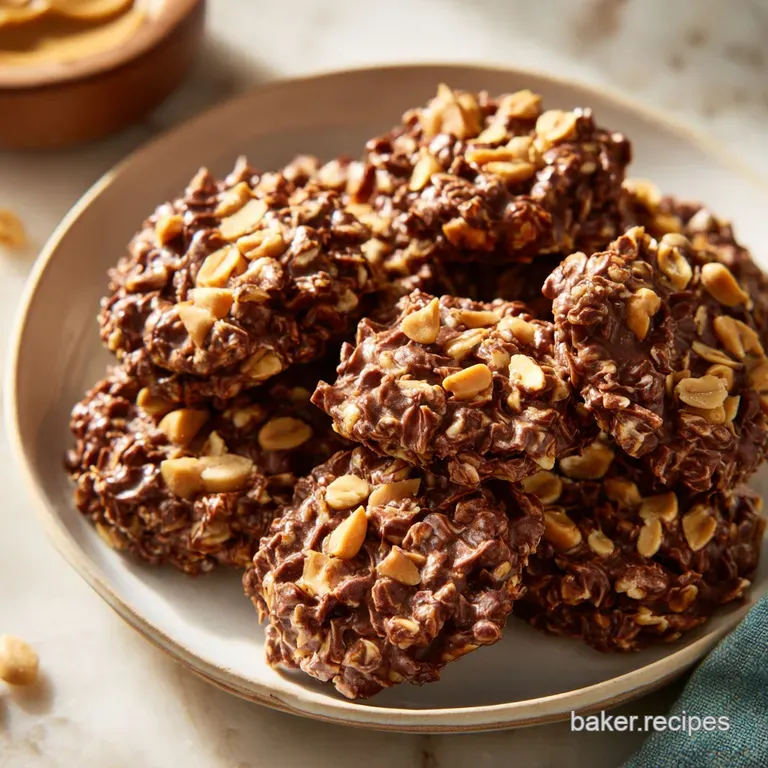
Follow these steps closely, especially the timing of the boil. This is the difference between a cookie you can pick up and a pile of sweet oatmeal you have to eat with a spoon.
- Melt the Base: In your heavy bottomed saucepan, combine the 115g butter, 200g coconut sugar, 120ml milk, and 2 tbsp maple syrup. Heat this over medium high.
- Stir Constantly: Use your spatula to stir as the butter melts. You want the sugar to dissolve into the liquid rather than sit at the bottom.
- The Rolling Boil: Wait for the mixture to reach a full rolling boil this means bubbles are surfacing even while you stir.
- The 60 Second Rule: Set a timer the second it hits that full boil. Boil for exactly 60 seconds.Note: Going over 70 seconds makes them dry; under 50 seconds makes them runny.
- Remove Heat: Take the pot off the burner immediately after the timer beeps.
- Add Flavor: Stir in the 250g peanut butter, 10ml vanilla, and 0.5 tsp sea salt. Stir until the mixture is smooth and glossy.
- Incorporate Solids: Gradually fold in the 300g rolled oats and 30g ground flaxseed. Ensure every oat is thoroughly coated in the chocolatey looking peanut butter mixture.
- Portioning: Using your 1.5 tbsp scoop, drop portions onto your prepared parchment paper.
- The Flatten: Use the back of the scoop or a damp finger to flatten them slightly.
- The Big Wait: Allow them to sit undisturbed at room temperature for 30 minutes. You’ll see the shine dull slightly as they set that’s your cue they're ready.
For those who love a bit of extra texture, you could even fold in some mini chips at the end, much like the style of Peanut Butter M&M Cookies, but do it after the oats have cooled the mixture slightly so they don't completely melt.
Fixing Common Cookie Problems
The biggest hurdle with peanut butter no bake cookies is the "set." It's either too soft or too crumbly. Most of the time, this comes down to how high your heat was or how accurate your timer was.
Why Your Cookies Won't Set
If your cookies are still gooey after an hour, the mixture didn't reach a high enough temperature. The sugar needs to reach the "soft ball" stage to create structure. This usually happens because the "boil" was just a few simmer bubbles, not a full rolling boil.
Why Your Cookies Are Crumbly
If they shatter when you bite them, you boiled the mixture too long. This evaporates too much moisture, leaving you with a dry sugar structure that can't hold the oats together. It can also happen if you used too many oats stick to the 300g measurement!
| Problem | Root Cause | Solution |
|---|---|---|
| Oily surface | Peanut butter wasn't stirred | Stir the jar of natural PB thoroughly before measuring. |
| Grains of sugar | Boiling too fast on high heat | Melt sugar slowly on medium high before cranking it to a boil. |
| Stuck to paper | Too much maple syrup | Stick to 2 tbsp; the extra liquid prevents a clean release. |
Common Mistakes Checklist:
- ✓ Don't use "Quick" or "Instant" oats; they absorb too much moisture and make the cookies gummy.
- ✓ Always use a timer for the boil; "eyeballing" 60 seconds is usually wrong by at least 20 seconds.
- ✓ Make sure your peanut butter is at room temperature so it incorporates without cooling the syrup too fast.
- ✓ Avoid making these on a very humid or rainy day if possible, as the sugar can absorb moisture from the air and stay soft.
- ✓ Let the pot cool for 30 seconds before adding the vanilla to prevent the flavor from evaporating.
Scaling the Recipe
This recipe makes 24 cookies, which sounds like a lot until you realize how fast they disappear.
Scaling Down (Making 12): You can easily halve this recipe. Use a smaller saucepan (1 quart) so the liquid is deep enough to boil properly. Reduce the boil time by about 5-10 seconds since the smaller volume heats up and evaporates faster.
Scaling Up (Making 48): When doubling, use a large Dutch oven. Be careful with the spices only use 1.5x the salt to avoid over seasoning. The boil will take longer to reach, but still only boil for the 60 second window once it starts.
Work in batches when scooping, as the mixture in the pot will start to set as it cools.
Debunking Cookie Myths
One myth I hear a lot is that you must use Vitamin D whole milk for these to work. While the fat helps, the real "setting" agent is the sugar concentration. You can use water in a pinch (though it tastes boring), and they will still set as long as you hit that boil point.
Another one? "You can't use natural peanut butter." People say the oil separation ruins the cookie. That’s only true if you don’t stir the jar first. If you have a well integrated natural PB, the cookies actually have a better, more "real" flavor than the ones made with hydrogenated oils and extra corn syrup.
Storage and Zero Waste
These cookies are remarkably shelf stable, but they do have a "best" window for texture.
- Fridge: Keep them in an airtight container for up to 10 days. They stay very firm and fudgy when cold.
- Freezer: These freeze beautifully. Wrap them individually in parchment or freeze them on a tray before bagging. They’ll last 3 months. You can even eat them straight from the freezer!
- Zero Waste Tip: If you reach the bottom of the container and find a bunch of broken crumbs and oat bits, don't toss them. Those "cookie croutons" are incredible stirred into plain Greek yogurt or sprinkled over a bowl of vanilla ice cream. You can also pulse them in a blender to make a "cookie crust" for a pie.
Best Ways to Serve
These are heavy, rich cookies, so they pair best with something that cuts through the fat. A cold glass of milk is the classic choice, but a sharp, tart apple slice on the side is a game changer.
If you're serving these at a party, try arranging them on a platter with some fresh raspberries. The acidity of the fruit balances the earthy peanut butter and the sweetness of the coconut sugar.
They also make a great "energy bite" for hikers just pack them in a hard sided container so they don't get squished in your bag. Trust me, after a long walk, that hit of salt, protein, and sugar feels like a total win.
Recipe FAQs
What are common mistakes with no bake cookies?
Boiling the mixture for too long or too short a time. You must achieve a full rolling boil and maintain it for exactly 60 seconds; boiling too long creates dry, crumbly cookies, while too little time results in a runny, unset mess.
How to make peanut butter cookies with no oven?
Combine your butter, sugar, milk, and syrup in a saucepan over medium high heat. Stir constantly until the butter melts, bring to a full rolling boil for 60 seconds, remove from heat, and stir in your peanut butter, vanilla, and salt before folding in the oats and flaxseed.
Is it true I can substitute quick oats for rolled oats?
No, this is a common misconception. Quick oats have a mushy texture that lacks the necessary bite for this recipe, whereas sprouted rolled oats provide the essential structure for these chewy bites.
How to make 3 ingredient cookies easy?
Combine equal parts peanut butter, sugar, and oats for a basic version. While simple, note that these lack the binding and moisture balance of the full recipe; if you enjoy mastering these ratios, see how we adjust them in our classic criss cross recipe.
Are these cookies suitable for diabetics?
No, these contain significant amounts of coconut sugar and maple syrup. The sugar content is too high for a standard diabetic diet, regardless of the oat and flaxseed content.
How to keep no bake cookies from falling apart?
Measure your ingredients precisely and ensure the mixture boils for exactly 60 seconds. Using a 1.5 tbsp scoop to portion them and letting them sit undisturbed for 30 minutes at room temperature is essential for the structure to set properly.
How long can I store these at room temperature?
Keep them in an airtight container for up to 3 to 5 days. While they remain shelf stable, storing them in the fridge for up to 10 days or the freezer for 3 months provides the best texture and longevity.
Peanut Butter No Bake Cookies
Ingredients:
Instructions:
Nutrition Facts:
| Calories | 191 calories |
|---|---|
| Protein | 4.6 g |
| Fat | 10.6 g |
| Carbs | 20.0 g |
| Fiber | 2.2 g |
| Sugar | 9.3 g |
| Sodium | 58 mg |
