Peanut Butter Pretzel Balls Recipe
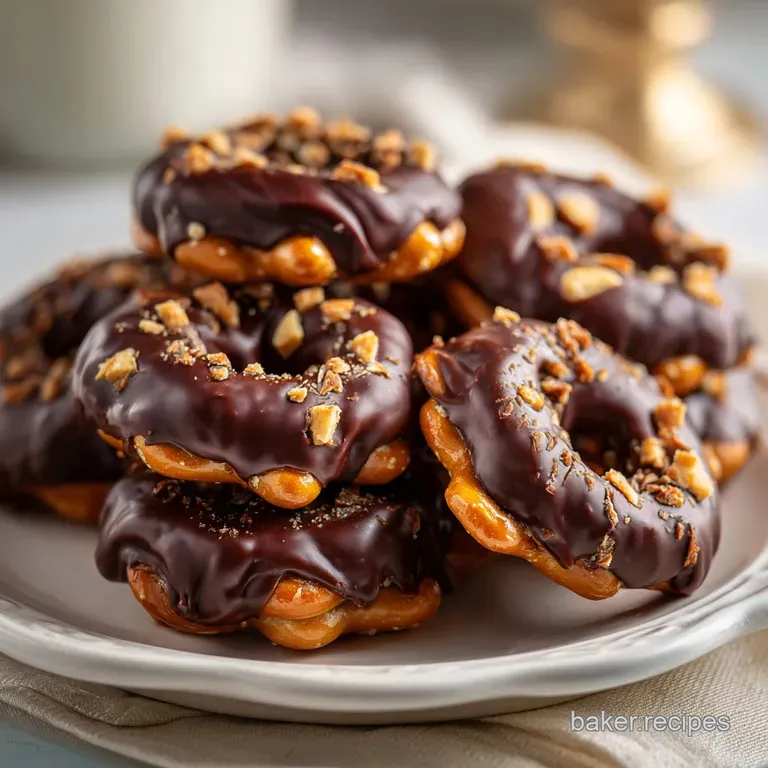
- Time: Active 25 minutes, Passive 45 minutes, Total 1 hours 10 mins
- Flavor/Texture Hook: A velvety, salty sweet center with a satisfying pretzel shatter
- Perfect for: Last minute movie nights, budget-friendly holiday gifting, or easy meal prep snacks
Best Homemade Peanut Butter Pretzel Balls
I remember the first time I brought a batch of these to a neighborhood block party. I had spent the afternoon crushing pretzels by hand, the salty dust puffing into the air while the kitchen filled with the scent of warm peanut butter and melted chocolate.
I was worried they might be too simple, but the tray was empty before I even finished my first drink.
The sound of that first bite is what gets people a clear, sharp shatter of the pretzel bits hidden inside a silky, melt in-the mouth center. It’s a texture contrast that makes your brain do a double take.
We’ve all had standard peanut butter balls, but the addition of that salty crunch turns a basic sweet into something you actually crave.
But let's be real, I've made the mistakes so you don't have to. I've had chocolate seize into a clumpy mess and pretzels turn into soggy cardboard. This version is about getting the small details right so your budget friendly ingredients taste like they came from a high end confectionery.
Trust me on this, once you master the chill and dip rhythm, you'll never go back to store-bought treats.
The Physics of Texture
Lipid Barrier Protection: Coating the pretzel fragments in peanut butter fat prevents the sugar from drawing out moisture, keeping the crunch intact. This ensures that even after two days in the fridge, the pretzels don't turn soft or chewy.
Sucrose Structural Integrity: Powdered sugar acts as a desiccant, absorbing excess moisture from the butter to create a moldable dough that holds its shape. Without the correct ratio, the balls will slump or flatten when they hit the warm chocolate coating.
Strategic Prep Choices
Choosing how to melt your chocolate and prepare your base can change the final finish of your treat. If you want a matte finish, the microwave is fine, but for a glossy, professional look, the stovetop method is your best friend.
| Method | Prep Time | Resulting Texture | Best For |
|---|---|---|---|
| Microwave | 3 minutes | Matte finish | Quick weeknight snacks |
| Double Boiler | 8 minutes | Glossy and silky | Gifting and parties |
| Food Processor | 1 minute | Uniformly fine | A smoother mouthfeel |
Using a double boiler prevents the chocolate from scorching, which is the number one reason coatings turn gritty or bitter. It takes a few extra minutes, but the velvety results are worth the wait if you're aiming to impress.
Essential Ingredient Science
The secret to a budget friendly recipe that tastes expensive lies in how the ingredients interact. We aren't just mixing things; we are creating a stable emulsion of fats and solids.
| Ingredient | Science Role | Pro Secret |
|---|---|---|
| Peanut Butter (250g) | Primary Fat Base | Use "no stir" brands to prevent oil separation during the rolling process. |
| Powdered Sugar (180g) | Thickening Agent | Sift the sugar twice to ensure there are no tiny white lumps in the dark chocolate. |
| Coconut Oil (5g) | Viscosity Modifier | This lowers the melting point of the chocolate, creating a thinner, crispier shell. |
Adding that tiny amount of coconut oil is the difference between a thick, waxy coating and one that cracks beautifully when bitten. It also gives the chocolate a gorgeous sheen that makes the final result look like it came from a professional kitchen.
Necessary Kitchen Gear
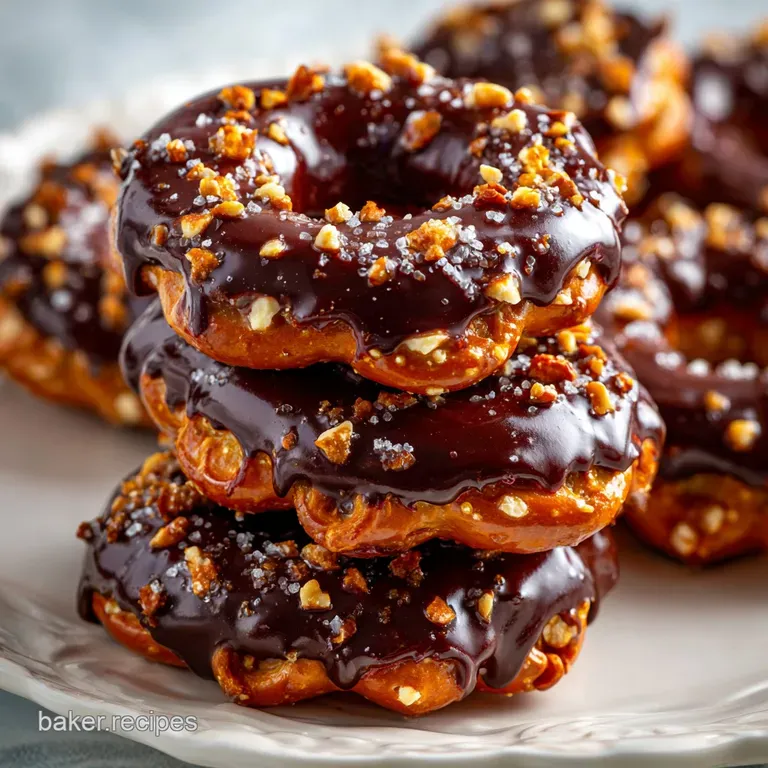
You don't need a high end pastry kitchen to make these, but a few specific tools make the process significantly less messy. I’ve found that using a small cookie scoop ensures every ball is exactly the same size, which helps them chill evenly.
- Small Cookie Scoop: Specifically a 1 tablespoon size for consistent 2.5cm balls.
- Baking Sheet: Lined with parchment or a silicone mat so the chocolate doesn't stick.
- Dipping Tool: A standard dinner fork works, but a dedicated wire dipping loop is a lifesaver.
- Mixing Bowl: Large enough to work the dough without sugar flying everywhere.
- Small Saucepan: For the double boiler setup if you choose the stovetop method.
Mastering the Method
- Crush pretzels (60g). Use a rolling pin to break them into 3mm pieces. Note: Tiny shards provide better crunch than fine dust.
- Cream fats. Combine the peanut butter (250g) and softened butter (28g) until the mixture is pale and completely smooth.
- Incorporate sugar. Gradually mix in the powdered sugar (180g) until a stiff, non sticky dough forms.
- Fold pretzels. Stir in the crushed pretzels by hand to keep the pieces intact.
- Form balls. Scoop and roll into 24 even spheres, roughly 2.5cm in diameter.
- Chill filling. Place on a lined tray and freeze for 20 minutes until firm to the touch.
- Melt chocolate. Combine chocolate chips (255g) and coconut oil (5g) over a double boiler until glossy and liquid.
- Dip spheres. Use a fork to submerge each ball in chocolate, tapping off the excess.
- Garnish and set. Sprinkle flaky sea salt (5g) on top while the chocolate is still wet.
- Final set. Refrigerate for 25 minutes until the shell is hard and matte.
Fixing Common Mistakes
If your filling is sticking to your hands like glue, it usually means the butter was too warm or you didn't add enough sugar. The dough should feel like soft play dough, not a sticky paste. Just like when I'm making a Peanut Butter Cookies recipe, the temperature of your fats determines the structure of the final product.
Why Your Chocolate Streaks
This usually happens because the chocolate was overheated or "bloomed" due to moisture. If even a single drop of water gets into your melting chocolate, it will seize into a grainy clump that won't coat the peanut butter balls smoothly.
| Problem | Root Cause | Solution |
|---|---|---|
| Filling melts in chocolate | Balls weren't chilled enough | Freeze spheres for a full 20 minutes before dipping. |
| Chocolate is too thick | Lack of fat or overheated | Stir in an extra 1/2 tsp of coconut oil to thin it out. |
| Soggy pretzel crunch | Pretzels were too finely ground | Keep pieces at 3mm to maintain a structural barrier. |
Preventive Success Checklist
- ✓ Sift the powdered sugar to prevent grainy "sand" pockets in the filling.
- ✓ Pulse pretzels in short bursts if using a blender to avoid making dust.
- ✓ Work with only 5 balls at a time from the freezer to keep them cold.
- ✓ Use a deep, narrow bowl for dipping to make submerging easier.
- ✓ Ensure your dipping fork is completely dry before starting.
Affordable Variations
One of the best things about this recipe is how easily you can swap ingredients based on what's on sale. If you find white chocolate chips are cheaper, they make a fantastic "Cookies and Cream" style version when paired with the salty pretzels.
| Original Ingredient | Substitute | Why It Works |
|---|---|---|
| Semi Sweet Chips | Dark Chocolate Bar | Higher cocoa butter content. Note: Provides a more intense, less sweet flavor profile. |
| Creamy Peanut Butter | Crunchy Peanut Butter | Adds double the texture. Note: You may need 10g less crushed pretzels. |
| Coconut Oil | Vegetable Shortening | Similar melting point. Note: Less flavor than coconut but creates a very stable shell. |
If you want to try a different spin on these flavors, you might enjoy the technique used in this How to Bake recipe which focuses on a different kind of stuffed center. For a truly budget smart move, buy your pretzels in the large "party size" bags and save the broken pieces at the bottom specifically for this recipe.
Storage and Leftovers
Store these in an airtight container in the fridge for up to 2 weeks. If you stack them, place a sheet of parchment paper between the layers to prevent the chocolate shells from sticking together or scuffing.
For long term storage, these freeze beautifully for up to 3 months just eat them straight from the freezer for an extra cold snap!
To minimize waste, save any leftover melted chocolate. You can stir in the remaining pretzel dust and spread it onto parchment paper to make a quick "pretzel bark." Once it hardens, break it into shards for a zero waste topping for ice cream or yogurt.
Beverage Pairing Ideas
The heavy salt and fat in these treats call for something that can cut through the richness. A cold glass of milk is the classic choice, but if you're serving these at a party, a dark roasted coffee or a stout beer works brilliantly.
The bitterness of the coffee balances the powdered sugar, while the carbonation in a stout cleanses the palate between bites.
If you're feeling adventurous, try pairing them with a glass of cold almond milk. The nutty notes in the milk enhance the peanut butter core without adding too much extra sweetness. It’s a simple way to turn a quick snack into a more rounded dessert experience.

Recipe FAQs
Can I skip chilling the peanut butter filling before dipping?
No, chilling is critical. The filling must be firm so it doesn't absorb heat from the melted chocolate or collapse under its own weight when dipped.
How to prevent the chocolate coating from seizing when melting?
Use a double boiler setup or microwave at 50% power. Avoid direct heat and ensure absolutely no water or steam touches the chocolate, as even a tiny drop causes it to seize.
Why are my pretzel pieces turning soggy inside the ball?
False. Soggy pretzels usually result from not coating the filling fats properly. Make sure your peanut butter and butter mixture is homogenous before folding in the pretzels; if you enjoyed controlling the fat ratio here, see how we adapt the texture principles in the Homemade Reeses recipe.
What is the secret ingredient that makes the chocolate shell thin and snappy?
Add a small amount of coconut oil to the melted chocolate. This lowers the viscosity of the chocolate, allowing excess to drip off easily, resulting in a thinner, crispier coating.
How do I ensure uniform size across all the peanut butter balls?
Use a small, level cookie scoop, approximately 1 tablespoon in size. Consistency in size guarantees that all balls chill and set at the same rate, leading to even coating results.
Can I make these ahead of time and store them at room temperature?
No, refrigeration is required for food safety and texture. The high fat content in the peanut butter core requires cool temperatures to remain firm, especially if you used creamy peanut butter.
How to incorporate alternative flavors into the peanut butter base?
Replace 1/4 cup of the peanut butter with a high-quality, smooth alternative. For instance, if you are interested in blending techniques, check out our guide on How to Blend Peanuts for Sweet Creamy Delight to understand ingredient consistency.
Peanut Butter Pretzel Balls
Ingredients:
Instructions:
Nutrition Facts:
| Calories | 161 kcal |
|---|---|
| Protein | 3.0 g |
| Fat | 9.4 g |
| Carbs | 18.7 g |
| Fiber | 1.0 g |
| Sugar | 14.2 g |
| Sodium | 77 mg |
