Chili Tomato Sauce the Fiery Robust Slowsimmered Recipe
- Beyond Basic Marinara: Crafting the Ultimate Foundation Sauce
- Sourcing Flavor: Essential Ingredients for a Robust Chili Tomato Sauce
- Chef's Corner: Required Tools and Kitchen Gear
- The Method: Mastering the Slow and Simmered Chili Tomato Sauce Technique
- Elevating Your Dish: Expert Tips and Customization Ideas
- Recipe FAQs
- 📝 Recipe Card
Beyond Basic Marinara: Crafting the Ultimate Foundation Sauce
We’ve all been there: staring at a jar of bland, reddish stuff labeled "pasta sauce" wishing it had more . More depth, more punch, more personality. That metallic tang from rushed cooking? We are officially breaking up with that. This isn’t a quick weeknight splash of marinara.
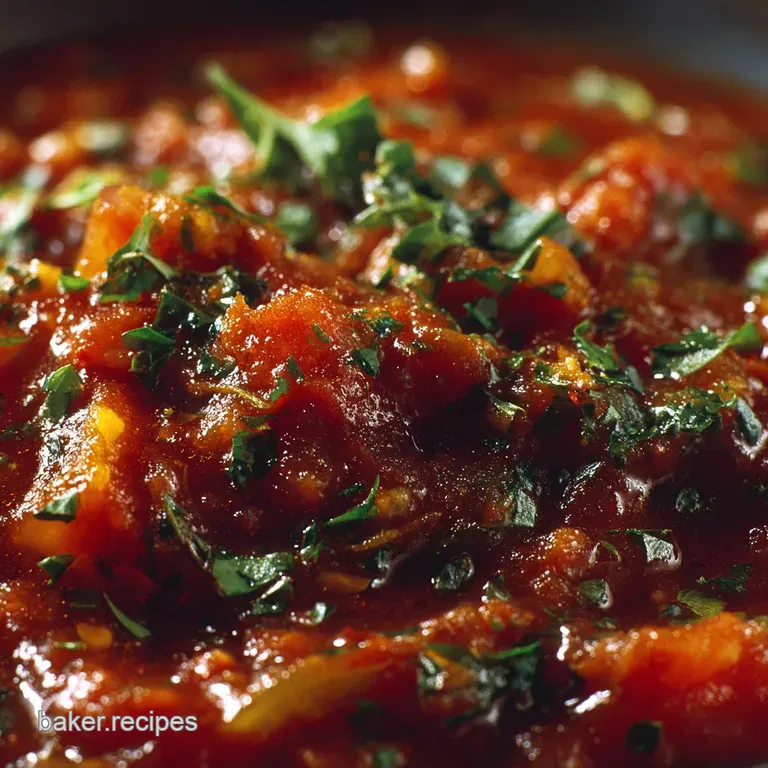
This is a robust, slow and simmered Chili Tomato Sauce meant to be the sturdy backbone for everything from lasagna to a fancy brunch polenta. Think of this as the foundation the glorious, deeply and flavored base that makes everyone ask, "What is in this?"
Layering the Warmth: Why We Use Dual Chillies
The secret to a great spicy tomato sauce recipe isn’t just adding a ton of cayenne; it’s building heat in layers. If you rely only on fresh chiles (like jalapeños), you get a sharp, immediate spike of heat, which is fine, but it lacks soul.
We want warmth, depth, and a hint of earthy smoke.
That's why we use two types. We bring in the fresh heat (a minced jalapeño or serrano) for immediate, bright flavor right when we sweat the aromatics. Then, we introduce dried chiles (Ancho or Guajillo) that have been soaked and blended into a smooth paste. These dried varieties are far less aggressive.
They carry incredible dark fruit notes, smokiness, and a gentle, foundational heat that truly marries with the tomatoes over the long simmer. It's the difference between hearing a single trumpet blast and enjoying a full orchestra.
The Art of the Slow Simmer: Achieving True Tomato Depth
Seriously, this is the most critical step. If you’re simmering this for only 30 minutes, you’re just making hot tomato juice. The magic happens when you turn the heat down to the absolute lowest setting where the sauce barely, occasionally bubbles and let it hang out for at least 90 minutes.
I usually go for two hours.
During this slow simmer, two things happen. First, the water content reduces dramatically, concentrating the inherent sweetness and richness of the tomatoes. Second, and maybe more importantly, the capsaicin from those dried chiles, the garlic, the oregano, and the red wine (if you use it) all get a chance to mingle and become one integrated flavor.
This isn't fast food. It’s flavor immersion therapy.
From Pasta to Polenta: Maximizing Your Chili Tomato Sauce Usage
The beauty of a robust, slow and simmered tomato chili sauce homemade is its versatility. Because the flavor is so intense, it stands up to rich pairings. A light, watery sauce gets lost when you toss it with heavy pasta or meatballs. This one screams, "I am here!"
If you're making baked pasta dishes, like manicotti or ziti, use this chili tomato sauce —it prevents the dish from tasting flat after baking. We even use it as a substitute for pizza sauce sometimes. Right then, let’s crack on with the gear list.
Sourcing Flavor: Essential Ingredients for a Robust Chili Tomato Sauce
Look, you don't need a hundred ingredients. You need maybe ten, but they need to be the right ten. This is not the time to save money on the main event. If your canned tomatoes taste meh, your whole sauce will taste meh. Period.
The richness comes from quality olive oil, rich tomato paste, and most importantly, truly great canned tomatoes. The quality of the slow simmered tomato sauce hinges on this.
A critical warning: Always, always use Kosher or sea salt. If you try to measure table salt volume for volume with Kosher salt, you will wildly oversalt your sauce. Stick to the proper measurements.
Related Recipes Worth Trying
- Asparagus Salad with Cherry Tomatoes Easy Lemon Vinaigrette Recipe — Asparagus Salad with Cherry Tomatoes is the perfect vibrant summer side dish This easy Asparagus Feta Salad is drenched in a punchy Lemon Vinaigrette Prep...
- Quick Minced Chicken Fritters with Silky Creamy Dill Sauce — This recipe delivers succulent Minced Chicken with Creamy Dill Sauce in just 35 minutes These quick chicken fritters are foolproof and swim in a bright...
- The Full Welsh Hearty Welsh Minced Lamb Rarebit with Ale Sauce — A proper culinary hug This Welsh Minced Lamb Rarebit recipe combines rich seasoned lamb mince like a shepherds pie with a velvety sharp Cheddar ale rarebit...
Chef's Corner: Required Tools and Kitchen Gear
You don't need fancy gadgets, but a few key items make this process painless:
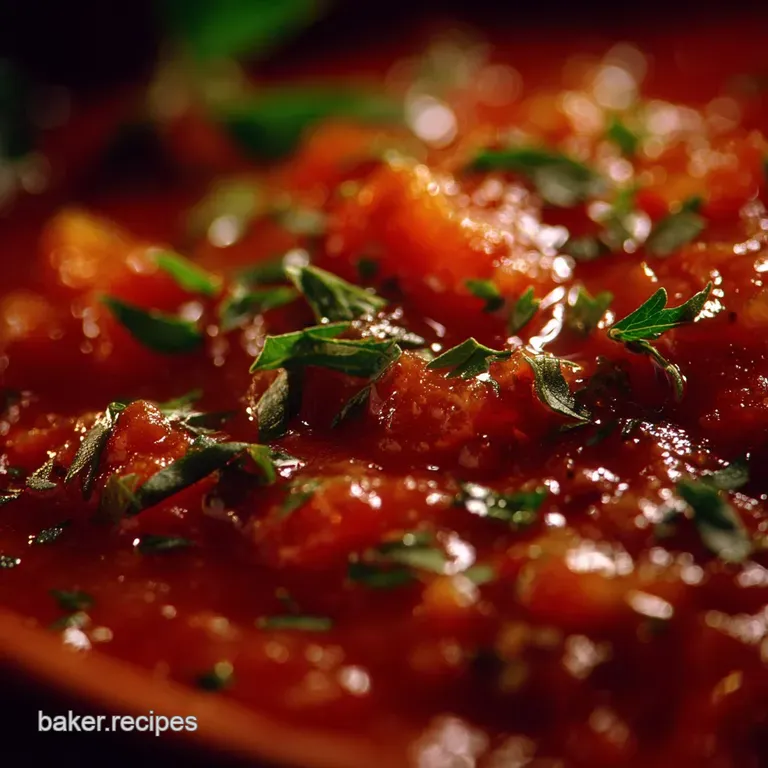
- The Dutch Oven: A heavy and bottomed pot, ideally enameled cast iron. This is non and negotiable for slow simmering. It distributes heat evenly and prevents scorching the bottom of your precious sauce during those two hours.
- Immersion Blender: While not essential (you can use a standard blender), an immersion blender is fantastic for smoothing the sauce without making a mess. You just stick it right in the pot.
- Sharp Knife: Because we are chopping one whole onion, six cloves of garlic, and a fresh chile. Efficiency matters.
Selecting the Perfect Tomato Base: Canned vs. Fresh Varieties
Unless you are harvesting garden and fresh, ripe and red tomatoes in peak summer, go canned. Honestly. Commercial canners pick tomatoes at their absolute peak ripeness, preserving the sweetness. Fresh tomatoes in January simply won't yield the flavor depth we need.
Canned Tomato Comparison:
| Type | Pros | Cons |
|---|---|---|
| Whole Peeled (San Marzano) | Highest quality, sweetness, easier to blend. | Must be crushed by hand or blender later. |
| Crushed Tomatoes | Convenient, already broken down. | Can be less concentrated in flavor than whole. |
I always grab the whole peeled D.O.P. certified San Marzanos. You just squeeze them gently in your hands before adding them to the pot. It takes 30 seconds. Worth it.
Building the Flavor Core: Garlic, Onion, and Herb Preparations
We start with the soffritto —the slow and cooked base. The onion must be finely diced, almost melting into the oil. And the fresh garlic? Don't burn it! Burnt garlic is bitter death.
It goes in after the onions are fully translucent, and we cook it for precisely 60 seconds until fragrant, then immediately hit it with the tomato paste. Frying that tomato paste until it turns a deep rusty red is crucial. It caramelizes the sugars and gets rid of that tinny, metallic flavor. It's truly a game changer.
A Quick Guide to Dried Chili Varieties and Their Heat Profiles
The dried chiles give this chili sauce tomato based its signature warmth:
- Ancho: Mild, sweet, smoky, prune and like flavor. Perfect entry point.
- Guajillo: Medium heat, slightly bright and fruity, very traditional flavor.
- New Mexico: Very mild, mostly earthy and red pepper flavor. Good for lower heat tolerance.
If you can find them, Anchos are your best bet for a deep, earthy finish without blowing your head off.
The Method: Mastering the Slow and Simmered Chili Tomato Sauce Technique
Sweat the Aromatics: Developing the Essential Flavor Foundation
This first stage sets the tone for everything. Heat your oil over medium and low. Add the finely diced onion and the fresh chile. We are "sweating" them, not browning them. You want them to soften completely and become translucent, releasing their sweetness into the oil. If you see any browning, your heat is too high.
Cook this gentle mixture for a solid eight to ten minutes. When they are soft, then add the garlic and the tomato paste. Stir constantly when the paste is in.
Introducing the Spice and Acid: Combining Chillies and Tomatoes
Once the paste has darkened, scrape the bottom of the pot vigorously as you pour in the optional red wine. (Did I mention scraping? That’s important.) Let that simmer rapidly until reduced by half. Now, pour in your tomatoes and, crucially, the blended chili paste you made earlier.
Make sure you get every last bit of that dark, beautiful chili paste in there. Add your herbs, salt, and bay leaves.
The Final Reduction: Testing for Consistency and Flavor Balance
Bring the whole pot up to a gentle boil, then immediately turn the heat to low. Cover the pot partially to let some steam escape, and walk away. Come back and stir every 30 minutes, making sure the sauce isn't sticking.
After 90 minutes, the sauce should have noticeably thickened and darkened. Run a spoon through it; if the line holds for a few seconds before the sauce seeps back in, you’re almost there. Remove the bay leaves before tasting and adjusting your seasoning.
Elevating Your Dish: Expert Tips and Customization Ideas
Acidity, Sweetness, and Heat: Fine and Tuning Your Final Flavor Profile
Once the sauce is done cooking, you need to taste it critically. It's often too acidic, too sweet, or needs a little zing.
- Too Acidic/Sharp: Add a pinch more sugar, or surprisingly, a small pinch (1/4 tsp) of baking soda. Baking soda neutralizes acid quickly, but use sparingly or the sauce will taste soapy.
- Too Bland: Add a little acid back in, like a splash of red wine vinegar, or simply more salt. Salt brings the flavor forward.
- Needs Depth: A tablespoon of butter swirled in at the end can add tremendous richness and silkiness without much effort.
Quick Substitutions for Different Dietary Needs
Need to pivot the recipe? No problem. This tomato chili sauce recipe easy format allows for simple swaps.
- Vegan/Vegetarian: Skip the red wine and use a high and quality vegetable stock instead during the deglazing step.
- Avoiding Nightshades (Peppers): This is tricky, but you can achieve depth by replacing the fresh and dried chiles with a blend of ground ginger and freshly cracked black pepper. It won't be a chili sauce, but it will be powerfully flavored.
- Herb Swaps: No fresh basil? Try fresh parsley or, for an earthier flavor, fresh marjoram stirred in at the end.
Proper Freezing and Refrigeration Techniques
This sauce is worth making in bulk. It’s an ideal candidate for freezing.
- Cool Completely: Never put hot sauce into the fridge or freezer; it raises the temperature of everything else and encourages bacterial growth. Cool it down on the counter first.
- Containers: Use sturdy, airtight containers or heavy and duty freezer bags. If using bags, fill them, seal them, and lay them flat on a baking sheet until frozen solid. They stack like books!
- Shelf Life: This sauce will keep well in the fridge for 5 7 days. It can be frozen for up to 6 months without significant loss of quality. Label your containers! You think you’ll remember what’s in there, but you won't.
Estimated Nutritional Breakdown (Per Serving)
(Based on 8 servings of the sauce only, calculated using standard ingredients.) It’s naturally low in saturated fat and high in vitamins, thanks to those beautiful tomatoes.
| Nutrient | Estimate Per Serving |
|---|---|
| Calories | 140 kcal |
| Protein | 4 g |
| Total Fat | 8 g |
| Total Carbs | 15 g |
Recipe FAQs
Crikey, this recipe uses two types of chili! How spicy is this Chili Tomato Sauce, really?
This sauce aims for a complex, warming heat more of a nice hug than a slap in the face thanks to the depth provided by the dried Ancho chiles, but you can control the kick by completely removing the seeds and membranes from the fresh jalapeño or serrano before cooking.
Two hours seems ages! Can I cheat and simmer the sauce for less time?
While you could get away with 45 minutes if you’re pressed for time, the full two hours is where the magic happens; allowing the low, slow simmer ensures the chili paste fully integrates and develops that incredible richness, turning a decent sauce into a proper masterpiece.
I've made a proper big batch how do I store the leftovers, and can I freeze it?
Yes, absolutely; once cooled, store the sauce in an airtight container in the fridge for up to five days, or freeze it solid in small, handy portions for up to six months, ready for a speedy supper when you're feeling peckish.
I can’t find Ancho or Guajillo peppers down the local market. What’s a good swap?
If the specialty chiles are proving elusive, you can get a similar depth by substituting them with 1 tablespoon of quality smoked paprika and a teaspoon of dried chili flakes for a comparable earthy warmth.
Do I have to use a blender? I quite like a chunky, rustic sauce.
Not at all, blending is entirely optional! If you prefer a satisfyingly chunky texture perfect for mixing with robust pasta shapes like rigatoni just skip the immersion blender and serve it straight out of the pot.
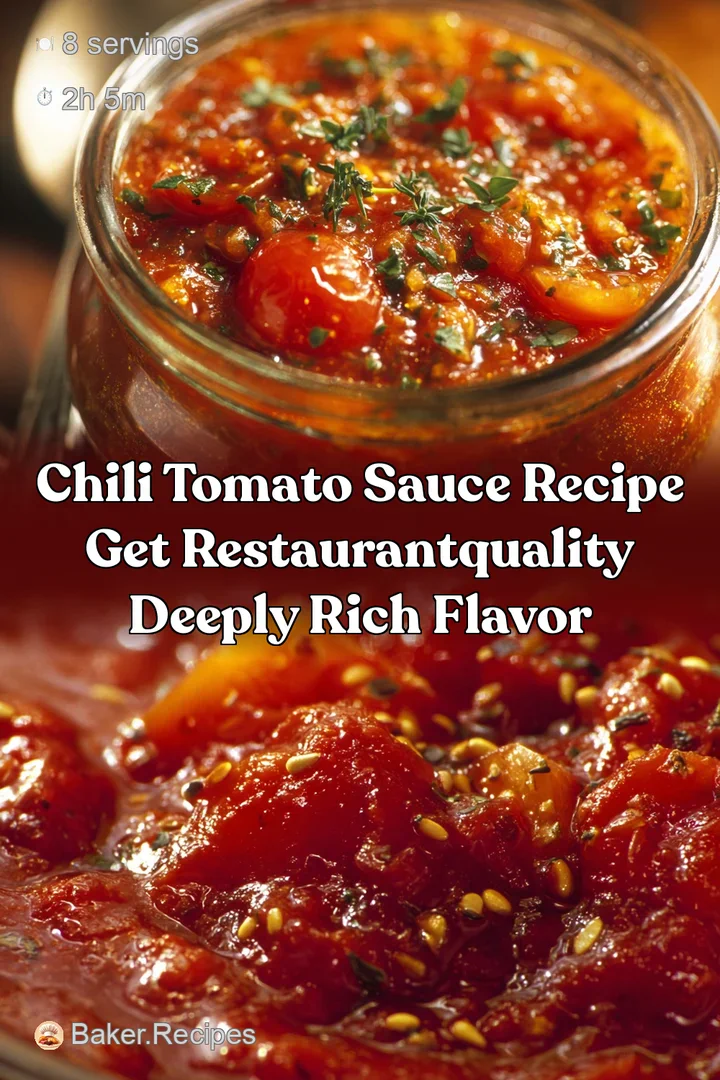
Proper Chili Tomato Sauce Recipe
Ingredients:
Instructions:
Nutrition Facts:
| Calories | 140 kcal |
|---|---|
| Fat | 8 g |
| Fiber | 4 g |
