Sausage Stuffing: the Proper Pork and Sage Dressing Recipe
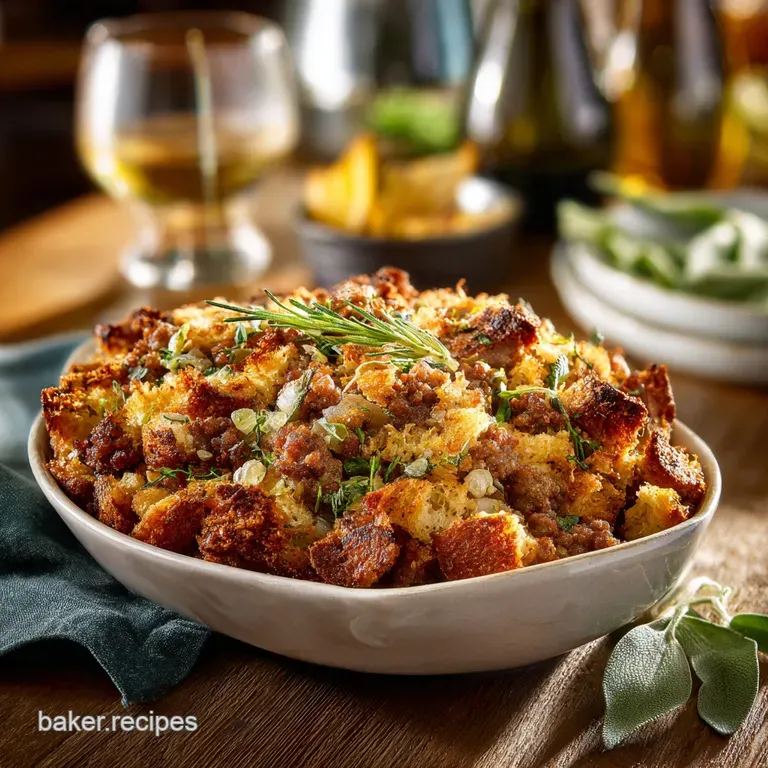
- The Proper Pork & Sage Stuffing: Why it’s the Sunday Essential
- The Science of Perfect Sausage Stuffing Texture
- Ingredients Checklist: Choosing Quality Pork Sausage and Aromatics
- Step-by-Step Guide: How to Assemble and Bake The Proper Sausage Stuffing
- Troubleshooting Your Stuffing: Chef’s Tips for Avoiding Common Mistakes
- Preparing Ahead: Storing and Freezing Sausage Stuffing Safely
- The Ultimate Pairings: What to Serve Alongside Pork and Sage Stuffing
- Recipe FAQs: The Proper Pork & Sage Stuffing
- 📝 Recipe Card
The Proper Pork & Sage Stuffing: Why it’s the Sunday Essential
The absolute best smell in the world is when fat-rich pork sausage and fresh sage start bubbling together in a hot skillet. It’s comforting, it’s deeply savory, and frankly, it smells exactly like a holiday or just a damn good Sunday dinner.
That incredibly aromatic cloud of herbs and rendered fat is the foundation of the world’s best sausage stuffing, and trust me, you are going to fall completely in love with it.
Stuffing gets a bad rap because people make it too wet, too bland, or they try to cram it into a turkey where it gets dense and sad. This recipe is a lifesaver because we bake it separately (it's dressing, but who cares?), which guarantees those prized, crispy edges and a perfectly moist interior.
It’s also surprisingly fast to throw together once your bread is prepped, making it a perfect easy side dish for any big meal.
I have spent years perfecting this recipe, figuring out the exact ratio of liquid to bread and the proper way to cook the aromatics. Stop settling for a soggy side dish that just sits there on the plate. We are making something spectacular, so let's crack on and talk about the crucial techniques.
The Science of Perfect Sausage Stuffing Texture
If you’ve ever had a stuffing that was dense, gluey, or tasted overwhelmingly of raw celery, you know why technique matters here. We aren't just mixing ingredients; we are building a structure. This isn't just a recipe; it's a blueprint for the ideal texture, balancing crisp edges with that tender, spongy middle.
The Difference Between Stuffing and Dressing (Crisp vs. Soggy)
Okay, let's address the semantics police immediately. Stuffing is technically cooked inside the bird, absorbing all those gorgeous juices but often leading to a dense, paste like texture and uneven cooking (plus potential food safety issues if you aren't careful).
We are baking this in a dish outside the bird, which technically makes it dressing. Why do we do this? Because we want crispy edges! When you bake it separately, you guarantee that beautiful, golden brown crust, while controlling the moisture precisely.
Unlocking the Deep Aromatic Flavour of Pork and Sage
The biggest mistake people make is using lean sausage or not browning it hard enough. You need the fat. Render the sausage until it’s deeply caramelized and sticks a little to the pan, creating a delicious layer of fond.
This concentrated pork flavour is what will coat every single piece of bread cube when you mix it all together.
Achieving the Golden, Crispy Crust (Baking Outside the Bird)
Baking the stuffing covered (with foil) creates steam, ensuring the interior gets moist and cooks through evenly. Removing the foil for the final 10– 15 minutes is crucial. This step concentrates the heat on the surface, allowing those top bread pieces to dry out and crisp up beautifully.
The result is pure texture heaven.
The Essential Role of Stale Bread in Stuffing Structure
Listen up: fresh bread is your enemy here. It contains too much internal moisture, and when you add the stock, it collapses into a gooey mess, turning your stuffing heavy. You must use very stale, dried out bread.
Toasting the bread cubes in the oven creates tiny, sturdy sponges ready to soak up the flavourful sausage fat and stock without losing their shape.
Infusing the Fat: Maximizing the Sage and Thyme Profile
The real flavour hack comes after you've browned the sausage and drained some of the fat. You reserve a couple of tablespoons of that amazing sausage fat, melt the butter into it, and then sauté the onions and celery. When those vegetables are soft, you hit them with the fresh sage and thyme.
Cooking the herbs briefly in that hot, flavourful fat releases their volatile oils, guaranteeing your stuffing smells and tastes profoundly savoury.
Ingredients Checklist: Choosing Quality Pork Sausage and Aromatics
The success of this recipe hinges entirely on the quality of your ingredients especially the sausage. Don't skimp on the fresh herbs, either; this is the dish's backbone.
Selecting the Best Sausage for Maximum Flavour (Pork Density)
Always opt for high-quality, mild pork sausage meat. You want the kind that has visible fat speckles because that fat is the flavour vehicle. Italian sausage (sweet or mild) works fantastically, but avoid anything overly spiced or smoked, as it can overwhelm the delicate sage and thyme.
Aromatics Breakdown: Shallots vs. Onion in the Stuffing Base
While some recipes call for delicate shallots, I’m using the common yellow onion here for practicality and affordability. Finely diced yellow onion and celery provide the necessary savoury foundation.
The long, slow sauté time ensures they soften completely, so you don't end up with crunchy raw bits in your finished dish.
Herb Freshness: Why Dried Sage Won't Do
This is my hard rule: Dried sage turns dusty and bitter when used in high volume. For this Sausage Stuffing: The Ultimate Sage Stuffing with Crispy Edges , fresh is non-negotiable. You need that bright, earthy, slightly peppery lift that only fresh sage can give. The same goes for the thyme.
gluten-free Swaps for a Flawless Stuffing
Do you have a GF eater at the table? No problem. Simply swap out the regular crusty bread for a high-quality gluten-free loaf. Make sure it's thick and sturdy. The drying and toasting process (Step 1) is even more critical with GF bread, as some varieties can be more prone to dissolving.
| Ingredient | Viable Substitution | Why It Works |
|---|---|---|
| Pork Sausage | Ground Turkey + 1 tbsp Bacon Fat | Add rendered bacon fat to prevent the lean turkey from drying out. |
| Chicken Stock | Vegetable Broth or Water + Better Than Bouillon | Vegetable broth is fine, but make sure it is low-sodium so you control the seasoning. |
| Butter | Ghee or high-quality Olive Oil | Ghee offers a similar richness and nutty flavour to butter, though the stuffing won't be quite as rich. |
| Stale Bread | GF Bread or Crackers (use less liquid) | A dense, hearty alternative ensures the necessary structure. |
step-by-step Guide: How to Assemble and Bake The Proper Sausage Stuffing
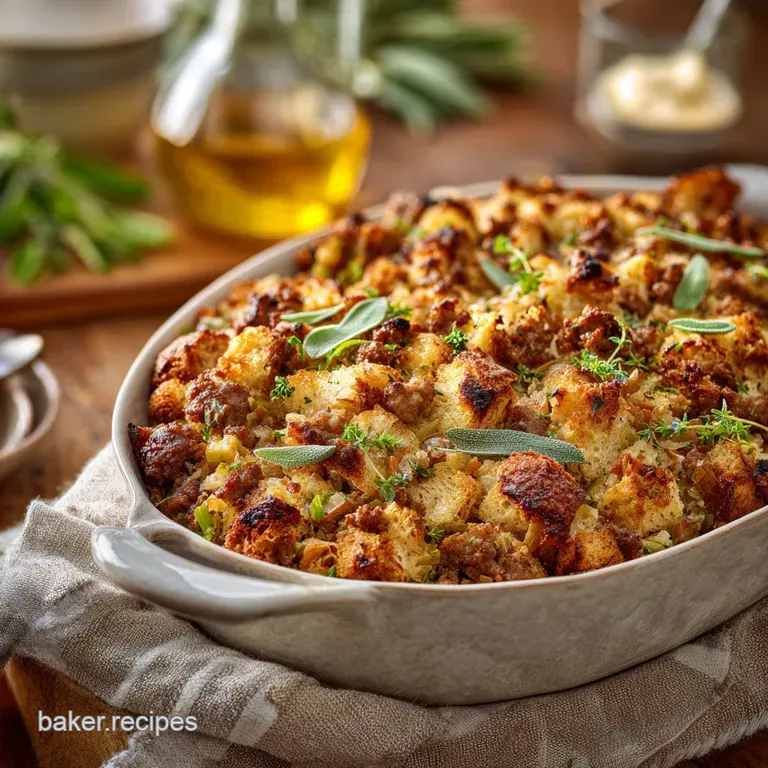
This process moves quickly once the ingredients are prepped. Make sure your large mixing bowl is ready; this recipe makes a lot of stuffing!
Prepping the Base: Sautéing the Sausage and Aromatics
Dry your bread first seriously, don't skip it. In a large skillet, cook the sausage until it’s fully browned and deeply caramelized. This takes 8– 10 minutes. Remove the sausage, reserving about two tablespoons of that luscious pork fat in the pan.
Now, add the butter, onions, and celery. Cook these gently until they are translucent and sweet. Stir in the minced garlic, sage, and thyme until you smell a wonderful, nutty aroma (about 60 seconds).
Binding the Mixture: The Crucial Liquid Ratio
Add the sausage back into the aromatic mixture and pour everything over the dry bread cubes in the large bowl. Toss everything lightly until the fat and aromatics are evenly distributed. Add the beaten eggs and then slowly introduce the chicken stock. Start with two cups.
Gently toss the mixture, letting the bread soak it up for a minute. The mixture should feel like wet sand when you squeeze it ; moist enough to hold its shape, but not saturated enough to drip.
Chef’s Note: "I once added too much stock, panicked, and threw a handful of flour in the mix. Don't do that. If it's too wet, spread it thin on a baking sheet and let it air-dry for 15 minutes. Better safe than soggy."
Packing and Scoring: Preparing the Dish for Baking
Grease your baking dish well. Transfer the stuffing mixture to the dish, but resist the urge to pack it down tightly like concrete. It needs air circulation to cook evenly and guarantee a crisp top. Spread it lightly. If I am making a huge batch of Thanksgiving Stuffing: Ultimate Sourdough, Sage, and Sausage Recipe , I often score the top lightly with a knife before baking to suggest serving sizes.
Baking Time and Temperature for Optimal Moistness
Cover the dish tightly with foil and bake at 375°F (190°C) for 30 minutes. The foil traps the steam, keeping the internal bread cubes tender and moist. Remove the foil and bake for a final 10– 15 minutes until the top is gorgeously golden brown and crispy.
The internal temperature must reach 165°F (74°C).
Troubleshooting Your Stuffing: Chef’s Tips for Avoiding Common Mistakes
This stuffing is robust, but there are a few places even experienced cooks stumble. Keep these warnings in mind!
Mistake 1: The Danger of Overpacking the Baking Dish
When you mash the stuffing down too hard, you compress all the air pockets, resulting in a dense, heavy brick that steam cannot penetrate. This leads to a pale, mushy interior and a lack of texture. Instead, spoon it in and let it settle naturally. Loose equals lovely.
Solving Dry Stuffing: When and How to Add Extra Stock
Stuffing dries out fast, especially if your oven runs hot. If you pull it out and it feels too firm or crumbly, don't worry. Bring an extra half cup of stock to a simmer, then drizzle it evenly over the top of the hot stuffing. Cover it quickly with foil and let it sit for 5– 10 minutes.
The residual heat will absorb the moisture.
Perfecting the Seasoning Balance Before Baking
Remember, the sausage and stock add salt, so you must taste the mixture before you bake it (even with the raw egg, a tiny bite is necessary for proper seasoning). Mix everything except the eggs and half the stock.
Take a small spoonful, sauté it in a tiny pan for a minute until hot, and taste for salt and pepper. Adjust the seasoning in the main bowl before adding the remaining liquid and eggs.
Preparing Ahead: Storing and Freezing Sausage Stuffing Safely
If you’re preparing this for a holiday feast, being able to make components ahead of time is a huge stress reliever. Sausage stuffing is excellent for making in advance!
make-ahead Instructions (Assembly Up to 24 Hours)
You can fully assemble the stuffing mixture (up to Step 9) up to 24 hours before baking. Cover the baking dish tightly with plastic wrap or foil and refrigerate immediately. When ready to bake, pull it out 30 minutes early to take the chill off.
You will need to add about 10– 15 minutes to the initial covered baking time to account for the cold start.
Freezing Raw vs. Cooked Stuffing
You can freeze cooked stuffing, and it works wonderfully! Let the cooked stuffing cool completely, then wrap it tightly in foil and place it in a heavy duty freezer bag. It keeps for up to 3 months. To reheat, thaw overnight and bake covered at 350°F (175°C) until hot throughout.
I generally don't freeze it raw because the delicate herbs can turn bitter or lose flavor during thawing.
The Ultimate Pairings: What to Serve Alongside Pork and Sage Stuffing
This stuffing is so robust, it often becomes the star of the plate. It pairs beautifully with rich meats and acidic sides to balance the fat.
Traditional Sunday Roast Companions (Gravy and Meat)
This sage and pork stuffing is non-negotiable next to a juicy roasted bird, whether it’s a simple weeknight chicken or a holiday turkey. You absolutely must serve it with a rich, pan-dripping gravy. The combination of the crisp stuffing edges soaking up that dark gravy is the definition of comfort food. If you are serving this for a big gathering, consider making it into easy-to-manage stuffing balls, which make great appetizers I use a similar method when I make my Football Snacks: Sticky Cheesy Sausage Roll Bites for Game Day but scaled up!
- Acidity: A tart apple or cranberry sauce is essential to cut through the richness of the sausage and butter.
- Vegetables: Go for light, slightly bitter greens, like steamed green beans, sautéed kale, or lightly roasted Brussels sprouts.
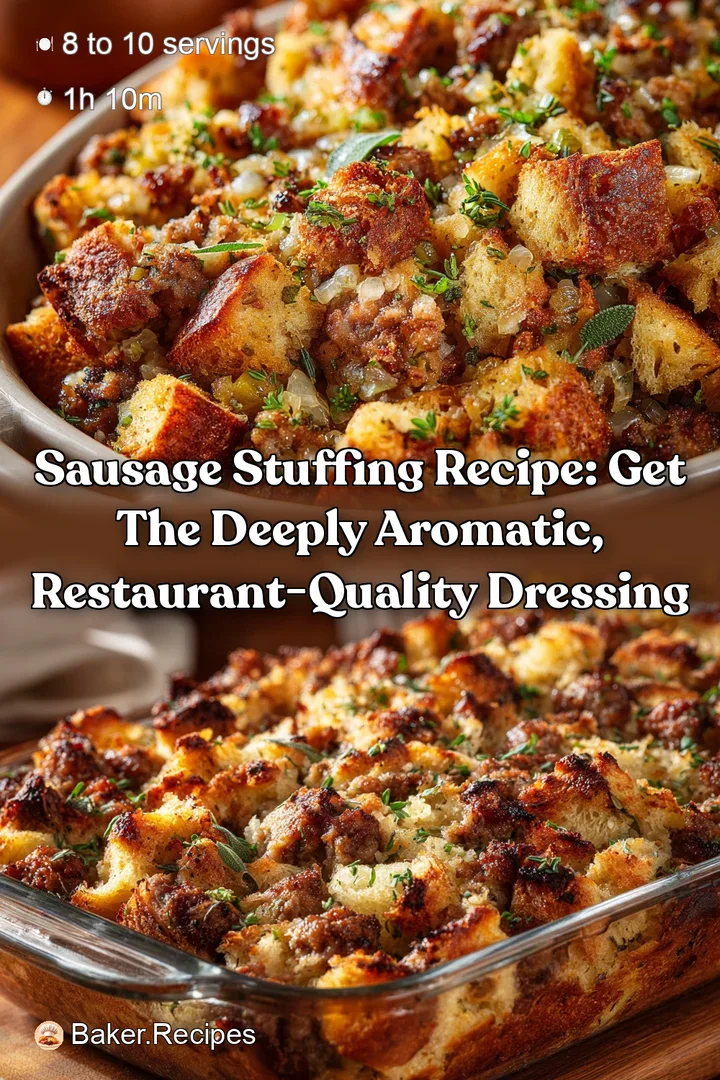
Recipe FAQs: The Proper Pork & Sage Stuffing
Why is my stuffing too dry and crumbly after baking?
Dryness usually results from either insufficient liquid binder (broth or egg) or baking it uncovered for too long. Ensure you add just enough broth to thoroughly moisten the bread cubes, aiming for dampness rather than saturation, before transferring it to the baking dish.
If the top begins to look overly dry during the baking process, simply cover the dish tightly with aluminum foil for the remainder of the cooking time to trap steam and moisture.
Can I prepare the stuffing mixture ahead of time for a holiday dinner?
Yes, advance preparation is highly recommended for busy cooking days. You can fully mix the bread, cooked sausage, sautéed aromatics, and herbs up to 24 hours in advance.
Store the mixture covered tightly in the refrigerator, but hold off on adding the eggs and binding liquid (broth) until just before you are ready to bake it, as this prevents the bread from becoming overly soggy.
Is it safe to bake this stuffing directly inside a chicken or turkey?
While traditional, food safety experts discourage baking stuffing inside poultry unless you use a meat thermometer to ensure the stuffing's center reaches 165°F (74°C).
Baking the stuffing separately (known as dressing) is safer, allows the poultry to cook more evenly, and guarantees the best texture, yielding a crisp crust and a perfectly moist interior.
What type of sausage works best for this recipe, and can I substitute the pork?
We recommend using high-quality bulk mild or medium Italian sausage, as the fat content and seasoning blend excellently with the sage and thyme. If you want a bit of heat, hot Italian sausage is also a delicious option.
If substituting pork, you can use ground chicken, turkey, or veal, but you must ensure you add 1 2 tablespoons of butter or olive oil per pound of meat to compensate for the lower fat content and prevent the stuffing from being too dry.
How do I ensure I get that desired crispy, golden brown crust?
To achieve a beautiful crust, bake the stuffing uncovered for the majority of the cooking time, preferably in a shallow dish to maximize the surface area exposed to heat.
For the final 10 minutes of baking, you can increase the oven temperature slightly to about 400°F (200°C) to encourage additional browning and crispiness on the top surface.
How should I store leftover stuffing, and can it be frozen?
Store any cooked and cooled leftovers in an airtight container in the refrigerator for up to 3 4 days. Reheat smaller portions in the oven or toaster oven for best texture results.
Cooked sausage stuffing freezes very well; portion it into freezer safe containers, and it will maintain its quality for up to three months. Thaw overnight in the refrigerator before reheating.
My stuffing tastes a little bland. How can I boost the flavor?
Flavor issues often stem from not seasoning the sausage and aromatics adequately during the initial cooking stage. Ensure you are generous with salt and pepper when sautéing the onions, celery, and herbs.
To rescue a bland batch, mix in a teaspoon of dried poultry seasoning, a splash of Worcestershire sauce, or a bit of freshly grated Parmesan cheese before baking, which adds savory depth.
Proper Pork And Sage Stuffing Recipe
Ingredients:
Instructions:
Nutrition Facts:
| Calories | 609 kcal |
|---|---|
| Protein | 34.1 g |
| Fat | 49.3 g |
| Carbs | 7.3 g |
