The Golden Soufflé Easy Puffy Baked Omelette with Gruyère and Chives
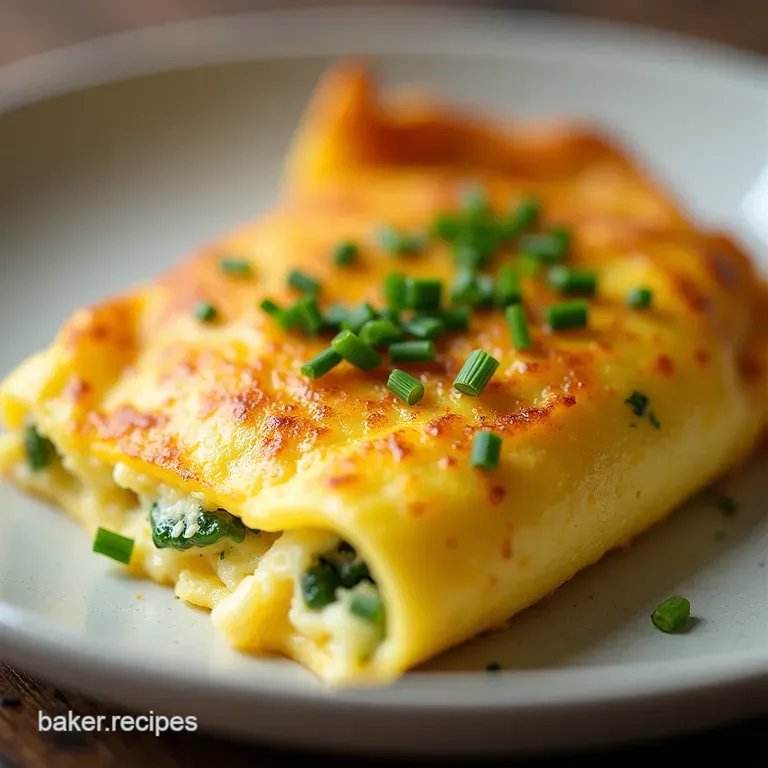
- Elevating Breakfast: Discover the Magic of the Puffed Oven-Baked Omelette
- Why This Baked Omelette Recipe Defies Expectations
- Curating Superior Components for the Perfect Baked Omelette
- Step-by-Step Guide: Orchestrating the Ultimate Baking Process
- Tips and Twists: Customizing Your Oven-Baked Experience
- Recipe FAQs
- 📝 Recipe Card
Elevating Breakfast: Discover the Magic of the Puffed Oven Baked Omelette
Forget everything you thought you knew about the humble, thin omelette cooked frantically in a skillet. We are about to embark on a culinary journey that transforms simple eggs into a magnificent, towering creation destined for your next gathering.
The Baked Omelette isn't just a recipe; it's an event. By harnessing the steady, even heat of the oven, we coax eggs into a glorious, airy structure that is richer, more flavourful, and infinitely more impressive than its stovetop counterpart.
This dish, which often feels like cheating because of its sophisticated presentation, is surprisingly simple, making it the perfect star for any Sunday Brunch Baked Omelette spread.
Why This Baked Omelette Recipe Defies Expectations
What sets this particular preparation apart is its texture. We aren't aiming for a dense frittata; we are striving for a light, almost cloud like fluffiness that gently yields with every bite.
This Puffed Baked Omelette preparation relies on a few critical structural additions and precise heat management to achieve that show stopping loft. It moves the concept of Oven Baked Eggs into the realm of true pastry artistry, all while retaining the robust flavour of high-quality ingredients.
The Soufflé Secret: Achieving Maximum Loft in Your Dish
The key to this soaring height lies not just in vigorous whisking, but in stabilizing the air we incorporate. Our Baked Omelette Recipe includes a small but vital amount of all-purpose flour.
This stabilizer acts like rebar in concrete, giving the setting proteins a structure to cling to as they expand in the oven’s heat, preventing a rapid, disheartening collapse.
On top of that,, using room temperature eggs is non-negotiable; they incorporate air far more readily than their cold counterparts, leading to a better final volume.
Beyond the Skillet: Positioning This Dish for Brunch Dominance
The beauty of baking rather than frying is that it frees up your hands and stovetop for other essential brunch items. While this dish rests beautifully in the oven, you can be perfectly preparing mimosas or crisping bacon.
This hands off approach makes the Baked Omelette In Oven method ideal for entertaining larger groups, easily scaling up to feed a family or doubling down for a big weekend spread. Beyond that,, the solid structure lends itself perfectly to make-ahead meal planning.
An Introduction to Our Herbed Gruyère Masterpiece
For this demonstration, we are partnering the cloud like egg structure with the nutty, sharp complexity of Gruyère cheese, enhanced by the fresh, clean notes of snipped chives and parsley. This combination offers a savoury depth that complements the lightness of the texture.
While you can certainly transform this into Baked Omelette Muffins or a simple veggie bake, this particular iteration The Golden Soufflé serves as the definitive blueprint for your future flavour explorations.
Related Recipes Worth Trying
- Easy Fluffy Baked Omelette Recipe Perfect Brunch Bake — Tired of fiddly pans Try this foolproof Fluffy Baked Omelette recipe baked in the oven until golden Its the easiest most satisfying meal for brunch or supper
- Best Baked Banana Pudding with Brown Butter Wafer Crust — Elevate your comfort food dessert recipe with this layered baked banana pudding featuring a homemade custard and crisp base Learn the pastry cream technique
- Crock Pot Baked Potatoes Easiest Fluffiest Spuds Ever — Forget boiling My Crock Pot Baked Potatoes are meltinyourmouth fluffy The easiest way to perfect jacket potatoes Get my simple tips now
Curating Superior Components for the Perfect Baked Omelette
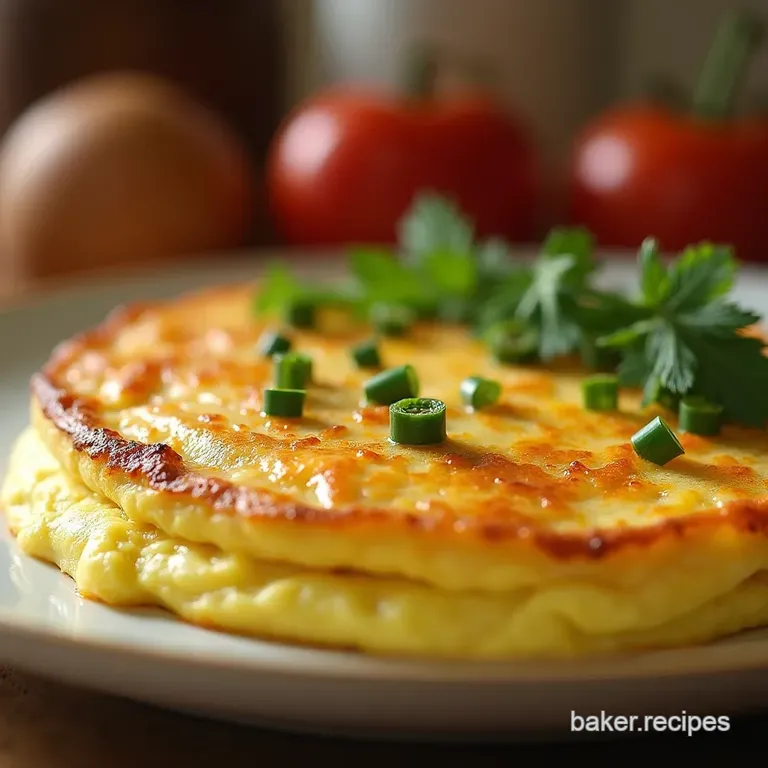
A truly exceptional Baked Omelette begins long before you turn on the oven; it starts with the quality of your raw materials. Since eggs are the main structure, their freshness and temperature matter immensely.
For our recipe, designed to serve four modest portions, we rely on eight large eggs, ensuring we have enough volume to achieve that dramatic oven rise.
Selecting the Right Dairy and Aromatic Herbs
The richness of the final product is determined by the dairy. While skim milk can technically work, we strongly recommend using whole milk or, even better, half and-half. This fat content contributes to a creamier mouthfeel and helps insulate the bubbles of steam forming inside the omelette during baking.
Complementing the cheese, freshly snipped chives provide a delicate oniony bite, while parsley adds essential green freshness. Never underestimate the power of using herbs straight from the garden or market; their volatile oils release stunning aromas as they heat.
Precise Measurements for the Fluffiest Egg Base
To achieve the necessary structural integrity, we need to balance the liquid components with the stabilizing flour. For eight large eggs and a half cup of milk, two tablespoons of all-purpose flour is the magic number; any less, and the structure risks collapse; any more, and the texture becomes leaden rather than airy.
Seasoning should be generous but balanced: one full teaspoon of salt and a healthy half teaspoon of freshly ground black pepper will season the entire voluminous dish appropriately.
Prepping Your Baking Vessel: Grease, Paper, or Both?
The choice of pan is crucial, as the base needs a firm, non-stick start before it moves into the oven. A 9 or 10 inch oven safe cast iron skillet is the champion here because it retains and distributes heat beautifully. You must coat this vessel liberally.
We start by melting one tablespoon of unsalted butter directly in the skillet over the stovetop to ensure an even coating up the sides. While parchment paper is sometimes used for oven dishes, for this specific stovetop-to-oven transition, a well buttered, hot pan provides the necessary initial sear for the bottom layer.
step-by-step Guide: Orchestrating the Ultimate Baking Process
The true art of preparing this Baked Omelette Meal Prep champion lies in managing the transition from hob to oven. We employ a dual heat strategy to ensure the base sets before the top begins to brown excessively.
The Gentle Art of Whisking Eggs to Incorporate Air
In a large bowl, combine the room temperature eggs, milk or cream, flour, salt, and pepper. Now, whisk with purpose but not aggression. You are aiming for a mixture that is well emulsified and slightly frothy, indicating that you have successfully incorporated air, but you are stopping short of the stiff peaks required for a true soufflé.
Once you see a uniform pale yellow and the flour is fully integrated, stop. Gently fold in the grated Gruyère, chives, and parsley we don't want to knock out the air we just worked to create.
Layering Fillings for Even Cooking Distribution
With your stovetop burner set to medium low, pour the entire egg mixture into the buttered, pre-heated skillet. Allow this to cook undisturbed for roughly three to four minutes. You must watch the edges; they should just begin to solidify and pull away from the pan’s sides. This initial set is vital.
Crucially, the centre must remain completely liquid at this stage. Before moving it, scatter the remaining tablespoon of cold butter, cut into small pieces, over the liquid surface this adds moisture and flavour as it melts in the oven.
Monitoring the Rise: When to Pull Your Golden Creation
Transfer the skillet immediately into your preheated 375° F ( 190° C) oven. Now comes the test of patience. For the initial 20 minutes, resist the urge to open the oven door.
A rush of cold air will shock the rapidly rising structure, causing an instant and irreversible deflation. The Baked Omelette is done when it has puffed spectacularly high, boasts a deep golden brown crust, and the centre exhibits only a very slight, minimal wobble when the pan is gently nudged.
Resting the Dish: The Crucial Final Moment Before Serving
Once removed from the oven, the thermal shock of cooler air will cause some deflation this is natural, even for the loftiest Puffed Baked Omelette . Do not panic. Allow the creation to rest directly in its skillet for a solid five minutes.
This resting period allows the internal structure to redistribute moisture and settle slightly, ensuring that when you slice into it, it holds its shape beautifully rather than weeping liquid onto the plate.
Tips and Twists: Customizing Your Oven Baked Experience
The beauty of a base recipe like this is its adaptability. While our Herbed Gruyère version sings, you are encouraged to treat this as a foundation for endless creativity. Think about how you can use this technique for different meals or dietary needs.
Flavor Variations: Swapping Cheeses and Veggies
For a richer, sharper flavour, try substituting Parmesan or aged white Cheddar for the Gruyère. If you desire a heartier meal, the stovetop phase is the perfect time to introduce cooked elements.
Consider sautéing diced smoked sausage or thinly sliced mushrooms in the pan before adding the butter and pouring in the egg mixture. These additions transform the dish into a substantial Baked Omelette For Two if you use a smaller skillet, ensuring a flavourful, satisfying meal without extra work.
Nutritional Snapshot: Estimating Macros for Health Goals
For those tracking intake, this Cottage Cheese Baked Omelette base (if you swapped out the milk for blended cottage cheese) offers excellent protein density.
In our Gruyère version, the rough estimate hovers around 340 calories per quarter serving, driven primarily by the eggs and cheese fat. It’s a high protein start to the day, perfect for energy without the heavy carb load typically associated with breakfast pastries.
Troubleshooting Flatness: Why Did My Omelette Fall?
If your Baked Omelette rises beautifully only to fall dramatically flat, there are usually three culprits. First, underbaking: if the internal structure hasn't fully set before it leaves the heat, it will slump as it cools. Second, opening the oven door too early is a common destroyer of loft.
Third, check your flour measurement too little flour means the structure lacked support from the beginning. Remember, even a slightly deflated baked omelette is still leagues better than a pan-fried disaster!

Recipe FAQs
Why is my Baked Omelette not puffing up like a soufflé?
Nine times out of ten, this is down to temperature shock or over whisking. Make sure your eggs are at room temperature, as this traps air better. Crucially, once it’s in the oven, resist the urge to peek opening the door lets in a blast of cold air that will cause your beautiful puff to fall flat faster than a lead balloon.
Can I make this Baked Omelette ahead of time, or can I store leftovers?
It’s best served fresh out of the oven, as the "puffy" texture is its crowning glory and won't hold up well. Leftovers can be refrigerated for up to two days; the texture will be denser, more like a frittata.
Reheat slices gently in a low oven or a toaster oven to maintain some moisture, rather than nuking them in the microwave.
What’s the secret to preventing the bottom of the Baked Omelette from burning before the top is cooked?
The key is that crucial stovetop start! By cooking the base for 3-4 minutes on medium low heat, you set the bottom layer first. This solid foundation allows the middle and top to rise evenly in the oven without the base scorching.
Also, ensure your skillet handle is oven safe, or use a regular baking dish, which distributes heat more gently.
I don't have Gruyère; what's the best cheese substitution for this recipe?
Gruyère provides a nutty depth, but you have a couple of cracking alternatives. A good quality sharp English Cheddar works brilliantly, offering a strong flavour profile. Alternatively, Emmental (Swiss cheese) is very close in texture and melting quality.
Just remember to grate it yourself that pre-grated stuff is a menace!
Is there a way to make a vegetarian or lighter version of this baked omelette?
Absolutely! For a lighter option, swap the whole milk for skimmed milk or even just water, though you might lose a touch of richness. To keep it vegetarian, ensure you use vegetarian friendly rennet cheese, or swap out the cheese entirely for sautéed mushrooms, spinach, and sun-dried tomatoes to pack in the flavour.
Puffy Gruyere Baked Omelette

Instructions:
Nutrition Facts:
| Calories | 340 kcal |
|---|---|
| Fat | 24g |
| Fiber | 1g |
