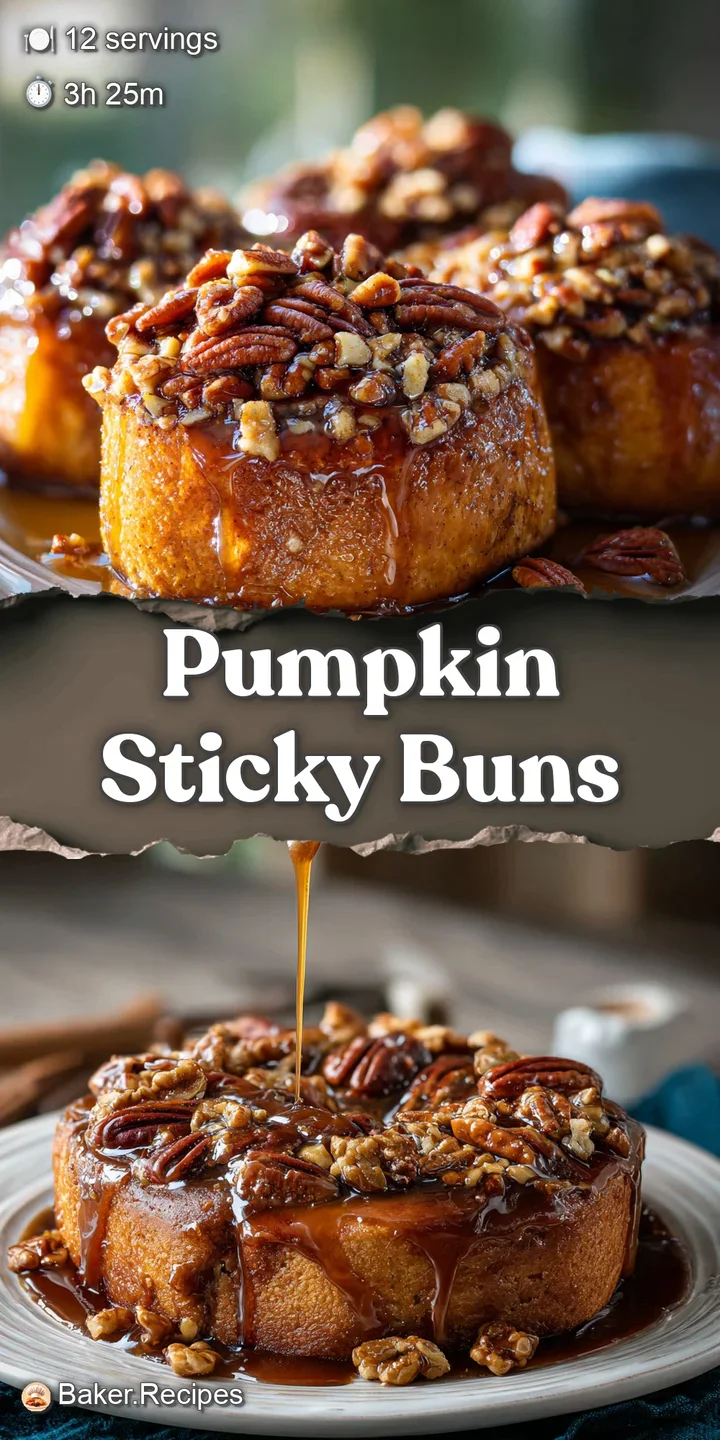
Pumpkin Sticky Buns with Maple Pecan Glaze
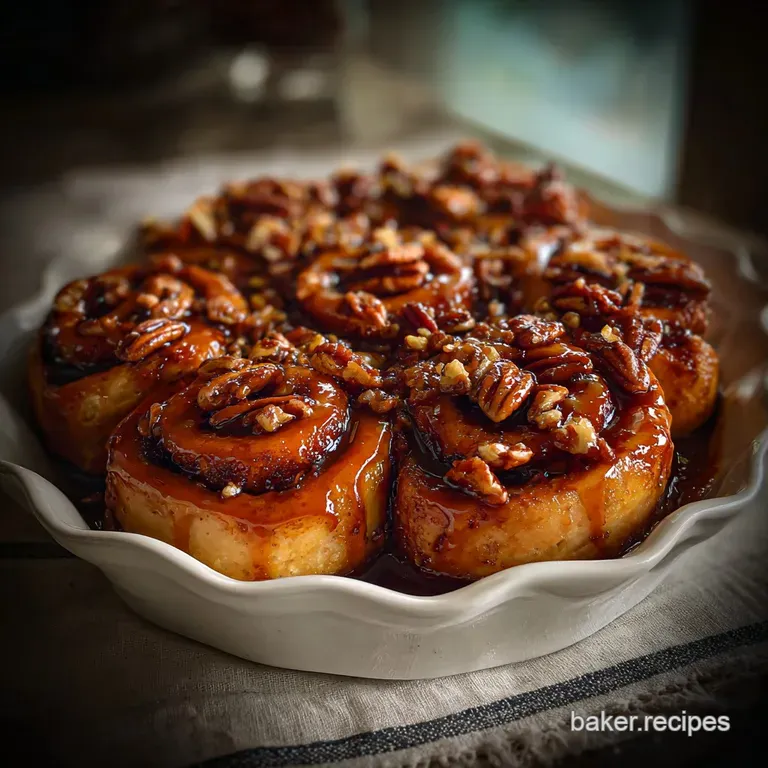
- Time: Active 45 mins, Passive 2 hours 40 mins, Total 3 hours 25 mins
- Flavor/Texture Hook: Pillowy spiced dough with a gooey, crackling pecan topping
- Perfect for: Weekend brunch or a slow holiday morning treat
- Mastering Pillowy Pumpkin Sticky Buns
- The Physics of Steam and Sugar
- Component Analysis of Your Spiced Buns
- Gathering Your Spiced Dough Essentials
- Necessary Tools for a Professional Finish
- Bringing the Dough and Glaze Together
- Fixing Common Mistakes for Better Results
- Dietary Adaptations for Every Guest
- Adjusting the Batch Size
- Optimal Freezing and Reheating Methods
- Perfect Complements for Your Brunch Table
- Common Questions About Sticky Buns
- Troubleshooting Common Issues
- Recipe FAQs
- 📝 Recipe Card
Mastering Pillowy Pumpkin Sticky Buns
The scent of bubbling maple syrup and toasted pecans hitting a hot pan is basically a hug in scent form. Last October, I tried to flip my first batch of these too early, and half the caramel stayed in the pan while the buns looked like they’d survived a disaster.
I stood there with my spatula, scraping at the sticky mess, and realized the sugar needs just a minute to set but not so long it becomes cement.
These aren't just rolls, they're a technical exercise in patience and sugar temps. We're talking about a dough so soft it feels like a cloud, packed with enough pumpkin to keep it moist for days. If you've ever struggled with dry cinnamon rolls, the pumpkin puree here is your insurance policy against a crumbly bake.
We are going to walk through the exact timing for the flip and how to get that glossy, velvety glaze without it turning into a tooth shattering hard candy. Trust me, once you see that first bun pull away with a string of caramel, you'll never go back to those flavorless store-bought tubes.
The Physics of Steam and Sugar
Understanding how moisture interacts with yeast is the difference between a dense brick and a light bun. These scientific principles ensure your bake is consistently light and the topping stays gooey.
- Humectant Properties: The fiber in canned pumpkin acts as a humectant, which means it physically grabs onto water molecules and keeps them from evaporating during the bake.
- Enriched Fermentation: Fat from the 235g of butter slows down yeast activity, which is why we use 7g of active dry yeast to ensure a strong rise despite the heavy dough.
- Sugar Hygroscopy: Maple syrup and brown sugar in the glaze absorb moisture from the air, preventing the caramel from becoming brittle or hard as it cools.
- Starch Gelatinization: Bread flour provides the high protein needed to trap the steam released by the pumpkin, creating those signature airy pockets.
| Choice | Method | Texture Impact | Prep Time |
|---|---|---|---|
| Fresh Pumpkin | Roasted and strained | Lighter flavor, risk of extra water | +60 minutes |
| Canned Puree | Direct from the tin | Consistent moisture, deeper color | 0 minutes |
| Short cut | Pre made pizza dough | Chewier, lacks spiced depth | -2 hours |
Choosing the right base is essential for the structure of your Pumpkin Sticky Buns. While I love roasting vegetables, canned puree is actually superior here because the moisture content is standardized, meaning you won't end up with a soggy dough.
Component Analysis of Your Spiced Buns
Before we start mixing, let's look at why these specific ingredients matter for the chemistry of the bake. Every gram of that 500g of bread flour is doing a specific job.
| Ingredient | Science Role | Pro Secret |
|---|---|---|
| Bread Flour | Gluten Structure | Use high protein flour to support the heavy pumpkin and butter. |
| Active Dry Yeast | Leavening | Bloom it in 120ml of warm milk (38°C) to ensure it's alive before mixing. |
| Pumpkin Puree | Moisture/Color | Blot the 180g of puree with a paper towel if it looks watery. |
| Maple Syrup | Flavor/Glaze | Real Grade A syrup creates a velvety texture that corn syrup can't match. |
If you find yourself with extra pumpkin after this bake, you can use it in a Traditional Pumpkin Pie recipe to keep the autumn vibes going. It's a great way to ensure nothing goes to waste.
Gathering Your Spiced Dough Essentials
You probably have most of this in your pantry, but the quality of the spice matters. Don't use that dusty jar of pumpkin spice from three years ago.
- 120ml whole milk: Full fat is best for a tender crumb.
- 7g active dry yeast: One standard packet.
- 50g granulated sugar: For the dough's initial rise.
- 180g canned pumpkin puree: Not pumpkin pie filling!
- 235g unsalted butter, divided: 115g for dough, 60g for glaze, 60g for filling. Why this? High fat content equals a melt in-the mouth texture.
- 1 large egg: Room temperature so it doesn't seize the butter.
- 500g bread flour: All purpose works but bread flour gives a better chew.
- 1.33 tbsp pumpkin pie spice, divided: Freshly ground is a dream.
- 1 tsp fine sea salt: To balance the heavy sugar.
- 300g light brown sugar, divided: Split between the glaze and the swirl.
- 30ml heavy cream: This makes the caramel topping pourable.
- 30ml maple syrup: For that woody, authentic sweetness.
- 150g pecan halves: Toasted slightly for maximum crunch.
- 1 tsp vanilla bean paste: The little black flecks look stunning.
Chef's Tip: Freeze your butter for 10 minutes before adding it to the dough. Cold fat creates tiny pockets of steam as it melts, which helps the buns rise even higher.
Necessary Tools for a Professional Finish
You don't need a high tech kitchen, but a few specific items make this much easier. A heavy bottomed pan is non negotiable for the caramel.
- Stand mixer: I use a KitchenAid with the dough hook to save my arms from 10 minutes of kneading.
- 9x13 inch baking pan: Metal is better than glass here for even heat distribution.
- Digital scale: Essential for measuring the 500g of flour accurately.
- Unflavored dental floss: The absolute best way to slice dough without squishing the layers.
- Small saucepan: To melt the butter and sugars for the base.
Bringing the Dough and Glaze Together
This process is about building layers of flavor. Don't rush the rise, as the fermentation time is where the dough develops its complex, yeasty taste.
- Bloom the yeast. Whisk 7g yeast into 120ml warm milk with a pinch of granulated sugar and wait 10 mins until foamy.
- Mix the base. Combine the yeast mixture with 180g pumpkin, 50g granulated sugar, and 115g melted butter. Note: Ensure the butter isn't hot or it will kill the yeast.
- Develop the gluten. Add 500g flour and 1 tsp salt, then knead for 8 mins until the dough is smooth and tacky.
- First rise. Place the dough in a greased bowl, cover it, and let it sit in a warm spot for 1 hour 30 mins until doubled in size.
- Make the sticky base. Simmer 30ml maple syrup, 30ml heavy cream, 150g brown sugar, and 60g butter in a pan for 2 mins until glossy and slightly thickened.
- Prep the pan. Pour the caramel into your 9x13 pan and scatter 150g pecans evenly over the bottom.
- Roll and fill. Roll the dough into a large rectangle, spread with 60g softened butter, and sprinkle with 150g brown sugar mixed with 1 tbsp pumpkin spice.
- Slice and set. Use dental floss to cut 12 even buns and place them on top of the pecans.
- Second rise. Cover the pan and let the buns rest for 45 mins until they look puffy and touch each other.
- Bake and flip. Bake at 175°C for 30 mins until the tops are deep golden brown. Let rest for exactly 5 mins, then invert onto a tray.
For a different take on holiday entertaining, you can learn How to Make recipe for a savory sweet appetizer that uses similar flavors. It's a great companion if you're hosting a big group.
Fixing Common Mistakes for Better Results
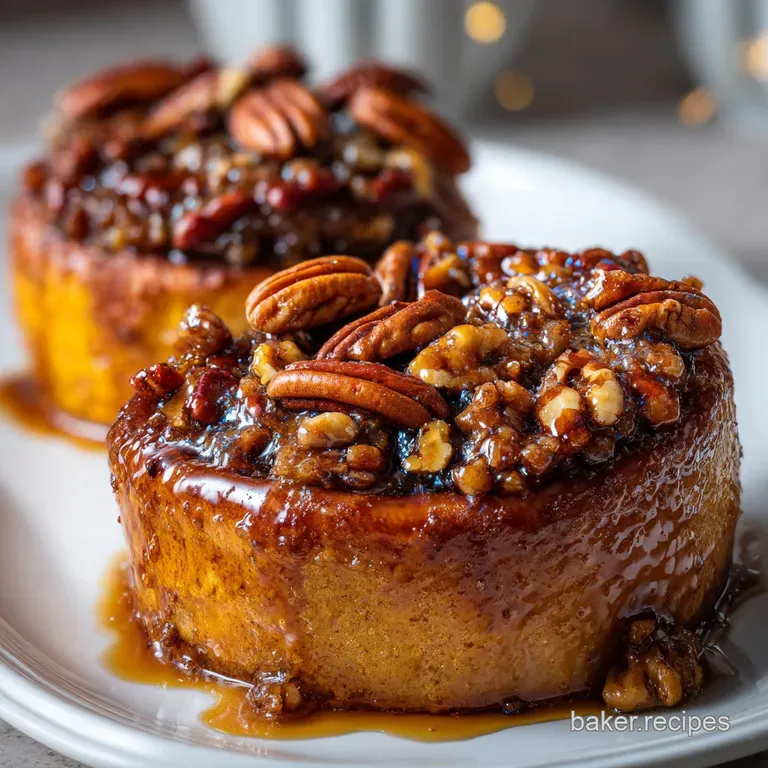
If your buns didn't turn out like the picture, it's usually a small adjustment in timing or temperature. Caramel is temperamental, but it's easy to fix.
Why Your Buns Are Hard
If the dough feels more like a bagel than a bun, you likely over floured the work surface or over baked them. High heat evaporates the moisture provided by the pumpkin.
| Problem | Root Cause | Solution |
|---|---|---|
| Caramel is stuck | Waited too long to flip | Heat the bottom of the pan briefly on the stove to melt it. |
| Dough won't rise | Milk was too hot | Start over with fresh yeast and milk at exactly 38°C. |
| Raw centers | Pan was overcrowded | Ensure you only have 12 buns in a 9x13 pan for airflow. |
Common Mistakes Checklist
- ✓ Always use a thermometer for the milk; anything over 45°C will kill your yeast instantly.
- ✓ Don't skip the second rise - this is where the air bubbles form that make the buns light.
- ✓ Use unflavored dental floss for cutting to avoid sealing the dough edges with a dull knife.
- ✓ Flip the pan exactly 5 minutes after taking it out of the oven to ensure the glaze is fluid but thick.
- ✓ Pat the pumpkin puree dry if it has a lot of surface liquid to keep the hydration levels correct.
Dietary Adaptations for Every Guest
You don't have to miss out if you have dietary restrictions. This dough is actually quite sturdy and handles swaps well as long as you maintain the fat content.
- Vegan Option: Use full fat coconut milk instead of whole milk and a high-quality vegan butter block. The fat in coconut milk provides a similar velvety feel to the crumb.
- gluten-free: A 1 to-1 gluten-free baking flour can work, but you will need to add 1 tsp of xanthan gum if the blend doesn't have it. The texture will be denser and less "stretchy."
- Refined sugar-free: Replace the brown sugar with coconut sugar. It has a similar caramel like flavor but a lower glycemic index.
| Original Ingredient | Substitute | Why It Works |
|---|---|---|
| Whole Milk | Coconut Milk | Similar fat content. Note: Adds a slight tropical hint to the pumpkin. |
| Bread Flour | All Purpose Flour | Lower protein. Note: Buns will be softer but less chewy. |
| Pecans | Walnuts | High oil content. Note: Provides a more bitter, earthy contrast to the sugar. |
Adjusting the Batch Size
If you're cooking for a crowd or just a cozy couple, you can scale this recipe. Just be mindful of the pan sizes to ensure the caramel doesn't burn.
- Half Batch (6 Buns): Use a 9 inch round cake pan. Reduce the baking time by about 5 minutes, as the smaller thermal mass heats up faster. For the egg, whisk it in a bowl and use exactly half.
- Double Batch (24 Buns): Don't just double the salt and spices; use 1.5x the amount to avoid an overpowering flavor. You will need two separate 9x13 pans.
- High Altitude: If you're above 3,000 feet, reduce the yeast to 5g and increase the oven temperature by 10 degrees to help the structure set before the air bubbles over expand.
Optimal Freezing and Reheating Methods
These buns are best the day they're made, but you can definitely save some for later. The key is preventing the sugar from crystallizing or the bread from drying out.
Storage: Keep baked buns in an airtight container at room temperature for up to 2 days. For longer storage, put them in the fridge for up to 5 days, but you must reheat them as the butter in the dough will make them feel firm when cold.
Freezing: You can freeze the baked buns for up to 2 months. Wrap them individually in plastic wrap and then foil. To reheat, let them thaw at room temperature, then pop them in a 150°C oven for 10 minutes covered with foil to restore that sizzle.
Zero Waste: If you have leftover caramel or pecans in the pan, don't wash them away! Scrape them into a jar and use them as a topping for vanilla ice cream or stir them into your morning oatmeal.
Perfect Complements for Your Brunch Table
While these are a meal in themselves, a few bitter or salty additions can help cut through the intense sweetness of the maple and pumpkin.
- Crispy Bacon: The saltiness is the ultimate partner for the maple glaze.
- Black Coffee: A dark roast with chocolatey notes provides a necessary bitter contrast.
- Greek Yogurt: A dollop of plain, unsweetened yogurt on the side adds a tangy creaminess.
Searing meat does not "seal in juices." The same is true for bread; a dark crust doesn't mean the moisture is trapped. It's the pumpkin and fat content that keep the inside soft. Also, you don't need to scald milk anymore.
Modern pasteurization makes that old school step unnecessary for killing bacteria; we only warm it now to wake up the yeast.
Common Questions About Sticky Buns
Troubleshooting Common Issues
| Issue | Solution |
|---|---|
| Know if my dough has risen enough | Gently press two fingers into the dough. If the indentation stays and doesn't spring back immediately, it's ready for the next step. |
| Use pumpkin pie spice instead of individual spices | Yes, the recipe calls for 1.33 tbsp of pumpkin pie spice, which is a pre mixed blend of cinnamon, ginger, cloves, and nutmeg. It's perfectly formulated for this. |
| Why did my pecans turn bitter | This usually happens if the sugar in the glaze gets too hot and starts to burn, or if the pecans were old. Always taste a nut before adding it to the pan. |
| Make the dough in a bread machine | Absolutely. Use the "Dough" setting with the Schema ingredients, then follow the shaping and baking instructions starting from step 7. |
| I don't have maple syrup | You can use honey or agave nectar in the same 30ml quantity. The flavor will change slightly, becoming more floral or neutral, but the sticky texture will remain the same. |
Recipe FAQs
What are the 5 ingredient sticky buns?
No, this recipe is more complex. True 5-ingredient sticky buns usually skip the yeast and rely on canned biscuits or pre-made dough, sacrificing texture for speed.
Why do my pumpkin rolls come out sticky?
You likely did not wait long enough after baking to flip them. Let the pan sit for exactly five minutes after removing it from the oven; this allows the sugar matrix to slightly firm up without hardening completely.
Are cinnamon rolls and sticky buns the same thing?
No, they are distinctly different, though related. The main difference is the topping: cinnamon rolls use a simple cream cheese or powdered sugar icing, while sticky buns use a cooked caramel and nut sauce baked beneath them.
Are sticky buns a Pennsylvania thing?
Yes, they are strongly associated with Pennsylvania Dutch cuisine. They are a staple in that region, often featuring molasses or darker sugars instead of pure maple syrup.
How to ensure my homemade pumpkin puree doesn't make the dough soggy?
Roast and strain the pumpkin thoroughly before measuring. Excess moisture prevents proper gluten development, leading to a dense final product. If you enjoyed controlling the hydration here, see how this same principle applies to the dough consistency in our Delicious Bake Cookie Dough Cupcakes - Tasty Treats: A Family Favorite.
Should I let the dough fully proof on the counter if I am baking them the next morning?
No, retard the proofing in the refrigerator overnight. After filling and arranging the buns in the pan, cover them tightly and chill for at least 8 hours; this slow, cold fermentation develops incredible flavor.
Is it true that you must use bread flour to get a tall sticky bun?
No, while bread flour is highly recommended, all-purpose flour can work. Bread flour provides higher protein (gluten) necessary to support the heavy pumpkin and thick caramel topping. If you stick with AP flour, knead for a full 10 minutes to compensate for the lower structure strength.
Pumpkin Sticky Buns Recipe
Ingredients:
Instructions:
Nutrition Facts:
| Calories | 443 kcal |
|---|---|
| Protein | 7.2 g |
| Fat | 26.8 g |
| Carbs | 66.4 g |
| Fiber | 2.9 g |
| Sugar | 33.7 g |
| Sodium | 194 mg |
