Fresh Cranberry Salsa Recipe: No Cook
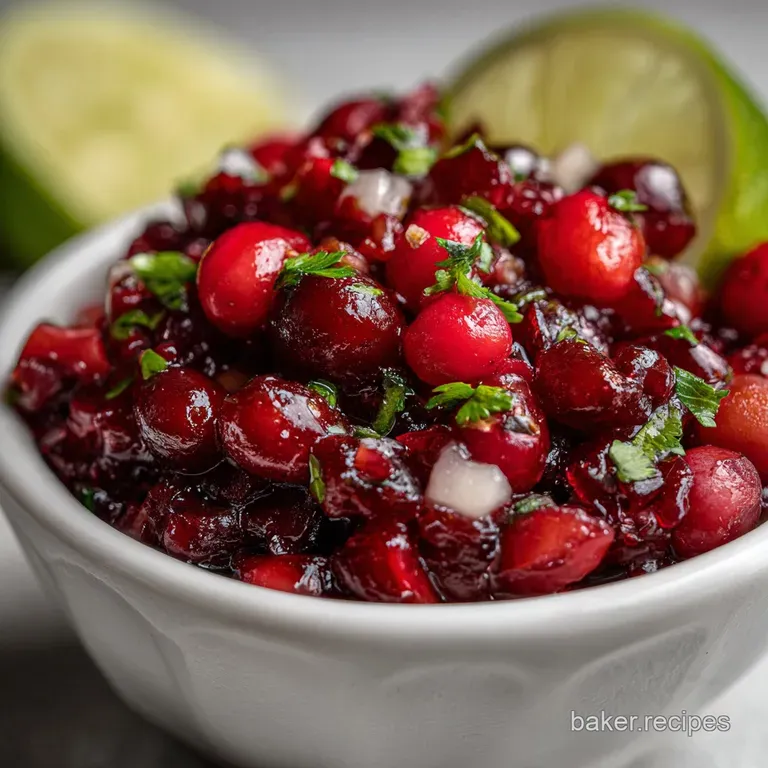
- Time: Active 10 minutes, Passive 0 minutes, Total 10 minutes
- Flavor/Texture Hook: Zesty and crisp with a distinct berry shatter
- Perfect for: Holiday entertaining, quick appetizers, or refreshing protein toppers
- Create a Vibrant Cranberry Salsa Recipe
- Why the Acid Sugar Balance Works
- Timing Your Prep Perfectly
- Deep Dive Into Ingredient Roles
- Picking Your Fresh Produce Carefully
- Best Gear for Clean Chops
- The Complete Prep Flow Guide
- Troubleshooting Common Salsa Texture Problems
- Unique Variations and Ingredient Swaps
- Storing Leftovers for Best Results
- Pairing Suggestions for Every Meal
- Myths About Raw Cranberries
- Recipe FAQs
- 📝 Recipe Card
Create a Vibrant Cranberry Salsa Recipe
The first time I brought this to a family Friendsgiving, the room went quiet. Everyone was used to the jiggly, canned cylinder of sauce that usually sits lonely on the table. Then, someone dipped a salty pita chip into this electric red mixture, and the "crunch pop" sound was enough to start a frenzy.
The aroma of freshly grated ginger and lime hit the air, and suddenly, the turkey was just a vehicle for this spicy, tart goodness.
I've learned the hard way that a cranberry salsa recipe isn't just about throwing things in a blender. If you go too far, you end up with a pink smoothie. If you don't add enough sugar, it feels like a punch to the jaw. But when you hit that sweet spot? It's the highlight of the plate.
We're going to skip the stovetop entirely today. This is raw, bold, and incredibly fast. It’s the kind of dish that makes people ask for the recipe before they've even finished their first bite.
Trust me, once you see how those cranberries shatter under the blade and soak up the lime juice, you'll never go back to the cooked stuff.
Why the Acid Sugar Balance Works
Understanding the "how" behind this dish keeps it from becoming a watery mess. It’s all about controlling the moisture and the sharp edge of the fruit.
- Osmotic Maceration: The organic cane sugar draws moisture out of the cranberry skins, creating a natural syrup that coats the other ingredients.
- Enzymatic Pungency: Grating the fresh ginger breaks open cells to release gingerol, which provides a slow building heat that contrasts the sharp jalapeño.
- Pectin Integrity: Keeping the berries raw preserves their cellular walls, ensuring a crisp "shatter" texture instead of a velvety mush.
Timing Your Prep Perfectly
Deciding how to process your ingredients changes the entire experience of the dish. Most people reach for the machine, but a knife has its perks if you have the patience.
| Prep Method | Time | Texture Result | Best For |
|---|---|---|---|
| Food Processor | 2 minutes | Uniform, fine crumble | Large parties and dipping |
| Hand Chopped | 15 minutes | Chunky, rustic jewels | Topping grilled meats |
| Pulse & Fold | 5 minutes | Varied textures | Standard appetizers |
Right then, if you want a salsa that clings to a chip, go with the processor. If you want something that looks like confetti over a roast, take the time to use a sharp chef's knife.
Deep Dive Into Ingredient Roles
Every component here serves a functional purpose beyond just flavor. We are managing bitterness and water content to keep things snappy.
| Ingredient | Science Role | Pro Secret |
|---|---|---|
| Fresh Cranberries | Bulk and Acidity | Use frozen berries without thawing for a cleaner, snappier chop. |
| Pineapple Chunks | Natural Sweetener | Small pieces provide "juice pockets" that balance the dry berry flesh. |
| Fresh Ginger | Aromatic Heat | Freeze the root before grating to get a fine, snow like texture. |
| Lime Juice | pH Regulator | The citric acid keeps the cilantro bright green for hours. |
Speaking of bright flavors, this reminds me of the zestiness in my Cranberry Sauce recipe, though the raw ginger here adds a much sharper bite.
Picking Your Fresh Produce Carefully
You need ingredients that can stand up to being pulsed without turning into a puddle. Here is exactly what you should look for at the market.
- 12 oz fresh whole cranberries: Look for bags with no shriveled fruit. They should feel like tiny marbles.
- Substitute: Frozen cranberries (do not thaw). Why this? They maintain structural integrity better when processed cold.
- 1/2 cup fresh pineapple chunks: Fresh is best, but canned works if drained extremely well.
- Substitute: Mango chunks. Why this? Adds a creamy sweetness that cuts the cranberry tartness.
- 3 medium green onions: Use the white and light green parts only for a mild bite.
- Substitute: Shallots. Why this? Provides a more sophisticated, garlicky undertone.
- 1 medium jalapeño: Seed it unless you want a serious kick.
- Substitute: Serrano pepper. Why this? Higher heat but similar bright, grassy flavor profile.
- 1/2 cup fresh cilantro leaves: Pack them loosely before measuring.
- Substitute: Flat leaf parsley. Why this? Good for those who find cilantro tastes like soap.
- 1 tbsp fresh ginger: Grate it finely so you don't bite into a woody chunk.
- Substitute: 1/2 tsp ground ginger. Why this? Use only as a last resort; it lacks the fresh zing.
- 1/3 cup organic cane sugar: The crystals help "scrub" the berries during pulsing.
- Substitute: Honey or agave. Why this? Liquid sweeteners blend faster but may make the salsa runnier.
- 2 tbsp freshly squeezed lime juice: Never use the bottled stuff here.
- Substitute: Lemon juice. Why this? Similar acidity but lacks the specific floral notes of lime.
- 1/4 tsp fine sea salt: Just enough to make the other flavors pop.
- Substitute: Kosher salt. Why this? Use slightly more as the flakes are larger and less salty by volume.
Best Gear for Clean Chops
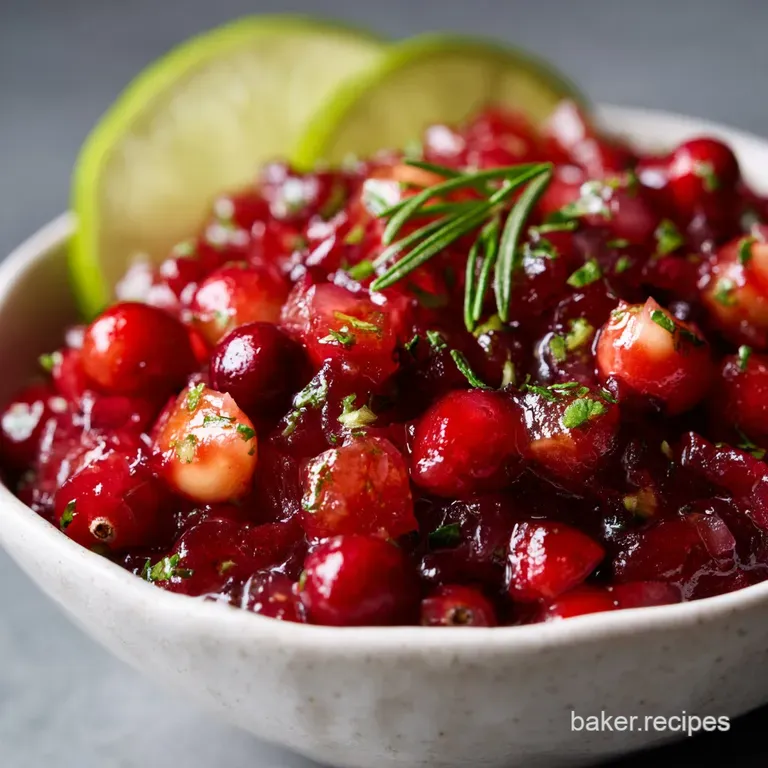
You don't need a professional kitchen, but a few specific tools make this cranberry salsa recipe much easier to execute.
I highly recommend a food processor with a sharp "S" blade. A blender is often too powerful and will liquify the bottom layer before the top even moves. If you are using a blender, work in very small batches.
A microplane is also a lifesaver for that fresh ginger; it turns the root into a velvety paste that disappears into the salsa while leaving all the flavor behind.
The Complete Prep Flow Guide
Let's crack on with the assembly. The order of operations matters here because we want to avoid over processing the softer ingredients.
- Prep the aromatics. Seed the jalapeño and roughly chop the green onions. Note: This prevents big chunks of onion from surviving the pulse phase.
- Grate the ginger. Use a microplane to get exactly 1 tbsp of fresh ginger paste.
- Combine the base. Place the 12 oz fresh whole cranberries and 1/2 cup fresh pineapple chunks in the processor.
- Add the flavorings. Toss in the jalapeño, green onions, 1/2 cup cilantro, and 1/3 cup organic cane sugar.
- Season the mix. Pour in 2 tbsp lime juice and 1/4 tsp fine sea salt.
- Pulse with caution. Press the pulse button 5-8 times until the berries are coarsely chopped but not pureed.
- Check the texture. Scrape down the sides and pulse 2 more times if large berries remain.
- Taste and adjust. Dip a chip in; if it's too tart, add 1 more teaspoon of sugar.
- Transfer and chill. Move the salsa to a glass bowl. Wait at least 30 minutes for the sugar to dissolve completely.
- Final stir. Give it one last mix before serving to redistribute the juices that settled at the bottom.
Chef's Tip: If your salsa looks too watery after sitting, don't toss the liquid! Strain a few tablespoons out and use it as a base for a festive margarita or vinaigrette.
Troubleshooting Common Salsa Texture Problems
Sometimes things go sideways, especially with fresh produce. But most issues are easy to fix if you catch them early.
Why Your Salsa Is Too Watery
If you let the salsa sit for more than four hours, the sugar will draw out a lot of liquid from the pineapple and cranberries. This is natural but can make the bowl look "soupy." Simply use a slotted spoon to serve it, or strain the excess liquid into a jar for other uses.
Why Your Salsa Is Too Tart
Cranberries vary in bitterness depending on the harvest. If 1/3 cup of sugar isn't cutting it, add more in small increments. Remember that the flavors will mellow as it sits, so don't over sweeten it immediately.
| Problem | Root Cause | Solution |
|---|---|---|
| Bitter Aftertaste | Pith from the lime or old ginger | Add a tiny pinch more salt to mask bitterness. |
| Mushy Texture | Over processing in the machine | Fold in a handful of fresh, hand chopped berries for crunch. |
| Lack of Depth | Not enough salt or ginger | Increase ginger by 1/2 tsp and allow to sit for 10 mins. |
Common Mistakes Checklist
- ✓ Using "wet" cilantro - ensure your herbs are bone dry before pulsing to avoid a swampy green color.
- ✓ Forgetting to seed the jalapeño - unless you want a spicy cranberry salsa recipe that burns, remove those ribs!
- ✓ Processing for too long - count your pulses; 10 is usually the absolute limit.
- ✓ Skipping the resting period - the sugar needs time to macerate the fruit and lose its grainy texture.
- ✓ Using canned pineapple with syrup - only use juice packed or fresh to keep the sugar levels controlled.
Unique Variations and Ingredient Swaps
I love the base version, but sometimes you want to change the vibe depending on what you're serving.
- The Tropical Twist: Use 1/2 cup mango instead of pineapple and add a tablespoon of toasted shredded coconut at the very end. This is a brilliant cranberry salsa recipe with pineapple and a beachy flair.
- The Smoky Depth: Swap the jalapeño for a finely minced chipotle in adobo. It adds a deep, charred flavor that pairs beautifully with grilled pork.
- Herbaceous Alternative: If you are making a cranberry salsa recipe no cilantro, swap it for fresh mint. It sounds strange, but the cooling mint against the tart berry is incredibly refreshing.
If you are looking for a way to use up extra berries in a different format, you might want to learn How to Make recipe for a beautiful artisan loaf that uses these same tart notes.
Storing Leftovers for Best Results
This salsa is best eaten within 48 hours. After that, the cilantro begins to wilt and the cranberries lose their characteristic "pop," becoming somewhat soft.
Fridge Storage: Keep it in an airtight glass container. Plastic can sometimes absorb the onion and jalapeño scents. It will stay safe to eat for up to 5 days, but the texture is peak on day one and two.
Freezing: I don't recommend freezing the finished salsa. The cellular structure of the raw berries and pineapple will collapse upon thawing, leaving you with a watery puree. If you must prep ahead, freeze the whole cranberries and only make the salsa when you are ready to eat.
Zero Waste Tip: If you have a cup of salsa left that’s getting a bit soft, throw it into a small saucepan with a splash of orange juice. Simmer it for 10 minutes, and you've turned your salsa into a quick, spicy compote for oatmeal or yogurt!
Pairing Suggestions for Every Meal
This salsa is surprisingly versatile. While it’s a holiday staple, I find myself making it year round for different proteins.
For a classic appetizer, pour the salsa over a brick of cold cream cheese or a warm wheel of brie. The contrast between the velvety cheese and the shattering berries is addictive. If you are serving a heavy meal like a Crockpot Meat Sauce recipe over pasta, a small bowl of this salsa on the side acts as a bright palate cleanser.
It also works wonders as a relish for turkey burgers or grilled chicken breasts. The acidity cuts right through the fat, making every bite feel lighter.
Decision Shortcut: If you want X, do Y If you want a thicker salsa, strain the pineapple chunks for 10 minutes before adding them to the processor.
If you want a sweeter finish, replace the cane sugar with 1/4 cup of honey and let it chill for an hour. If you want a spicier kick, leave the jalapeño seeds in and add a pinch of red pepper flakes.
Myths About Raw Cranberries
There is a common misconception that raw cranberries are too bitter to enjoy. While they are definitely tart, the "bitterness" people describe is often just a lack of proper sugar balance. When combined with the pineapple and salt in this recipe, the tartness becomes a bright highlight rather than an obstacle.
Another myth is that you must use a food processor. While it's faster, some of the best batches I've made were hand chopped with a heavy knife. It results in a much more beautiful, jewel like appearance where you can actually see the individual pieces of ginger and green onion.
Finally,, don't believe that this is only for the holidays. Fresh cranberries are often available in the freezer section year round, and this salsa is just as good at a summer BBQ as it is at a Christmas dinner. The cooling lime and ginger make it a perfect companion for a hot day and a cold drink.
Recipe FAQs
How long will cranberry salsa last?
Best eaten within 48 hours. The texture is peak during this time because the cranberries maintain their crispness. It is safe for up to 5 days in an airtight container, but it will soften.
What are the main ingredients in raw cranberry salsa?
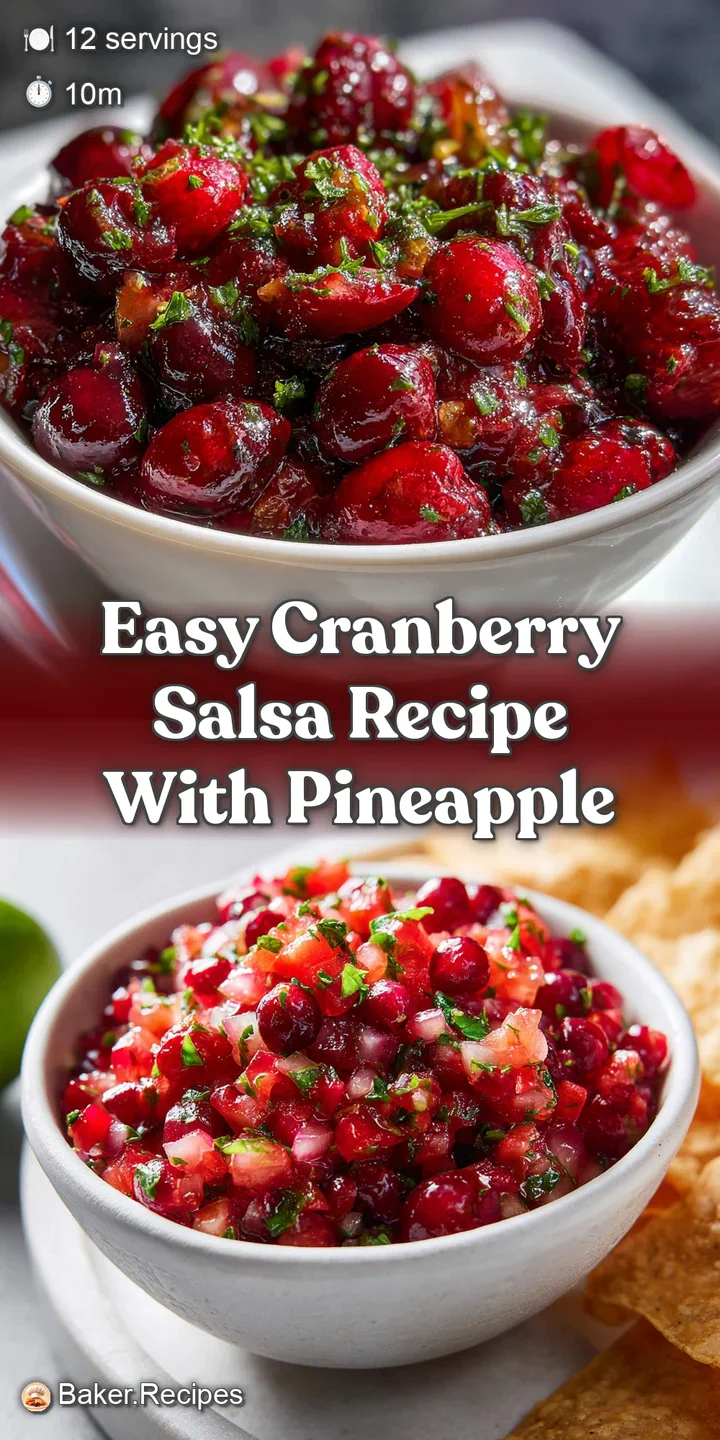
Raw cranberries, pineapple, lime juice, sugar, jalapeño, ginger, and cilantro. This recipe skips cooking entirely, relying on the sugar to macerate the fruit and create its own vibrant syrup.
What are some common mistakes when making cranberry salsa?
Over processing the ingredients is the biggest pitfall. If you blend it too long, you end up with a pink puree instead of a chunky salsa with satisfying texture.
What's the secret to great tasting salsa?
Achieving a perfect sweet tart-heat balance, followed by a mandatory rest period. You must let the salsa chill for at least 30 minutes so the sugar fully dissolves and the flavors meld together, taming the initial harshness.
Can I substitute fresh cranberries with frozen ones?
Yes, frozen cranberries are an excellent substitute if you do not thaw them. Keeping them frozen helps them process cleaner without bleeding as much color or moisture into the mixture immediately.
How do I make the salsa texture less watery after a few hours?
Strain the excess liquid before serving if it pools at the bottom. This liquid is a fantastic, sharp base for vinaigrettes or cocktails, but it thins the salsa too much for dipping.
What should I serve with this bright, tart salsa?
Serve it over cream cheese or alongside rich proteins like turkey or pork. The acidity cuts beautifully through heavy flavors, similar to how the sauce brightens the meat in our The Homemade Green recipe.
Quick Cranberry Salsa Recipe
Ingredients:
Instructions:
Nutrition Facts:
| Calories | 41 kcal |
|---|---|
| Protein | 0.3 g |
| Fat | 0.1 g |
| Carbs | 10.2 g |
| Fiber | 1.3 g |
| Sugar | 7.4 g |
| Sodium | 49 mg |
