Easy Korean Lunchbox Idea for Quick | 35-Minute Meal Prep
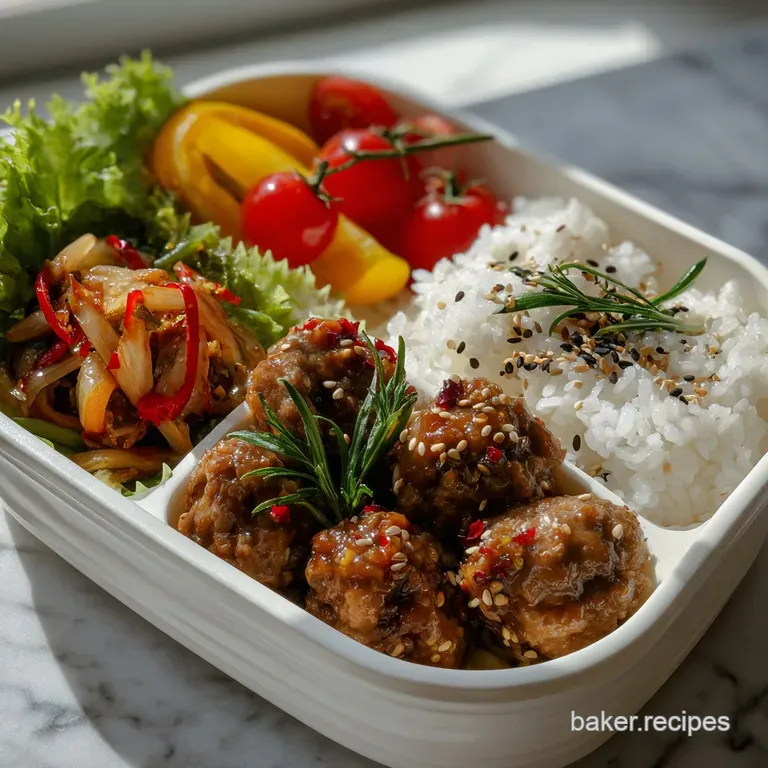
- Effort/Time: 20 minute prep, 15 minute high-intensity cooking.
- Flavor Hook: Savory soy-caramelized beef paired with sharp, acidic pickled radish.
- Perfect for: Corporate professionals or students needing high-protein, stable-texture lunches.
- Mastering the Art of a Balanced Easy Korean Lunchbox Idea for Quick
- The Culinary Physics of Flavor Extraction and Texture Contrast
- Technical Benchmarks for Your Midday Meal Engineering
- The Alchemy of Umami: Selecting High-Performance Elements
- Essential Thermal Tools for Precision Heat Management
- The 35 Minute Assembly Protocol: A Phased Execution
- Why Your Rice Is Mushy: Troubleshooting Structural Failures
- Flavor Architecture: Creative Modifications for Diverse Palates
- Post-Production Logistics: Preservation and Rethermalization Systems
- Bento Box Construction: Visual Aesthetics and Portability
- Recipe FAQs
- 📝 Recipe Card
Mastering the Art of a Balanced Easy Korean Lunchbox Idea for Quick
We have all lived through the tragedy of the "gray beef" lunch. You know the one a plastic container of steamed, rubbery protein swimming in a puddle of condensation, accompanied by rice that has the structural integrity of wet cardboard.
I spent months failing at meal prep, trying to figure out why my home cooked Korean lunches lacked that vibrant, punchy "shatter" of flavor found in Seoul’s lunchboxes. The secret isn't just the seasoning; it is the thermal management of the ingredients.
The most common failure point in an Easy Korean Lunchbox Idea for Quick is moisture migration. When you pack hot rice next to cold vegetables, the resulting steam creates a greenhouse effect that destroys texture.
After ruining at least five batches of Bulgogi by over crowding my Lodge Cast Iron Skillet, I realized that the beef requires a specific moisture-to-heat ratio to achieve a glossy sheen rather than a boiled texture.
This recipe uses a specific "dry-sear" approach for the sirloin and a "rapid cool" protocol for the spinach. By understanding the science of starch gelatinization and osmotic pressure, we can ensure every bite remains distinct and vibrant.
We aren't just packing food; we are engineering a flavor stable environment that survives the four hour stretch between your fridge and your fork. This Easy Korean Lunchbox Idea for Quick is designed for maximum stability.
The Culinary Physics of Flavor Extraction and Texture Contrast
Maillard Acceleration: over High heat searing of the beef sirloin triggers a chemical reaction between amino acids and reducing sugars, creating hundreds of flavor compounds.
Enzymatic Regulation: The acidity in the rice vinegar and pickled radish acts as a palate cleanser, cutting through the heavy lipids of the sesame oil to prevent sensory fatigue.
Chef's Tip: To get a paper thin slice on your sirloin, freeze the meat for 25 minutes before cutting. This firms the fat and muscle fibers, allowing your knife to glide through for that signature "velvety" texture.
Technical Benchmarks for Your Midday Meal Engineering
Understanding the logistics of your Easy Korean Lunchbox Idea for Quick ensures you hit your timing windows every time.
- Yield: 4 Portions (standard 3 compartment bento size).
- Prep Time: 20 minutes (includes vegetable blanching and meat slicing).
- Cook Time: 15 minutes (synchronous rice and protein cooking).
- Total Time: 35 minutes.
- Thermal Window: Meat is best seared at 425°F (218°C) to prevent juice leaching.
The Alchemy of Umami: Selecting High Performance Elements
Success depends on the chemical properties of your ingredients. We use specific brands like Kikkoman Soy Sauce for its consistent salinity levels.
| Ingredient | Chemical/Physical Role (Science) | The Pro Secret (Why This Matters) |
|---|---|---|
| 1 lb Beef Sirloin | Myoglobin rich protein for Maillard browning | Why this? Lean but tender; prevents grease pools in the box. |
| 2 cups Short grain Rice | High amylopectin content for "clingy" texture | Why this? Holds moisture better than long grain during reheating. |
| 1 tbsp Toasted Sesame Oil | Lipid based flavor carrier with a low smoke point | Why this? Essential for that nutty, olfactory triggering aroma. |
| 2 medium Potatoes | Starch rich vehicle for soy-honey emulsion | Why this? Cubing small (1cm) maximizes surface area for glaze adhesion. |
The Support Cast: 2 tbsp Soy sauce (Salinity and umami depth). 1 tbsp Brown sugar (Caramelization catalyst). 2 cloves Garlic (Aromatic sulfoxides). 1/2 tsp Black pepper (Piperine heat). 10 oz Fresh spinach (Nitrate rich fiber). 1 tbsp Honey (Glossy coating for potatoes).
1/2 cup Danmuji (Lactic acid and crunch).
Essential Thermal Tools for Precision Heat Management

To execute this Lunchbox Idea for Quick, you need tools that manage heat distribution effectively. I prefer a Lodge 12 inch Cast Iron Skillet for the beef because its thermal mass prevents the temperature from dropping when the cold meat hits the surface.
- Rice Cooker or Heavy Saucepan: For starch gelatinization.
- 12 inch Skillet: For high surface-area searing.
- Stainless Steel Mixing Bowl: For the "cold shock" spinach bath.
- Bento style Containers: Airtight glass or BPA-free plastic for moisture control.
The 35 Minute Assembly Protocol: A Phased Execution
Follow these steps in order to maximize your 35 minute window for this Idea for Quick. This detailed assembly is what makes the Easy Korean Lunchbox Idea for Quick successful.
- Rinse 2 cups of short grain rice under cold water until the water runs translucent, removing excess surface starch.
- Combine rice and 2.5 cups water in your cooker; start the cycle until the "keep warm" light signals completion. Note: Proper hydration prevents "crunchy" centers.
- Whisk 2 tbsp soy sauce, 1 tbsp brown sugar, and minced garlic in a bowl until sugar granules dissolve into a dark syrup.
- Toss sliced sirloin into the marinade until every fiber is coated in a glossy, dark sheen.
- Blanch 10 oz spinach in boiling water for 30 seconds until leaves turn vibrant emerald, then immediately plunge into ice water.
- Squeeze spinach vigorously until it feels like a dry sponge, removing 90% of internal moisture. Note: This prevents "soggy box" syndrome.
- Sauté cubed potatoes in a separate pan for 8 minutes until edges are pale golden and centers are tender.
- Glaze potatoes with 1 tbsp honey and 2 tbsp soy sauce until the liquid reduces into a sticky, mahogany coating.
- Sear beef in the preheated Lodge Skillet for 4 minutes until edges sizzle and turn mahogany brown. Note: Don't crowd the pan or the meat will steam.
- Assemble the lunchbox by layering rice, then topping with beef, seasoned spinach, glazed potatoes, and sliced Danmuji.
Why Your Rice Is Mushy: Troubleshooting Structural Failures
The most frustrating part of a Lunchbox Idea for Quick is when your components fail to hold their integrity.
Why Your Beef is Tough or Gray
When the skillet isn't hot enough, the meat releases its intracellular fluid (myoglobin and water) before the Maillard reaction can occur. This results in "boiling" the meat in its own juices. You need to hear a violent sizzle the moment the beef touches the metal.
| Problem | Root Cause | The Fix | Pro Protocol |
|---|---|---|---|
| Mushy Rice | Excess surface starch or too much water | Rinse 3+ times; use 1:1.25 ratio | Add 1 tsp rice vinegar after cooking to tighten starch |
| Watery Spinach | Incomplete mechanical squeezing | Squeeze through cheesecloth or a clean kitchen towel | Season with salt after squeezing to prevent more water release |
| Rubbery Beef | Overcooking or cutting with the grain | Cook on max heat for <5 mins; slice across grain | Use a heavy skillet to maintain thermal mass |
Flavor Architecture: Creative Modifications for Diverse Palates
If you find yourself making this Easy Korean Lunchbox Idea for Quick every week, you might want to pivot the flavor profile without changing the core physics of the recipe. If you enjoy this flavor profile, you might also like the balance found in our How to Make recipe for a sweet post lunch treat.
| Original Ingredient | Substitute | Why It Works |
|---|---|---|
| Beef Sirloin | Sliced Chicken Thighs | Higher fat content; remains moist during microwave reheating. |
| Short grain Rice | Quinoa or Brown Rice | Increases fiber; requires 20% more water and 10 mins extra cook time. |
| Soy Sauce | Tamari | Provides a similar umami profile but is 100% gluten-free. |
| Honey | Agave Nectar | Similar viscosity but lower glycemic index; adds a neutral sweetness. |
The Spicy Pork Twist (Jeyuk Bokkeum): Swap the beef marinade for a mix of Gochujang (Korean chili paste) and ginger. The fermentation in the Gochujang provides a deeper complex sugar profile that caramelizes even faster than brown sugar.
Post Production Logistics: Preservation and Rethermalization Systems
How you store this Easy Korean Lunchbox Idea for Quick determines if the texture holds up on Wednesday.
- Storage: Keep in airtight containers in the fridge for up to 4 days.
- Freezing: You can freeze the beef and rice portions. However, do not freeze the spinach or Danmuji, as their cell walls will shatter, resulting in a mushy mess upon thawing.
- Reheating: Microwave on 70% power for 2 minutes. The lower power setting prevents the beef from turning into "leather" by heating the water molecules more gently.
Zero Waste Philosophy: Don't discard the liquid from the blanched spinach. Transform: Use it as the base for a quick miso soup. Science: The water contains water soluble vitamins (B and C) that leached out during the 30 second blanch.
Bento Box Construction: Visual Aesthetics and Portability
Presentation matters because we eat with our eyes first. A well organized Easy Korean Lunchbox Idea for Quick isn't just about looks it’s about preventing flavor bleed. Much like the layering technique in a Crockpot Meat Sauce recipe, the order of operations matters for this lunchbox.
- Foundation: Pack the rice on one side, sloping it slightly.
- Barrier: Use the spinach as a natural wall between the rice and the beef. This prevents the beef juices from soaking into the rice prematurely.
- Accent: Place the yellow Danmuji in the smallest compartment. Its bright yellow color provides a visual "pop" against the dark beef.
- Texture: Sprinkle toasted sesame seeds over the beef at the very last second before closing the lid to maintain their crunch.
The Science of Retrogradation: When rice cools, the starch molecules realign into a crystalline structure (retrogradation), which makes the rice feel hard. Adding 1 tsp of rice vinegar or a splash of water before reheating "unlocks" these crystals, returning the rice to its original velvety state.
Common Myths:Myth: You must marinate the beef overnight. Truth: Because the beef is sliced so thin, the high surface area-to-volume ratio allows the soy-sugar mixture to coat and flavor the meat effectively in just 5 minutes.
Long marinades with salt can actually begin to "cure" the meat, making it tough.
By following this protocol, your Easy Korean Lunchbox Idea for Quick will become the highlight of your workday. No more gray beef. No more soggy rice. Just high performance, scientific deliciousness. Let's crack on with the meal prep!

Recipe FAQs
How fast is this lunchbox preparation process?
35 minutes total cook and prep time. The system prioritizes rapid high heat searing for texture development ahead of time.
Can I use pre-cut frozen vegetables instead of fresh?
No. Frozen vegetables release excessive water. This prevents the necessary high heat caramelization required for the savory soy-base.
What protein works best if I cannot eat beef?
- Use thin, uniform cuts
- Marinate for minimum 15 minutes
- Pat dry before searing
Should I keep the vegetables crunchy or fully cooked for lunchboxes?
Is it better to assemble the components separately or mix them before packing?
Myth: I must refrigerate this immediately after cooking.
Myth: Refrigerating immediately prevents spoilage. Reality: Allowing the food to cool to near room temperature (below 140°F) before sealing prevents condensation buildup, which promotes bacterial growth and sogginess.
Is the soy-caramel glaze overly sweet compared to traditional Korean BBQ?
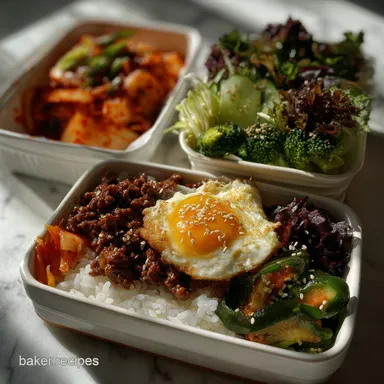
Quick Korean Bento Lunch Meal Prep
Ingredients:
Instructions:
Nutrition Facts:
| Calories | 703 kcal |
|---|---|
| Protein | 45.5 g |
| Fat | 10.8 g |
| Carbs | 108 g |
| Fiber | 4.6 g |
| Sugar | 11.2 g |
| Sodium | 995 mg |
