Rainbow Vegetarian Bibimbap Korean Mixed Rice Bowl
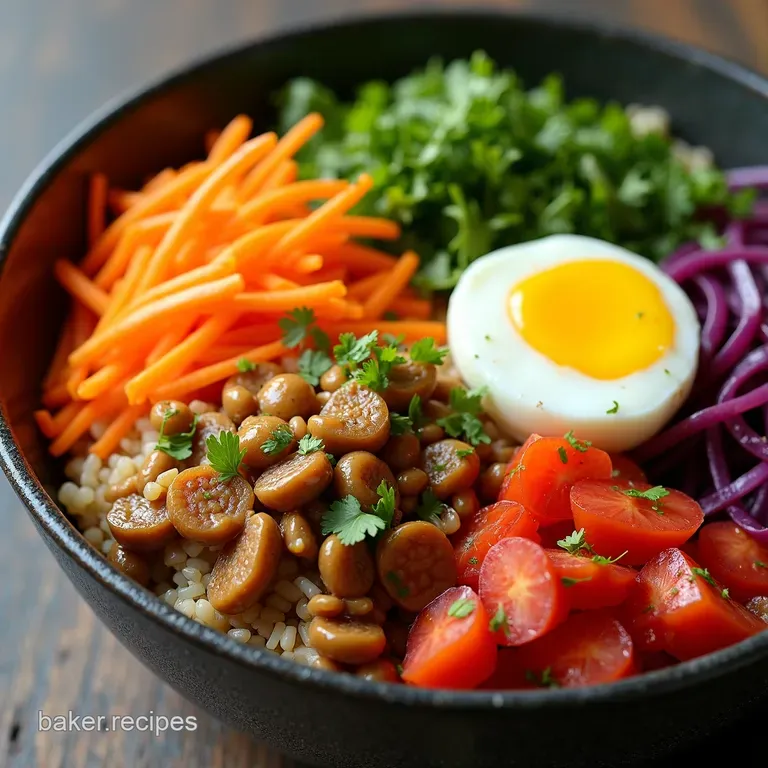
Recipe Introduction
Quick Hook
Fancy a flavour fiesta? Ever craved a bowl of happiness? This Vegetarian Bibimbap recipe is your ticket! It's all about that perfect blend of savoury, spicy, and slightly sweet.
Honestly, it’s pure food heaven.
Brief Overview
Bibimbap means "mixed rice" in Korean. It's a national treasure, a flavour adventure. This Korean mixed rice dish is easy to make.
Prep takes 30 minutes, cooking 20. This recipe serves 4 hungry souls.
Main Benefits
This Rainbow vegetable bibimbap is packed with nutrients! It's a great way to load up on veggies. Serve it for a fun weeknight dinner.
What makes this Easy bibimbap recipe so special? It’s totally customisable.
Next up, ingredients! You'll need rice, veggies, and Gochujang sauce recipe . Don't worry, I'll walk you through it all. Let's get started, shall we? The journey to create Vegetarian Bibimbap awaits.
Ingredients & Equipment: Let's Get This Show on the Road!
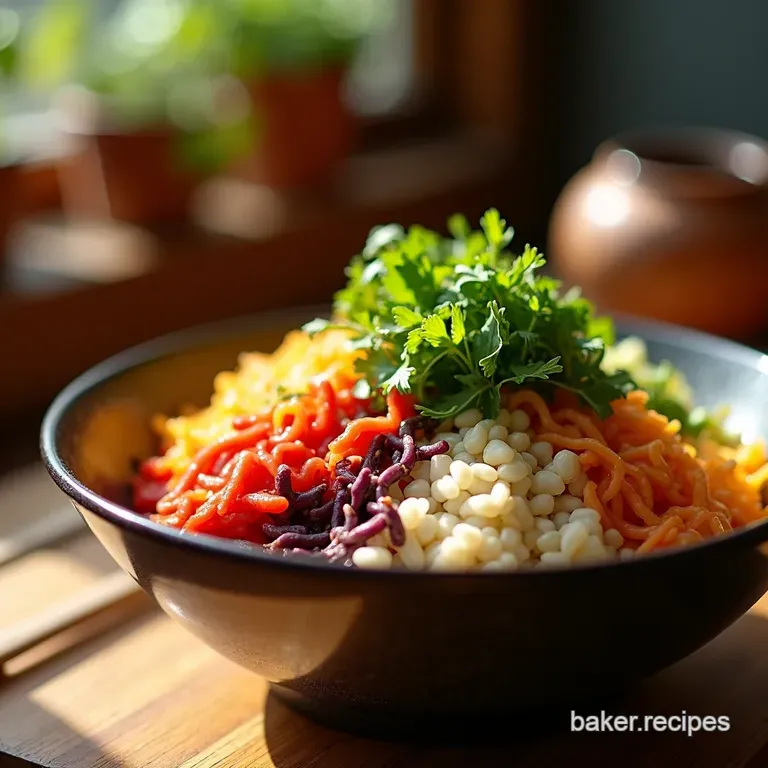
So, you're ready to whip up some Vegetarian Bibimbap ? Ace! Honestly, it looks intimidating, but it's surprisingly easy once you get the hang of it.
Think of it as a deconstructed stir fry. Let's gather our bits and bobs, shall we?
Main Ingredients: The A-Team
Right, first things first, let's talk rice. You'll need 2 cups (400g) of short grain rice. Why short grain? It gets that lovely, sticky texture that's just perfect for scooping up all those delicious veggies.
Rinse it really well before cooking. No one likes gritty rice, do they?. Then, 2 ½ cups (600ml) of water to cook it in.
Then, we have a rainbow of veggies. Get your julienning skills ready!
- 1 tbsp (15ml) sesame oil
- 1 medium carrot , julienned (about 1 cup/100g ) - Look for vibrant colour and firm texture!
- 1 medium zucchini , julienned (about 1 cup/100g )
- 8 oz (225g) Shiitake Mushrooms , stemmed and sliced - Fresh Shiitake Mushrooms will smell earthy, not sour.
- 1 cup (100g) fresh spinach , washed
- 1 cup (100g) bean sprouts , rinsed
- 1 red bell pepper , julienned (about 1 cup/100g )
- Pinch of salt
- Pinch of black pepper
For the Gochujang sauce recipe , which really makes this dish sing, you'll need:
- 2 tbsp (30ml) gochujang ( Korean pepper paste ). This is the heart of the dish!
- 1 tbsp (15ml) sesame oil
- 1 tbsp (15ml) rice vinegar
- 1 tbsp (15ml) soy sauce
- 1 tbsp (15ml) honey or maple syrup (for our vegan mates).
- 1 tsp (5ml) minced garlic
- 1 tsp (5ml) sesame seeds
- ½ tsp (2.5ml) gochugaru (Korean chili flakes, optional)
- 1 tbsp (15ml) water
Finally, for the optional fried egg (or the Crispy Tofu , if you fancy a Vegan Bibimbap recipe !), you need:
- 4 large eggs
- 2 tbsp (30ml) vegetable oil , for frying eggs
- Sesame seeds, for garnish
- Kimchi (optional, for serving)
- Seaweed snacks (optional, for serving)
Seasoning Notes: Spicing Things Up
The secret to a banging Vegetarian Bibimbap (or any Korean vegetarian cuisine , for that matter) is the Gochujang . It's spicy, sweet, and funky all at once.
If you can't find it, well...seriously, try to find it! Okay, okay, a mix of sriracha, miso, and a tiny bit of sugar could work in a pinch, but it won't be the same.
A perfect Rainbow vegetable bibimbap is all about having good ingredients.
Gochugaru is the Korean chili flakes. If you want extra heat, add some!
Equipment Needed: The Bare Essentials
You don't need fancy gadgets for this Easy Bibimbap recipe . A rice cooker or a saucepan for the rice, a large frying pan or wok for the veg, and a few bowls for mixing are all you really need.
Honestly, my rice cooker is probably my most used bit of kitchen kit. Absolute lifesaver! So, here's the breakdown:
- Rice cooker or saucepan
- Large skillet or wok
- Mixing bowls
- Small saucepan
- Chopping board
- Sharp knife
- Measuring cups and spoons
Right, now we've got our gear sorted, let's get cooking! This Vegetarian Bibimbap will be the best you've ever tasted!
Cooking Method: Sizzling Up a Rainbow Vegetarian Bibimbap!
Right, let's talk about the heart of this Vegetarian Bibimbap adventure: the cooking method! Honestly, it's simpler than you might think.
It all comes down to a bit of prep and some quick cooking. I remember the first time I tried making Korean mixed rice at home.
I was proper intimidated. But, trust me, once you get the hang of it, you'll be whipping this up every week.
This easy bibimbap recipe will become your go-to!
Prep Steps: Get Your Ducks in a Row
First things first, mise en place is key, my friend. Get all your veggies chopped into nice little juliennes think matchsticks.
It makes everything cook evenly and look fancy. Slice your Shiitake Mushrooms , too. I like to do this while the rice is cooking.
Saves time, innit? Don't forget to rinse your rice thoroughly. This gets rid of excess starch. And remember, knives are sharp! So, take your time and be careful.
step-by-step: From Ingredients to Deliciousness
Here's the nitty gritty:
- Cook the rice according to the pack's directions. Fluff it up once cooked.
- In a pan, heat 1 tablespoon (15ml) of sesame oil . Sauté each vegetable separately ( carrot, zucchini, mushrooms, spinach, bean sprouts, red pepper ). Season with a pinch of salt and pepper .
- Cook until tender crisp about 3- 5 minutes per veg.
- Whisk together the Gochujang sauce recipe ingredients: Gochujang sauce , sesame oil , rice vinegar , soy sauce , honey/maple syrup , minced garlic , sesame seeds , gochugaru , and water .
- Fry an egg (optional) until the whites are set but the yolk is still runny. About 2- 3 minutes over medium heat.
- Assemble your bowl. Rice first, then veggies in a rainbow pattern. Top with the egg and drizzle with that amazing pepper paste.
Pro Tips: Secrets from My Kitchen
Want to take your Vegetarian Bibimbap to the next level? Here are a few tricks I've picked up along the way.
Don't overcook your veggies! Aim for that slight crunch. It's all about texture. Taste your Gochujang sauce . Adjust the spice and sweetness to your liking.
Making a big batch? You can prep the veggies and the Gochujang sauce recipe ahead of time. This makes weeknight dinners a breeze!
So, there you have it! My version of the Rainbow vegetable bibimbap . A flavourful and healthy dish perfect for any day of the week.
Feel free to adapt this Vegan bibimbap recipe and make it your own. Experiment with different vegetables and spice levels.
Most importantly, have fun!
Recipe Notes for Your Vegetarian Bibimbap Masterpiece
Right, so you're about to embark on making some proper grub. This Vegetarian Bibimbap is genuinely banging, and these little notes will help you smash it.
Honestly, it's all about the details, innit?
Serving Suggestions: Plating Like a Pro
Listen, food eats with its eyes first. So, get your plating game on! Arrange your rainbow vegetable bibimbap in neat little sections.
Picture this: vibrant green spinach next to bright orange carrots, then that gorgeous red pepper paste . Then a drizzle Gochujang sauce recipe , serve alongside some kimchi.
For drinks, maybe a refreshing Korean barley tea? Now that's a spread!
Storage Tips: Keepin' it Fresh
Right then, if you've got leftovers (unlikely, cos this stuff is wicked), pop it in an airtight container. It'll happily sit in the fridge for about 3 days .
Don't even think about freezing it. The textures will go all weird, and nobody wants soggy veggies. Reheating? Give it a quick zap in the microwave or gently warm it up in a pan.
You know? Just until it's heated through.
Variations: Spice It Up (Or Not!)
Fancy a bit of a twist? No worries! Going Vegan bibimbap recipe ? Just ditch the egg and use maple syrup instead of honey in the Gochujang sauce recipe .
Boom! Done! Feeling seasonal? Chuck in some roasted butternut squash in the autumn or some grilled asparagus in the spring.
This dish is pretty versatile, you know? Also feel free to replace common ingredients such as Shiitake Mushrooms with regular ones.
Nutrition Basics: Goodness in Every Bite
Okay, so it's tasty, but is it good for ya? Absolutely! This Easy bibimbap recipe is packed with vitamins from all those lovely veggies.
You're getting fibre, antioxidants, all that jazz. The Korean vegetarian cuisine is generally pretty healthy, and this is no exception.
Plus, a little bit of spice from the Gochujang sauce recipe can even give your metabolism a little kick! It's roughly 550 calories per serving, making it a great balanced meal.
So, there you have it! A Vegetarian Bibimbap that's both delicious and pretty darn good for you. Don't be afraid to get stuck in and make it your own.
Honestly, you can't really go wrong with this one. Now, get cooking and enjoy your Korean mixed rice !
Frequently Asked Questions
What exactly is Vegetarian Bibimbap, and what makes it so special?
Vegetarian Bibimbap is a Korean mixed rice dish that's basically a party in a bowl! It's got warm rice topped with a rainbow of sautéed or blanched veggies, a fried egg (optional), and a dollop of spicy sweet gochujang sauce.
What makes it special is the combination of textures and flavours the slight crispness of the vegetables, the richness of the egg, and the spicy kick from the sauce. It's proper lush, innit?
Can I make Vegetarian Bibimbap vegan? What substitutions can I make?
Absolutely, turning this into a vegan Vegetarian Bibimbap is as easy as pie! Simply omit the fried egg or substitute with pan-fried marinated tofu. Replace the honey in the gochujang sauce with maple syrup or agave nectar, and you're good to go.
You can also add crumbled seasoned tempeh for extra protein - Bob's your uncle!
I can't find gochujang! Is there anything else I can use in my Vegetarian Bibimbap sauce?
Crikey, running out of gochujang is a proper pickle! If you absolutely can't find it, you can cobble together a substitute using a mix of sriracha, miso paste, and a touch of sugar. Remember it won't be a spot-on dupe, but it will still give you that heat and umami punch.
If using these replacements, remember to add in small amounts and taste as you go!
How long does Vegetarian Bibimbap last in the fridge, and what's the best way to store it?
Leftover Vegetarian Bibimbap will keep in the fridge for about 2-3 days, but it's best enjoyed fresh. To store, keep the rice, vegetables, and sauce separate to prevent everything from getting soggy.
The fried egg, if you've added one, is best consumed immediately, as it can get a bit rubbery in the fridge, but it can still be stored alongside the rice and veggies if you wish!
Is Vegetarian Bibimbap healthy? What are the nutritional benefits?
Stone the crows, this Vegetarian Bibimbap is chock full of goodness! It's packed with vitamins and fiber from all the colourful vegetables. It's also a good source of carbohydrates for energy from the rice, and protein from the egg or tofu.
Just be mindful of the sodium content in the gochujang and soy sauce, and adjust the amount to your liking. A little bit of what you fancy does you good, eh?
Can I use different vegetables in my Vegetarian Bibimbap, or am I stuck with the ones in the recipe?
Cor blimey, no, you're absolutely not stuck with just those veggies! One of the best things about Vegetarian Bibimbap is that it's incredibly versatile. Feel free to chuck in whatever you've got lurking in the fridge bell peppers, cucumbers, shredded cabbage, even sautéed greens would be cracking.
Just make sure they're all prepped and cooked properly before assembling your bowl.
Rainbow Vegetarian Bibimbap Korean Mixed Rice Bo
Ingredients:
Instructions:
Nutrition Facts:
| Calories | 550 kcal |
|---|---|
| Fat | 20g |
| Fiber | 5g |
