Turkey Tenderloin: Savory Herb Crust
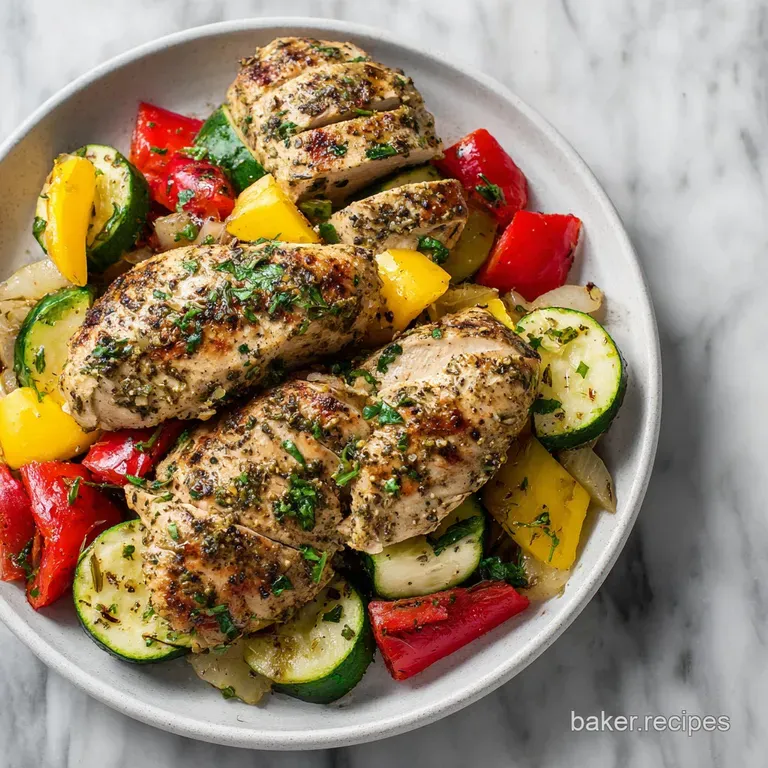
- Time: Active 10 minutes, Passive 25 minutes, Total 35 minutes
- Flavor/Texture Hook: Savory herb crust with a velvety, tender center
- Perfect for: Quick weeknight dinners or small scale holiday celebrations
Why This Technique Works
When we talk about lean proteins like turkey, the biggest enemy is always moisture loss. This specific method works because it balances aggressive surface heat with gentle internal cooking.
It's a strategy I learned after ruining more than a few "healthy" dinners by over baking them in a dry oven without a proper sear first.
- over High heat Sealing: Searing in a hot pan creates a flavorful crust that provides a textural contrast to the soft meat inside.
- Balsamic Acidity: The vinegar acts as a gentle tenderizer, breaking down surface proteins while adding a hint of sweetness for browning.
- Mustard Emulsification: Dijon acts as a binder, helping the herbs and oil cling to the meat rather than sliding off into the pan.
- Carry over Heat: Pulling the meat at 160°F allows the internal energy to finish the job without drying out the delicate fibers.
| Thickness | Internal Temp | Rest Time | Visual Cue |
|---|---|---|---|
| 1 inch | 160°F | 5 mins | Juices run clear |
| 1.5 inches | 160°F | 8 mins | Firm to the touch |
| 2 inches | 160°F | 10 mins | Deep mahogany exterior |
I've found that people often worry about turkey being "boring," but the balsamic and garlic in this marinade really change the profile. If you're looking for something to pour over the top for a more traditional feel, a savory turkey gravy is the way to go. It rounds out the meal perfectly without adding hours of work to your evening.
Analyzing the Essential Components
The beauty of this turkey tenderloin recipe lies in its simplicity. We aren't using thirty different spices; we're using five or six things that actually do something. Each ingredient has a specific job to do, and understanding those roles helps you become a more intuitive cook.
You start to see the kitchen less as a list of rules and more as a playground of flavors.
| Ingredient | Science Role | Pro Secret |
|---|---|---|
| Balsamic Vinegar | Acid Tenderizer | Use a glaze for a sweeter, thicker crust. |
| Dijon Mustard | Emulsifier | Never skip this; it holds the marinade to the meat. |
| Fresh Rosemary | Aromatic Oil | Bruise the leaves before chopping to release oils. |
| Garlic | Flavor Base | Mince finely so it integrates into the "paste." |
The oil is the vehicle for all these flavors. It carries the rosemary and garlic into every nook and cranny of the turkey. I usually reach for a standard extra virgin olive oil here. It has a high enough smoke point for the sear we want, but enough character to add to the overall taste.
Just don't go for the most expensive bottle in your pantry for this, as the heat will kill those delicate, subtle notes anyway.
Everything You Will Need
To get this on the table, you'll need a handful of fresh herbs and a decent piece of meat. Most grocery stores sell turkey tenderloins in packs of two, totaling about 1.5 pounds. They are usually found right next to the turkey breasts or the ground turkey.
Make sure they aren't "pre marinated" in a salty solution, as that can make your final dish way too salty once you add our herb mixture.
- 1.5 lbs turkey tenderloins: These are the long, narrow strips of meat found under the breast. Why this? They are the most tender part of the bird and cook very quickly.
- 0.25 cup olive oil: Use a decent quality olive oil for the marinade base. Why this? It provides the fat needed to transfer heat and carry herbal flavors.
- 2 tbsp balsamic vinegar: This adds a dark color and a bright, acidic punch. Why this? The sugars in the vinegar help create a beautiful caramelized crust.
- 4 cloves garlic, minced: Don't be shy with the garlic here. Why this? It provides a sharp, savory backbone that complements the herbs.
- 1 tbsp fresh rosemary, finely chopped: Fresh is non negotiable for the best scent. Why this? It gives the turkey that classic, comforting "roast" flavor.
- 1 tbsp fresh thyme, finely chopped: Thyme adds an earthy, slightly floral note. Why this? It fills in the flavor gaps between the rosemary and garlic.
- 1 tbsp Dijon mustard: Use a smooth or grainy Dijon, whichever you have. Why this? It acts as a glue for the herbs and adds a tiny bit of tang.
- 1 tsp kosher salt: Salt is the most important seasoning for meat. Why this? It penetrates the meat to season it from the inside out.
- 0.5 tsp black pepper: Freshly cracked is always best if you can manage it. Why this? It adds a subtle heat that cuts through the richness of the oil.
- 1 tsp olive oil: This is just for the pan. Why this? A tiny bit more oil prevents sticking during that initial over high heat sear.
| Original Ingredient | Substitute | Why It Works |
|---|---|---|
| Balsamic Vinegar | Apple Cider Vinegar | Adds a fruitier acidity, though the color will be lighter. |
| Fresh Rosemary | Dried Rosemary | Use 1/3 the amount. Note: It won't be as aromatic. |
| Dijon Mustard | Yellow Mustard | Provides the same binding properties but a sharper vinegary taste. |
Minimal Tools for Success
You don't need a kitchen full of gadgets for this. In fact, keeping it simple usually yields better results because you're more focused on the food and less on the buttons. A heavy pan is your best friend here. If you use a thin, cheap skillet, you'll find it hard to get an even sear without burning the garlic.
I almost always use a 12 inch cast iron skillet. It holds heat like a champ and can go from the stovetop to a 400°F oven without a second thought. If you don't have one, any heavy bottomed, oven safe stainless steel pan will work.
Just make sure the handle is metal, not plastic, because it's going into a very hot environment.
You'll also want a small whisk and a bowl for the marinade, plus an instant read thermometer. I cannot stress the thermometer enough. Guessing when poultry is done is a recipe for either food poisoning or a dry, sad dinner.
Knowing exactly when you've hit 160°F takes all the anxiety out of the process.
step-by-step Cooking Guide
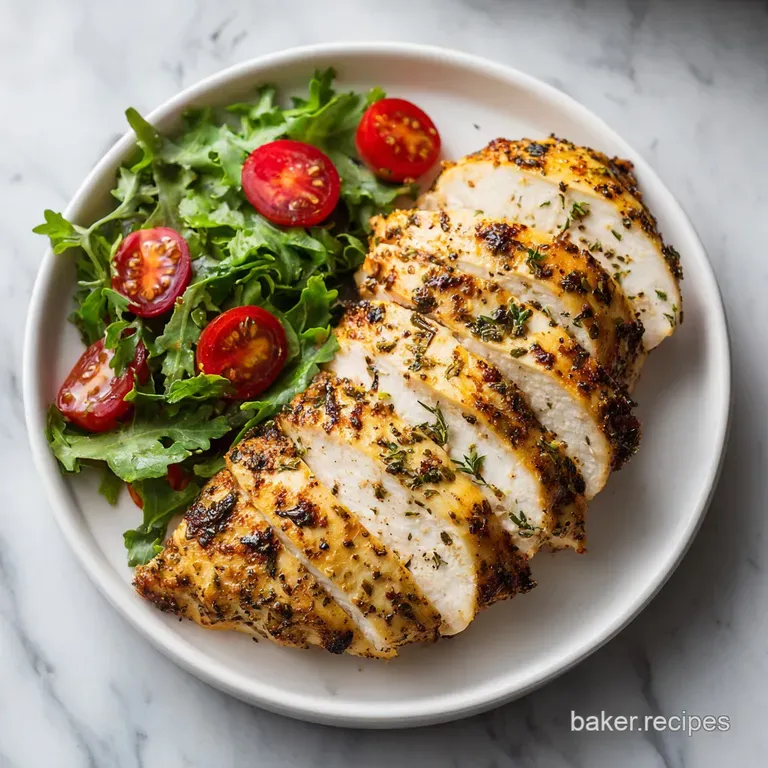
Follow these steps closely, and you'll have a dinner that looks like it came from a professional kitchen. The most important part is the sear, so don't rush the pan preheating.
- Whisk the marinade. Combine the 1/4 cup olive oil, balsamic vinegar, minced garlic, rosemary, thyme, Dijon, salt, and pepper in a bowl. Note: This creates a thick paste that will cling to the meat.
- Coat the turkey. Place the tenderloins in a glass dish or a zip top bag and pour the marinade over them. Note: Ensure every inch is covered for maximum flavor infusion.
- Marinate the meat. Let the turkey sit for at least 15 minutes. Note: If you have time, 30-60 minutes in the fridge is even better.
- Preheat the oven. Set your oven to 400°F (200°C) and let it reach full temperature. Note: A hot oven ensures the turkey starts cooking the moment it hits the rack.
- Heat the skillet. Place a cast iron skillet over medium high heat with 1 teaspoon of oil. Note: Wait until the oil is shimmering and just starting to wisps of smoke.
- Sear the turkey. Place the tenderloins in the hot pan. Cook for 3-4 minutes per side until a deep mahogany crust forms.
- Transfer to oven. Move the entire skillet into the center of the oven. Note: Be careful, the handle will be extremely hot from the stovetop.
- Bake for precision. Cook for about 10-15 minutes until the internal temperature reaches 160°F (71°C) on a thermometer.
- Remove and rest. Take the pan out and move the turkey to a cutting board. Let rest for 5-10 minutes until it hits 165°F (74°C).
- Slice and serve. Cut the turkey against the grain into half inch slices. Note: This ensures the most tender bite for your guests.
Troubleshooting Common Turkey Issues
Even with the best instructions, things can go sideways in the kitchen. Usually, it's a matter of heat control or timing. If you find your turkey is taking much longer than 25 minutes to cook, your oven might be running cold, or you might have started with meat straight from the ice cold fridge.
Why Your Turkey Is Dry
Dry turkey is almost always a result of overcooking. Because tenderloins are so lean, there is no fat to save you if you go past that 165°F mark. The muscle fibers tighten up and squeeze out all the moisture. This is why we pull the meat at 160°F.
That 5 degree window during the rest is where the magic happens. The juices redistribute through the meat instead of spilling out onto your cutting board.
Why the Garlic Burnt
If your garlic looks like little black bitter specs, your pan was likely too hot during the sear, or you used too much heat once the garlic was in contact with the metal. Garlic has a high sugar content and burns quickly. If you see it darkening too fast, turn the heat down a notch.
The balsamic vinegar also contributes to browning, so keep an eye on that crust color.
| Problem | Root Cause | Solution |
|---|---|---|
| Tough meat | Overcooked | Pull at 160°F and rest for 10 minutes. |
| Pale crust | Pan wasn't hot enough | Wait for the oil to shimmer before adding meat. |
| Bitter flavor | Burnt garlic or herbs | Lower stovetop heat to medium if browning too fast. |
Common Mistakes Checklist
- ✓ Pat the turkey dry before applying marinade if it's very wet (helps searing).
- ✓ Never skip the resting period; it's the difference between juicy and dry.
- ✓ Use an instant read thermometer rather than cutting into the meat to check.
- ✓ Don't overcrowd the pan; if making double, sear in batches.
- ✓ Make sure the oven is fully preheated before the skillet goes in.
Scaling for More Guests
If you're hosting a larger crowd, scaling this turkey tenderloin recipe is fairly straightforward, but you have to watch your pan space. You don't want to steam the meat by cramming four tenderloins into one skillet.
When cutting the recipe in half for just two people, you can simply use one tenderloin. Use about half the marinade, but don't worry about being perfectly precise with the herbs. You'll still want to use the same temperature and timing.
For doubling the recipe, you might need two skillets or you can sear in batches and then move everything to a large rimmed baking sheet for the oven portion.
| Method | Time | Texture | Best For |
|---|---|---|---|
| Stovetop to Oven | 35 mins | Crispy & Juicy | Maximum flavor and control |
| Air Fryer | 20 mins | Extra Crispy | Quickest weeknight cleanup |
| Slow Cooker | 4 hours | Shreddy & Soft | Meal prep or sandwiches |
For another great side that handles a crowd well, I often serve this alongside herby sourdough stuffing. The tang of the sourdough works beautifully with the balsamic notes in the turkey.
Debunking Kitchen Myths
There is a common myth that you need to "seal in the juices" by searing the meat. Science actually tells us that searing doesn't create an impermeable barrier. Moisture still escapes.
What searing actually does is create the Maillard reaction, which develops hundreds of flavor compounds and that beautiful brown color. We sear for taste and texture, not for a "juice seal."
Another myth is that turkey always needs to be cooked to 180°F to be safe. That's an old school guideline that results in sawdust textured meat. The USDA actually says that 165°F is the magic number for poultry.
By pulling at 160°F and letting it rest, you reach that safety mark without sacrificing the velvety texture of the tenderloin.
Storage and Zero Waste
Leftover turkey tenderloin is a gift. It stays remarkably moist if stored correctly, making it perfect for the next day's lunch. To store it, wait for the meat to cool completely, then wrap it tightly in foil or place it in an airtight container. It will stay fresh in the fridge for up to 4 days.
If you want to freeze it, I recommend slicing it first. Lay the slices on a parchment lined tray to freeze individually, then toss them into a freezer bag. They'll keep for about 3 months. To reheat, avoid the microwave if possible, as it tends to turn turkey rubbery.
Instead, wrap the slices in foil with a splash of chicken broth and warm them in a 300°F oven for 10 minutes.
For a zero waste approach, don't throw away the bits left in the pan after roasting. Add a splash of water or wine to the hot skillet to scrape up those browned bits (the fond). This creates a quick "pan sauce" that you can pour right over the meat.
If you have herb stems left over from the rosemary and thyme, throw them into a bag in the freezer. When the bag is full, you can use them to flavor a homemade poultry stock.
How to Serve and Enjoy
Presentation is everything, even on a Tuesday. I like to fan the slices out on a warm platter and garnish with a few extra sprigs of fresh rosemary. It makes the whole thing feel intentional.
This dish is incredibly versatile, fitting in at a formal dinner table or tucked into a toasted ciabatta roll for a high end sandwich the next day.
For sides, think about things that can soak up the juices. Mashed potatoes are a classic choice, but a wild rice pilaf or roasted root vegetables also work beautifully. If you're keeping things light, a simple arugula salad with a lemon vinaigrette provides a nice peppery contrast to the earthy herbs on the turkey.
This is the kind of meal that reminds you that cooking doesn't have to be a chore; it's just about a few good ingredients and a little bit of heat. Enjoy every juicy bite!
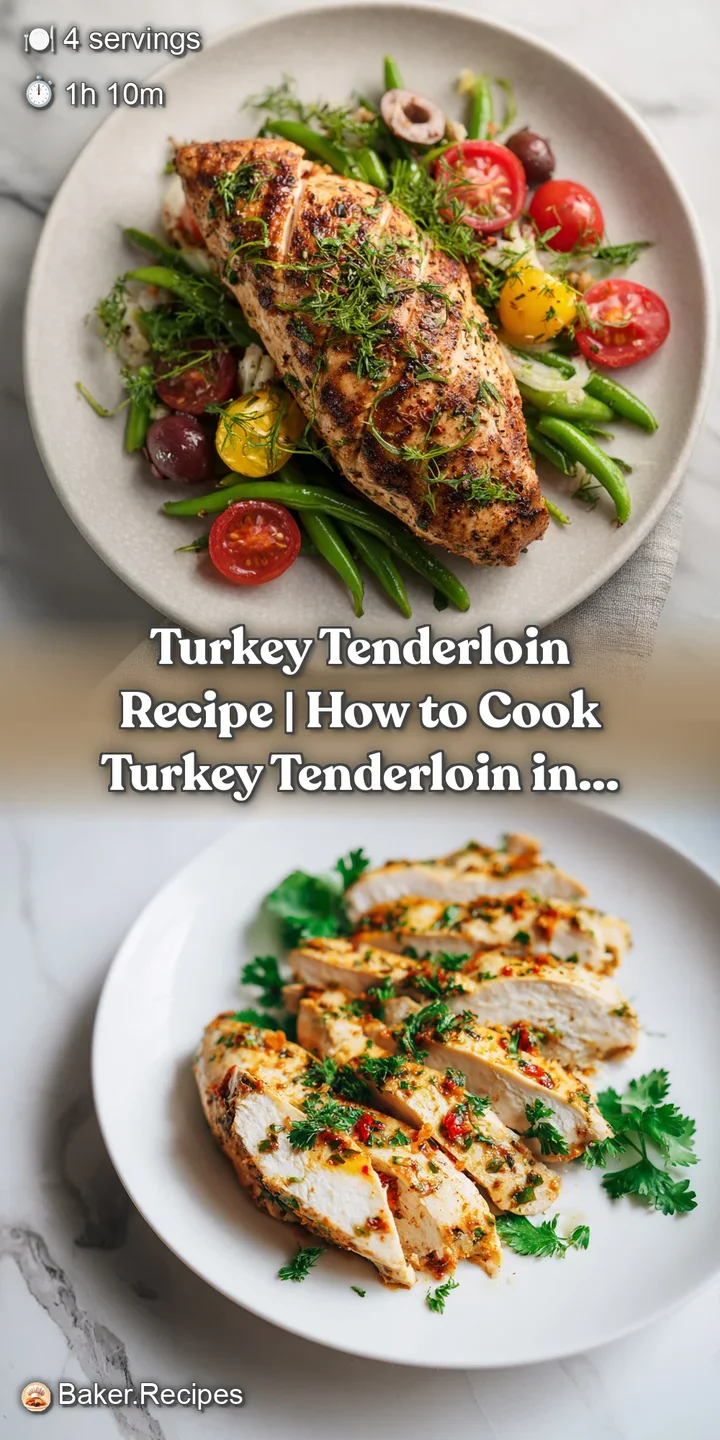
Recipe FAQs
What can I do with turkey tenderloins?
Serve them roasted as a lean main course or slice leftovers for salads and sandwiches. Because they are tender and mild, they work beautifully with the balsamic and herb marinade used in this recipe.
What is the difference between turkey breast and turkey tenderloin?
They are distinct muscles with different cooking requirements. A tenderloin is a long, narrow muscle found under the breast that is naturally more succulent, whereas a whole breast is larger and prone to drying out if overcooked.
How long does it take to cook a turkey tenderloin?
Expect a total time of 35 minutes, including prep and roasting. The actual searing takes 3-4 minutes per side, followed by a bake time that leads to an internal temperature of 160°F before resting.
What is the best way to cook tenderloins?
Sear the exterior in a cast iron skillet before finishing in the oven. This two-step process creates a mahogany crust while ensuring the meat remains juicy inside.
How to ensure the turkey stays moist during cooking?
Use an instant read thermometer to pull the meat at exactly 160°F. Letting it rest for 5-10 minutes is critical, as the carry over cooking will bring it to the final 165°F without drying out the fibers. If you enjoyed mastering this velvety sauce technique, you will appreciate how heat control preserves moisture in this dish.
Is it true I should skip marinating if I am in a hurry?
No, this is a common misconception. Marinating for at least 15 minutes is essential to allow the balsamic, garlic, and herbs to penetrate the surface and provide necessary flavor depth.
How to store leftovers effectively?
Cool the meat completely before wrapping tightly in foil or placing in an airtight container. Properly stored, it will remain fresh in the refrigerator for up to 4 days.
Savory Herb Turkey Tenderloin
Ingredients:
Instructions:
Nutrition Facts:
| Calories | 339 kcal |
|---|---|
| Protein | 41 g |
| Fat | 18 g |
| Carbs | 3 g |
| Fiber | 0.5 g |
| Sugar | 1 g |
| Sodium | 655 mg |
