The Ultimate Creamy Mashed Potatoes Recipe: Silky Smooth Buttery
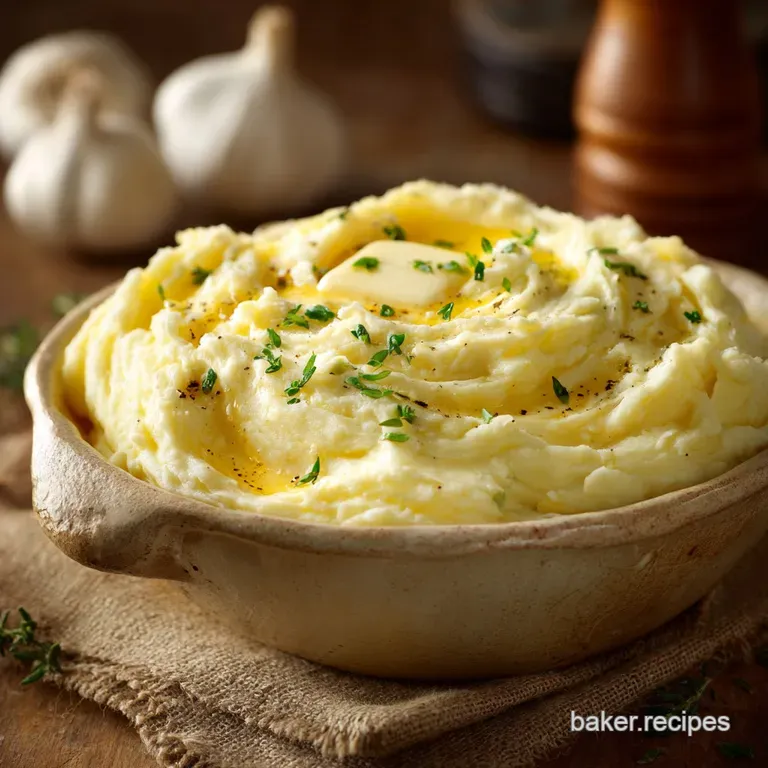
- The Secret to Truly Silky Creamy Mashed Potatoes
- The Chemistry of Perfect Mashed Potatoes
- Essential Ingredients for the Richest Mashed Potatoes
- Step-by-Step Guide to Making Silky Creamy Mashed Potatoes
- Mastering the Mash: Expert Tips and Troubleshooting
- Storing and Reheating: Keeping Your Creamy Mashed Potatoes Perfect
- Perfect Pairings for Your Ultimate Mash
- Recipe FAQs
- 📝 Recipe Card
The Secret to Truly Silky Creamy Mashed Potatoes
That first bite of truly perfect mash is a revelation. I’m talking about potatoes so silky they melt instantly, leaving behind that rich, buttery aroma that smells exactly like home. This isn’t the pasty, lumpy slop you get at a bad diner; this is pure, unadulterated, velvety gold.
Most people think great mashed potatoes are difficult, but they aren't; they just require precision and a secret step or two. The ingredients are cheap and usually already sitting in your pantry, making this the ultimate lifesaver for holiday dinners or a cozy Tuesday night.
I swear, once you master this technique, you will never settle for mediocre spuds again.
I’ve made every mistake there is, from gluey paste caused by over mixing to flavourless spuds that tasted like wallpaper paste. But now I understand the chemistry of starch and fat, and I’m ready to share the exact method I use every single time.
Let’s crack on and transform the humble potato into the rich, creamy mashed potatoes that deserve a standing ovation.
The Chemistry of Perfect Mashed Potatoes
The difference between amazing mash and tragic, gluey goo comes down to starch management. Potatoes are made up of starch cells and pectin. When you cook them correctly, those cells burst, but if you treat them aggressively say, with a whisk or a food processor you tear the cells apart.
This releases free floating starch, which turns the entire dish into sticky, wallpaper like paste.
Why Most Mashed Potatoes Fail (The Starch Dilemma)
The single biggest failure point is over mixing. We are trying to blend ingredients, not whip air into the mash. Aggressive mashing or using the wrong tools activates the sticky, gluey starch that lives inside the potato.
Think of mashing as folding , not beating, especially once the dairy and butter are introduced.
A Guide to Proper Sunday Roast Mash
A perfect Sunday roast demands perfect sides, and that starts with the mash. Our goal here is maximum flavour and maximum fluffiness. We achieve this by concentrating the potato flavour (salting the water heavily) and maximizing the fat content (using hot butter and cream) to coat those starch granules before they have a chance to stick together.
Difficulty and Prep Time at a Glance
This recipe is surprisingly easy, ranking squarely in the "Easy" category. Prep time is about 15 minutes, mostly spent peeling and cutting. The total time, including the crucial simmering and drying steps, clocks in under an hour.
It is entirely achievable for even the most novice cook trying to make a big impression.
Selecting the Optimal Potato Variety for Smoothness
You must choose high starch, floury potatoes for the best results. These varieties cook up light and dry, making them ideal for absorbing butter and cream. In the US, Russet potatoes are your best friend.
In the UK, look for King Edward or Maris Piper . Avoid waxy potatoes like New Potatoes or Red Potatoes; they hold their shape too well and will give you dense, heavy mash every time.
The Cold Start vs. Hot Start Debate: Which Is Best?
Always, always start your potatoes in cold water. If you drop potato chunks into boiling water, the outside cooks rapidly while the center remains raw. This results in an uneven texture where some pieces are mushy and others are hard.
By starting them cold and bringing them to a boil slowly, they cook evenly from core to edge.
Why Warming Your Dairy Prevents Gluey Texture
This is the non-negotiable secret to truly creamy mashed potatoes . Cold milk or cream immediately drops the temperature of the hot, delicate potato starch cells. This causes them to seize up and contract, leading to a denser, slightly tough texture.
Warming your dairy ensures the fat blends seamlessly into the mash, maintaining that beautiful, fluffy structure.
Essential Ingredients for the Richest Mashed Potatoes
We keep things simple here because truly great mash doesn't need a hundred ingredients to taste brilliant. Quality ingredients make all the difference, trust me.
| Ingredient | Standard Requirement | Viable Substitution |
|---|---|---|
| Potatoes | High starch (Russet/Maris Piper) | Yukon Gold (will be slightly heavier) |
| Butter | Unsalted Cultured Butter (high fat) | high-quality Ghee or Vegan Butter |
| Dairy | Whole Milk or Heavy Cream | Sour Cream (start with less) or Coconut Cream |
| Salt | Coarse Salt for water, Fine Salt for finish | Sea Salt or Kosher Salt |
Choosing the Best Dairy Fat: Cultured Butter vs. Cream
I prefer cultured butter (like Kerrygold or Plugra) because it has a slightly higher fat content and a deeper, nuttier flavour than standard butter. Heavy cream adds richness that milk just can't touch.
If you want truly indulgent, ultra creamy mashed potatoes , use half butter and half cream, warming them together perfectly.
The Importance of Salting the Cooking Water Correctly
Potatoes are essentially flavour sponges. If you boil them in unsalted water, they taste bland and sad. Salting the water heavily it should taste like a mild seawater solution seasons the potato from the inside out while it cooks. This is a game changer.
Vegan Swaps for Ultra Creamy Results (No Dairy Required)
You absolutely don't need dairy to achieve satisfying richness. For an incredibly creamy mash without milk, substitute full fat coconut cream and high-quality vegan butter. If you want a savory kick, consider using Boursin style cashew cheese spread; I’ve used it to get that delightful tang, giving me creamy mashed potatoes with boursin cheese vibes.
step-by-step Guide to Making Silky Creamy Mashed Potatoes
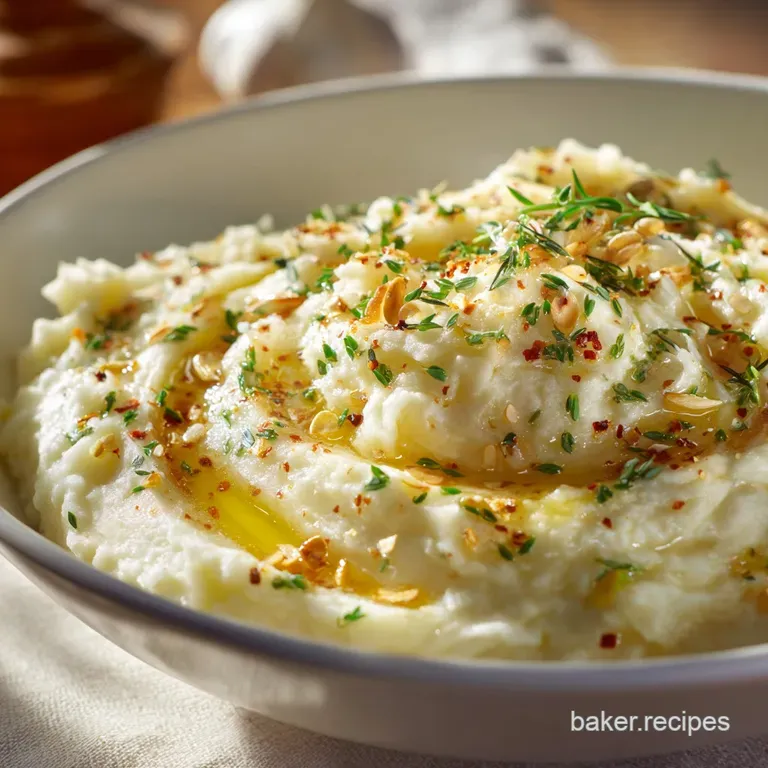
Preparation: Uniform Chunks and Proper Water Level
Peel your potatoes entirely, then cut them into roughly uniform 2 inch chunks. Uniformity is key here; it guarantees every piece finishes cooking at the exact same moment. Place the chunks in your largest saucepan, cover them with cold water by about two inches, and add that crucial coarse salt.
Boiling & Draining: Achieving the Fluffiest Spuds
Bring the water to a rolling boil over high heat, then immediately reduce it to a simmer. Cook for 20– 25 minutes. They are done when a fork slides in easily and the potato looks like it’s ready to crumble apart. Drain them instantly in a colander.
The Critical Step: Evaporating Excess Moisture After Cooking
This is the step everyone skips! Return the drained potatoes to the empty, hot pan. Place it over the lowest possible heat for about three to five minutes, shaking constantly. This steaming process evaporates residual surface moisture. Dry potatoes equal fluffy mash.
Watery potatoes equal dense, flavourless mash.
Folding in the Fats: Tempering for Maximum Smoothness
While the potatoes are drying, gently warm your butter and cream in a separate small saucepan until the butter is fully melted and the liquid is steaming hot. Now, pass your potatoes through a ricer or food mill directly into a large, warm mixing bowl.
Add the melted butter first, folding it in gently with a wooden spoon until absorbed. Then, slowly drizzle in the warm cream mixture, folding until the potatoes reach your desired consistency. I often find I don't need all the liquid.
Chef's Note: The fat (butter) should go in first. Fat coats the starch granules, preventing them from fusing and becoming gluey when the liquid (milk/cream) is added later.
Mastering the Mash: Expert Tips and Troubleshooting
The Golden Rule: Never Overwork the Potatoes
I cannot stress this enough. Once you add the fat and liquid, stop mashing! You are gently folding the ingredients together. If you keep stirring, mixing, or whipping, the delicate starch structure collapses, leading to a horrible texture. Stop as soon as everything is incorporated.
Avoiding the Dreaded 'Gluey' Texture
Gluey texture is a sign of ruptured starch cells, often caused by using the wrong tools or over mixing. If your mash starts feeling too sticky, you have gone too far. Unfortunately, there is no saving truly gluey mash, but you can hide it!
Try folding in a generous portion of cream cheese or sour cream (cold dairy helps firm it up slightly) and serving it piping hot.
The Best Tools for the Job (Ricers vs. Food Mills)
Forget the hand held wire masher it leads to lumps. Forget the electric mixer it guarantees glue. A potato ricer or a food mill is the absolute best way to make mash that rivals a Michelin restaurant.
These tools gently separate the potato cells without stretching them, giving you that incredible fluffy, uniform texture.
Storing and Reheating: Keeping Your Creamy Mashed Potatoes Perfect
Reheating Creamy Mashed Potatoes Without Drying Them Out
Mashed potatoes dry out because the starch continues to absorb moisture as they cool and sit. To reheat, transfer them to an oven safe dish, add a splash of extra cream or milk over the top, cover tightly with foil, and bake at 350°F (175°C) for about 20– 25 minutes.
Alternatively, reheat gently in a saucepan over low heat, stirring in a knob of butter or cream until restored.
Can You Successfully Freeze Mashed Potatoes?
Yes, you can! But they need extra fat. If you plan to freeze them, make sure the mash is particularly rich, maybe adding a dollop of cream cheese or sour cream. Let them cool completely, transfer to freezer safe bags, squeezing out all the air, and lay them flat.
They freeze well for up to three months. To thaw, move them to the fridge overnight, then reheat as described above.
Creative Uses for Leftover Mash
Don't let those leftovers go to waste! Leftover mash is fantastic as a binder or thickener. You can use it as the topping for a quick cottage pie, or even fold it into savory pancakes.
Sometimes I use leftover mash instead of breadcrumbs when I’m getting ready to make my famous [Baked Mac and Cheese: The Ultimate Creamy Casserole Recipe]. It makes the sauce unbelievably rich.
Perfect Pairings for Your Ultimate Mash
Creamy mash is the ultimate blank canvas, ready to absorb any delicious sauce or gravy you throw its way. If you are looking for other creamy, indulgent sides, you might check out my [Sweet Potato Casserole Recipe Easy: Creamy, Spiced Pecan Topping] next time.
- Classic Comfort: Rich, dark beef gravy and savory sausages.
- The Festive Spread: Alongside roasted vegetables, cranberry sauce, and maybe a generous sprinkle of crispy fried sage.
- Tangy Contrast: A dollop of full fat Greek yogurt mixed in, then served next to sharp pickles or a vibrant coleslaw. Sometimes I even pair the creamy texture with the richness found in my ultra smooth filling for [Deviled Eggs Recipe Best: Perfectly Polished Ultra Creamy Classic]. It just works!
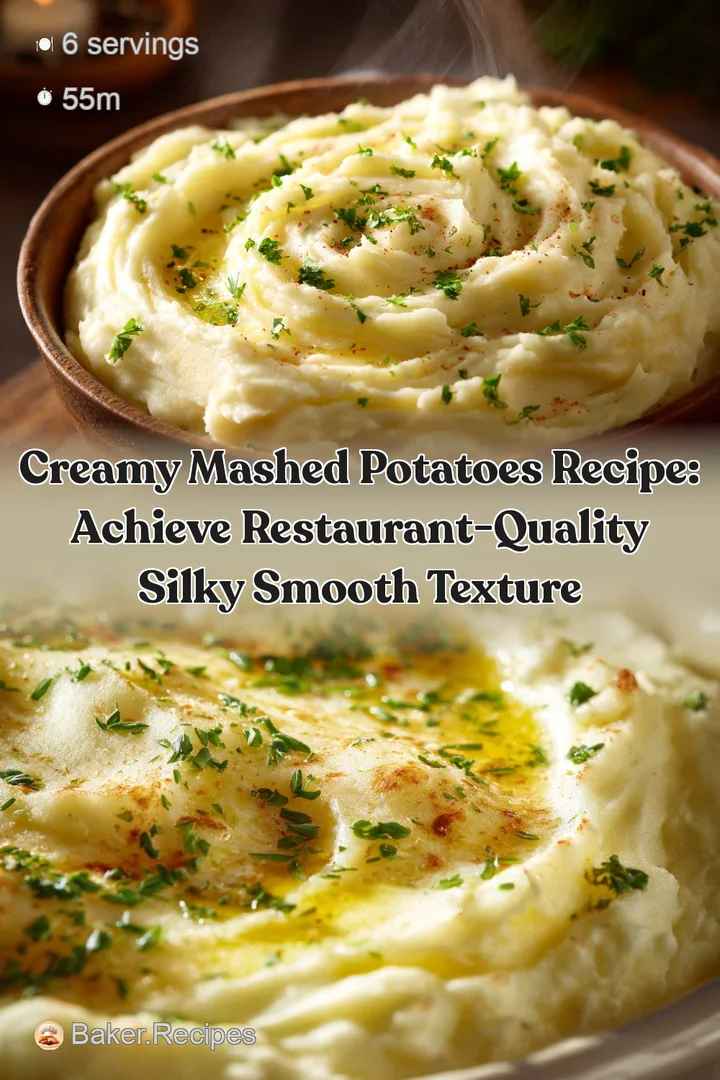
Recipe FAQs
Why are my mashed potatoes gluey, sticky, or pasty?
This common issue is caused by overworking the potatoes, which releases excessive amounts of starch, turning the mash into an unpleasant paste. To avoid this, use a ricer or a hand masher, and stop mixing as soon as the potatoes are smooth.
Never use a food processor or an immersion blender, as these tools destroy the starch cells.
What is the best type of potato to use for the ultimate silky texture?
For a truly silky and fluffy mash, you must use high starch, low-moisture varieties such as Russets (known as Maris Piper in the UK) or Idaho potatoes. These varieties break down easily when cooked and absorb the warmed butter and cream beautifully.
Waxy potatoes, like new potatoes, retain too much moisture and result in a gummy texture.
Can I make this recipe dairy-free or vegan?
Absolutely. Substitute the traditional dairy butter with a high-quality, European style vegan butter block for the best flavor and richness. Replace the heavy cream or milk with full fat oat cream or cashew milk, ensuring the substitution is unsweetened and warmed before mixing in.
Should I heat the butter and cream before adding them to the potatoes?
Yes, warming the dairy ingredients is a crucial step for achieving the perfect silky mash. Adding cold liquid rapidly lowers the overall temperature of the potato starch, preventing proper absorption and resulting in a stiff or lumpy mixture. Always ensure the butter is melted and the cream is hot before incorporating.
Why did my mashed potatoes turn out dry or too stiff?
Dry mash usually indicates that the potatoes were not properly drained, meaning there was too much residual water when the butter was added. Ensure your potatoes are thoroughly steamed dry after draining for 5-10 minutes before mashing.
If they are already stiff, slowly beat in more warmed cream until the desired consistency is achieved.
How long can I safely store leftover mashed potatoes?
Leftover mashed potatoes should be stored in an airtight container and refrigerated promptly after cooling. They will remain safe to eat for 3 to 4 days. When reheating, it is best to use a double boiler or low heat in the oven, adding a small splash of warm milk to restore moisture and texture.
Can I freeze mashed potatoes?
While technically possible, freezing is generally not recommended for pure, creamy mashed potatoes as the texture often becomes grainy and watery upon thawing. If freezing is necessary, incorporate extra fat, such as a tablespoon of cream cheese, before freezing to help stabilize the emulsion and minimize separation.
Silky Creamy Mashed Potatoes Recipe
Ingredients:
Instructions:
Nutrition Facts:
| Calories | 474 kcal |
|---|---|
| Protein | 7.1 g |
| Fat | 27.0 g |
| Carbs | 50.6 g |
