Cucumber Sandwich: Crisp Herb Finger Sandwiches
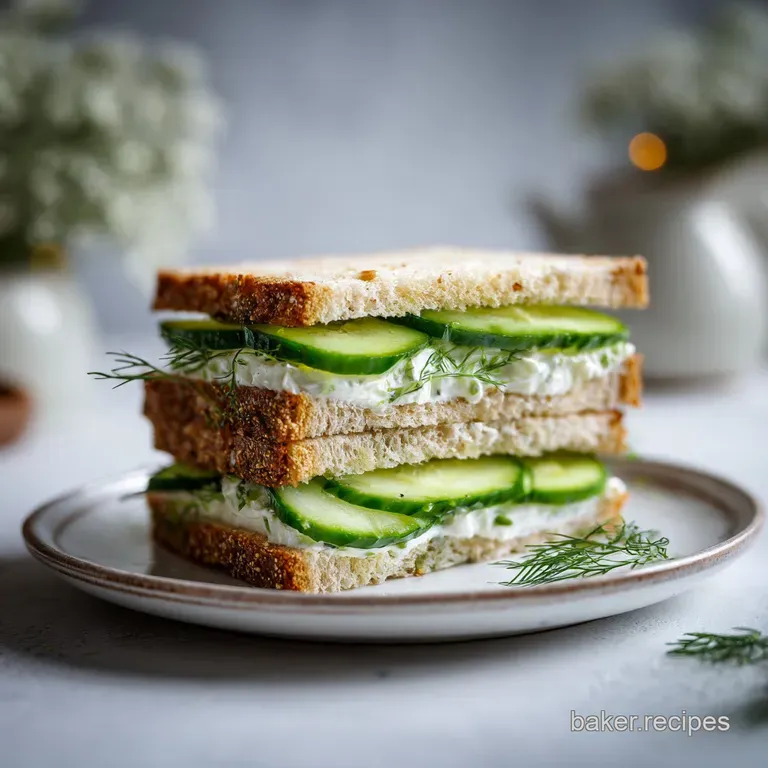
- Time: Active 20 minutes, Passive 0 minutes, Total 20 minutes
- Flavor/Texture Hook: Crisp, supple, and herb flecked
- Perfect for: Afternoon tea, light lunches, or summer brunches
- Mastering the Iconic Crisp Cucumber Sandwich
- The Physics of Moisture Control
- Crucial Specs and Success Benchmarks
- Selecting Fresh Ingredients and Substitutes
- Minimal Tools for Precision Assembly
- Steps for Constructing the Layers
- Fixing Texture and Flavor Issues
- Customizing Flavors and Scaling Up
- Preservation and Reducing Kitchen Waste
- Presentation Styles for Elegant Serving
- Recipe FAQs
- 📝 Recipe Card
Mastering the Iconic Crisp Cucumber Sandwich
The scent of a freshly sliced English cucumber is basically summer in a bottle. I remember my first attempt at making these for a friend's bridal shower years ago. I thought I was being fancy, but by the time the guests arrived, the bread had turned into a literal wet sponge, and the filling was sliding off the plates.
It was a disaster, but it taught me that the simplest recipes often require the most respect for the ingredients.
To get that satisfying "snap" when you bite in, you need to handle the moisture. This isn't just a sandwich; it’s an exercise in balance. We’re aiming for bread that stays light, a spread that feels rich but not heavy, and cucumbers that are translucent and supple rather than crunchy and watery.
Once you nail the technique, you'll find yourself making these for every weekend lunch because they’re just so refreshing.
We are going to use high-quality white bread and a few specific techniques to build a sandwich that actually holds its shape. Trust me on this, once you try the "butter barrier" trick, you will never go back to the old way. It's brilliant. Let's crack on with the science that makes this all possible.
The Physics of Moisture Control
Osmotic Equilibrium: Salt draws excess water out of cucumber cells, making them supple and preventing them from leaking into the bread.
Lipid Hydrophobicity: A thin layer of softened butter acts as a "raincoat" for the bread, repelling any residual moisture from the filling.
Aromatic Suspension: Fat in the cream cheese traps the essential oils from the fresh dill and chives, intensifying the flavor without needing extra liquid.
| Preparation Style | Prep Time | Texture Profile | Best Used For |
|---|---|---|---|
| Fast (No Salting) | 5 minutes | Crunchy & Wet | Immediate eating |
| Classic (Salted) | 20 minutes | Supple & Refined | Traditional tea service |
| Modern (Peeled) | 15 minutes | Soft & Velvety | Picky eaters |
This comparison highlights why the classic method is worth the extra few minutes. If you skip the salting, you risk a watery mess within ten minutes of assembly. The classic salted method provides that elegant, translucent look that defines a high end tea sandwich.
Crucial Specs and Success Benchmarks
| Component | Science Role | Pro Secret |
|---|---|---|
| English Cucumber | Structural Crispness | Use a mandolin for 1/8 inch slices to ensure even layering and consistent snap. |
| Cream Cheese | Flavor Emulsifier | Whip with mayo to create a lighter, aerated texture that spreads without tearing bread. |
| Salted Butter | Moisture Barrier | Ensure it is exactly room temperature (around 65°F or 18°C) for a seamless, thin coat. |
A mistake I once made was using a regular field cucumber. Honestly, don't even bother with those for this recipe. Their seeds are too large and watery, and the skin is far too tough. Stick to the English or "seedless" variety for the best results.
Selecting Fresh Ingredients and Substitutes
- 8 slices high-quality white bread: Small slices are best for structure. Why this? Dense crumb prevents tearing.
- 4 tablespoons unsalted butter: Must be softened. Why this? Creates the vital moisture barrier.
- 1 large English Cucumber: Long and thin. Why this? Low seed count prevents sogginess.
- 0.5 teaspoon sea salt: Fine grain. Why this? Draws out moisture quickly.
- 4 oz cream cheese: Full fat is best. Why this? Provides the velvety base.
- 2 tablespoons high-quality mayonnaise: Adds tang. Why this? Thins the spread perfectly.
- 1 tablespoon fresh dill: Finely chopped. Why this? Classic aromatic tea flavor.
- 1 tablespoon fresh chives: Minced. Why this? Adds a subtle onion note.
- 0.5 teaspoon lemon zest: Freshly grated. Why this? Cuts through the rich fat.
- 0.25 teaspoon cracked black pepper: Fine grind. Why this? Adds a gentle heat.
| Original Ingredient | Substitute | Why It Works |
|---|---|---|
| White Bread | Rye Bread | Adds an earthy, nutty flavor. Note: Makes for a much heartier sandwich. |
| Cream Cheese | Greek Yogurt (Strained) | Provides a similar tang with less fat. Note: Must be very thick to avoid sogginess. |
| Fresh Dill | Fresh Mint | Offers a cool, refreshing profile. Note: Best paired with a bit of extra lemon. |
If you are looking for a different vibe, you might enjoy my Creamy Cucumber Salad recipe which uses many of these same fresh elements but in a bowl. It’s a great way to use up leftover cucumbers.
Minimal Tools for Precision Assembly
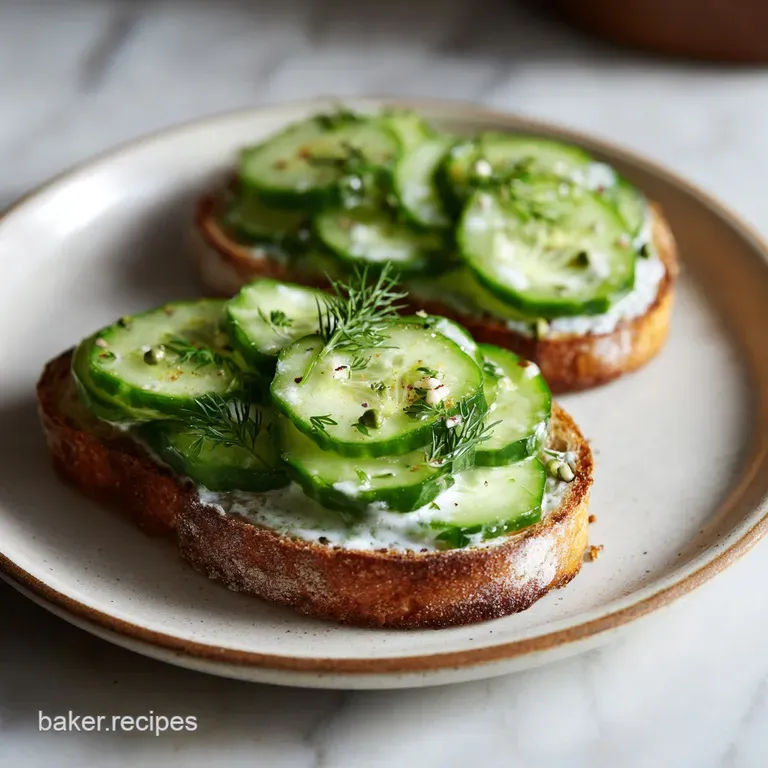
Chef's Tip: Freeze your bread for about 10 minutes before slicing off the crusts. It makes the edges much cleaner and prevents the bread from squishing under the knife.
You don't need a kitchen full of gadgets for this. A simple mandolin slicer is my top recommendation because it keeps the cucumber slices identical in thickness, which means the sandwich won't be lopsided. If you don't have one, just use a very sharp chef's knife and take your time.
You also need a good serrated knife for the final cuts to ensure you don't crush the delicate layers.
Paper towels are actually a "tool" here. You'll use them to press the cucumbers after salting. Don't skip this it's the difference between a professional result and a soggy home-made look. A small offset spatula is also helpful for spreading the butter and cream cheese right to the very edges of the bread.
Steps for Constructing the Layers
- Slice cucumbers. Use a mandolin to cut the English cucumber into 1/8 inch rounds. Note: Consistency ensures a flat sandwich.
- Salt and drain. Place slices in a colander, sprinkle with 0.5 teaspoon sea salt, and let sit for 10 minutes.
- Pat dry. Lay slices on paper towels and press firmly until they feel matte and supple.
- Whip the spread. Combine 4 oz cream cheese, 2 tablespoons mayo, dill, chives, lemon zest, and pepper.
- Butter the bread. Spread a thin, even layer of 4 tablespoons softened butter over one side of all 8 bread slices.
- Apply herb cream. Spread the herb mixture over the butter on 4 of the slices, going completely to the edges.
- Layer the cucumber. Overlap the slices slightly on the cream cheese in a neat grid.
- Close the sandwich. Top with the remaining 4 buttered bread slices, butter side down.
- Remove the crusts. Use a serrated knife to saw gently through the layers, removing all four crusts.
- Final portioning. Cut each large square into 4 small triangles or rectangles.
Fixing Texture and Flavor Issues
Why the Bread Gets Soggy
If your bread feels wet, the most likely culprit is skipping the butter layer or not drying the cucumbers enough. Even if you salt them, they still need a good squeeze with paper towels. The butter acts as a seal; without it, the moisture from the cream cheese and cucumber migrates directly into the bread fibers.
Why the Filling Slides
This usually happens if the cucumber slices are too thick or if there is too much mayonnaise in the spread. The mayo should just be enough to make the cream cheese workable. If the cucumbers are thick, they create "marbles" that roll around. Keeping them thin and slightly overlapping creates a stable, locked in layer.
| Problem | Root Cause | Solution |
|---|---|---|
| Filling is bland | Low acid or salt | Add an extra pinch of lemon zest or a drop of lemon juice to the spread. |
| Bread is tearing | Butter is too cold | Let butter sit out longer or beat it with a spoon before spreading to ensure it's "swipeable." |
| Slices are uneven | Dull knife | Use a serrated bread knife and a light sawing motion; don't press down. |
Common Mistakes Checklist
- ✓ Always use English cucumbers to avoid tough skins and watery seeds.
- ✓ Soften your cream cheese and butter completely before starting for a smooth spread.
- ✓ Don't skip the 10 minute salting step it is non negotiable for texture.
- ✓ Use fresh herbs only; dried herbs will taste dusty in this fresh application.
- ✓ Use a serrated knife for the final cuts to keep the edges sharp and clean.
Customizing Flavors and Scaling Up
If you are cooking for a crowd, scaling this recipe is quite easy. For a party of 16 people, you'll want to triple the recipe. When scaling up, keep your spices to about 2.5x the original amount first, then taste. Sometimes the pepper can become overwhelming if you just do a straight 3x multiplier.
- If you want a crunchier bite, keep the cucumber skins on.
- If you want a spicy kick, add a tiny smear of horseradish to the butter layer.
- If you want a vegan version, use a cashew based cream cheese and a quality plant based butter.
For those planning a larger event, you might find my Royal Baby Shower recipe helpful for more ideas on finger food presentation.
Myth: You must use expensive "Tea Bread." Truth: Standard high-quality white sandwich bread works perfectly. The key isn't the price of the bread, but the density. You want something that can be compressed slightly without falling apart.
Myth: Keeping the crusts on makes it "rustic." Truth: In a classic Cucumber Sandwich, the crusts are removed not just for looks, but for texture. The crust is much tougher than the interior, which ruins the delicate "melt in-your mouth" experience of the sandwich.
Preservation and Reducing Kitchen Waste
Storage for these is best kept to a minimum. You can make the herb spread up to 2 days in advance and keep it in the fridge. However, once assembled, the sandwiches are best eaten within 4 hours.
If you must store them, wrap them tightly in a damp (not wet) paper towel and then in plastic wrap to keep the bread from drying out. They will last about 24 hours in the fridge this way. These do not freeze well, as the cucumbers will turn to mush when thawed.
To reduce waste, don't throw away those cucumber peels or the crusts! The peels can be tossed into a pitcher of water for a refreshing spa style drink. The bread crusts can be baked at 300°F (150°C) until dry, then pulsed in a blender to make fresh breadcrumbs for your next dinner.
Presentation Styles for Elegant Serving
The way you cut these defines the whole look. Triangles are classic for a high tea feel, while long, thin "fingers" (rectangles) look more modern and are easier to eat in two bites. Use a very sharp serrated knife and wipe the blade between every single cut.
This prevents the green herb spread from smearing onto the white sides of the bread, keeping the layers looking distinct and professional.
Arrange them on a tiered stand or a simple white platter. I love to garnish the plate with a few extra sprigs of fresh dill or even some edible flowers like pansies if I'm feeling fancy. If you have leftovers, they make a great light snack the next day, though the bread will be slightly firmer.
Serve these alongside a hot pot of Earl Grey or a chilled glass of sparkling water for the ultimate refreshing experience.
Recipe FAQs
What goes in cucumber sandwiches?
White bread, English cucumbers, butter, cream cheese, and fresh herbs. You need thinly sliced cucumbers salted to remove excess water, softened butter to act as a moisture barrier, and a seasoned cream cheese blend, typically featuring dill and chives.
Why do British eat cucumber sandwiches?
They are traditionally served for afternoon tea as a delicate, refreshing component. Originating in the 19th century, these sandwiches provided a light, elegant contrast to richer foods, balancing the meal with cool, crisp textures.
What is good to mix with cucumber in the spread?
A mixture of full fat cream cheese, mayonnaise, fresh dill, chives, and lemon zest is ideal. The mayonnaise helps lighten the cream cheese texture, preventing it from being too heavy, similar to how we balance fat in a vinaigrette. If you enjoy fresh herb spreads, see how the same flavor balancing technique is used in the Blend Avocado Green recipe.
How to make Queen Elizabeth's cucumber sandwiches?
Slice cucumbers thinly, salt them for 10 minutes, thoroughly pat them dry, and remove the bread crusts. The royal standard requires extremely thin cucumber slices (1/8 inch) and a liberal, edge-to-edge coating of softened, unsalted butter directly on the bread before adding the filling.
Must I remove the cucumber skin?
No, but peeling is highly recommended for the best texture. The skin of an English cucumber is thin, but it remains slightly tougher than the flesh, which can interrupt the delicate, supple mouthfeel these sandwiches are known for.
How long do cucumber sandwiches last once assembled?
They are best consumed within 4 hours of assembly for peak crispness. Storing them longer risks moisture migration from the cucumber into the bread, causing sogginess. If you master the butter barrier technique, you extend this window slightly, much like mastering emulsion stability in recipes like the Grilled Cheese Knife recipe provides structural integrity.
Is it true I should use pepper jack cheese instead of cream cheese for a savory version?
No, this is a common misconception for the traditional tea sandwich. Pepper jack cheese is too dense and firm when chilled, preventing the smooth, velvety spread required for this classic. Cream cheese provides the necessary fat structure to suspend the fresh herbs.
Simple Cucumber Sandwich Recipe
Ingredients:
Instructions:
Nutrition Facts:
| Calories | 97 calories |
|---|---|
| Protein | 1.7 g |
| Fat | 6.9 g |
| Carbs | 7.2 g |
| Fiber | 0.3 g |
| Sugar | 0.6 g |
| Sodium | 115 mg |
